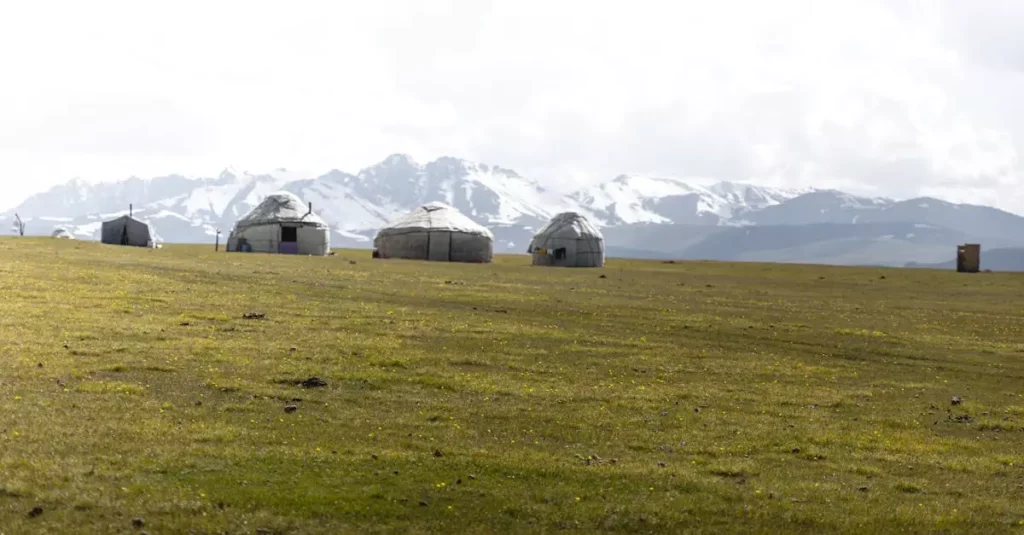
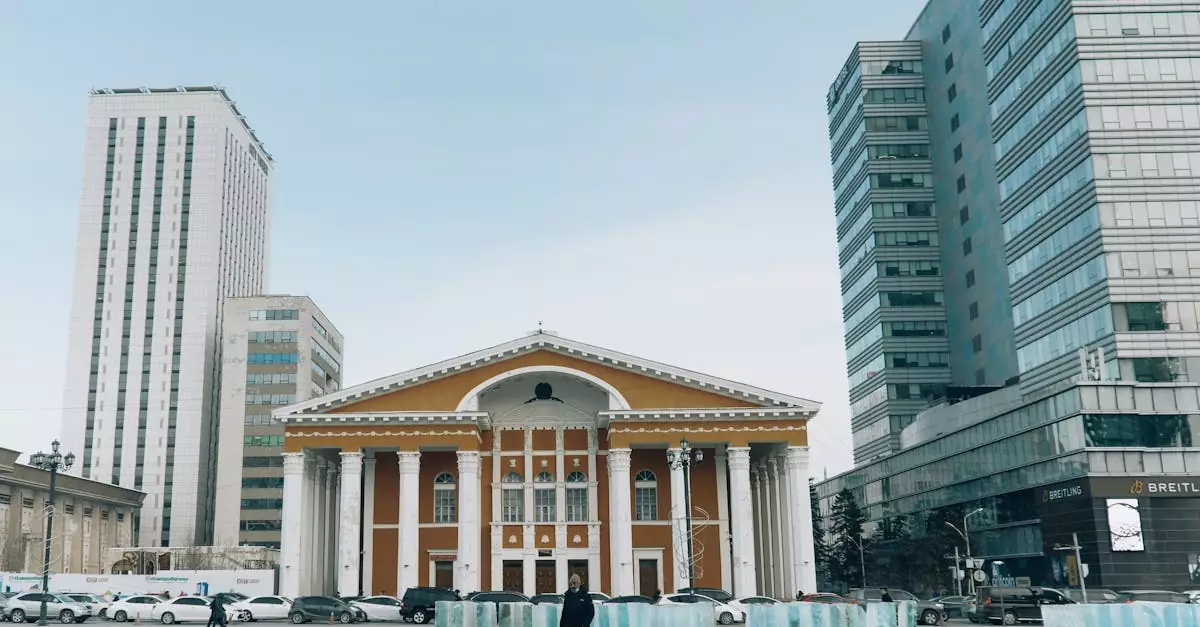
When planning an adventure to Central Asia, travelers often find themselves comparing the Mongolia vs Kazakhstan travel cost to determine which destination offers better value for their budget. Both countries provide unique nomadic experiences, stunning landscapes, and rich cultural heritage, but the financial considerations can vary significantly depending on your travel style and preferences. Mongolia, with its capital Ulaanbaatar serving as the main gateway, tends to be slightly more expensive for international travelers due to its remote location and limited infrastructure, while Kazakhstan offers more developed tourism facilities at competitive prices.
The cost comparison between these two fascinating destinations extends beyond simple accommodation and meal prices. Transportation costs, visa requirements, seasonal pricing variations, and the availability of budget-friendly options all play crucial roles in determining your overall travel expenses. Mongolia’s tourism industry heavily relies on specialized tour operators for experiences like staying in traditional gers and exploring the Gobi Desert, which can drive up costs. Kazakhstan, being larger and more economically developed, offers a wider range of accommodation options and transportation methods, potentially providing more flexibility for budget-conscious travelers.
Understanding the nuances of travel costs in both countries requires examining various factors including currency exchange rates, tipping customs, and the relative cost of popular tourist activities. While both destinations offer incredible value for adventurous travelers seeking authentic experiences, the specific costs can vary dramatically based on your chosen itinerary, travel season, and personal preferences. This comprehensive guide will break down all the essential cost components to help you make an informed decision about which destination aligns better with your travel budget and expectations.
Accommodation Costs Comparison
Accommodation expenses represent one of the most significant portions of your travel budget in both Mongolia and Kazakhstan. In Mongolia, budget travelers can expect to pay between $15-25 per night for basic guesthouses or hostels in Ulaanbaatar, while mid-range hotels typically cost $40-80 per night. Luxury accommodations in the capital can reach $150-300 per night, particularly during peak summer months. Traditional ger camps, which offer authentic nomadic experiences, usually charge $50-120 per person per night, including meals and cultural activities.
Kazakhstan presents a broader spectrum of accommodation options due to its more developed tourism infrastructure. Budget hostels in major cities like Almaty and Nur-Sultan range from $10-20 per night, while mid-range hotels cost $30-70 per night. Luxury hotels in Kazakhstan’s major cities can be surprisingly affordable compared to Western standards, with rates between $80-200 per night. The country’s larger size and better transportation network also mean more accommodation choices in secondary cities and rural areas.
Seasonal variations significantly impact accommodation costs in both countries. Mongolia experiences its highest prices during the summer months (June-August) when weather conditions are most favorable for tourism. Kazakhstan’s pricing tends to be more stable year-round, though winter rates in ski resort areas can increase substantially. Both countries offer unique accommodation experiences: Mongolia’s ger camps provide authentic nomadic living, while Kazakhstan features everything from Soviet-era hotels to modern international chains.
Food and Dining Expenses
Dining costs in Mongolia and Kazakhstan reflect both countries’ nomadic heritage and modern urban development. In Mongolia, street food and local restaurants offer hearty meals for $3-8, with traditional dishes like mutton soup, buuz (steamed dumplings), and airag (fermented mare’s milk) providing authentic flavors at reasonable prices. Mid-range restaurants in Ulaanbaatar charge $10-20 per meal, while upscale dining establishments can cost $25-40 per person. Groceries are relatively expensive due to import costs, with basic items costing 20-30% more than in neighboring countries.
Kazakhstan’s food scene offers greater variety and generally lower prices than Mongolia. Local eateries serve filling meals for $2-6, featuring dishes like beshbarmak (horse meat with noodles), plov (rice pilaf), and various grilled meats. Restaurant meals in major cities range from $8-15 for mid-range establishments, while fine dining experiences cost $20-35 per person. The country’s agricultural sector and better trade connections result in more affordable groceries and fresh produce, making self-catering a viable option for budget travelers.
Both countries have strong tea cultures, and sharing meals with locals often becomes an integral part of the travel experience. Mongolia’s dairy-heavy cuisine reflects its pastoral traditions, while Kazakhstan’s food shows influences from Russian, Chinese, and Middle Eastern cuisines. Alcohol costs vary significantly, with locally produced beverages being much more affordable than imported options. Travelers should budget approximately $20-30 per day for food in Mongolia and $15-25 per day in Kazakhstan, depending on dining preferences and locations visited.
Transportation and Getting Around
Transportation costs represent a major budget consideration when comparing Mongolia and Kazakhstan, as both countries cover vast territories with varying infrastructure quality. In Mongolia, domestic flights between Ulaanbaatar and regional destinations cost $100-300 one-way, but options are limited to a few major routes. Ground transportation relies heavily on hired drivers and tour operators, with daily rates for a driver and vehicle ranging from $80-150, depending on the destination and vehicle type. Public transportation outside Ulaanbaatar is extremely limited, making private transport arrangements almost essential for exploring the countryside.
Kazakhstan offers significantly more transportation options due to its larger economy and better infrastructure development. Domestic flights connect major cities for $50-200, with more frequent schedules and competitive pricing. The country maintains an extensive railway network inherited from the Soviet era, providing comfortable and affordable long-distance travel options. Train tickets between major cities cost $20-60 for second-class accommodations and $40-120 for first-class compartments. Bus services connect smaller towns and rural areas, with fares typically ranging from $5-25 for intercity routes.
Urban transportation costs favor Kazakhstan, where cities like Almaty and Nur-Sultan have developed metro systems, bus networks, and abundant taxi services. Local transportation in these cities costs $0.30-2 per ride, while taxi services charge $3-10 for typical urban journeys. Mongolia’s transportation infrastructure concentrates around Ulaanbaatar, where buses cost $0.50-1 per ride and taxis charge $2-8 for city trips. For travelers planning extensive countryside exploration, Mongolia’s transportation costs can quickly escalate due to the necessity of hiring specialized vehicles and experienced drivers familiar with challenging terrain.
Activity and Attraction Costs
Tourism activities and attractions present interesting cost variations between Mongolia and Kazakhstan, reflecting each country’s approach to tourism development and natural resource management. Mongolia’s tourism industry centers around organized experiences, with multi-day ger camp stays, horseback riding adventures, and Gobi Desert expeditions typically costing $100-250 per person per day, including accommodation, meals, and guided activities. National park entrance fees are relatively modest at $3-10 per person, but accessing remote locations often requires expensive transportation arrangements that can add $50-200 to daily costs.
Kazakhstan’s diverse attractions offer more flexible pricing structures, with many historical sites, museums, and cultural attractions charging $2-8 for entrance fees. The country’s national parks and nature reserves typically charge $5-15 for access, with additional fees for camping or specialized activities. Adventure tourism activities like skiing in the Tian Shan mountains, hiking in Altyn-Emel National Park, or exploring the Charyn Canyon can be arranged independently or through tour operators, with guided day trips costing $30-80 per person and multi-day adventures ranging from $60-150 per day.
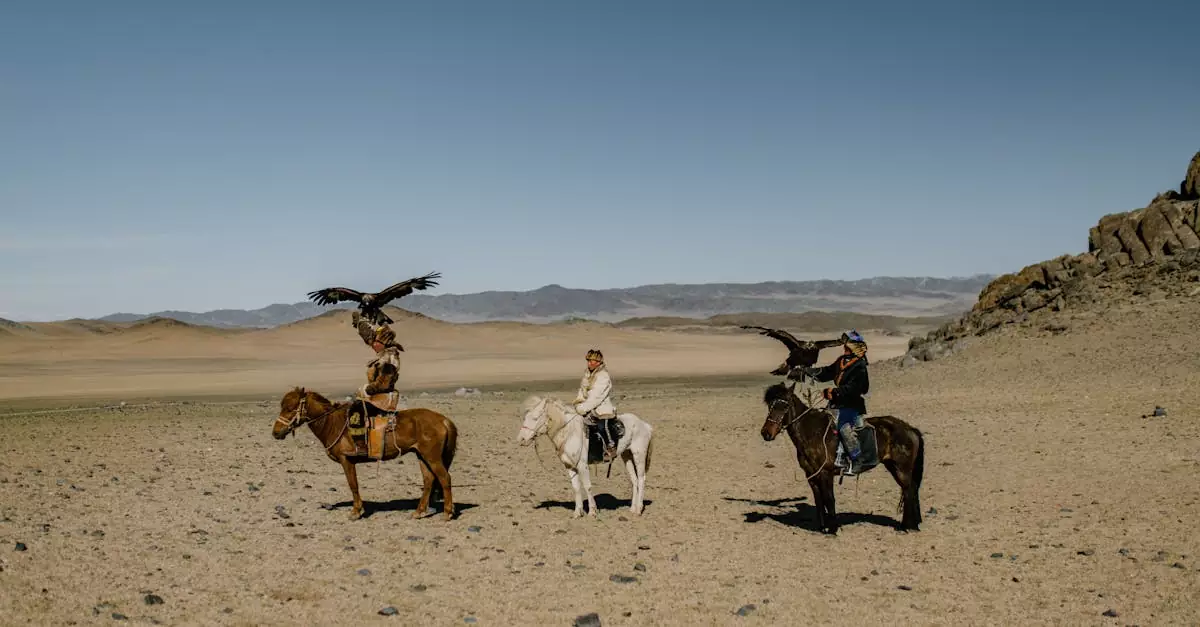
Both countries offer unique cultural experiences that provide excellent value for travelers seeking authentic interactions. Mongolia’s eagle hunting demonstrations, traditional music performances, and nomadic family visits typically cost $20-50 per person. Kazakhstan’s cultural attractions include visits to traditional Kazakh families, falconry demonstrations, and historical city tours, generally priced between $15-40 per person. The key difference lies in accessibility – Kazakhstan’s better infrastructure allows for more independent exploration, while Mongolia’s remote attractions often require guided tours that increase overall costs but provide invaluable local expertise and safety.
Visa and Entry Requirements
Visa requirements and associated costs create important budget considerations that can significantly impact your overall travel expenses. Mongolia offers visa-free entry for citizens of many countries, including the United States, Canada, and most European nations, for stays up to 30 days. When visas are required, they typically cost $50-100 depending on the applicant’s nationality and processing time. The country also requires visitors to register with local authorities if staying longer than 30 days, which involves minimal fees but requires time and paperwork.
Kazakhstan has implemented increasingly liberal visa policies in recent years, offering visa-free entry to citizens of numerous countries for stays up to 30 days. For travelers requiring visas, costs range from $35-160 depending on nationality, visa type, and processing speed. The country also offers electronic visas for many nationalities, which cost approximately $20-60 and can be processed online within 5-10 business days. Transit visas for travelers passing through Kazakhstan to other destinations are available for $35-70, making the country an attractive stopover option for multi-country itineraries.
Both countries require valid passports with at least six months remaining validity and sufficient blank pages for entry stamps. Travel insurance requirements vary, but both nations strongly recommend comprehensive coverage, which typically costs $30-80 for two-week trips depending on coverage levels and traveler age. Mongolia’s geographic isolation can complicate emergency evacuations, making comprehensive travel insurance particularly important despite the additional cost. Entry requirements can change seasonally or due to international relations, so travelers should verify current requirements well before departure.
Seasonal Price Variations
Understanding seasonal price fluctuations is crucial for budget planning in both Mongolia and Kazakhstan, as weather patterns dramatically affect accessibility, demand, and pricing structures. Mongolia experiences extreme seasonal variations, with the brief summer season (June-August) commanding premium prices for all tourism services. During peak season, accommodation costs can increase by 50-100%, tour operator prices rise by 30-60%, and transportation becomes both more expensive and harder to arrange due to high demand. The shoulder seasons of May and September offer moderate pricing with acceptable weather conditions, while winter travel (November-March) provides significant cost savings but severely limited accessibility to many attractions.
Kazakhstan’s larger size and more developed infrastructure create more moderate seasonal price variations, though winter sports destinations experience significant price increases during ski season (December-March). Summer months (June-August) see modest price increases of 20-40% for accommodations and tours, while spring and fall offer the best value with pleasant weather and standard pricing. The country’s continental climate creates distinct seasons, but major cities remain accessible year-round, allowing for more flexible travel planning and budget management.
Currency exchange rate fluctuations also impact travel costs throughout the year, with both the Mongolian tugrik and Kazakhstani tenge experiencing periodic volatility against major international currencies. Travelers can sometimes benefit from favorable exchange rates during off-peak seasons, effectively reducing overall costs by 10-20%. Both countries experience increased domestic tourism during summer months, which can drive up prices even for budget accommodations and local transportation. Planning visits during shoulder seasons not only reduces costs but often provides better weather conditions and fewer crowds at popular attractions.
Budget Travel Tips and Money-Saving Strategies
Implementing effective budget strategies can significantly reduce travel costs in both Mongolia and Kazakhstan while maintaining authentic and enjoyable experiences. In Mongolia, joining group tours or finding travel partners to share transportation costs represents one of the most effective money-saving approaches, as private vehicle hire represents a major expense. Staying in local guesthouses rather than tourist ger camps, eating at local restaurants instead of hotel dining rooms, and purchasing basic supplies in Ulaanbaatar before heading to remote areas can reduce daily expenses by 30-50%. Learning basic Mongolian phrases and customs can also lead to invitations from local families, providing authentic cultural experiences at no cost.
Kazakhstan’s more developed infrastructure provides numerous opportunities for budget-conscious travelers to reduce expenses through independent planning and local resource utilization. Using public transportation instead of taxis, staying in locally-owned accommodations rather than international hotel chains, and shopping at local markets for food and supplies can substantially reduce costs. The country’s extensive railway network offers comfortable and affordable long-distance travel, while budget airlines provide competitive domestic flight options during off-peak periods. Travelers can also take advantage of Kazakhstan’s growing hostel network and couchsurfing community in major cities.
Both countries offer opportunities for cultural exchange programs, volunteer work, and educational travel that can reduce accommodation and meal costs while providing meaningful experiences. Booking accommodations directly with local providers rather than through international booking platforms often results in better prices and more personalized service. Travelers should also consider purchasing local SIM cards for communication rather than using expensive international roaming services, and carrying cash in local currencies to avoid credit card fees and unfavorable exchange rates at tourist-oriented businesses.
FAQs
Which country is more expensive overall for travelers, Mongolia or Kazakhstan?
Mongolia tends to be slightly more expensive than Kazakhstan for most travelers, primarily due to higher transportation costs and the necessity of organized tours for accessing remote attractions. Daily budgets in Mongolia typically range from $40-80 for mid-range travelers, while Kazakhstan allows for comfortable travel on $30-60 per day. However, costs can vary significantly based on travel style, season, and specific destinations within each country.
What is the average daily budget needed for each country?
Budget travelers can expect to spend $25-40 per day in Mongolia and $20-35 per day in Kazakhstan, covering basic accommodation, local food, and public transportation. Mid-range travelers should budget $50-90 per day in Mongolia and $40-70 per day in Kazakhstan for comfortable accommodations, varied dining options, and some organized activities. Luxury travelers may spend $120-250 per day in either country, depending on accommodation choices and activity preferences.
Are there significant differences in accommodation costs between the two countries?
Kazakhstan generally offers more diverse and affordable accommodation options than Mongolia, with better availability of budget hostels and mid-range hotels. Mongolia’s unique ger camp experiences command premium prices but provide authentic cultural immersion that many travelers find worthwhile. Both countries see significant price increases during peak summer months, but Kazakhstan’s year-round accessibility provides more flexibility for budget-conscious travelers.
How do transportation costs compare between Mongolia and Kazakhstan?
Transportation represents Mongolia’s biggest cost disadvantage, as the country’s limited infrastructure necessitates expensive private vehicle hire for countryside exploration. Kazakhstan’s extensive railway network, domestic flight options, and better road infrastructure provide more affordable transportation alternatives. Travelers can expect to spend 40-60% more on transportation in Mongolia compared to Kazakhstan for similar distances and experiences.
Which country offers better value for cultural and adventure activities?
Both countries provide excellent value for cultural experiences, but in different ways. Mongolia’s higher activity costs often include comprehensive packages with accommodation, meals, and expert guides, providing deep cultural immersion and safety in remote areas. Kazakhstan’s lower individual activity costs allow for more flexible, independent exploration, making it easier to customize experiences based on personal interests and budget constraints. The choice depends on whether you prefer structured, all-inclusive experiences or independent exploration with more budget control.
Making Your Decision: Mongolia vs Kazakhstan Travel Costs
After examining all aspects of travel costs between Mongolia and Kazakhstan, the decision ultimately depends on your travel priorities, budget flexibility, and desired experiences. Mongolia offers unparalleled access to nomadic culture and pristine wilderness, but these unique experiences come with higher costs due to the country’s remote location and specialized tourism infrastructure. The investment in Mongolia travel typically includes comprehensive cultural immersion, expert local guidance, and access to some of the world’s most untouched landscapes, making the higher costs justifiable for travelers seeking authentic nomadic experiences.
Kazakhstan presents a more budget-friendly option with greater flexibility for independent travelers, offering diverse landscapes, rich cultural heritage, and modern amenities at competitive prices. The country’s better infrastructure allows for more cost-effective transportation, wider accommodation choices, and the ability to customize itineraries based on personal preferences and budget constraints. For travelers who enjoy planning their own adventures and prefer having multiple options for every aspect of their journey, Kazakhstan provides excellent value and accessibility.
Both destinations reward travelers with unforgettable experiences, stunning natural beauty, and warm hospitality that transcends monetary considerations. Whether you choose Mongolia’s premium nomadic adventures or Kazakhstan’s diverse and affordable exploration opportunities, either country will provide remarkable memories and cultural insights that justify the investment. Consider your travel style, budget parameters, and personal interests when making this decision, knowing that both Mongolia and Kazakhstan offer unique value propositions that cater to different types of adventurous travelers seeking authentic Central Asian experiences.