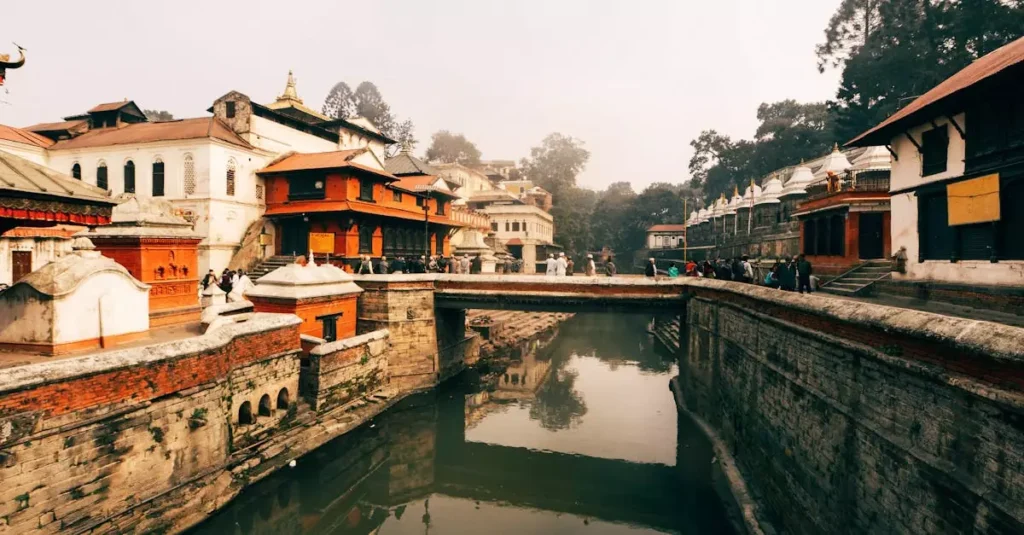
Introduction to Monsoon Travel in Nepal
Visiting Nepal during the monsoon brings a different flavor to the experience. While many travelers prefer the clear skies of spring and autumn, the kathmandu rainy season travel cost is much lower than during peak months. For budget-minded visitors, that drop in price makes seeing the capital more accessible and less crowded. The steady rains also strip dust from the streets, leaving parks, courtyards and rooftops a vivid green.
The monsoon usually runs from June through August in Kathmandu. Expect warm, humid days with frequent showers, though the rain often comes in brief bursts late in the afternoon or at night. That pattern leaves long stretches of the day suitable for wandering temples and markets. A quick look at the geography of Nepal will remind you why the Kathmandu Valley has so many different microclimates to plan around.
Below you’ll find practical numbers for a 2026 trip, covering hotel deals, meal prices and other likely expenses. Traveling off-season takes a bit more forethought, but it can stretch your budgetluxury hotels and extras often become affordable. The following sections explain how to balance costs while enjoying a rain-washed Kathmandu.
Understanding the Weather and Crowds
Rain alters the city’s atmosphere: the air feels cleaner and the usual haze lifts. Temperatures generally hover between 20 and 30 degrees Celsius, and the humidity can make walking more tiring than usual. A major perk, however, is the emptier heritage sites such as Swayambhunath and Boudhanath, where you can photograph the architecture without jostling crowds.
Many people avoid the monsoon because they assume it pours all day. In practice, clouds build toward afternoon and often produce a heavy shower that clears within an hour or two. That rhythm makes it easy to schedule indoor activitiesmuseums and markets are ideal during the wetter spell. The official Nepal Tourism Board website is a useful place for current weather updates and travel advisories.
With fewer tourists around, hotels and restaurants tend to offer more attentive service. Staff have time for conversation and tailored recommendations, and queues for tickets or tables are uncommon. The slower pace can make your stay feel more local, as if you are living in Kathmandu rather than rushing between landmarks.
Calculating Your Kathmandu Rainy Season Travel Cost
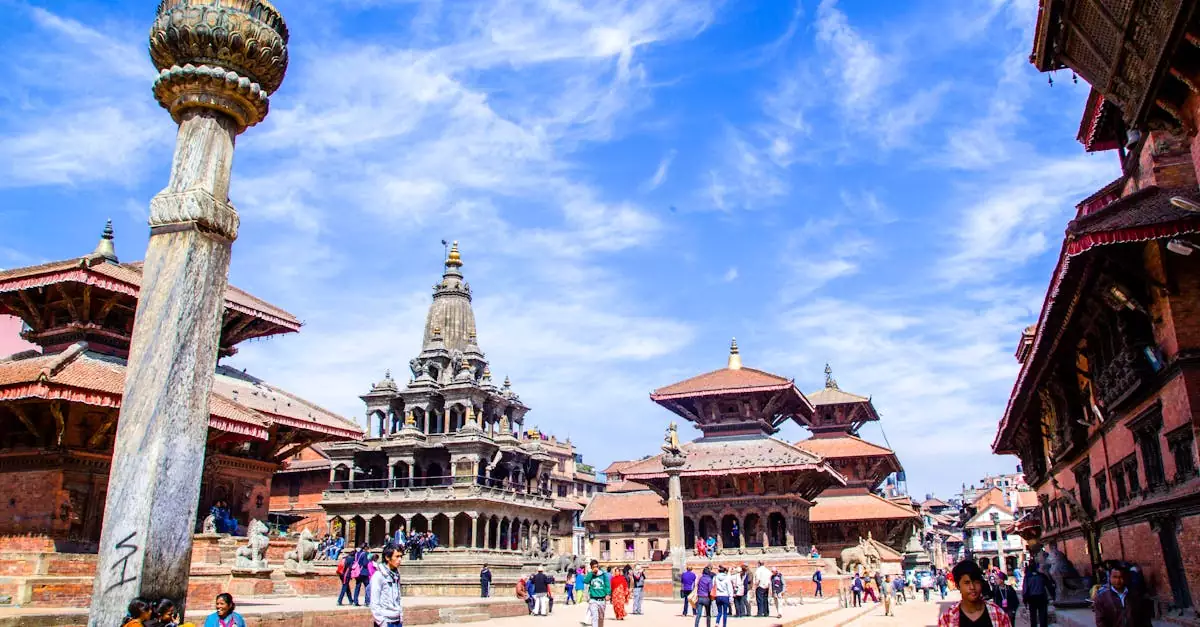
The biggest savings when considering kathmandu rainy season travel cost come from accommodation. In 2026 many higher-end hotels in Thamel and Lazimpat are offering discounts up to 50%. A room that might fetch $100 in October can drop to about $50 in July. Even budget guesthouses become very affordable, with some rooms priced near $10 a nightletting you stay longer or upgrade where it matters.
Food prices don’t swing as much with the seasons, though set menus and meal deals pop up more often during the off months. A simple meal at a local dhaba typically runs $3$6, while restaurants aimed at tourists usually charge $10$15 per person. Street snacks like momos or samosas are inexpensiveoften under $2 for a full plate. Bottled water and local tea remain cheap, but plan for extra hydration in the humid climate.
Getting around the city can stay budget-friendly. Ride-hailing apps such as Pathao and InDrive reduce the need to haggle with drivers during wet weather; short trips commonly cost $2$4. Local buses are the cheapest option at under $0.50, though they can be confusing at first. For most visitors, a daily budget of $30$50 provides a comfortable experience during the monsoon.
Budgeting for Kathmandu Off Season Travel
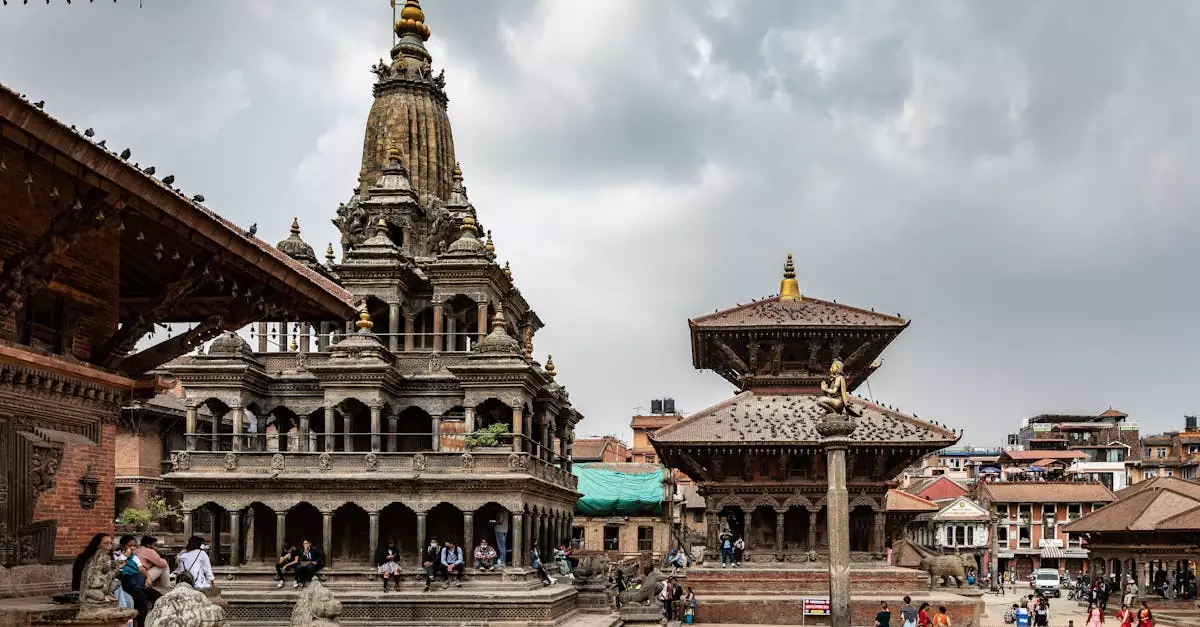
Stretching a kathmandu off season budget means hunting for value everywhere. Tour operators often lower prices for day trips to nearby towns like Bhaktapur and Patan; because demand is down, hiring a private car and guide can cost about the same as joining a group. Asking politely for a discount can shave $20$30 off a single excursion.
Shopping bargains are more common too, especially in Thamel where trekking gear and handicrafts line the streets. Sellers tend to be more flexible during the rains, so you can find good deals on pashminas, singing bowls and outdoor apparel. Keep an eye on quality thoughhumidity can affect certain fabricsso compare several shops before buying.
Internal travel out of Kathmandu affects your budget as well. Flights to places like Pokhara or Lukla may be delayed by weather, and while fares sometimes come down in the monsoon, travelers often choose buses to avoid cancellations. A tourist bus to Pokhara costs roughly $10$15, whereas a plane ticket can be $100 or more. That difference is worth factoring into any 2026 kathmandu off season budget.
Transportation and Navigating the Rain
Getting around in wet weather requires patience. Some streets turn muddy and puddles are frequent. Taxis are the simplest choice for door-to-door travel, though drivers may add a small surcharge in heavy rainagreeing on a fare or insisting on the meter helps avoid surprises. A lightweight rain jacket is often more practical than an umbrella in the narrow, crowded lanes.
Many sights are still easy to reach on foot, particularly the paved areas around the Durbar Squares. Those historic clusters lie close enough together to hop from temple to cafe without long walks. If a sudden downpour arrives, shops and cafe awnings provide quick shelter and a chance to watch daily life in the city.
For official Nepal Tourism information about transport, remember that road journeys beyond the valley can take longer during the monsoon. Landslides sometimes affect highways to places like Nagarkot and Dhulikhel. While short city trips are seldom disrupted, always check local news or ask hotel staff about road conditions before long drives. Flexibility will make your travel smoother.
Sightseeing and Activity Costs in 2026
Government-set entry fees for major heritage sites remain fairly consistent, even off-season. In 2026, expect to pay around $10 to enter Kathmandu Durbar Square, with Patan and Bhaktapur charging roughly $5$15 for foreign visitors. Those fixed prices feel more worthwhile when you have space and quiet to explore the carvings and courtyards at your own pace.
Museums are reliable options on rainy days. The Patan Museum showcases Newari art and architecture and is mostly indoors, while the National Museum near Swayambhunath offers a broad look at Nepals past. These cultural stops are affordable additions to a modest kathmandu off season budget, and they help deepen understanding of the regions tourism history: history of tourism in Nepal.
Rain can enhance spiritual outings too. Temples and monasteries take on a quieter, more reflective mood when the courtyard stones are damp and incense mixes with the smell of rain. Many monasteries run free meditation sessions or ask only for small donations. These low-cost experiences often leave a stronger impression than crowded trekking trails.
Comparison of Travel Costs: Peak vs. Rainy Season
Below is a rough daily cost comparison for a mid-range traveler in Kathmandu in 2026; individual choices will influence actual spending. Accommodation and tour discounts create the largest gaps between seasons.
| Expense Category | Peak Season (Oct-Nov) | Rainy Season (June-Aug) | |
|---|---|---|---|
| Mid-range Hotel | $80 – $120 | $45 – $70 | Save on luxury |
| Daily Meals | $25 – $40 | $20 – $35 | Slightly lower |
| Local Transport | $10 – $15 | $12 – $18 | Higher taxi demand |
| Entry Fees | $15 – $20 | $15 – $20 | Fixed costs |
| Total Daily Avg | $130 – $195 | $92 – $143 | ~30% cheaper |
The numbers show that the kathmandu rainy season travel cost is noticeably lower overall. Even if transport expenses tick up slightly because of taxis during rain, the hotel savings more than compensate. With the same budget you might stretch a ten-day peak-season trip into two weeks during the monsoon.
Pros and Cons of Visiting During the Rains
Every season brings trade-offs. The monsoon isnt ideal for everyone, yet it offers benefits that some travelers find irresistible. Below are the main advantages and drawbacks to keep in mind.
- Pro: Lower Costs – You can save a lot of money on hotels and flights.
- Pro: Fewer Tourists – The city feels more authentic and less like a tourist trap.
- Pro: Greenery – The valley is incredibly lush and the gardens are in full bloom.
- Pro: Clean Air – The rain washes away the dust and pollution of the city.
- Con: Humidity – It can be very sweaty and uncomfortable for some people.
- Con: Flight Delays – Clouds and rain often lead to cancelled or late domestic flights.
- Con: Muddy Streets – Walking can be difficult in certain parts of the city.
- Con: Leeches – If you go hiking in the hills around the city, leeches are common.
For travelers who stay flexible and dont mind a little wet weather, the positives usually outweigh the negatives. Do note that the clouds often obscure mountain vistas, so if your main goal is a clear view of Everest, the monsoon may be disappointing. If culture, food and local life are your priorities, however, the season can be exceptionally rewarding.
Practical Tips for Your Monsoon Trip
Packing the right gear makes a big difference for managing your kathmandu rainy season travel cost effectively. Choose a breathable, quality raincoat rather than a thin plastic poncho, and bring waterproof shoes with strong tractionthe temple steps get slippery when wet. A small waterproof pouch for electronics and cameras will protect valuables during sudden downpours.
Health precautions are sensible during the monsoon. Stick to bottled or filtered water, avoid drinks with ice, and be wary of food thats been sitting out. Eating where food is cooked fresh and busy kitchens are a safer option. Mosquito repellent is worthwhile, since damp conditions can increase insect activity in some neighborhoods.
- Book on the go: Since hotels have spare capacity, you can often reserve your next night a day ahead for more flexibility.
- Use ride-sharing: Download Pathao before you arrive; it simplifies transport and helps avoid overpaying.
- Morning activities: Schedule outdoor sightseeing earlyconditions are often clearest then.
- Check the news: Monitor local weather reports if you plan trips outside Kathmandu to avoid blocked roads or delays.
Frequently Asked Questions
Is it safe to travel to Kathmandu during the rainy season?
Yestravel in Kathmandu during the monsoon is generally safe. The main hazards are slick surfaces and occasional disruptions to flights. Staying hydrated and choosing reputable eateries will minimize most health risks, leaving you free to enjoy the city.
How much can I save on hotels during the monsoon?
Hotel rates commonly drop by 30% to 50% compared with peak season. Many upscale properties offer monsoon specials that bundle meals or spa visits, so you can enjoy higher-end services for far less.
Are the mountains visible during the rainy season?
Mountain views are much less reliable because clouds and humidity obscure the peaks. Occasionally, skies clear briefly after heavy rain and reveal dramatic vistas, but such windows are unpredictable and not guaranteed.
What should I pack for the Kathmandu rainy season?
Bring lightweight, quick-drying clothing and a dependable waterproof jacket. Shoes with good traction are essential, and a spare power bank is recommended in case of storm-related power outages.
Are restaurants and shops open during the rain?
Yesmost businesses remain open throughout the monsoon. Cafes and indoor venues can be particularly welcoming when the rain starts, offering cozy places to wait out a shower.
Conclusion: Is the Rainy Season Worth It?
The kathmandu rainy season travel cost makes monsoon travel one of the most budget-friendly ways to experience Nepals capital. Although humidity and occasional downpours are part of the experience, the financial benefits and quieter streets are compelling. Savings on accommodation alone can add up to hundreds of dollars over a two-week stay, often allowing upgrades that would be unaffordable during busier months.
For those who prioritize culture, local interaction and relaxed exploration over guaranteed mountain views, the monsoon is a rewarding choice. The city feels more intimate, tea tastes better while rain taps on the windows, and gardens are at their most vibrant. With sensible packing, flexible plans and the tips above, a 2026 visit to Kathmandu during the rains can be affordable, comfortable and memorableso bring a good raincoat and enjoy the valley at its greenest.