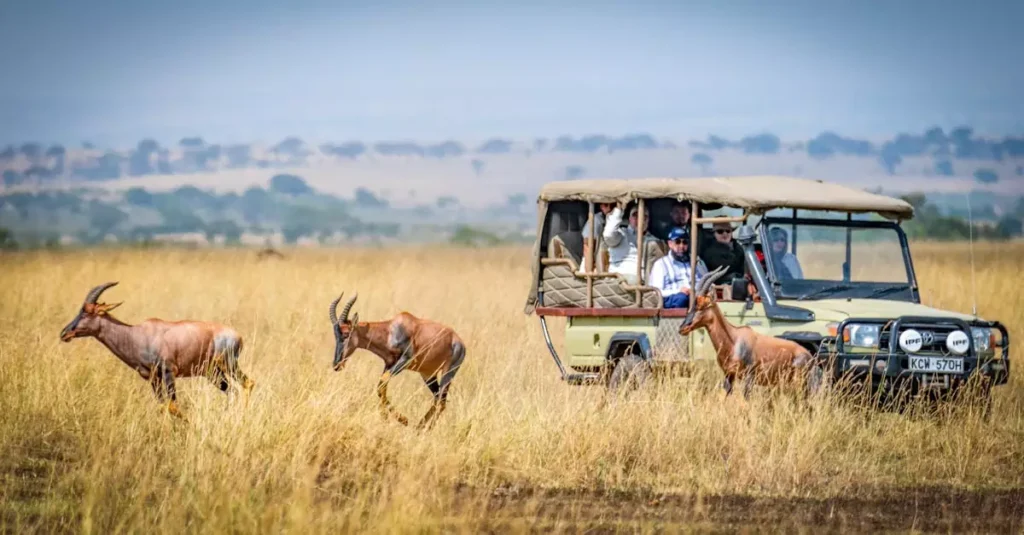
A safari through Kenya’s Masai Mara ranks among the most sought-after travel experiences in the world. The sheer abundance of wildlife and sweeping vistas make it unforgettable. Yet beyond the thrill of spotting the Big Five, there’s a practical side to consider: staying connected. Understanding what you’ll pay for a masai mara safari sim card price helps you plan your budget without surprises.
A local SIM card transforms your safari experience in meaningful ways. You can instantly share those stunning photos with friends and family. Navigation becomes seamless, and reaching your guide or lodge in an emergency is straightforward. Before you arrive, it pays to know what Kenyan SIM cards actually cost and what options exist. This knowledge takes the guesswork out of your trip planning.
Your safari deserves seamless connectivity, and this resource covers everything you need to know about getting set up. From comparing different providers to understanding data plans and picking up practical tips, you’ll find it all here. The goal is simple: help you make smart choices so you can enjoy uninterrupted connectivity while exploring one of Africa’s most spectacular destinations.
Why a Local SIM Card is Essential for Your Masai Mara Safari
Connectivity during your Masai Mara adventure means far more than posting updates to social media. A local SIM card serves real, practical purposes that enhance both safety and enjoyment. Picture yourself needing to contact your guide or lodge urgentlya working phone becomes invaluable in remote areas. Lodge Wi-Fi, while available, often proves unreliable or limited to common areas only. Your own SIM card ensures you can reach out whenever necessary.
Mapping apps become your personal navigation tool when you have active data. Even if your guide knows the terrain intimately, having the ability to track your route or locate wildlife hotspots adds another dimension to your adventure. Staying in touch with family and friends back home costs significantly less with a local number than it would through international roaming. Those charges accumulate fast. A local SIM card slashes expenses dramatically while letting you share your safari moments in real time. It’s the difference between being isolated and being connected on your own terms.
While many lodges and camps do provide Wi-Fi, the reality often disappoints. Bandwidth gets stretched thin, speeds lag, and access may only work in the main lodge building. A personal SIM gives you independenceyou can connect from your tent, your vehicle, anywhere within network range. This flexibility proves invaluable for handling bookings, checking emails, or diving into wildlife research during downtime. The investment in a local SIM is modest compared to the peace of mind and freedom it provides.
Understanding the Masai Mara Safari SIM Card Price Landscape
The masai mara safari sim card price sits comfortably within reach for most travelers, especially when stacked against what international roaming would cost. Your total expense breaks down into two parts: the SIM card itself, plus whatever data and calling bundles you choose. Kenya’s telecom market features three major playersSafaricom, Airtel, and Telkomeach competing for tourist business with different offerings.
A fresh SIM card typically runs between KES 50 and KES 200 (roughly $0.50 to $2 USD) as a one-time purchase. The real spending happens when you load data bundles. A 5GB package valid for 30 days might cost KES 1000 to KES 1500 (around $10 to $15 USD). Shorter trips work with smaller bundlesperhaps 1GB for seven days at KES 300 to KES 500. Prices shift occasionally, so checking current rates upon arrival makes sense. Competition keeps pricing reasonable, and even generous data plans remain affordable. This makes a local SIM an intelligent choice that delivers excellent value while keeping you connected across the vast Masai Mara landscape.
Major Mobile Network Providers in Kenya
Three dominant providers shape Kenya’s mobile landscape: Safaricom, Airtel, and Telkom. Each brings distinct strengths to the table. Safaricom commands the largest market share and extends the most comprehensive coverage, particularly in rural zones and protected areas like the Masai Mara. Their M-Pesa mobile money platform is everywhere, making payments and credit top-ups effortless. Safaricom’s data reliability is generally solid, though prices sometimes run slightly higher than competitors.
Airtel Kenya holds the second position and delivers competitive data packages with respectable coverage across major towns and primary routes. While it may not reach quite as far into the Mara’s remote corners as Safaricom, it remains a strong contender for most travelers. Airtel frequently runs attractive tourist-focused bundles that offer genuine value. Network stability is dependable, and speeds handle browsing and streaming adequately. Many visitors find Airtel strikes the right balance between cost and performance.
Telkom Kenya rounds out the trio as the smallest player, emphasizing affordability above all else. Its data bundles are genuinely budget-friendly, though coverage concentrates mainly in urban centers. Deep safari territory may prove problematic. If your itinerary keeps you near towns or well-traveled routes, Telkom could save you money. Still, for most Masai Mara visitors, Safaricom or Airtel represent the safer choice for dependable service throughout your stay.
How to Get Your Kenya Tourist SIM Card for Safari
Acquiring a kenya tourist sim card safari cost guide proves straightforward and quick. Jomo Kenyatta International Airport (JKIA) in Nairobi offers the most convenient option, with official kiosks for Safaricom, Airtel, and Telkom positioned right in the arrivals hall. These desks operate during flight arrival times, and staff stand ready to help you select an appropriate plan and activate your card immediately. This ensures you have connectivity from the moment you leave the airport.
If airport kiosks slip your mind, you’ll find SIM cards available throughout Kenya’s major towns at official brand shops and authorized retailers, many located in shopping centers and along main thoroughfares. Your passport becomes essential for the registration processKenyan law mandates that every SIM card be registered to an individual. Registration takes just minutes. Before traveling, verify that your phone is unlocked; locked devices won’t accept a new SIM card.
Once you have your SIM in hand, staff typically handle activation and load your selected data bundle. Later top-ups happen through scratch cards sold at shops, supermarkets, and via mobile money services like M-Pesa. Purchasing sufficient data for your entire trip eliminates the hassle of finding vendors in remote areas. Always request a receipt and confirm your balance after activation to ensure everything processed correctly.
Comparing Data Plans and Masai Mara Safari SIM Card Price Options
Selecting the right data plan requires balancing your actual needs against the masai mara safari sim card price. Each provider offers multiple bundles designed for different user types. Your trip length and expected data consumption should guide your choice. A short three to five-day safari might need only a modest short-term bundle, while longer stays or heavy usage demands more generous allowances.
Tourist bundles typically bundle data with talk time and SMS. Data usually matters most for travelers. Safaricom’s “Tunukiwa” bundle might offer 5GB data, 100 minutes, and 100 SMS for KES 1000 across 30 days. Airtel counters with “Daily Data” or “Weekly Data” plans that sometimes deliver more data at slightly lower cost, though with shorter validity periods. Telkom focuses on massive data allocations at competitive rates, with the trade-off of potentially weaker coverage. Calculating the per-gigabyte cost across different plans reveals which offers the best bang for your money. Look for special tourist packages advertised at airports or official stores. Don’t hesitate to ask questionsstaff at the kiosks genuinely enjoy helping travelers find the perfect fit.
Comparison Table: Popular SIM Card Data Plans (Illustrative Prices)
| Provider | Plan Name | Data (GB) | Validity (Days) | Price (KES) | Approx. USD | Notes |
|---|---|---|---|---|---|---|
| Safaricom | Tourist Bundle 1 | 5 GB | 7 | 800 | $8 | Good coverage, reliable speed |
| Safaricom | Tourist Bundle 2 | 10 GB | 30 | 1800 | $18 | Best for longer stays |
| Airtel | Data Max Weekly | 7 GB | 7 | 700 | $7 | Competitive pricing, decent coverage |
| Airtel | Data Max Monthly | 15 GB | 30 | 1700 | $17 | High data volume for value |
| Telkom | Data Saver | 8 GB | 7 | 600 | $6 | Most affordable, check coverage |
| Telkom | Mega Data | 20 GB | 30 | 1900 | $19 | Best for heavy users, limited coverage |
Pros and Cons of Using a Local SIM Card vs. Roaming
The choice between a local SIM and international roaming involves weighing multiple factors. Each path carries its own advantages and drawbacks. Your travel style and financial priorities will ultimately determine which makes more sense. Think carefully about what connectivity means for your specific safari experience.
Pros of a Local SIM Card:
- Cost-Effective: Local rates for data and calls dramatically undercut international roaming charges. Your wallet will thank you.
- Better Data Speeds: Local networks typically deliver faster, more consistent data. Roaming often comes with throttled speeds.
- Local Number: A Kenyan number makes contacting guides, lodges, and tour operators straightforward. They can reach you just as easily.
- Access to Mobile Money: Services like M-Pesa (Safaricom) function throughout Kenya. A local SIM unlocks this payment convenience.
- Ease of Top-Up: Recharging credit happens everywhereshops, supermarkets, street vendors. You’re never far from a top-up option.
Cons of a Local SIM Card:
- Requires Unlocked Phone: Your device must be unlocked to accept a new SIM. Check this before departure.
- Registration Process: Passport registration takes a few minutes at purchase time.
- Temporary Number: You’ll operate under a different phone number during your trip. Some contacts might find this inconvenient.
- Potential for Setup Issues: Activation occasionally encounters hiccups, though staff typically resolve them quickly.
Pros of International Roaming:
- Convenience: No SIM swapping or registration needed. Your phone works instantly upon landing.
- Retain Your Number: Your original number stays active for personal and professional contacts.
- Simplicity: Zero research required on local plans or providers. It just works.
Cons of International Roaming:
- Very Expensive: Roaming charges for data, calls, and texts are notoriously steep. Costs spiral quickly.
- Limited Data: You typically get minimal data for premium prices. Overage happens fast.
- Slower Speeds: Roaming data often gets throttled or becomes inconsistent.
- Bill Shock: Many travelers face unexpectedly high bills after returning home. It’s a common complaint.
The verdict becomes clear: a local SIM card almost always proves more practical and economical for safari travelers. It delivers superior connectivity while avoiding bill shock entirely. For broader expense management strategies, our travel budget guide offers additional insights.
Practical Tips for Using Your SIM Card in Masai Mara
Getting the most from your SIM card in the Masai Mara requires a few smart moves. The landscape stretches vast, and while network coverage surprises many visitors with its reach, dead zones still exist. Managing your data wisely and keeping realistic expectations ensures smooth sailing. These strategies will keep you connected throughout your adventure.
- Check Coverage Maps: Before committing, ask your provider about coverage in the specific Masai Mara regions you’ll visit. Safaricom typically offers the broadest footprint.
- Download Offline Maps: Networks can be unreliable even with a SIM. Save Google Maps or similar apps for offline navigation. This serves as your safety net.
- Monitor Data Usage: Track your consumption regularly. Most providers offer USSD codes (*100# or *141# for Safaricom) to check remaining balance.
- Top Up in Advance: Before heading to remote camps, reload your credit. Shops disappear once you venture deep into the Mara.
- Conserve Battery: Mobile data drains batteries quickly. Carry a power bank or solar charger. Charging options become scarce on safari.
- Use Wi-Fi When Available: Connect to lodge networks for large downloads or updates. Reserve your mobile data for when you truly need it.
- Airplane Mode: Turn it on in areas with no signal. Constant searching for networks kills your battery faster.
- Local Contacts: Save your guide’s and lodge’s numbers. These become crucial for coordination and emergencies.
Following these tips creates a smooth, connected experience that lets you concentrate on the incredible wildlife and landscapes. Remember, connectivity enhances your tripit doesn’t replace the experience itself. For additional planning guidance, explore our article on the best time to visit Kenya.
Frequently Asked Questions About SIM Cards in Masai Mara
Can I buy a SIM card at Nairobi airport?
Absolutely. Jomo Kenyatta International Airport (JKIA) has dedicated kiosks for major providers like Safaricom and Airtel positioned in the arrivals hall. They’re staffed to help arriving passengers get set up immediately.
What documents do I need to buy a Kenyan SIM card?
Your passport is essential. Kenyan regulations require all SIM cards to be registered to an individual. The registration happens right at the point of purchase and takes just minutes.
Which network provider has the best coverage in Masai Mara?
Safaricom delivers the most extensive coverage throughout the Masai Mara. Airtel ranks as a solid second choice. Telkom’s reach may fall short in very remote park areas.
How much data do I need for a week-long safari?
Five to ten gigabytes should handle most travelers comfortably for a week. This allows for browsing, social media, and occasional video calls. Heavy streamers should consider larger bundles.
Can I use my existing phone with a Kenyan SIM card?
Yes, provided your phone is unlocked. An unlocked phone isn’t tied to any specific network provider. Most modern phones come unlocked already, but verify before you travel.
Conclusion: Stay Connected on Your Unforgettable Safari
Getting a SIM card for your Kenya safari, particularly in the Masai Mara, turns out to be simpler than you might expect. Armed with knowledge about masai mara safari sim card price, the different network providers, and the acquisition process, you’re set up for success. A local SIM card remains the most economical and dependable way to maintain connectivity. It strengthens your safety, adds convenience, and enables you to document and share your journey.
Whether you opt for Safaricom’s extensive reach or Airtel’s competitive rates, you’ll find a plan matching your requirements. Purchase your SIM at the airport or an official retailer, bring your passport for quick registration, and follow the practical tips outlined above. Managing your data becomes straightforward, and consistent connectivity throughout your adventure is assured.
Don’t let connectivity concerns overshadow the magic of the Masai Mara. With a local SIM card, you can immerse yourself in the spectacular wildlife, dramatic landscapes, and vibrant culture of Kenya. Stay in touch with those back home, navigate with confidence, and capture every breathtaking moment. Your safari awaitsfully connected and ready to unfold.