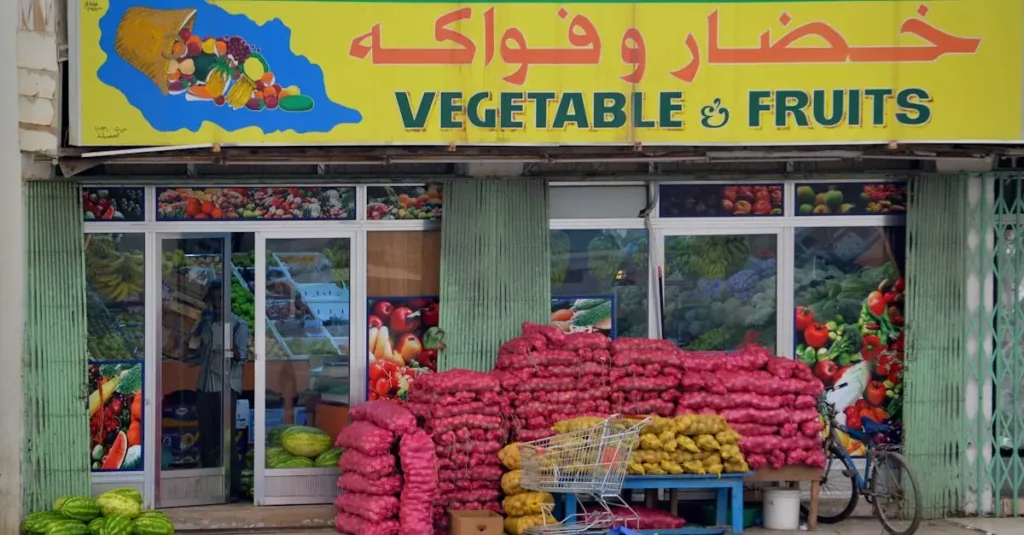
When planning a visit to Muscat, Oman, budgeting is a crucial part of the process. One of the main expenses you’ll encounter is food, making it essential to understand the oman grocery cost per day. This insight helps you navigate daily spending with confidence.
Familiarity with local supermarkets and markets can lead to significant savings. By looking at typical prices for everyday products, you can better prepare financially for your stay. Whether your trip is brief or you’re settling in longer, keeping grocery costs in check is vital.
This piece breaks down typical expenses, highlights shopping options, and shares practical advice. It offers a clear view of what grocery shopping in Muscat entails, helping you avoid unexpected costs while enjoying the local culture. Heres a detailed look at daily food expenses.
Understanding Oman Grocery Cost Per Day in Muscat
The daily grocery expenses in Oman vary widely depending on several factors. Your personal shopping style greatly influences the budget, as does the type of stores you frequent. Muscat provides a variety of shopping venues to choose from.
From sprawling modern supermarkets to traditional souks and smaller neighborhood shops, each offers different pricing structures. Imported products often come with higher price tags, whereas locally sourced fruits, vegetables, and staples tend to be more economical. Single individuals generally spend less than families. Preparing meals at home is almost always more cost-effective than dining out, a topic well explore further.
Prices can also shift with the seasons, especially for fresh produce. Being mindful of these changes helps savvy shoppers save money. For one person cooking at home, a daily grocery budget usually falls between OMR 3 and OMR 7, depending on dietary needs and shopping locations. Naturally, families will face larger expenses. This guide aims to offer practical estimates for different lifestyles.
Major Supermarkets and Their Offerings
Muscat is home to several large supermarket chains favored for everyday shopping, where you can find a broad selection of products. These stores carry both local and international brands, making them central to understanding the oman supermarket price guide.
Lulu Hypermarket stands out as one of the largest, offering not just groceries but also electronics and household goods. Carrefour, a well-known global chain, delivers an extensive range of fresh produce, meats, and pantry basics. The Sultan Center caters to a more upscale crowd, often stocking a wider variety of imported items. These supermarkets typically feature competitive pricing and frequent sales.
Shopping in these hypermarkets is straightforward, with ample parking and convenient access. Most accept credit and debit cards, making transactions hassle-free. Comparing prices among these stores can help you save money, especially by watching for weekly promotions. This approach is effective for managing your overall grocery spending.

Typical Grocery Basket: What to Expect
To better grasp the oman grocery cost per day, consider the cost of a typical grocery basket in Muscat. Well focus on common items that form the base of many diets. Keep in mind that prices vary slightly depending on the store and brand.
Basic staples like rice and bread are generally quite affordable. For example, a 5kg bag of basmati rice can range from OMR 3.000 to OMR 5.000. Local Arabic bread usually costs between OMR 0.100 and OMR 0.200 per loaf. A liter of fresh milk is priced around OMR 0.600 to OMR 0.800, while a dozen eggs typically falls between OMR 0.900 and OMR 1.200. These essentials are part of many households regular shopping lists.
Chicken is a favored protein source, with a whole fresh chicken (about 1kg) costing between OMR 1.500 and OMR 2.500. Beef and lamb are more expensive, particularly imported cuts. Local fish like kingfish or tuna offers good value, though prices depend on availability. Fruits and vegetables fluctuate seasonally; for instance, local tomatoes may cost OMR 0.500 per kg, while imported apples can range from OMR 1.000 to OMR 1.500 per kg. Keeping these prices in mind is key to managing daily food expenses.

Comparison Table: Grocery Prices Across Categories
Below is a quick reference table showing approximate grocery prices in Muscat, offering a handy oman supermarket price guide. All prices are in Omani Rials (OMR) and reflect typical items stocked by major supermarkets.
| Item | Unit | Estimated Price (OMR) | Notes |
|---|---|---|---|
| White Rice (Basmati) | 5 kg | 3.000 – 5.000 | Varies by brand and quality |
| Local Bread (Arabic) | Loaf | 0.100 – 0.200 | Freshly baked, widely available |
| Milk (Fresh) | 1 liter | 0.600 – 0.800 | Local brands often cheaper |
| Eggs | 1 dozen | 0.900 – 1.200 | Local vs. imported options |
| Chicken (Whole, Fresh) | 1 kg | 1.500 – 2.500 | Local chicken is popular |
| Minced Beef | 500g | 2.000 – 3.500 | Imported beef is common |
| Tomatoes | 1 kg | 0.500 – 1.000 | Seasonal fluctuations |
| Potatoes | 1 kg | 0.300 – 0.600 | Staple vegetable |
| Apples | 1 kg | 1.000 – 1.500 | Mostly imported |
| Bottled Water | 6 x 1.5L pack | 1.000 – 1.500 | Essential in the climate |
| Coffee (Instant) | 100g jar | 1.500 – 2.500 | Popular brands available |
| Sugar | 1 kg | 0.400 – 0.600 | Basic pantry item |
This price overview offers a solid foundation to estimate your oman grocery cost per day. Keep in mind that prices can shift, especially during promotions, so its wise to check current rates once you arrive.
Local Souks vs. Modern Supermarkets: Pros and Cons
Your choice of shopping location can influence both your budget and overall experience. Muscats traditional souks and contemporary supermarkets each bring something different to the table.
Pros of Local Souks:
- **Freshness:** Many products come directly from nearby farms, often harvested recently.
- **Cost:** Souks can offer better prices on local fruits, vegetables, and fish, with bargaining sometimes possible.
- **Cultural Experience:** Shopping here immerses you in local life and customs.
- **Unique Items:** Youll find traditional spices, dates, and Omani sweets not easily found elsewhere.
Cons of Local Souks:
- **Limited Range:** These markets may lack packaged goods and a full range of products.
- **Access Issues:** Opening times can be inconsistent, and parking may be scarce.
- **Hygiene:** Standards can vary and might not match those of modern supermarkets.
- **Payment:** Cash is usually the only accepted method.
Pros of Modern Supermarkets:
- **Convenience:** Everything you need is available under one roof, with predictable hours.
- **Wide Selection:** From fresh produce to household items and international brands, choices abound.
- **Hygiene Standards:** These stores adhere to strict food safety regulations.
- **Payment Options:** Credit and debit cards are widely accepted.
- **Promotions:** Frequent sales and loyalty rewards help stretch your budget.
Cons of Modern Supermarkets:
- **Higher Prices:** Imported items often come with a premium cost, and some local goods may be marked up.
- **Less Authentic:** The shopping atmosphere can feel generic and less connected to local culture.
- **Environmental Concerns:** More packaging and less emphasis on local sourcing contribute to waste.
For many, blending the two approaches works best. Buying fresh produce at souks and sourcing packaged or imported products from supermarkets strikes a balance between cost, convenience, and cultural engagement.
Smart Shopping Strategies for Saving Money
Keeping your oman grocery cost per day under control is easier with a few practical habits. A little foresight can help you make the most of your budget while living or traveling in Muscat.
- **Buy Local and Seasonal:** Sticking to Omani-grown fruits and vegetables typically offers better prices and freshness. Seasonal items are especially cost-effective.
- **Shop Around:** Dont limit yourself to one store. Weekly flyers and price checks at Lulu, Carrefour, and Sultan Center can reveal valuable deals.
- **Purchase Staples in Bulk:** Items like rice, sugar, and cooking oil often come cheaper when bought in larger quantities, ideal for longer stays.
- **Cook at Home:** Preparing meals yourself avoids the higher costs of eating out, even at modest restaurants.
- **Plan Ahead:** Having a meal plan reduces impulse buys and ensures you purchase only what you need.
- **Look for Discounts:** Keep an eye out for sales, such as buy-one-get-one-free offers or percentage-off promotions.
- **Use Loyalty Cards:** If staying long-term, store loyalty programs can unlock special savings.
- **Limit Imported Items:** Specialty and imported goods usually cost more, so opting for local options can lower expenses.
- **Visit Local Markets:** For fresh produce, fish, and spices, souks can offer better bargains, with the added chance to negotiate prices.
Following these tips can significantly reduce your daily grocery expenses, freeing up funds for other experiences. For broader advice on managing travel expenses, see our travel budget guide.
How Your Lifestyle Affects Your Oman Grocery Cost Per Day
Personal habits and family size greatly influence the oman grocery cost per day. Your diet, frequency of cooking, and number of household members all factor into the final amount.
A single person who mostly cooks at home might spend between OMR 3 and OMR 5 daily on groceries, covering staples, fresh produce, and basic proteins. However, if ready-made meals or snacks are frequently purchased, costs rise accordingly. Eating out regularly can push daily food spending well into the OMR 15 to 30 range or higher.
Families naturally face larger grocery bills. For example, a household of four preparing meals at home might spend from OMR 10 to OMR 20 each day, reflecting the need for greater quantities and variety. Dietary choices also matter; vegetarian diets often cost less than those rich in imported meats. Organic and specialty foods come with higher price tags, and products catering to specific dietary needs, like gluten-free items, are typically premium priced. Opting for local products helps keep costs manageable.
FAQs About Grocery Shopping in Oman
Here are answers to some common questions about grocery shopping in Muscat, Oman.
Is it cheaper to eat out or cook at home in Muscat?
Generally, cooking at home is far more affordable. Preparing a simple meal yourself might cost between OMR 1 and OMR 3 per person, while dining out often starts at OMR 4 to OMR 7 per meal.
Are imported goods expensive in Oman?
Imported products, especially specialty items or brands not common in the region, tend to carry higher prices. Locally produced goods usually offer better value.
Can I find organic produce easily?
Organic fruits and vegetables are available at larger supermarkets like Sultan Center and Carrefour, though the selection is limited and prices are considerably higher than for conventional produce.
What are common payment methods in Omani supermarkets?
Major supermarket chains accept cash, credit cards (Visa, Mastercard), and debit cards. Smaller shops and souks often prefer cash payments exclusively.
How does Oman’s grocery cost compare to other GCC countries?
Omans grocery prices are generally in line with or slightly less than those in neighboring GCC nations such as the UAE and Qatar, especially when it comes to local produce and staple foods.
Conclusion: Budgeting for Your Omani Culinary Journey
Having a clear understanding of the oman grocery cost per day is invaluable for anyone visiting or living in Muscat. The city offers a diverse shopping landscape, from colorful traditional souks to large, modern hypermarkets. Your food expenses will hinge largely on your shopping preferences and eating habits.
Focusing on local produce, preparing meals at home, and taking advantage of supermarket deals can help keep your food budget in check. Combining the charm and bargains of souks with the convenience of supermarkets often leads to the best overall value. This overview provides a dependable starting point for estimating grocery costs.
With thoughtful planning, enjoying Omans culinary richness can be both affordable and satisfying. Youll have the chance to savor authentic flavors without overspending. For advice on the ideal time to visit Oman, check out our guide on the best time to visit. To dive deeper into the countrys history and culture, visit Wikipedia.