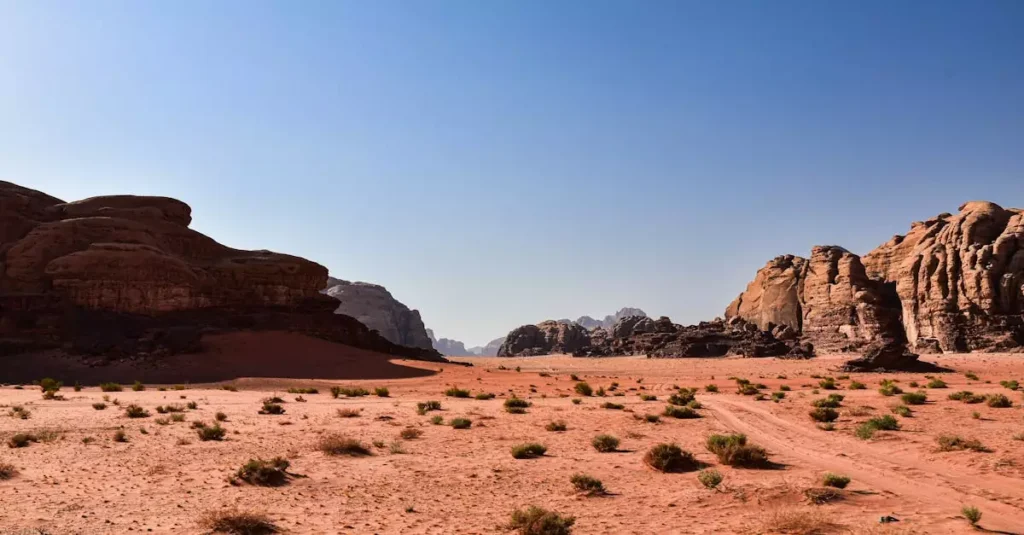
Wadi Rum, frequently referred to as the Valley of the Moon, presents a stunning desert scene in southern Jordan. Its expansive, quiet stretches and soaring sandstone peaks form a landscape that feels almost surreal. Recognized as a UNESCO World Heritage site, Wadi Rum blends spectacular natural scenery with the deep-rooted traditions of the Bedouin people. Many travelers long to wander through its winding canyons, marvel at natural arches, and explore ancient rock art.
Planning a visit to this legendary location calls for thoughtful preparation. To truly savor its enchantment, choosing the right time is essential. Seasonal changes greatly affect both comfort and the range of activities available. Weather conditions play a pivotal role in shaping your daily experience throughout the desert.
Here, youll find detailed information on the wadi rum best time to visit cost, breaking down each season with insights on climate, activities, and typical expenses. This comprehensive wadi rum seasonal travel guide is designed to assist you in crafting a memorable adventure across Jordans breathtaking desert expanse.
Unveiling Wadi Rum: A Desert Masterpiece
Wadi Rum is far more than just a sea of sand. Its a striking terrain sculpted over thousands of years by natural forces. The vivid red dunes blend seamlessly with towering cliffs, offering breathtaking views at every glance. This protected region is inhabited by Bedouin tribes who have upheld their traditional lifestyle for centuries. Travelers can deeply engage with their culture by enjoying authentic meals, hearing captivating tales, and sleeping beneath a vast star-filled sky.
The desert invites a variety of adventures. Jeep safaris transport visitors into hidden parts of the wilderness, while camel rides, rock climbing, and hiking reveal different facets of the landscape. Ancient petroglyphs and inscriptions add a rich historical dimension to the visit. The immense quiet and openness of Wadi Rum create a profound sense of tranquility, where the pace of life seems to slow. Each sunrise and sunset transforms the sky into a canvas of vibrant colors, imprinting unforgettable moments on those who come here.
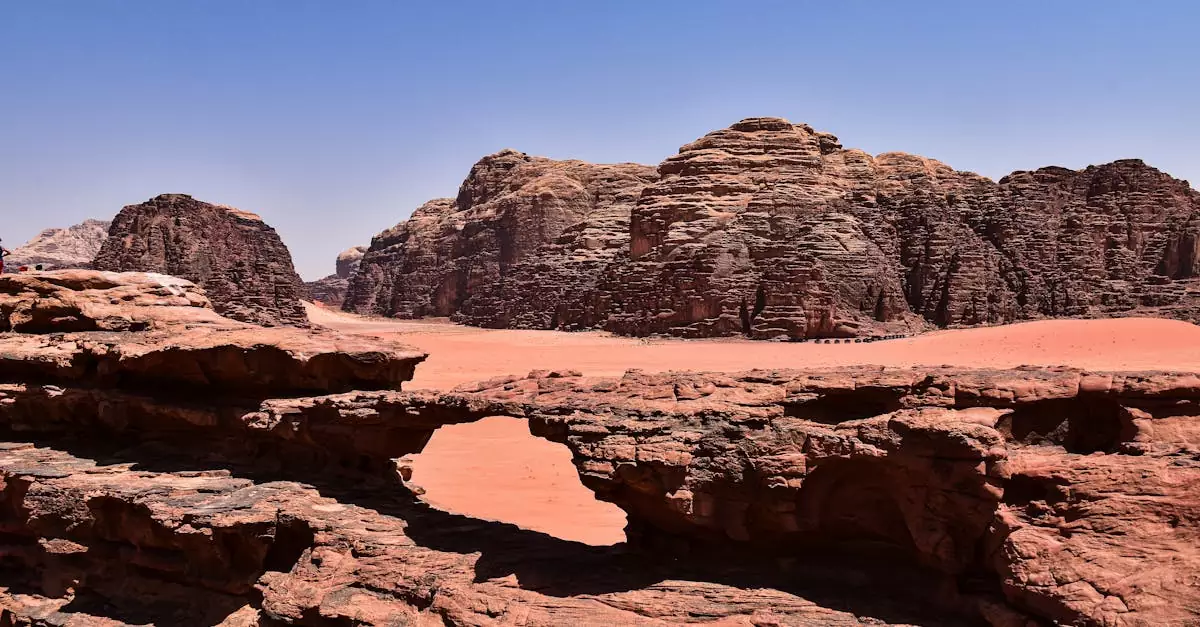
The geological features of Wadi Rum are truly remarkable. Massive sandstone and granite formations rise sharply from the desert floor, molded by relentless wind and erosion into extraordinary shapessome resembling faces or animals. Despite the seemingly harsh environment, the area supports a diverse range of desert flora and fauna. Wadi Rum stands as a living, thriving ecosystem and an impressive natural wonder.
Wadi Rum Best Time to Visit Cost: Seasonal Insights
Your choice of when to explore Wadi Rum has a major impact on your overall experience. The desert experiences hot summers and cooler winters, with each season offering unique benefits and drawbacks. The best time depends on what you want to do and how much you want to spend. Grasping these seasonal changes helps you plan wisely.
The busiest times coincide with the most agreeable weather, which also drives up prices for accommodations and tours. Off-peak periods offer more affordable options but come with more extreme temperatures. Breaking down each season allows you to weigh these trade-offs. Think about whether you prefer temperate conditions for outdoor activities or a trip that wont strain your budget.
Your travel expenses hinge on multiple elements, including how long you stay and the type of lodging you select. The activities you choose also affect costs. Generally, a night in a traditional Bedouin camp ranges from 30 to 100 Jordanian Dinars (JOD) per person, typically including dinner, breakfast, and a jeep tour. Luxury camps can surpass 200 JOD per night. Well delve into specific seasonal price details to help you estimate your budget for Wadi Rum.
Spring in Wadi Rum (March-May): Ideal Weather, Higher Prices
Spring is often hailed as the prime season to visit Wadi Rum. The temperatures strike a comfortable balance, making it easier to enjoy outdoor pursuits. Daytime highs typically range between 20C and 30C (68F-86F), while evenings cool to around 10C-15C (50F-59F). Clear skies dominate, perfect for stargazing. This time of year is great for hiking, rock climbing, and extended jeep excursions.
Because the climate is so agreeable, spring attracts many visitors. This popularity reflects in the higher costs for tours, campsites, and guides, so booking well ahead is advisable. Camps tend to fill quickly during these months. Despite the premium prices, the experience is often more than worth it. Visitors can enjoy the deserts offerings without battling harsh heat or cold. Occasionally, sparse spring blossoms appear following winter rains, adding a splash of color to the landscape.
Hot air balloon rides see a surge in popularity during spring due to stable weather patterns that allow breathtaking aerial views. A typical overnight package including a jeep tour falls between 60-120 JOD per person, meals included. Luxury camp options start around 250 JOD. Transport from Amman or Aqaba adds to your budget, with shared taxis from Aqaba costing about 5-10 JOD per person, and private taxis around 25-30 JOD. This period offers the most comfortable and accessible experience.
Summer in Wadi Rum (June-August): Intense Heat, Budget-Friendly
Summer in Wadi Rum brings scorching temperatures, often exceeding 40C (104F) during daylight hours. Evenings stay warm, generally above 20C (68F). The heat makes daytime activities challenging, so tours typically shift to the early mornings or late afternoons, leaving mid-day for rest in the shade.
With fewer tourists braving the heat, prices drop significantly, making summer an economical choice. Accommodation and tour rates are generally more affordable, and the desert feels far less crowded. If you can handle the heat, the peaceful atmosphere offers a unique chance to soak in the stark beauty of Wadi Rum. Its essential to drink plenty of water and wear light, sun-protective clothing.
Summer nights are exceptional for stargazing, with warm air and clear skies creating ideal conditions. Many camps provide comfortable outdoor seating specifically for enjoying the stars. Overnight stays including jeep tours typically cost between 40-80 JOD per person, offering considerable savings compared to peak seasons. This timeframe suits travelers seeking a laid-back desert visit but requires readiness for the intense daytime heat.
Autumn in Wadi Rum (September-November): Perfect Balance, Moderate Costs
Autumn offers another wonderful window to visit Wadi Rum as the summer heat gradually fades. Daytime temperatures range from 25C to 35C (77F-95F) in September, cooling to 20C-25C (68F-77F) by November. Nights are comfortably cool, between 10C and 18C (50F-64F), making it ideal for most outdoor activities.
This season attracts a fair number of visitors, though its generally less crowded than spring. The weather remains excellent for hiking, jeep tours, and camel rides. Prices for tours and accommodations fall into a moderate rangehigher than summer but often a bit cheaper than spring. Booking a few weeks ahead helps secure preferred camps and guides.
Photographers find autumn especially appealing due to the softer sunlight, which enriches the deserts vivid hues. This period strikes a favorable balance between pleasant weather and manageable visitor numbers. Overnight stays combined with jeep tours usually run from 50 to 100 JOD per person, meals included. Autumn emerges as a strong contender for the best overall time to visit, according to this wadi rum seasonal travel guide.
Winter in Wadi Rum (December-February): Cool Days, Unique Charm
Winter brings cooler conditions to Wadi Rum, with daytime temperatures hovering between 10C and 20C (50F-68F). Nights can be chilly, often dropping to 0C-5C (32F-41F), and occasionally below freezing. Warm clothing is essential for evenings and early mornings. Many Bedouin camps provide extra blankets and heaters, and some have communal fires to gather around.
Despite the drop in temperature, winter carries its own special allure. The air feels crisp and the desert exudes a quiet serenity. Tourist numbers dwindle, offering a peaceful and intimate atmosphere. Occasional desert rain might grace the landscape, adding to the stark yet beautiful winter scenery. The cooler climate is perfect for active pursuits like hiking, as long as you dress suitably.
Winter prices tend to be lower than in spring or autumn, with deals available on tours and lodging. Overnight packages with jeep tours generally cost between 40 and 90 JOD per person, meals included. The cold nights make campfires and hot tea especially welcoming. For those prepared to brave the chill, winter reveals a tranquil and contemplative side of Wadi Rum. For broader budgeting tips, see our travel budget guide.
Comparing Wadi Rum Seasons: Pros and Cons
Every season in Wadi Rum delivers a distinct experience. Choosing the best time to visit depends on several considerations: your heat or cold tolerance, budget, and preferred activities. This section summarizes the key advantages and drawbacks of each season to make your decision easier.
Spring (March-May)
- Pros: Ideal weather for most activities, comfortable temperatures.
- Cons: Highest costs, busiest crowds, requires early reservations.
Summer (June-August)
- Pros: Lowest prices, minimal crowds, excellent stargazing conditions.
- Cons: Extreme daytime heat, limited outdoor activities during the day, demands heat endurance.
Autumn (September-November)
- Pros: Pleasant weather, moderate crowds, good value for money.
- Cons: Early autumn still quite warm, popular among tour groups.
Winter (December-February)
- Pros: Crisp, cool air, peaceful ambiance, lower prices.
- Cons: Cold nights, requires warm clothing, some camps may have limited hot water.
Your ideal timing ultimately hinges on what suits you best. For more general guidance on choosing travel dates, consult a best time to visit resource.
Wadi Rum Seasonal Travel Guide: Activities and Costs
Knowing which activities match each season can help fine-tune your plans. Costs also vary throughout the year. This wadi rum seasonal travel guide aligns your interests with the most fitting time to visit. For broader context, you might explore Wadi Rum on Wikipedia.
Most camps offer comparable packages, usually covering an overnight stay, dinner, breakfast, and a jeep tour. The jeep tour length varies from about 2 to 6 hours, with longer trips venturing into more secluded desert areas. Some packages include camel rides or guided hikes. Always verify whats included before booking. Prices are quoted per person.
| Season | Average Temperature (Day/Night) | Typical Activities | Average Overnight Cost (per person, JOD) |
|---|---|---|---|
| Spring (Mar-May) | 20-30C / 10-15C | Hiking, rock climbing, jeep tours, hot air balloons | 60-120 (Standard Camp) / 200+ (Luxury) |
| Summer (Jun-Aug) | 35-45C / 20-25C | Early morning/late afternoon jeep tours, stargazing, relaxation | 40-80 (Standard Camp) / 150+ (Luxury) |
| Autumn (Sep-Nov) | 20-35C / 10-18C | Jeep tours, camel treks, hiking, photography | 50-100 (Standard Camp) / 180+ (Luxury) |
| Winter (Dec-Feb) | 10-20C / 0-5C | Hiking, cultural experiences, quiet jeep tours, campfires | 40-90 (Standard Camp) / 160+ (Luxury) |
Be aware of extra costs like the entrance fee to the Wadi Rum Protected Area, which is usually 5 JOD per person. Tipping guides is customary, typically 5-10 JOD per day. Additional expenses might include souvenirs and drinks. Since card payments arent always accepted in the desert, carrying sufficient cash in Jordanian Dinars is advisable. This table highlights the trade-offs involved in the wadi rum best time to visit cost decision.
Practical Tips for Your Wadi Rum Adventure
To make the most of your Wadi Rum visit, a bit of planning goes a long way. These tips apply no matter when you go and will help smooth your journey and enrich your experience.
- Reserve Early: Particularly during peak months like spring and autumn, camps and guides fill quickly.
- Dress in Layers: Desert temperatures fluctuate widely. Even summer nights can be cool. Winter calls for warm clothing.
- Stay Hydrated: The dry desert air can dehydrate you fast. Always carry ample water.
- Protect Yourself from the Sun: Use sunscreen, wear a wide-brimmed hat, and bring sunglasses year-round.
- Choose Proper Footwear: Comfortable hiking shoes or boots are essential; sandals are comfortable around camp.
- Carry Cash: Many camps and small shops dont accept cards, so bring enough Jordanian Dinars for fees, tips, and purchases.
- Respect Local Customs: Dress modestly and ask permission before photographing Bedouin people.
- Power Up: Electricity can be limited in camps. A power bank for your devices is handy.
- Leave No Trace: Help protect Wadi Rum by packing out all your trash.
- Consider Insurance: Travel insurance offers reassurance against unforeseen events.
Remember, Wadi Rum is a protected environment. Always follow the advice of your guides and camp staff. Embrace the stunning natural beauty responsibly. For further details, refer to Wadi Rum on Wikipedia.
Frequently Asked Questions About Wadi Rum
Travelers often have similar questions before visiting Wadi Rum. Below are answers to some common inquiries to help you prepare.
How many days should I spend in Wadi Rum?
Most visitors find that one or two nights are enough to experience the highlights, including a full day of activities and nights under the stars. However, stays can be extended for those wishing to explore more thoroughly.
Is Wadi Rum safe for solo female travelers?
Yes, the area is generally very safe. Bedouin hospitality is warm and welcoming. Its best to pick reputable camps and guides, and always let someone know your travel plans.
What kind of food is served in Bedouin camps?
Traditional Bedouin dishes are common, such as Zarb a meat and vegetable meal cooked underground. Flatbread, salads, and tea are also staples.
Do I need a 4×4 vehicle to enter Wadi Rum?
Owning a 4×4 isnt necessary. Visitors park at the Visitor Centre, and your camp or tour operator will arrange jeep transfers and tours as part of the experience.
Can I visit Wadi Rum on a day trip?
Day trips, especially from Aqaba, are possible. However, staying overnight is highly recommended to fully enjoy the sunset, stargazing, and sunrisesome of the most magical moments in Wadi Rum.
Conclusion: Planning Your Perfect Wadi Rum Journey
Wadi Rum offers a desert experience unlike any other, where majestic landscapes and rich cultural traditions leave a lasting impression. Selecting the right time to visit greatly influences how much youll enjoy your trip. By examining the weather, activities, and costs tied to each season, this wadi rum seasonal travel guide lays out a clear path.
Spring and autumn deliver the most agreeable climates, perfect for active adventures, though they come with higher prices and more visitors. Summer provides a quieter, more economical option for those who can endure the heat. Winter offers a peaceful, cooler atmosphere, requiring warm clothing for chilly nights. Your choice should reflect your preferences for weather, budget, and crowd size.
No matter when you decide to explore, Wadi Rum promises an unforgettable journey. With proper preparation, respect for the environment and local culture, and an open heart, youll uncover the enchantment of Jordan’s Valley of the Moon. From stargazing beneath endless skies to thrilling jeep tours, every moment is sure to be remarkable. Use this guide to plan your adventure and experience the true magic of this incredible UNESCO World Heritage site.