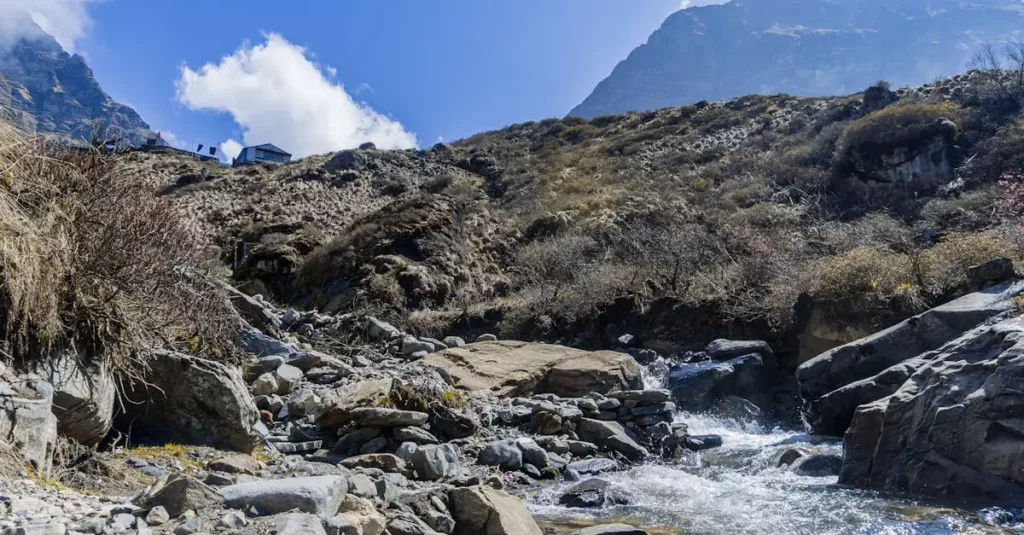
When considering the abc trek guide versus solo cost comparison, it’s crucial for anyone looking to hike the Annapurna Base Camp route in Nepal. This trek is renowned for its breathtaking scenery and is accessible to many adventurers. However, the overall budget hinges on your travel style, accommodation choices, and whether you opt for a guide or prefer to trek alone. In 2026, costs in the Annapurna Region may fluctuate based on the season, group size, and transportation methods, making a thorough comparison essential for effective planning.
A common query among trekkers revolves around the value of hiring a guide versus the potential savings of solo trekking. The answer can vary significantly depending on individual circumstances. For some, the cost difference between the annapurna guide and solo trek may be minimal, while for others, it could be substantial. Engaging a guide offers enhanced safety, navigational assistance, and local insights, whereas trekking alone provides greater flexibility but demands more planning and accountability.
This overview offers a practical assessment of various costs, timelines, distances, transportation options, crowd dynamics, and seasonal considerations. It presents straightforward figures and candid advice, empowering you to determine what aligns best with your budget and travel preferences in Nepal.
ABC Trek Guide vs Solo Cost Comparison: What Changes the Price
The comparison of costs between the abc trek guide and solo trekking begins with several key components: permits, transportation, meals, accommodations, and support services. Typically, the Annapurna Base Camp trek spans 7 to 12 days, influenced by your chosen route and fitness level. Most trekkers embark from Pokhara, utilizing road transport to reach the trailhead. From that point, daily expenses vary based on your choice of teahouses, meal consumption, and whether you hire a guide or porter.
Solo trekkers generally incur lower labor costs since they dont have to pay for guide services. However, they might invest more time in navigating routes, adjusting transport, and correcting minor errors. Those who opt for guided treks may pay more upfront, but they often experience a smoother journey. For many, the additional expense translates to peace of mind, particularly during peak seasons or when weather conditions shift unexpectedly.
The most significant cost disparity typically arises from guide and porter fees. In 2026, a licensed guide may charge approximately USD 25 to 40 per day, while a porters fee ranges from USD 20 to 30 daily. While solo trekkers can avoid these expenses, they still need to manage all standard trekking costs. Thus, the question of annapurna guide versus solo trek cost should encompass considerations of safety, comfort, and confidence in navigating the route rather than solely focusing on the lowest price.
| Cost Item | Solo Trek | With Guide |
|---|---|---|
| Permits | Same for both | Same for both |
| Guide fee | USD 0 | USD 25-40/day |
| Porter fee | Optional | Optional, often added |
| Transport | Same route, may be more flexible | Usually pre-arranged |
| Food and lodge | Same basic range | Same basic range |
| Planning time | Higher | Lower |
For insights into the country and tourism context, you can read more about Nepal.
How Much the ABC Trek Costs in 2026
The budget for the ABC trek varies based on your travel style. A basic solo trek in the Annapurna Region typically costs around USD 25 to 45 per day, excluding international flights. This daily budget usually covers a teahouse accommodation, meals, tea, water, and local transport throughout the trek. In contrast, a guided trek can range from USD 50 to 90 per day, depending on whether you choose to include a porter, private transport, or a more luxurious package.
Permits are a fixed expense. It’s essential to verify the Annapurna Conservation Area Permit and any local regulations before setting off. Transportation from Pokhara to the trailhead can also vary. While public jeep or bus travel is more economical, private transport offers time savings. Along the trail, food prices increase with altitude due to the effort required to transport supplies uphill. A simple dal bhat often provides the best value, whereas snacks, hot showers, and charging devices can incur additional daily costs.
Heres a practical estimate for a trek lasting 7 to 10 days. Solo trekkers might spend around USD 250 to 500 on the ground, whereas those with guides may spend between USD 500 to 1,000 or more, depending on the level of service. Your final expenditure will depend on your pace, the season, and the amount of support you prefer. If you’re looking for a straightforward answer regarding annapurna guide versus solo trek cost, solo trekking is generally more budget-friendly, but guided options often provide easier management.
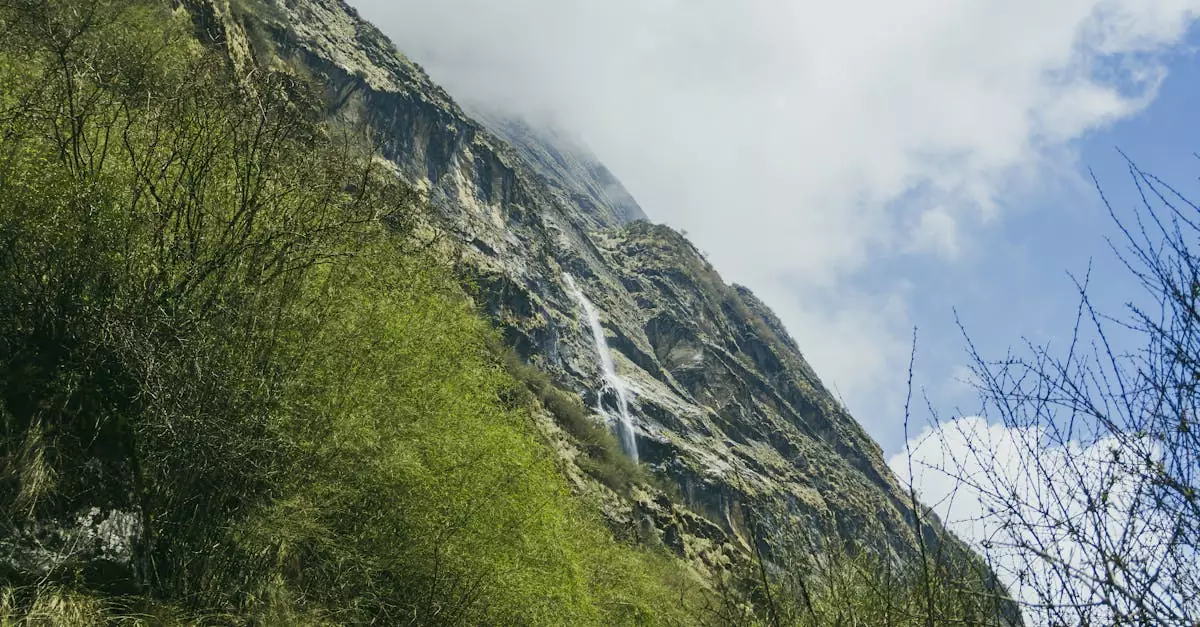
For official tourism planning, refer to the Nepal Tourism Board.
Route, Distance, and Time Needed for Annapurna Base Camp
The ABC route is not excessively long, but it features numerous uphill and downhill segments. The total trekking distance typically ranges from 60 to 115 kilometers, influenced by the starting point, side trips, and transportation options. Most trekkers commence from Nayapul, Jhinu Danda, Siwai, or another road-accessible location near Pokhara. A shorter starting point may reduce walking time, but it could also result in increased road travel and jeep expenses.
Timing plays a significant role in the abc trek guide versus solo cost comparison, as slower trekkers tend to spend more on food and lodging. A guide can help maintain a consistent pace and minimize wrong turns. While solo trekkers can save money by traveling independently, they must also navigate route decisions and daily scheduling. In favorable weather conditions, many complete the trek in 7 to 9 days, while a slower itinerary, including rest days, may extend to 10 to 12 days.
Altitude is another critical consideration. ABC is situated at a much higher elevation than the starting villages, making the ascent significant, even though the route isn’t technically challenging. Most trekkers won’t require climbing gear, but good fitness and careful pacing are essential. During peak season, the trails can become congested, and teahouses may fill up quickly, impacting your daily itinerary and budget, particularly if you arrive late and have fewer accommodation options.
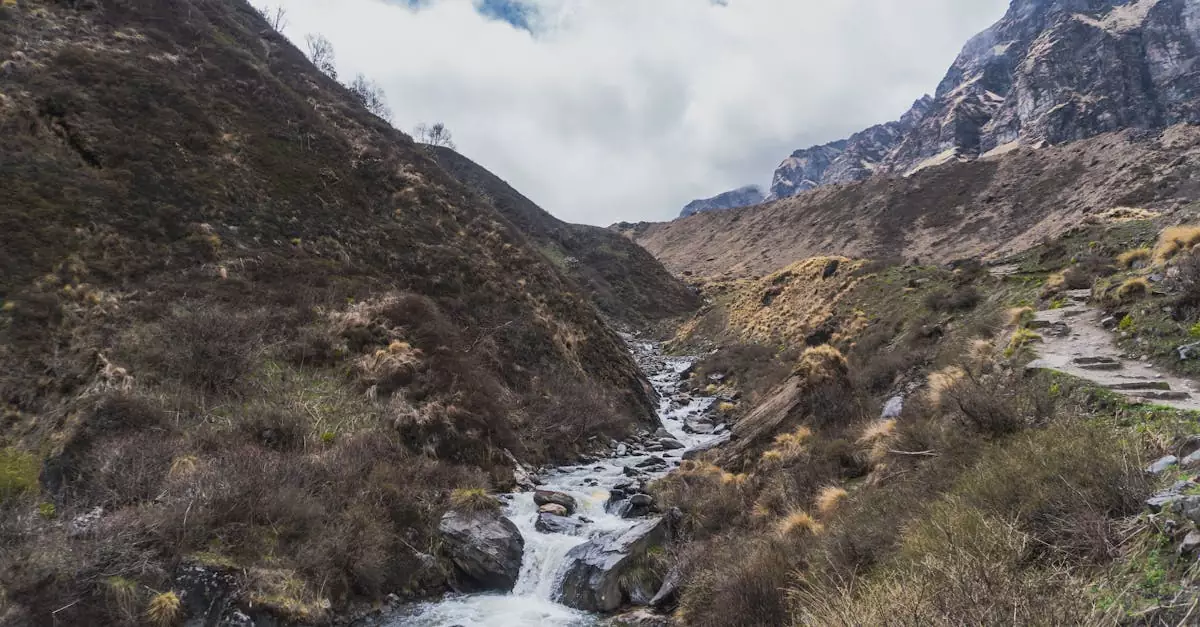
For further context on tourism and routes in the country, visit Nepal Tourism.
Guide vs Solo: Pros and Cons
Your decision largely depends on your comfort level. A guide can be invaluable for first-time trekkers, older adventurers, or anyone seeking a less stressful experience. On the other hand, solo trekking is ideal for seasoned hikers who appreciate flexibility and can manage logistics independently. Both options are viable on the Annapurna Base Camp route, but each comes with its own set of advantages and disadvantages.
Pros of hiring a guide
- Enhanced support navigating villages and trail intersections
- Reduced stress regarding transport, accommodations, and daily planning
- Valuable local insights regarding weather, culture, and trail conditions
- Additional assistance if you feel unwell or fatigued
Cons of hiring a guide
- Increased overall cost
- Limited flexibility to alter plans spontaneously
- Quality of service can vary, necessitating careful selection
Pros of trekking solo
- Lower overall expenses
- Greater freedom and adaptability
- Ability to move at your own pace
Cons of trekking solo
- Increased planning and responsibility
- Higher likelihood of route misjudgments
- Less support during adverse weather or low visibility
Key Advice: If you opt for a guide, ensure they are licensed and have recent trekking experience. A competent guide can save time, even if their daily fee appears high.
Key Advice: For solo trekkers, ensure you carry sufficient cash. Many areas along the trail lack easy access to ATMs, and credit card payments are not commonly accepted in remote villages.
Transport Details from Pokhara to the Trailhead
Transportation is a significant factor in the abc trek guide versus solo cost comparison, as the journey typically begins with a road trip. Most trekkers spend time in Pokhara before taking a jeep, bus, or shared vehicle to their starting point. Public transport is more economical, but it may be slower and less comfortable. Private jeeps, while pricier, can save time and are beneficial if youre on a tight schedule.
For solo trekkers, transportation is straightforward if you maintain flexibility. You can opt for a bus or shared jeep and modify your route as necessary. In contrast, guided treks usually involve pre-arranged transport, which saves time but can be more expensive. Road conditions in the Annapurna Region can fluctuate due to rain and landslides, particularly during the monsoon and shortly after, impacting both time and costs.
Travelers should anticipate extra transport time beyond just the direct journey. A road trip that appears short on a map can take significantly longer in reality. This is another reason why the annapurna guide versus solo trek cost difference extends beyond guide fees. If you miss a bus, change your starting point, or require a backup vehicle, your budget can shift quickly.
Reality Check: A budget-friendly plan can become costly if you arrive late, miss a connection, or need a private jeep unexpectedly. Its wise to incorporate a small buffer into your budget.
Crowds, Seasons, and Trail Conditions
The season can greatly influence both costs and comfort. The prime trekking periods are generally spring and autumn, offering clearer views and more stable weather, albeit with larger crowds. During peak weeks, teahouses can fill up quickly, and guides can help secure accommodations before nightfall. Solo trekkers might need to start their days earlier to avoid being left without a place to stay.
The monsoon season brings challenges such as rain, slippery trails, leeches in lower regions, and increased transport delays. Winter can be tranquil and picturesque, but frigid mornings and snow can complicate the trek. In shoulder seasons, prices may be slightly more manageable, but the risk of unfavorable weather can increase. If your primary concern is budget, trekking solo in a quieter month may be more economical. Conversely, if comfort and safety are your priorities, hiring a guide may justify the added expense during busy or unpredictable weather.
Crowd dynamics also play a role. On bustling days, some trekkers hurry, and certain teahouses can become noisy during meal times. A guide can assist in finding quieter accommodations and optimizing meal schedules. While solo trekkers enjoy more freedom, they may face limited options if they arrive late. This aspect is crucial in the abc trek guide versus solo cost comparison, as crowd pressures can influence both your spending and overall experience.
Practical Budget Breakdown for 2026
To simplify your budgeting, consider this approach. A solo trek in the Annapurna Region generally encompasses permits, transportation from Pokhara, teahouse accommodations, meals, water, charging, and occasional hot showers. By keeping the plan straightforward, total expenses can remain relatively low. However, adding private transport or extra snacks can quickly escalate costs.
A guided trek includes a daily professional fee and may incorporate porter assistance, potentially doubling the budget for some travelers. Yet, the additional expense can also minimize errors and enhance the overall trekking experience. For newcomers, this trade-off can be worthwhile. Experienced trekkers, however, may find solo travel offers better value if theyre adept with maps, timing, and local logistics.
Below is a straightforward comparison of common budget styles.
| Budget Style | Approx. Ground Cost | Best For |
|---|---|---|
| Basic Solo | USD 250-500 | Experienced trekkers |
| Comfort Solo | USD 400-650 | Independent travelers seeking more ease |
| Basic Guided | USD 500-800 | First-time trekkers |
| Comfort Guided | USD 800-1,000+ | Travelers desiring support and convenience |
For a broader perspective on tourism in the country, you can also read about tourism in Nepal.
Who Should Choose a Guide and Who Should Go Solo
For those new to Nepal, inexperienced in trekking, or apprehensive about remote trails, hiring a guide is typically the safer option. A guide assists with local communication, daily scheduling, and troubleshooting. If your vacation days are limited, a guide can also streamline planning, making it beneficial for a smoother trip rather than the cheapest option.
Solo trekking is more suitable for individuals who can read maps, manage altitude, and navigate uncertain trail conditions. It also appeals to travelers who prefer to stop frequently, modify plans, or minimize overall expenses. The abc trek guide versus solo cost comparison generally favors solo trekking for budget-conscious travelers, while guided trekking is often preferable for first-timers seeking support.
Key Advice: Select a guide with proper credentials and recent trekking experience. Inquire about the daily itinerary, included services, and emergency support before making a payment.
Key Advice: Dont assume that solo trekking is always the cheaper option. If you encounter route errors, require additional jeep rides, or extend your stay, costs can rise rapidly.
Final Verdict and FAQs
The answer to the abc trek guide versus solo cost comparison is straightforward: solo trekking typically incurs lower costs, but hiring a guide provides additional support and alleviates stress. In the Annapurna Region, Nepal, both options can be effective if planned thoughtfully. If your primary focus is on saving money, solo trekking is likely the better choice. However, if comfort, safety, and straightforward logistics are your priorities, a guide may justify the additional expense.
For many, the ideal choice will depend on the season, fitness level, and travel experience. During peak months, guided trekking can enhance the overall experience, while quieter months may favor solo trekking as a budget-friendly option. Regardless, its advisable to have some cash on hand, verify transport options from Pokhara, and allocate extra time for potential weather and trail delays.
FAQs
1. Is the ABC trek cheaper solo or with a guide?
Typically, solo trekking is less expensive since you avoid guide fees. However, the final costs will still depend on transportation, meals, accommodations, and the duration of your stay on the trail.
2. How much does a guide cost on the ABC trek in 2026?
A licensed guide usually charges around USD 25 to 40 per day. Prices may vary based on the season, language requirements, and whether the guide operates independently or through an agency.
3. How many days does the ABC trek take?
Most trekkers require between 7 to 12 days. While quicker itineraries are possible, they may feel rushed, whereas slower plans allow for more rest and better acclimatization.
4. What is the best season for the Annapurna Base Camp trek?
Spring and autumn are considered the best seasons for clear views and stable weather. While monsoon and winter trekking is feasible, they come with increased risks, unpredictable weather, or cold conditions.
5. Can a first-time trekker do ABC solo?
Yes, but only if they are comfortable with planning, navigating routes, and basic mountain travel. Many first-time trekkers find it safer to have a guide, especially in busy or unpredictable weather.
Ultimately, the abc trek guide versus solo cost comparison encompasses more than just financial considerations. It reflects your comfort level, safety needs, time constraints, and the amount of support you desire on the trail. With careful planning, the Annapurna Base Camp trek can be an excellent choice for both budget travelers and those who prefer guided experiences in 2026.