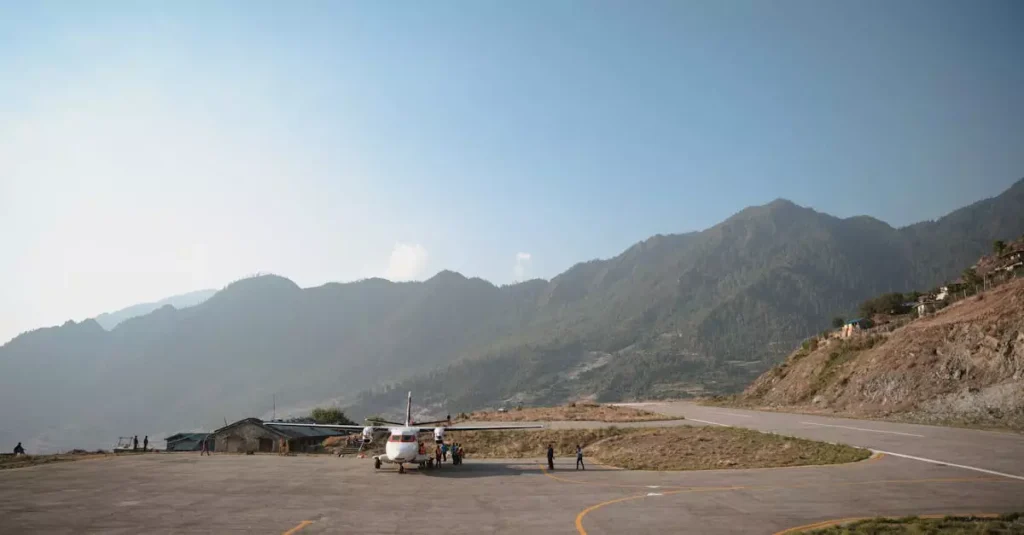
When it comes to planning the route to Everest Base Camp, one crucial consideration is the ebc trek lukla flight vs helicopter cost. Trekkers typically need to get to Lukla first, and this choice can significantly influence the entire journey. In Nepal’s Everest Region, flying is the most common option, while helicopters offer a quicker, albeit pricier, alternative.
While evaluating lukla heli vs plane price, its essential to consider factors like timing, baggage policies, potential weather disruptions, and the level of congestion during peak trekking seasons. A bargain fare can quickly become a hassle if your flight is delayed for days. Although a helicopter can expedite your journey, it often comes at a much higher price compared to a plane ticket.
This guide provides an honest and straightforward comparison for those planning travel in Asia for 2026. It delves into transportation options, costs, distances, seasonal variations, crowd dynamics, and practical advice. Additionally, it clarifies when choosing a flight is sensible and when splurging on a helicopter might be justified.
EBC Trek Lukla Flight vs Helicopter Cost: What You Pay in 2026
The primary distinction in ebc trek lukla flight vs helicopter cost is straightforward: fixed-wing flights are significantly more affordable than helicopters. Typically, a standard flight from Kathmandu or Ramechhap is much less expensive than a private helicopter ride. In 2026, travelers can expect airplane fares to remain within a budget-friendly to mid-range, while helicopter prices will likely stay premium.
For most trekkers, one-way flights to Lukla generally range from USD 180 to 250, influenced by the season, route, and availability. In contrast, a helicopter seat often costs considerably more, typically between USD 500 to 1,200 for shared trips, with private charters being even pricier. Prices can fluctuate based on fuel rates, group size, weather conditions, and how quickly seats sell out.
The starting point also affects costs. During peak seasons, many flights depart from Kathmandu to Ramechhap before heading to Lukla. This adds extra travel time, though it might not significantly increase ticket prices. Helicopters tend to offer more flexibility, but that comes at a price. For those seeking the best value, flying is the clear winner; however, if you prioritize speed and less hassle, a helicopter might be worth the splurge, provided your budget allows.
| Transport | Typical 2026 Cost | Travel Time | Best For |
|---|---|---|---|
| Fixed-wing flight to Lukla | USD 180250 one way | About 2535 minutes in the air | Budget-conscious trekkers |
| Shared helicopter to Lukla | USD 5001,200 per person | About 1525 minutes | Fast travel, limited time |
| Private helicopter charter | USD 2,500+ total | About 1525 minutes | Groups, VIP, flexible plans |
Important Tip: Always inquire if your quote includes airport taxes, baggage fees, and fuel surcharges. A seemingly low base price can escalate quickly with added costs.
How the Journey Works in Everest Region
The Everest Region is quite remote, with Lukla serving as the entry point for many Base Camp treks. The airport’s high altitude makes weather a significant factor. Although flights are brief, the entire process can take a day or more if conditions are poor. Helicopters offer more flexibility but are still subject to visibility and wind conditions.
The distance from Kathmandu to Lukla is approximately 138 kilometers by air, though flight paths can vary. If flights are rerouted to Ramechhap, travelers must factor in a lengthy road transfer first, which can take between 4 to 6 hours, or even longer if traffic is heavy. For many trekkers, this often-overlooked segment of the journey can impact overall comfort more than the flight itself.
During peak trekking months, airports and check-in areas can become crowded and hectic. Lines tend to build up around early morning departures, and delays can create a domino effect. While helicopters can minimize waiting times, they do not eliminate the risk posed by weather. If your schedule is tight, consider adding a buffer day before your trek begins; this small adjustment can preserve your overall itinerary.
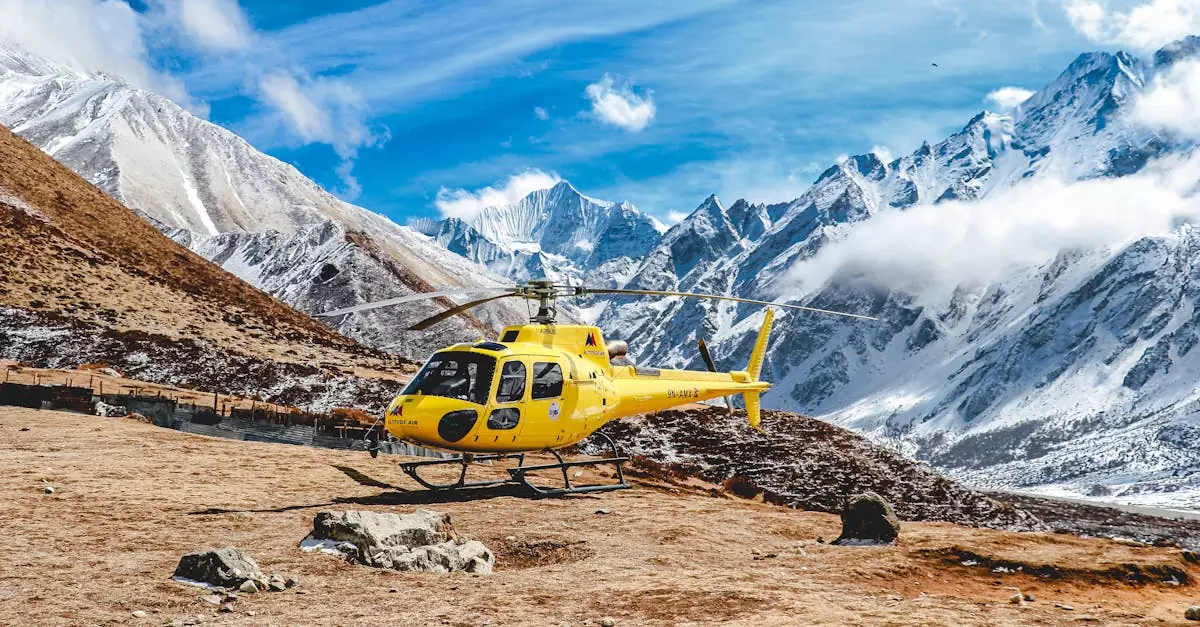
For a broader understanding of travel in Nepal, you can refer to this country overview. It provides first-time visitors with valuable context before making transportation arrangements.
Flight to Lukla vs Helicopter: Time, Comfort, and Crowd Behavior
When comparing lukla heli vs plane price, many people focus solely on the cost. However, time and comfort are equally important factors. While a plane is typically the most economical way to reach Lukla, it may involve longer wait times, stricter baggage allowances, and greater uncertainty regarding schedules. Helicopters provide a quicker and often smoother experience, but the price tag can be hard to justify for solo trekkers.
Crowd dynamics can also influence the travel experience. On busy mornings, passengers flying on planes may find themselves waiting in long lines, dealing with repeated delays, and competing for limited seating. When weather conditions improve, the airport can become tense as everyone hopes for the first departure. In contrast, helicopter passengers usually experience smaller groups, making boarding a more relaxed affair. However, those sharing a helicopter may still have to wait for enough passengers to fill a block of seats to lower the cost per person.
Comfort encompasses more than just the cabin experience; it involves the entire travel day. A plane journey often requires an early wake-up, a transfer, and extended waiting periods. A helicopter can significantly reduce this time, which is particularly valuable for those with limited vacation days. Yet, if your primary goal is to allocate more funds toward the trek itself, flying usually makes more sense.
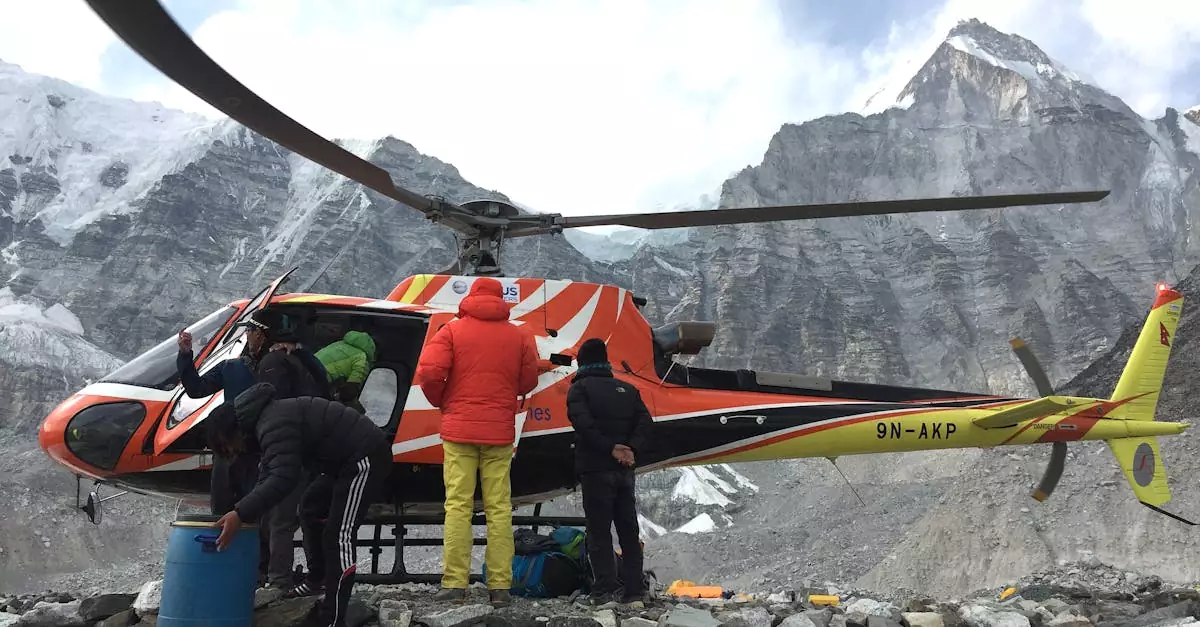
For local tourism insights and updates, the official Nepal Tourism Board website serves as a valuable resource. It can help you verify travel information and essential details about your destination.
Seasonal Considerations: When Flights and Helicopters Work Best
Timing plays a crucial role in the Everest Region. The prime trekking seasons are typically spring and autumn, but these periods also see the highest levels of activity. More trekkers lead to fuller flights, limited seat availability, and increased demand for helicopters. During peak months, prices may rise, and securing last-minute bookings can become challenging.
Spring often brings clearer mornings and favorable trekking conditions, though haze can still impact flight operations. Autumn generally offers stable weather and breathtaking mountain views, but it also attracts the largest crowds. Winter may be quieter and occasionally cheaper, but cold temperatures and snow can disrupt both planes and helicopters. The monsoon season presents the greatest likelihood of interruptions, necessitating extra flexibility in travel plans.
If you plan to travel during peak season, its wise to book early and keep alternative dates available. For those traveling in the off-season, directly inquire about cancellation policies and weather-related rescheduling. Opting for the cheapest ticket may not be the best choice if your itinerary cant accommodate delays. This is where careful planning takes precedence over simply seeking the lowest fare.
Important Tip: During busy months, secure your Lukla transport before your international flight arrives in Nepal. Last-minute seats are often limited and can be quite costly.
For additional context on destinations, the official tourism site nepaltourism.org offers a wealth of information for planning your travel in Nepal.
Pros and Cons of Plane and Helicopter Travel to Lukla
Each travel option has its own advantages and disadvantages. The best choice hinges on your budget, timeline, and comfort with unpredictability. Heres a straightforward breakdown of the primary pros and cons.
Fixed-Wing Flight Pros
- Significantly lower cost compared to helicopters
- Widely available and easy to book in advance
- Ideal for solo trekkers and those on a budget
- Short flight duration once airborne
Fixed-Wing Flight Cons
- More susceptible to weather-related delays
- May involve lengthy waits and crowd-related stress
- Strict baggage restrictions
- Could require a road transfer to Ramechhap during peak times
Helicopter Pros
- Faster and more adaptable
- Smaller groups reduce airport stress
- Beneficial for tight schedules
- More comfortable for those who dislike long waits
Helicopter Cons
- Substantially higher cost
- Shared rides might still necessitate waiting for a full group
- Weather can still impede operations
- Private charters are costly for most travelers
In essence, the plane offers better value, while the helicopter provides convenience. If your aim is to protect your trekking budget, flying is typically the way to go. However, if you need to save time or avoid a lengthy road transfer, the helicopter may justify its higher price.
Reality Check: What Travelers Often Miss Before Booking
Reality Check: Many first-time travelers mistakenly believe that securing transport to Lukla is a straightforward one-step process. In reality, factors like weather, airport changes, baggage regulations, and road transfers can alter plans at the last moment. Even with a confirmed seat, a smooth departure at your preferred time isn’t guaranteed.
Another frequent oversight is failing to account for the total cost of the trip. The ticket price is just one component; you might also need to budget for accommodation in Kathmandu or Ramechhap, airport transfers, additional meals, and potential rebooking fees. Delays can quickly escalate the cost of waiting, especially for those on short vacations.
Some travelers also underestimate how crowded the routes can get during peak seasons. Seats fill up rapidly, and flight lines can become chaotic. Helicopters alleviate some pressure, but not entirely. If the weather turns unfavorable, everyone is left waiting. The best strategy is to plan with a margin for error rather than relying solely on optimism.
For a broader perspective on tourism in Nepal, you can also explore this overview of tourism in Nepal. It provides useful insights into the countrys travel trends and visitor demand.
Practical Booking Tips for 2026
Effective planning can alleviate stress and help save money. Begin by comparing the total cost of your trip rather than just the ticket price. Request a written confirmation of the final cost and clarify what is included. When weighing ebc trek lukla flight vs helicopter cost, ensure you receive the same details for both options to make a fair comparison.
- Book early for travel during spring and autumn.
- Verify whether flights depart from Kathmandu or Ramechhap.
- Check baggage allowances before making a payment.
- Include one or two buffer days in your itinerary.
- Work with a local agency that has clear cancellation policies.
- Confirm if the price includes taxes and additional fees.
Its also beneficial to choose your transport based on your overall trek plan. If youre trekking with a guide and porter, a plane might suffice since your itinerary is already supported. Conversely, if you have a tight schedule, a helicopter could be the solution. Avoid making decisions based solely on emotion; consider timing, weather, and budget.
Important Tip: If your return flight from Lukla is critical, safeguard it by adding an extra night in Kathmandu at the end of your journey. Given the frequency of delays, this small buffer can prove invaluable.
FAQs About EBC Trek Lukla Flight vs Helicopter Cost
1. Which is cheaper: Lukla flight or helicopter?
The fixed-wing flight is significantly more affordable. In most instances, it costs only a fraction of a helicopter seat. If budget is your primary concern, the plane is the preferred option.
2. How long does it take to reach Lukla?
The flight duration is short, typically around 25 to 35 minutes by plane and 15 to 25 minutes by helicopter. However, the entire travel day can extend considerably due to transfers and weather-related delays.
3. Why do many flights start from Ramechhap?
During peak travel times, some flights to Lukla are rerouted to Ramechhap to manage airport congestion. This necessitates a road transfer from Kathmandu, which can take several hours.
4. Is a helicopter worth the extra cost?
It can be justified if you have a tight schedule, prefer less waiting, or need a more flexible option. For most budget-conscious trekkers, however, the cost may be prohibitive compared to flying.
5. What is the biggest risk with both options?
Weather remains the most significant risk. Both planes and helicopters can face delays or cancellations due to poor visibility or strong winds.