When planning a trip to China’s bustling capital, knowing the best time to visit Beijing can greatly enhance your experience. Beijing is a city rich in history, culture, and modern vibrancy, but its climate varies significantly throughout the year. Understanding the seasonal weather patterns will help you choose the ideal time for sightseeing, outdoor activities, and exploring the city’s iconic landmarks like the Great Wall and the Forbidden City.
In this comprehensive guide, we’ll explore the best time to visit Beijing based on climate data and local conditions, providing a month-by-month breakdown of the city’s weather. This detailed information will allow you to plan your trip around comfortable temperatures, minimal rainfall, and optimal air quality, ensuring your visit is both enjoyable and safe.
Whether you prefer the colorful blossoms of spring, the warm days of summer, or the crisp air of autumn, this guide will help you make an informed decision. Additionally, we’ll include practical tips and insights about Beijing’s weather patterns and cultural events throughout the year, supported by data from authoritative sources such as the official tourism board and weather authorities.
Understanding Beijing’s Climate: An Overview
Beijing experiences a continental monsoon climate, characterized by hot, humid summers and cold, dry winters. The city lies in northern China, which means it undergoes significant temperature fluctuations between seasons. Spring and autumn are transitional periods marked by moderate temperatures and relatively stable weather, making these seasons particularly attractive to visitors.
Summers in Beijing, from June to August, can be quite hot with temperatures often exceeding 30°C (86°F), accompanied by occasional heavy rainfall due to the East Asian monsoon. Winters, spanning December to February, are cold and dry, with temperatures frequently dropping below freezing, sometimes accompanied by smog due to heating emissions.
Air quality is an important consideration when visiting Beijing, as pollution levels vary throughout the year. Spring and autumn generally offer better air conditions compared to the colder months when coal burning for heating increases. Understanding these climatic nuances can help travelers avoid uncomfortable weather and health risks.
Beijing Weather by Month Guide
Here’s a detailed month-by-month guide to Beijing’s weather, highlighting temperatures, precipitation, and other relevant factors to help you decide when to visit:
- January: The coldest month, with average lows around -7°C (19°F). Clear skies but dry weather dominate.
- February: Slightly warmer but still cold, with occasional dust storms.
- March: Spring begins with temperatures rising to 10°C (50°F). Blossoms start appearing.
- April: Mild and pleasant, ideal for outdoor activities. Average highs reach 20°C (68°F).
- May: Warm and dry, with temperatures around 25°C (77°F). One of the best months to visit.
- June: Start of summer, hot and humid, with frequent afternoon showers.
- July: The hottest month, temperatures often exceed 30°C (86°F), with heavy rainfalls.
- August: Similar to July but slightly cooler towards the end of the month.
- September: Autumn begins, cooler and drier, with temperatures around 24°C (75°F).
- October: Crisp, clear weather with vibrant autumn foliage, temperatures around 17°C (63°F).
- November: Cooler and dry, with temperatures dropping to 5°C (41°F).
- December: Cold and dry, average lows near -4°C (25°F) with occasional snow.
Spring in Beijing: March to May
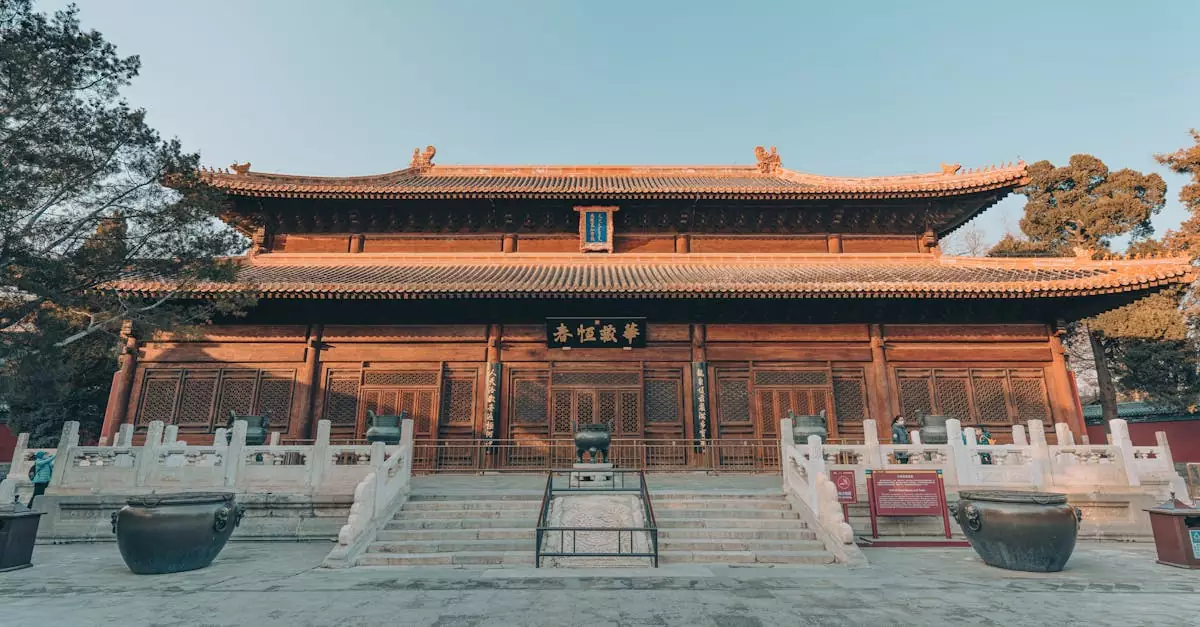
Spring is widely regarded as one of the best times to visit Beijing. The weather gradually warms up after the cold winter months, with March seeing temperatures climb from the chilly lows of winter to more comfortable daytime highs around 15°C (59°F). The city awakens with blooming flowers and fresh greenery, creating picturesque scenes at places like the Summer Palace and Temple of Heaven.
April and May bring mild, pleasant weather with temperatures ranging from 20°C to 25°C (68°F to 77°F). Rainfall is minimal, making it perfect for walking tours and outdoor sightseeing. This season also marks the beginning of Beijing’s cultural festivals, such as the Cherry Blossom Festival in parks and gardens, which attract photographers and nature lovers.
Visitors during spring should pack layers to adjust to fluctuating temperatures, especially in early mornings and evenings. The air quality tends to improve during this time, adding to the overall comfort. Spring’s moderate climate and natural beauty make it an optimal season for exploring Beijing’s historical landmarks and vibrant street life.
Summer in Beijing: June to August
Summer in Beijing can be hot and humid, with temperatures frequently rising above 30°C (86°F). The city experiences its highest rainfall during these months, primarily due to the East Asian monsoon bringing sudden afternoon showers and occasional thunderstorms. Despite the heat, summer is a lively time in Beijing, with numerous outdoor festivals and events occurring throughout the city.
July is the hottest month, and while the heat may be intense, mornings and evenings often provide some relief. August typically sees a slight decrease in temperature but remains warm. Tourists planning to visit during summer should stay hydrated, wear sun protection, and schedule outdoor activities during cooler parts of the day.
One advantage of visiting Beijing in summer is the longer daylight hours, allowing more time for sightseeing. However, the combination of heat and humidity can be challenging for some travelers, especially those sensitive to extreme weather. It’s also worth noting that summer coincides with peak tourist season, so popular attractions may be crowded.

Autumn in Beijing: September to November
Autumn is often considered the best season to visit Beijing, with cool, comfortable temperatures and clear skies. September marks the transition from summer heat to cooler days, with average temperatures around 24°C (75°F). The humidity drops significantly, and rainfall decreases, creating ideal conditions for outdoor activities and sightseeing.
October is particularly popular among travelers due to the breathtaking fall foliage that colors the city’s parks and the Great Wall. The crisp air and vibrant scenery enhance the experience of exploring historical sites. November sees temperatures gradually dropping, but the weather remains dry and pleasant for most of the month.
Autumn also coincides with important cultural events such as the Mid-Autumn Festival, which offers visitors a chance to experience traditional Chinese customs. The combination of favorable weather, stunning landscapes, and cultural richness makes autumn a top choice for visiting Beijing.
Winter in Beijing: December to February
Winter in Beijing is cold and dry, with temperatures often falling below freezing. Snowfall is rare but possible, adding a unique charm to the city’s historic architecture. The coldest period is January, with nighttime temperatures reaching as low as -10°C (14°F) in some years.
Despite the chill, winter offers a quieter tourist season, which means fewer crowds at major attractions. The dry air can be refreshing, but visitors should be prepared with proper winter clothing to stay warm during outdoor excursions. Indoor attractions like museums and theaters provide excellent alternatives during the colder months.
It’s important to note that air pollution can worsen in winter due to heating emissions, so checking daily air quality indexes before outdoor activities is advisable. Overall, winter offers a distinctive experience of Beijing, especially for travelers interested in winter sports or festivals like the Chinese New Year celebrations.
Comparison Table: Beijing Weather by Season
| Season | Average Temperature | Rainfall | Air Quality | Tourist Crowds |
|---|---|---|---|---|
| Spring (Mar-May) | 10°C – 25°C (50°F – 77°F) | Low | Good | Moderate |
| Summer (Jun-Aug) | 25°C – 32°C (77°F – 90°F) | High | Moderate | High |
| Autumn (Sep-Nov) | 5°C – 24°C (41°F – 75°F) | Low | Good | Moderate |
| Winter (Dec-Feb) | -10°C – 5°C (14°F – 41°F) | Low | Variable (can be poor) | Low |
Tips for Visiting Beijing Throughout the Year
Regardless of when you choose to visit Beijing, there are some practical tips to keep in mind that can help you make the most of your trip:
- Check Air Quality: Beijing’s air quality can fluctuate, especially in winter. Use reliable apps or websites to monitor pollution levels and plan outdoor activities accordingly.
- Dress in Layers: Weather can vary widely within a day, especially during spring and autumn. Layered clothing allows you to adjust to changing temperatures comfortably.
- Stay Hydrated: Whether it’s the dry winter air or the summer heat, keeping hydrated is essential for your health and energy.
- Book Attractions Early: Popular sites like the Forbidden City can get crowded during peak seasons, so booking tickets in advance is recommended.
- Experience Local Festivals: Aligning your visit with cultural events can enrich your travel experience and provide deeper insight into Beijing’s traditions.
FAQs
What is the best month to visit Beijing for pleasant weather?
The best months for pleasant weather are May and October, offering mild temperatures, low rainfall, and good air quality, ideal for sightseeing and outdoor activities.
How hot does Beijing get in summer?
During summer, especially in July, temperatures can exceed 30°C (86°F), often accompanied by high humidity and occasional heavy rain due to monsoon showers.
Is winter a good time to visit Beijing?
Winter is less crowded and offers unique experiences like snowy landscapes and cultural festivals, but it is cold and dry, requiring warm clothing and attention to air quality.
Are there any significant festivals in Beijing related to seasons?
Yes, the Cherry Blossom Festival in spring and the Mid-Autumn Festival in autumn are notable seasonal events that attract many visitors and showcase local culture.
How does air quality affect travel plans in Beijing?
Air quality varies seasonally and can impact outdoor activities. Monitoring pollution levels before planning your day is advisable, especially in winter when air quality may worsen.
Conclusion
Choosing the best time to visit Beijing depends largely on your weather preferences and the type of experience you seek. Spring and autumn stand out as the most comfortable seasons with moderate temperatures, low rainfall, and vibrant cultural scenes. Summer offers lively festivals but comes with heat and humidity, while winter provides a quieter atmosphere and unique seasonal charm despite the cold.
By understanding Beijing’s weather patterns through the month-by-month guide and considering factors like air quality and tourist crowds, you can tailor your itinerary for maximum enjoyment. Whether you’re exploring ancient palaces, hiking the Great Wall, or indulging in local cuisine, timing your visit right will enhance every moment of your journey.
For more detailed historical and cultural information about the city, you can visit the Beijing Wikipedia page. Additionally, the Climate of Beijing article offers in-depth data on seasonal weather patterns to help you plan further.