Shanghai, one of China’s most vibrant and cosmopolitan cities, attracts millions of visitors annually. When planning a trip to this bustling metropolis, knowing the best time to visit Shanghai can make a significant difference in your experience. Weather conditions vary greatly throughout the year, influencing not only your comfort but also the types of activities and festivals you can enjoy.
In this comprehensive guide, we explore Shanghai’s weather by month, helping you decide the ideal season for your visit. Whether you prefer mild temperatures, fewer crowds, or cultural events, understanding the climate patterns will ensure a memorable stay. This information is based on reliable climate data and insights from official tourism sources.
From the blooming springs to the chilly winters, Shanghai offers something unique in every season. Let’s dive into the monthly weather trends and other factors that determine the best time to visit Shanghai.
Understanding Shanghai’s Climate: An Overview
Shanghai has a humid subtropical climate characterized by four distinct seasons: spring, summer, autumn, and winter. The city experiences hot, humid summers and cold, damp winters, with transitional seasons that are usually mild and pleasant. Rainfall is moderate but peaks during the summer months, particularly in June and July.
Spring (March to May) and autumn (September to November) are generally considered the most comfortable times to visit, with moderate temperatures and relatively low humidity. Summer (June to August) can be sweltering, with temperatures often exceeding 35°C (95°F), while winter (December to February) tends to be cold and damp, with temperatures occasionally dropping below freezing.
Shanghai’s climate is influenced by its location near the East China Sea, which contributes to the humidity and occasional typhoons during late summer. Knowing these patterns can help travelers plan activities, pack appropriately, and avoid unfavorable weather conditions during their stay.
Shanghai Weather by Month Guide
To help you plan your trip effectively, here is a detailed breakdown of Shanghai weather by month:
- January: Cold and damp, average highs around 8°C (46°F), lows near 1°C (34°F). Snow is rare but possible.
- February: Similar to January but slightly warmer, with early signs of spring towards the end of the month.
- March: Spring begins; temperatures rise to 12–16°C (54–61°F). Occasional rain showers.
- April: Pleasant weather with mild temperatures around 18–22°C (64–72°F) and blooming flowers.
- May: Warm and comfortable, averaging 22–27°C (72–81°F). Increasing humidity.
- June: Start of summer with hot, humid weather; average highs reach 30°C (86°F). Rainfall increases.
- July: Hottest month; temperatures often exceed 33°C (91°F), combined with high humidity and frequent afternoon showers.
- August: Similar to July with intense heat and humidity; typhoon season peaks.
- September: Cooler temperatures return, averaging 25°C (77°F), with less rain and pleasant weather.
- October: One of the best months to visit; mild temperatures, low humidity, and clear skies.
- November: Cooler autumn weather with temperatures falling to 13–17°C (55–63°F); crisp and dry.
- December: Cold and damp, similar to January, with occasional frost but rarely snow.
Best Seasons to Visit Shanghai
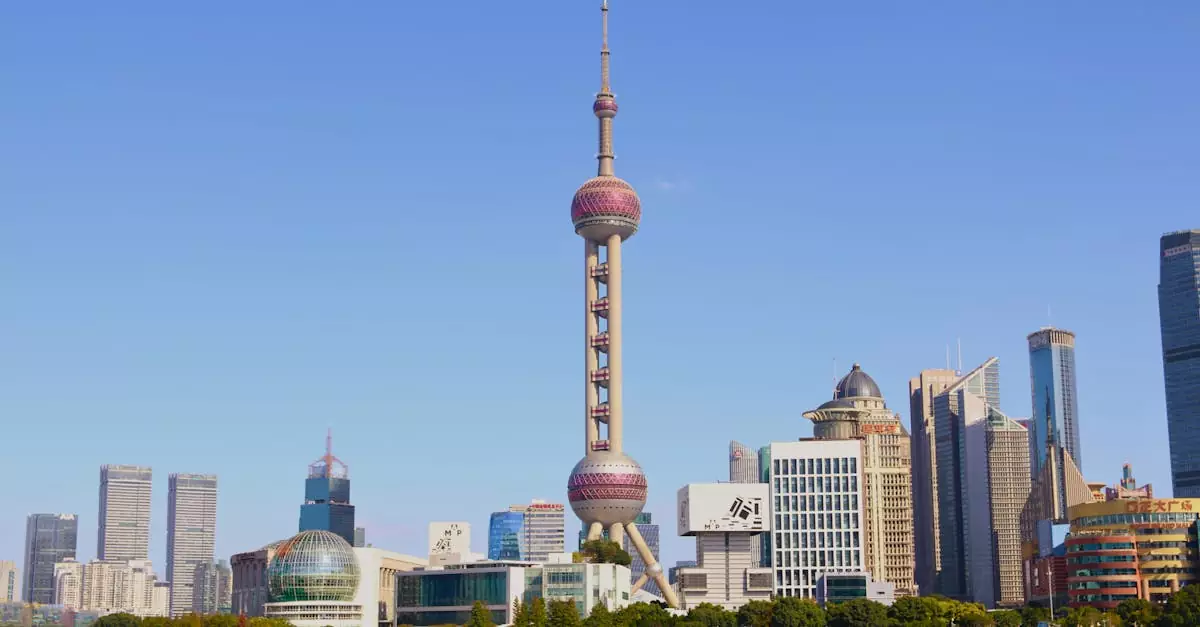
While Shanghai can be visited year-round, the best seasons to plan your trip are spring and autumn. These months offer a balance of comfortable weather, lower humidity, and fewer extreme weather events.
Spring (March to May): This is when Shanghai awakens from winter’s chill. Temperatures are moderate, averaging between 12°C and 27°C (54°F to 81°F), and the city is adorned with blooming gardens and parks. Spring is an excellent time for outdoor sightseeing, including visits to the famous Yu Garden and strolls along the Bund.
Autumn (September to November): Often regarded as the most pleasant season, autumn boasts clear skies and mild temperatures ranging from 13°C to 25°C (55°F to 77°F). The humidity drops, making it ideal for exploring Shanghai’s urban attractions and nearby water towns like Zhujiajiao. Autumn is also a popular time for cultural festivals, providing a richer travel experience.
While summer is vibrant and full of life, the intense heat and humidity can be uncomfortable for some travelers. Winter, although less crowded and more affordable, requires preparation for cold, damp weather.
Summer Travel Considerations
Summer in Shanghai lasts from June through August and is characterized by high temperatures and humidity. Daytime highs frequently exceed 33°C (91°F), and the air can feel heavy and sticky. Afternoon thunderstorms and occasional typhoons are also common, which can disrupt travel plans.
Despite the challenging weather, summer has its own appeal. The city buzzes with energy, and outdoor events, such as music festivals and night markets, are in full swing. Tourists who can tolerate the heat may find fewer crowds at major attractions during weekday mornings.
If you choose to visit Shanghai in summer, it’s essential to stay hydrated, wear light clothing, and plan indoor activities during the hottest parts of the day. Air-conditioned museums, shopping centers, and restaurants provide respite from the heat.
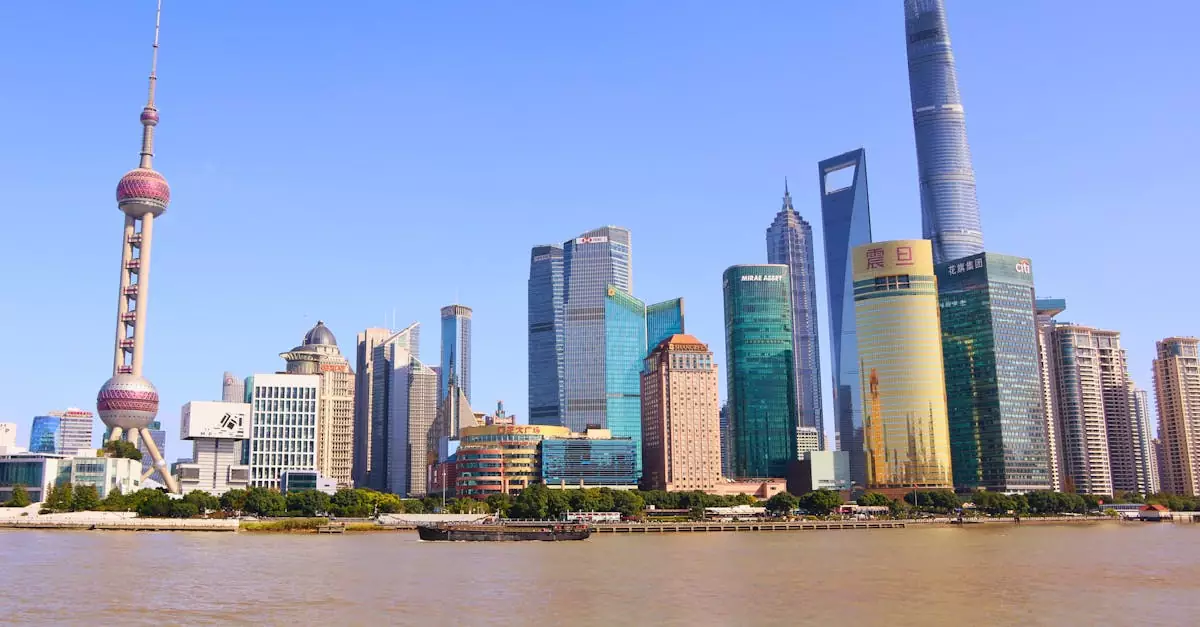
Winter and Off-Season Travel
Winter in Shanghai, from December to February, is cold and damp, with temperatures ranging from 1°C to 8°C (34°F to 46°F). While snowfall is rare, the combination of cold temperatures and humidity can make the air feel chillier than the numbers suggest.
Visiting Shanghai in winter offers advantages such as lower hotel rates and fewer tourists at popular sites. The city’s festive decorations during the Chinese New Year, which usually falls between late January and February, provide a unique cultural experience. However, some parks and gardens may not be at their best during this season.
Travelers should pack warm clothing and be prepared for occasional drizzle. Despite the weather, Shanghai’s indoor attractions, including world-class museums and shopping districts, remain lively and accessible year-round.
Shanghai Weather Comparison Table
| Month | Avg High (°C) | Avg Low (°C) | Rainfall (mm) | Humidity (%) | Recommended for Travel |
|---|---|---|---|---|---|
| January | 8 | 1 | 49 | 70 | No |
| February | 9 | 2 | 46 | 68 | Moderate |
| March | 15 | 6 | 60 | 65 | Yes |
| April | 20 | 11 | 80 | 70 | Yes |
| May | 25 | 16 | 90 | 75 | Yes |
| June | 30 | 21 | 150 | 80 | Moderate |
| July | 34 | 26 | 160 | 85 | No |
| August | 33 | 26 | 140 | 85 | No |
| September | 28 | 20 | 90 | 75 | Yes |
| October | 22 | 14 | 60 | 70 | Yes |
| November | 16 | 9 | 50 | 65 | Yes |
| December | 10 | 3 | 40 | 70 | No |
Planning Your Trip: Festivals and Events
Shanghai’s cultural calendar is packed with festivals and events that can enhance your visit. Timing your trip to coincide with these celebrations can provide deeper insight into local traditions and vibrant city life.
The Chinese New Year, usually between late January and February, is the most significant festival, featuring spectacular fireworks, dragon dances, and temple fairs. Springtime hosts the Shanghai International Film Festival in June, attracting cinephiles worldwide.
Autumn is also notable for the Mid-Autumn Festival, celebrated with lantern displays and mooncakes. The city’s dynamic arts scene often hosts exhibitions and performances during this season, making it an enriching time to visit.
When planning around these events, consider that major holidays can lead to increased prices and crowds, so booking accommodations and tickets well in advance is advisable.
Travel Tips for Visiting Shanghai
- Pack according to season: Lightweight clothes and sun protection for summer; warm layers and waterproof items for winter.
- Stay hydrated: Particularly important during hot, humid months.
- Use public transport: Shanghai’s metro system is extensive and efficient, ideal for navigating the city regardless of weather.
- Plan indoor activities: Museums, shopping malls, and tea houses are good options during rainy or very hot days.
- Check local weather updates: Typhoons can occur in late summer, so stay informed via reliable sources.
For more detailed historical and cultural information about Shanghai, the Wikipedia page on Shanghai offers extensive insights. Additionally, the city’s official tourism board provides updated climate and event details that can be invaluable when planning your visit.
FAQs
What is the best month to visit Shanghai for pleasant weather?
The best months for pleasant weather are April, May, September, and October, when temperatures are mild, humidity is low, and rainfall is minimal.
Is summer a good time to visit Shanghai?
Summer can be challenging due to high heat, humidity, and frequent rain, but it also offers vibrant city life and festivals. If you tolerate heat well, summer can still be enjoyable.
Does Shanghai experience snow in winter?
Snowfall in Shanghai is rare and usually light. Winters are cold and damp, but significant snow accumulation is uncommon.
Are there any major festivals in Shanghai that travelers should know about?
Yes, major festivals include the Chinese New Year in winter and the Mid-Autumn Festival in autumn, both offering rich cultural experiences.
How reliable is the weather in Shanghai for outdoor activities?
Spring and autumn offer the most reliable weather for outdoor activities, with mild temperatures and lower chances of rain. Summer and winter may require more indoor planning.
Conclusion
Determining the best time to visit Shanghai depends largely on your preferences for weather, crowd levels, and cultural experiences. Spring and autumn stand out as the most favorable seasons, providing comfortable temperatures and beautiful scenery. Summer and winter, while less ideal due to weather extremes, still offer unique opportunities and fewer tourists.
By understanding Shanghai’s weather by month and planning accordingly, you can maximize your enjoyment of this dynamic city. Whether you’re exploring historic neighborhoods, savoring local cuisine, or attending vibrant festivals, choosing the right time to visit will help you create unforgettable memories in one of Asia’s most exciting destinations.