Deciding the best time to visit Zurich means weighing weather, crowds, costs, and the experiences you want. The best time to visit Zurich depends on whether you prefer lively summer festivals and lake swimming, crisp autumn strolls, or snowy winter markets and nearby alpine skiing. This guide synthesizes official tourism data and seasonal trends to help you choose the right month for your trip.
Below you’ll find a practical breakdown of Zurich weather by season and month, how Zurich travel cost changes through the year, what to expect from the tourist season, and actionable tips for timing your visit. Information here draws on official tourism sources and weather authority patterns to give a reliable, experience-focused planning tool.
Zurich seasons at a glance
Zurich experiences four distinct seasons: a mild, wet spring; a warm, relatively dry summer; a colorful, cool autumn; and a cold, often snowy winter. Summers (June–August) are the warmest and most popular, while December–February attract winter-sport visitors and market-goers. Shoulder seasons—April–May and September–October—often present the best compromise of pleasant Zurich weather and fewer tourists.
When you plan, consider both daytime and overnight temperatures: summer days can reach the low to mid-20s °C (70s °F) while nights remain comfortable, whereas winter nights often dip below freezing. Rainfall is fairly evenly distributed across the year, though sudden showers are more common in late spring and summer thunderstorms can occur.
Spring and summer: warm days, festivals, and lake life
Spring (April–May) gradually awakens the city. Parks and riverside promenades blossom, and average highs climb from around 12–18 °C (54–64 °F). This is a great time for walking tours, botanic gardens, and enjoying outdoor cafés before the high season. By late May and June, events and open-air activities begin to ramp up.
Summer (June–August) is peak tourist season in Zurich. Expect long daylight, comfortable water temperatures for swimming in Lake Zurich, and an event calendar that includes street festivals, open-air concerts, and lakefront activities. Daytime temperatures typically range from 22–26 °C (72–79 °F), though heatwaves can push readings higher for short periods.
Because summer is the busiest time, Zurich travel cost for accommodation, flights, and some activities tends to be higher. However, the city rewards visitors with lively public spaces and easy day trips to nearby mountains and lakes. If you want the sunny, social atmosphere without the highest crowds, aim for late May or early September.
Autumn and winter: crisp air, culture, and snow
Autumn (September–November) brings cooling temperatures and spectacular foliage, especially in parks and along lakefront promenades. September still feels summery often, while October introduces crisp days and fewer tourists. This season is ideal for cultural visits, museums, and photography, with more modest Zurich travel cost than midsummer.
Winter (December–February) transforms Zurich into a hub for holiday markets, cozy cafés, and proximity to alpine skiing. Snow is possible in the city, more reliable in nearby mountains. Winter temperatures often hover between -2 and 6 °C (28–43 °F). While December can be busy around Christmas markets, January and February offer good hotel deals and quieter attractions.
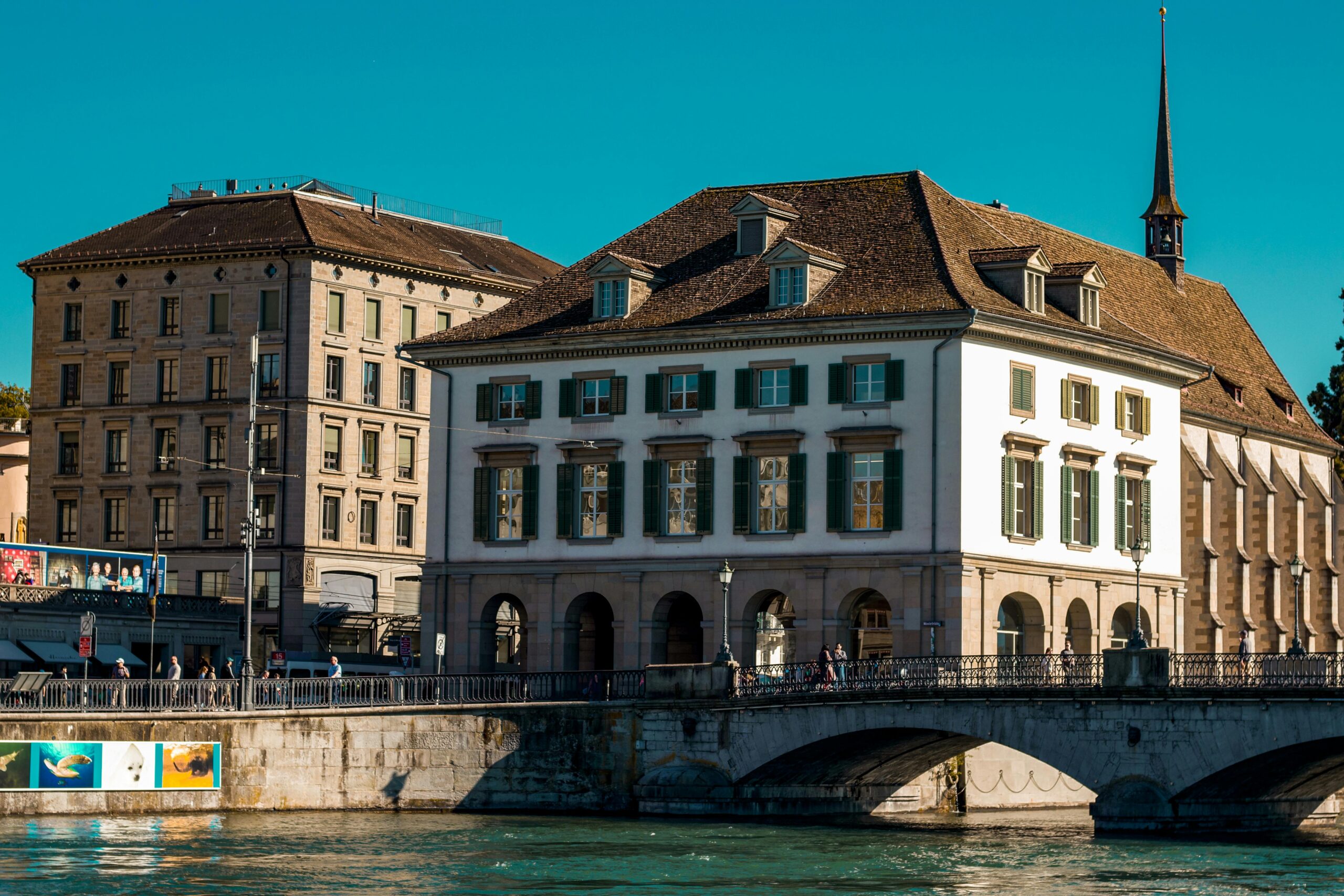
Zurich weather details month-by-month
To fine-tune your timing, here’s a concise month-by-month summary of Zurich weather and what each month is best for:
- January: Cold, potential snow. Good for winter sports and quieter museums.
- February: Cold, snow likely in nearby mountains. Lower prices and fewer tourists.
- March: Early spring variability—mix of cold and mild days. Good for lower-season travel bargains.
- April: Spring blooms, occasional rain. Pleasant for walking and cycling.
- May: Warmer, many outdoor events begin. Excellent shoulder-season choice.
- June: Start of summer, warm and busy. Great for lake activities and festivals.
- July–August: Warmest months, peak tourist season. Ideal for outdoor dining and swimming.
- September: Late summer warmth with fewer crowds—one of the best months to visit.
- October: Autumn colors, cooler weather, cultural season in full swing.
- November: Cooler and quieter, museums and indoor culture are appealing.
- December: Festive markets and lights, busy around holidays but atmospheric.
For up-to-date daily and hourly forecasts, consult a reputable weather service to align exact travel dates with expected conditions; reliable live forecasts can refine packing and activity plans during the weeks before travel.
Detailed weather and forecast information helps when choosing exact travel dates and packing appropriately for expected conditions.
Crowds, Zurich tourist season, and travel cost
Understanding Zurich tourist season patterns will help you balance experience with budget. The highest concentrations of visitors occur in summer months and during major events such as public holidays and festival weekends. Hotel rates and flight prices typically peak from late June through August, and again in December around the holiday season.
Shoulder seasons—April–May and September–October—offer a favorable balance: smaller crowds, milder Zurich weather, and more moderate Zurich travel cost. January and February are often the cheapest months for accommodation, especially after the holiday peak ends, though some attractions may have reduced hours.
For a quick planning tip, book accommodations and popular activities several months in advance for travel during the busiest periods. If you prefer flexibility and last-minute deals, aim for off-peak times when cancellations and lower rates are likelier.
For a concise overview of the city’s geography, transport links, and many visitor-ready resources, the city’s Encyclopedic entry provides useful background context for first-time visitors: Zurich on Wikipedia.
Practical tips for timing your visit
Choose the best time to visit Zurich based on these practical priorities:
- Outdoor and lake activities: Late May to early September for warm weather and long days.
- Avoiding crowds and saving money: April–May and September–October for shoulder-season advantages.
- Winter sports and holiday atmosphere: December through February for markets and proximity to ski resorts.
- City culture and museums: Year-round—winters and early autumn often have fewer tourists and more relaxed museum visits.
Packing checklist by season can save frustration: layers and a light rain jacket for spring and autumn; breathable fabrics and sun protection for summer; insulated outerwear and waterproof boots for winter. Public transport in Zurich is excellent year-round, so rain or cold need not disrupt most plans.
How to get the most from your Zurich trip
Beyond timing, these strategies maximize value and experience. Book popular attractions or guided tours ahead of peak season to ensure availability. Use the efficient tram and train networks to explore neighborhoods and take day trips to Uetliberg or Lucerne without needing a car. If you plan alpine excursions, check lift operating schedules and snow conditions in advance.
Consider local events calendars when choosing dates: city festivals, museum exhibitions, and concert seasons can enhance a visit but also affect availability and pricing. If your dates are flexible, compare a few weeks either side of a chosen window to find better hotel rates or fewer crowds while still enjoying favorable Zurich weather.
FAQs
When is the absolute best time to visit Zurich for nice weather?
Late May through September generally provides the most reliably pleasant Zurich weather, with warm days suitable for lakeside activities, open-air dining, and festivals. July and August are warmest but also busiest.
Is winter a bad time to visit Zurich?
No—winter is excellent if you enjoy holiday markets, cozy cafés, and nearby skiing. January and February are quieter and often less expensive, though colder and with shorter daylight hours.
How do Zurich travel costs change by season?
Prices peak in summer (June–August) and around the winter holidays in December. Shoulder seasons (spring and autumn) and mid-winter often offer better hotel and flight deals, while summer may carry premiums for popular dates.
Are there months to avoid because of crowds or weather?
There are no months to strictly avoid, but expect the most crowds and higher prices in July–August and around Christmas and New Year. If you dislike rain, be aware that late spring and summer can have occasional showers or thunderstorms.
How far in advance should I book a Zurich trip?
Book flights and accommodations 2–4 months ahead for shoulder seasons and 4–6 months ahead for peak summer or holiday travel. Reserve any popular guided tours or special-event tickets even earlier if you have fixed dates.
Conclusion
Choosing the best time to visit Zurich comes down to what you value most: warm lake days and festivals in summer, fewer crowds and mild weather in the shoulder seasons, or snowy landscapes and festive markets in winter. By matching your priorities—weather preferences, budget, and desired activities—with the seasonal patterns outlined here, you can select dates that deliver the experience you want. Use current forecast resources and official tourism calendars as your travel window approaches to finalize plans and pack appropriately.