Introduction to Cambodian Dining Costs
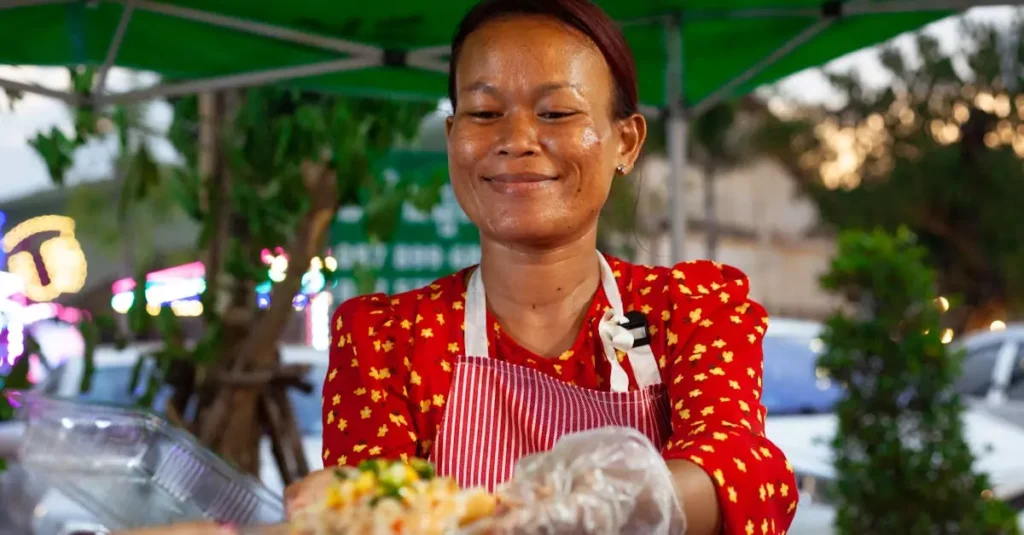
Phnom Penh greets visitors with bold flavors and very affordable eating options. Many newcomers to the capital of Cambodia quickly wonder how to stretch their food budget without missing out. From tiny carts on the pavement to air-conditioned dining rooms, options exist for every pocket. Getting a feel for how locals eat is a quick way to make smarter choices and discover where your budget can go the furthest.
When comparing the cambodia cheapest food options street vs restaurant, think about both cost and the kind of experience you want. Street vendors are often the center of neighborhood life: quick, freshly made and priced for local workers and solo travelers. Restaurants trade higher prices for a cooler, more relaxed setting and a broader menu. Most visitors alternate between the two depending on the hour and their energy level. Below are practical pointers to help you pick the right option for each meal.
Budgeting becomes straightforward once you know typical prices. With care, you can keep daily food spending under ten dollars. The cambodia street food vs restaurant cost shifts with location and dish choice, so markets such as the Central Market or the Russian Market are useful starting points for low-cost meals. The sections that follow break down common prices, safety pointers and standout dishes to try in 2026.
Cambodia Cheapest Food Options Street vs Restaurant
How you decide between the cambodia cheapest food options street vs restaurant often comes down to personal comfort. For pure savings, street food usually wins: a simple bowl of noodles can be as little as $1.50. Many vendors focus on one or two signature dishes, which helps ingredients turn over fast and stay fresh. Morning scenes of locals perched on tiny plastic stools are common and offer a genuine slice of daily life.
Eating in a local restaurant brings different advantages despite the higher bill. A modest eatery might charge about $3.50 for a ginger chicken plate, often including a pot of tea and a cleaner setting. For many travelers, the extra cost buys relief from heat and a more relaxed pace. Menus also tend to be broader, making restaurants useful when traveling in groups with varied tastes. The official tourism site for Cambodia can offer additional background on local dining customs.
The line between stalls and restaurants is blurring as some vendors shift into small shop-houses. These indoor spots typically add around $0.50 to the price but provide shade and slightly better hygiene. That compromise delivers much of the street-food authenticity while offering basic comforts. As a rule, pick places with many customersbusy stalls are a good signal that food is fresh and handled properly.
Comparing the Cost of Street Food and Local Eateries
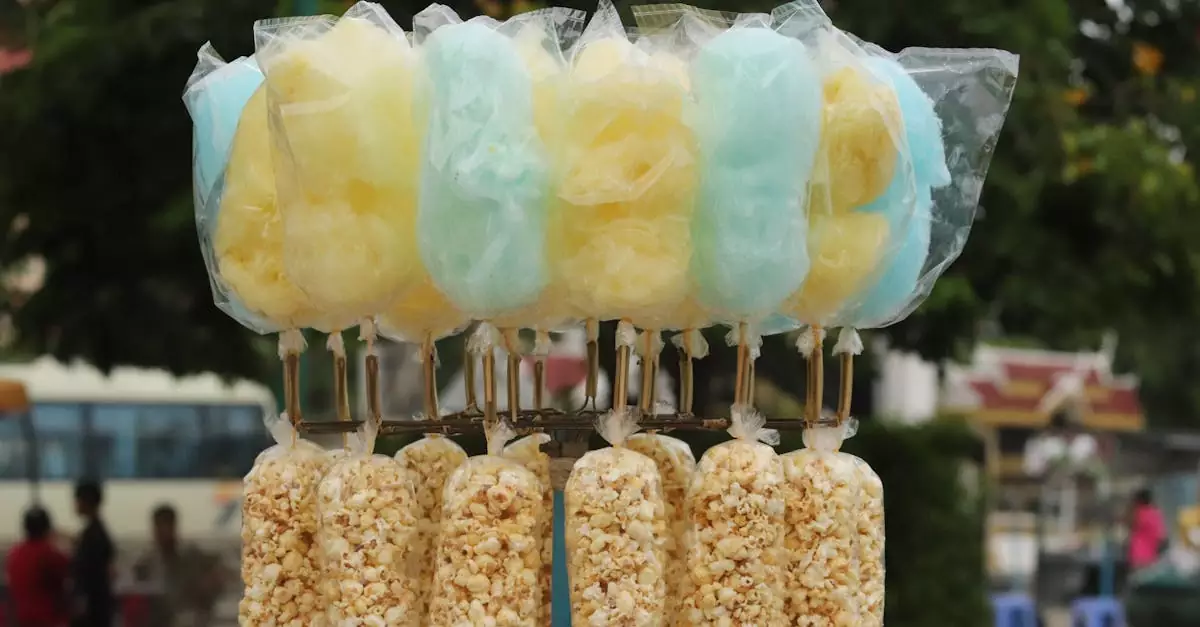
The cambodia street food vs restaurant cost matters most for travelers staying longer. Street prices in Phnom Penh tend to be remarkably steady: a bag of fresh fruit runs about $1.00, while a grilled pork skewer with rice commonly sells for $1.25. Youll find such vendors clustered around schools, construction sites and busy markets, serving people who need a quick, filling mealone reason street food remains the budget travelers go-to.
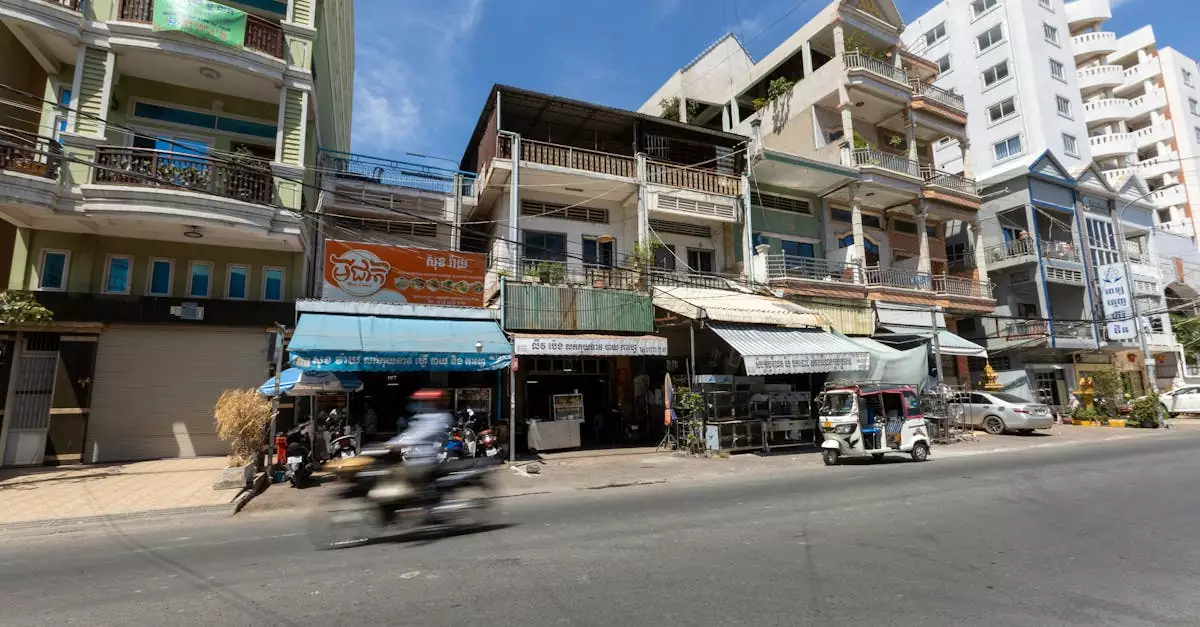
Local eateries generally start at a higher price point. Expect to pay roughly $3.00 to $6.00 for a main dish, with sodas or beers adding $1.00$2.00. Portion sizes are frequently larger than street servings, which can make a single restaurant meal last longer. Many of these spots are concentrated near the Cambodian capital Riverside area, a popular zone that often costs more than inner neighborhoods.
When multiplied over several meals, the difference becomes clear. A full day of street food might come to around $5.00, while choosing restaurants for every meal could push daily costs toward $15.00. Across a week, that gap can approach $70.00enough to fund a quality day trip or a bus ride to Siem Reap. A common approach is to eat street food at breakfast and lunch, reserving a restaurant for a relaxed evening meal.
Pros and Cons of Street Food in Cambodia
Street food brings more than low prices. One big advantage is speed: a cooked dish can be in your hands in under five minutes, which suits travelers who want to keep sightseeing. Because cooking happens in full view, you can watch how ingredients are handled and preparedsometimes making the process feel safer than unseen restaurant kitchens. The flavors are typically bold and tailored to local tastes.
There are trade-offs, though. Comfort is limited: you might find yourself on a tiny stool beside a busy road, exposed to dust and traffic noise. Refrigeration is often inconsistent, so perishables should be chosen with care to avoid stomach upsets. Handwashing facilities and napkins are rare, and customer toilets may not be available at most stalls.
- Pro: Extremely low prices starting at $1.00.
- Pro: Authentic local flavors and traditional recipes.
- Pro: Fast service with no need for reservations.
- Con: Limited seating and no air conditioning.
- Con: Potential hygiene risks with raw ingredients.
- Con: Exposure to traffic fumes and street noise.
Why Local Restaurants Are Worth the Extra Dollars
Paying a little more at a restaurant often buys comfort. Phnom Penhs heat and humidity make an air-conditioned room and a proper chair a welcome change. Dining can become a restful pause in your day rather than a rushed stop between activities. Clean restrooms and access to soap add a layer of convenience that many travelers appreciate.
Restaurants also let you experience more of Khmer cuisine in one sitting. While street stalls tend to focus on a single specialty, a restaurant menu can include Fish Amok, beef lok lak and mango saladdishes that are great for sharing and sampling. Staff at many mid-range places speak enough English to make ordering easier, which helps when you want to try several items.
Dining at restaurants can have positive community effects as well. They create steady employment for servers and cleaners, and some operate as social enterprises training marginalized youth. Though the countrys social and political context is complex, choosing to eat at local establishments often channels money directly into the community. You get a satisfying meal and the knowledge that your spending supports local livelihoods.
Comparison Table: Street Food vs Restaurant Prices
To make budgeting simpler, the table below shows average prices in Phnom Penh for 2026. Expect some variation by neighborhood; the further you stray from tourist areas, the lower prices tend to fall. Markets usually offer the best value for both street and sit-down options.
| Food Item | Street Food Price (USD) | Local Restaurant Price (USD) |
|---|---|---|
| Pork and Rice (Bai Sach Chrouk) | $1.25 | $3.00 |
| Noodle Soup (Kuy Teav) | $1.50 | $3.50 |
| Iced Coffee with Milk | $0.75 | $2.00 |
| Fresh Fruit Shake | $1.00 | $2.50 |
| Stir-fried Vegetables | $2.00 | $4.50 |
| Fried Rice with Chicken | $1.50 | $3.50 |
As the numbers suggest, street food generally comes in at roughly half the price of a comparable restaurant dish. For families, those savings add up quicklya family of four could save around $20.00 per meal by choosing stalls. For solo travelers, the small premium for a restaurant meal may be worth the extra space and comfort. Also double-check whether a restaurant adds tax or a service charge to the bill.
Essential Tips for Eating Cheap in Phnom Penh
Saving money on food in Phnom Penh takes a few simple habits. Follow the localsbusy stalls are usually safe and tasty because vendors sell quickly and have to maintain standards. Pick up a couple of Khmer phrases, like how to say ‘not spicy’ or ‘no sugar’; a little language effort often gets you a better-tailored dish and a friendlier reception.
Avoid the stalls and restaurants immediately next to major tourist sites; prices near the Royal Palace and other attractions are typically inflated. Walk a block or two into side streets to find much better value. Also, consider making your main meal at lunchtimemany places run cheaper lunch menus than evening service.
Be cautious about water no matter where you eat. Even when comparing the cambodia cheapest food options street vs restaurant, never rely on tap waterbuy bottled water or use hotel-filtered supplies. Many stalls use factory-made ice (look for ice with a hole in the middle), but if in doubt, ask. Carry a reusable bottle and refill from trusted sources to stay hydrated without risking your health.
Frequently Asked Questions
Is street food in Phnom Penh safe for tourists?
Generally yes, if you pick vendors with lots of customers and visible cooking. Choose hot, freshly prepared items and avoid raw vegetables if your stomach is sensitive. Always drink bottled water alongside street meals.
What is the most famous cheap dish in Cambodia?
Bai Sach Chroukpork and riceis the iconic low-cost breakfast and widely available on the streets for around $1.25. Its flavorful, filling and a staple across the city.
Do I need to tip at local restaurants in Cambodia?
Tipping is optional but appreciated. A small gesture of $0.50$1.00 for good service is common; at inexpensive street stalls tipping is not expected.
Can I pay with US Dollars for food in Phnom Penh?
Yes. US Dollars are commonly accepted alongside the Cambodian Riel, and many menus aimed at tourists list prices in dollars. Expect change to sometimes come in a mix of both currencies.
Are there vegetarian options at street food stalls?
Vegetarian choices exist but can be limited at meat-focused vendors. Seek out noodle stalls and ask for ‘no meat’ (ot sach). Restaurants are more likely to offer dedicated vegetarian dishes and clearer options.
Conclusion: Making the Best Food Choice
Deciding between the cambodia cheapest food options street vs restaurant is part of the fun of visiting Phnom Penh. Street stalls deliver unbeatable value and an authentic way to eat like a local, while restaurants offer comfort, variety and convenience. Mixing both approaches lets you taste a wide range of Khmer cuisine without overspending.
Keep hygiene top of mind and use the crowds as your guide when picking where to eat. Whether you choose a $1.00 bowl of noodles or a $5.00 curry, Cambodias flavors are memorable. Plan a loose food budget, try new dishes, and youll find Phnom Penh welcoming to food lovers in 2026.