
When you think of Cebu, visions of warm beaches and bright skies often come to mind. Yet, taking a closer look at the cebu rainy season travel cost reveals a treasure trove of affordable travel options. The rainy season, which spans from June through November, brings a distinct atmosphere and notable price reductions. During this time, the islands natural wonders can be enjoyed with fewer visitors and often at a fraction of the usual expense.
Many hesitate to plan a trip during these months, worried about interruptions caused by the weather. While rainfall is more common, it usually falls in brief, intense showers, leaving ample windows for sightseeing. Gaining insight into the rainy seasons patterns can help you prepare and make the most of your visit. This overview aims to guide you through the challenges and benefits of traveling to Cebu when the crowds thin and costs dip.
Covering everything from flights and lodging to local transport and activities, the information shared here will help you stretch your cebu off season budget without sacrificing quality. Discover how to experience Cebus charm in a more economical way and uncover the islands beauty from a fresh perspective.
Understanding Cebu’s Rainy Season Climate
Cebus weather is tropical, marked by two distinct seasons: dry and wet. The wet season usually lasts from June until November. During this period, humidity rises and rain showers become more frequent. However, rainy season doesnt imply constant rain. Instead, brief but heavy showers are typical, often lasting an hour or two before clearing up to reveal sunshine and clear skies. Mornings tend to be bright, with showers occurring mostly in the afternoons or evenings.
Temperatures hover between 27-30C (81-86F) year-round, so swimming and beach activities remain viable even on rainy days. Flexibility in your plans is key. From August to October, typhoons or tropical depressions may hit, bringing heavier rain and stronger winds. Keeping an eye on forecasts from reliable sources like the Philippine Atmospheric, Geophysical and Astronomical Services Administration (PAGASA) is crucial. Being prepared for shifting weather helps your trip go smoothly.
Despite the rain, the islands scenery becomes strikingly lush and vivid. Waterfalls flow at their fullest, and greenery flourishes, creating stunning photo opportunities. A lightweight rain jacket and waterproof bags usually suffice for most travelers. Dont let the phrase rainy season discourage youits a chance to see Cebu in a quieter, often more authentic light.
Cebu Rainy Season Travel Cost: Flights and Accommodation
Visiting Cebu during the rainy months can bring substantial savings on flights and hotels. Airlines frequently lower fares to Mactan-Cebu International Airport (CEB) during this less busy period. Round-trip tickets from major Asian cities can be 20-40% cheaper compared to peak season. For instance, a flight from Singapore might cost between $150 and $250 during the rainy season, whereas prices tend to double in the dry months. Booking early still helps snag the best deals, and comparing offers across airlines and booking sites pays off.
Accommodation prices drop noticeably too. Hotels, resorts, and guesthouses often provide discounts and special offers to attract guests. A mid-range hotel room that usually charges $50-$80 per night may be found for $30-$60 during the rainy season. Luxury resorts sometimes slash prices by 30-50%, while budget hostels can offer beds for as little as $8-$15 nightly. This makes traveling on a cebu off season budget much more accessible.
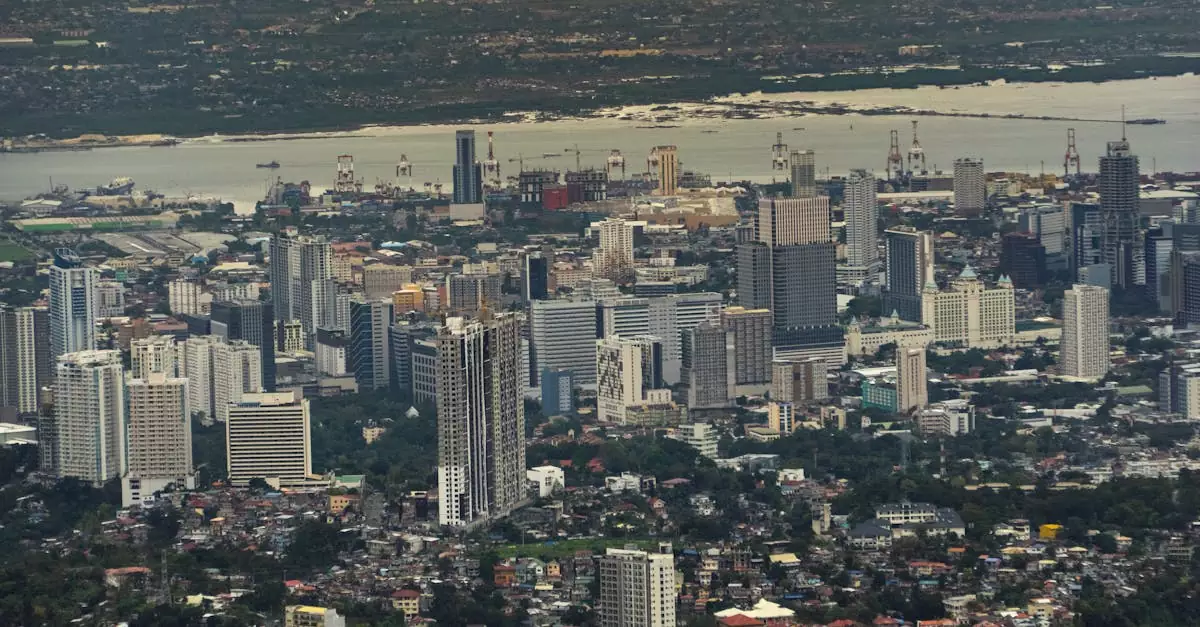
Many places also extend discounts for longer stays or bundle deals during these months. Reaching out to hotels directly might uncover exclusive rainy season rates. With fewer bookings, availability increases, giving you the freedom to pick accommodations that best suit your preferences and needs. These reduced prices often allow travelers to lengthen their visit or allocate more funds to activities.
Local Transportation and Activity Costs
Transportation expenses around Cebu stay relatively stable throughout the year, though weather conditions can affect your travel choices. Jeepneys remain the cheapest way to get around, with fares starting at about 13 (roughly $0.22) for short trips. For longer journeys, like those to Moalboal or Oslob, buses offer economical options at 150-250 ($2.50-$4.20). Taxis and ride-hailing services such as Grab provide convenience but come at a higher price, typically 100-300 ($1.70-$5.00) within the city. Expect potential surge pricing on rainy days, especially during heavy downpours.
Activity prices sometimes dip during the rainy season, with some operators offering discounts due to decreased demand. Entrance fees to popular spots like Kawasan Falls or Sumilon Island usually remain unchanged, ranging from 50 to 500 ($0.85-$8.50). However, tours such as canyoneering in Badian might be negotiable, potentially reducing costs by 10-20% from the usual 1500-2500 ($25-$42). Snorkeling and diving trips are often less crowded and may come at lower prices.

Indoor options are great alternatives when rain disrupts outdoor plans. Museums, shopping centers, and markets provide shelter and entertainment. Visiting the Basilica Minore del Santo Nio is free, while museum entries usually cost between 50 and 100 ($0.85-$1.70). Dining at local eateries remains affordable, with meals priced around 100-300 ($1.70-$5.00). Weather-related cancellations do occur, especially for water-based excursions, so confirming bookings and keeping backup activities ready is smart. This adaptability helps you manage your cebu off season budget effectively.
Pros and Cons of Rainy Season Travel in Cebu
Choosing to visit Cebu during the rainy season comes with both perks and drawbacks. On the positive side, cost savings stand out. Flights, hotels, and many tours become more affordable due to reduced demand, opening up opportunities for travelers on tighter budgets. Another advantage is fewer visitors at well-known attractions like Kawasan Falls or Oslobs whale shark tours, which means less waiting and a more tranquil experience.
The lush green landscape during this time is striking. Waterfalls swell and the vegetation is at its most vibrant, creating stunning scenery and photo-worthy moments. With fewer tourists around, local people often engage more openly, offering a glimpse into authentic Filipino culture. This quieter season allows for a more intimate connection with the island’s natural and cultural beauty.
On the downside, the unpredictability of weather can affect plans. While showers are usually brief, heavy rains or typhoons can cause delays, cancellations, and even restrict access to certain areas, especially rural ones where roads may become difficult to traverse. High humidity can feel uncomfortable, and outdoor activities like island hopping or lounging on the beach might be hampered by rough seas or overcast skies. Having a flexible itinerary and indoor options ready helps avoid frustration and ensures your trip remains enjoyable.
Comparison: Dry Season vs. Rainy Season Costs
Knowing the price differences between Cebus dry and rainy seasons is essential for budgeting. The dry season, running from December through May, draws the most tourists, pushing prices up. In contrast, the rainy season from June to November offers substantial savings thanks to lower demand. The table below summarizes average costs for common travel expenses.
| Expense Category | Dry Season (Peak) | Rainy Season (Off-Peak) |
|---|---|---|
| Round-trip Flights (e.g., from Asia) | $300 – $500 | $150 – $300 |
| Mid-range Hotel (per night) | $50 – $80 | $30 – $60 |
| Budget Hostel Bed (per night) | $15 – $25 | $8 – $15 |
| Daily Food Budget (mid-range) | $20 – $35 | $15 – $30 |
| Canyoneering Tour (Badian) | $40 – $60 | $30 – $50 |
| Island Hopping Tour | $35 – $55 | $25 – $45 |
| Local Transport (daily average) | $5 – $10 | $5 – $10 (potential surge pricing during heavy rain) |
The most notable savings appear in airfare and accommodation, where a week-long trip during the rainy season could cost hundreds less than in the dry season. For example, a typical vacation might run $1000-$1500 in peak months but drop to $600-$1000 off-peak. This frees up funds for extra activities or a longer stay. Local transport prices remain steady, though weather can impact travel times. These figures highlight the financial benefits of visiting Cebu when the rains come.
Practical Tips for a Budget-Friendly Rainy Season Trip
To fully benefit from lower cebu rainy season travel cost, planning and flexibility go hand in hand. Start by packing smart: lightweight, quick-drying clothes are a must, along with a reliable rain jacket, waterproof footwear, and a dry bag to protect gadgets. Umbrellas are common and handy for sudden showers.
- Book Flexibly: Opt for flights and hotels with flexible cancellation policies to accommodate weather-related changes.
- Use Local Transport: Jeepneys and buses offer the best value for daily travel. Learn the routes or ask residents for guidance.
- Eat Like a Local: Avoid tourist-focused restaurants and try carinderias or markets for tasty, affordable meals costing around 80-150 ($1.35-$2.50).
- Negotiate Tours: With fewer customers, tour operators may be willing to lower prices or offer group discounts.
- Have Indoor Plans: Identify museums, historic sites, and malls as rainy day options. Cebu City has spots like the Cebu Taoist Temple (free entry) and SM Seaside City Cebu for shelter and entertainment.
Important Tip 1: Carry sufficient cash since some small businesses and rural areas might only accept cash. This also helps during power outages caused by storms. Important Tip 2: Download offline maps to navigate places with unreliable internet, ensuring you stay on track without connectivity issues.
Reality Check: Although prices drop, some outdoor activities like island hopping may be called off when conditions turn unsafe. Be ready to adjust your schedule and consider travel insurance covering weather interruptions for peace of mind. Following these strategies lets you enjoy Cebu affordably while handling the rainy seasons challenges.
Exploring Cebu’s Attractions During the Rainy Season
Cebu remains full of attractions worth visiting despite the rain, provided you plan wisely and stay flexible. Nature enthusiasts will find waterfalls at their most impressive during this time. Kawasan Falls, for example, offers breathtaking views and lush surroundings. While canyoneering might be restricted during heavy rain for safety, the main falls area typically stays open. Expect muddy paths and bring sturdy shoes. The reduced crowds create a peaceful atmosphere rarely experienced in peak season. Typical visits last 2-3 hours, with entrance fees around 40.
City-based historical and cultural sites are excellent choices regardless of weather. Places like Magellan’s Cross, the Basilica Minore del Santo Nio, and Fort San Pedro feature covered areas or indoor sections. These landmarks provide insight into the Philippines history and culture. Entry to Magellans Cross and the Basilica is free, while Fort San Pedro charges a modest 30. Visiting these spots can easily fill a half-day itinerary. For a deeper dive into colonial heritage, consider the Casa Gorordo Museum or the Yap-Sandiego Ancestral House, both ideal for rainy afternoons.
For the adventurous, exploring caves such as the Budlaan Falls and cave system is possible with a local guide, though caution is vital during heavy rain due to flash flood risks. Safety should always be the top priority. Alternatively, outdoor spots like the Sirao Flower Garden or Temple of Leah offer stunning views and wonderful photo opportunities, as short showers tend to clear quickly. The vibrant blooms at Sirao stand out beautifully against the refreshed landscape. Always check local advisories before heading to outdoor sites, especially those near water. For official travel information, visit the eTravel website.
Food and Dining: A Budget Traveler’s Guide
Cebu’s food scene is a highlight that can be enjoyed without overspending during the rainy season. Filipino cuisine is both flavorful and affordable. Dont miss trying lechon, the famous roasted pig. While a whole lechon can be expensive, individual servings at local eateries cost about 150-300 ($2.50-$5.00). Popular options include Zubuchon and Rico’s Lechon, known for quality but slightly higher prices. To stretch your cebu off season budget, seek out carinderias and sari-sari storessmall, family-run spots offering hearty meals for 80-150 ($1.35-$2.50) including rice and a main dish.
Seafood is another specialty in Cebu, fresh and plentiful. Larsian BBQ is a must-visit outdoor dining area where you select ingredients and have them grilled on the spot. Meals here typically cost 200-400 ($3.40-$6.80), delivering local flavors at a modest price. Dont overlook Filipino favorites like kinilaw (ceviche), sinigang (sour soup), and halo-halo (a chilled dessert). These are widely available and budget-friendly across the island.
Coffee shops and cafes offer cozy refuges on drizzly afternoons. A cup of local coffee usually costs between 50 and 100 ($0.85-$1.70), and many spots serve light snacks or pastries. Sticking to local cafes rather than international chains not only saves money but also offers a more genuine experience. Be mindful that prices in tourist-heavy areas might be slightly higher; wandering a bit off the beaten path often reveals hidden culinary gems. This approach helps keep your cebu rainy season travel cost in check while savoring authentic tastes.
FAQs About Cebu Rainy Season Travel
Is it safe to travel to Cebu during the rainy season?
Generally, yes. Its advisable to stay updated on weather forecasts for typhoons or heavy rainfall alerts. Some outdoor activities may be paused temporarily for safety.
What are the typical rain patterns in Cebu during the rainy season?
Rain usually falls in short, intense bursts, mostly in the afternoon or evening. Mornings are often clear and sunny. Continuous, prolonged rain is uncommon unless a typhoon is nearby.
Can I still enjoy beach activities during the rainy season?
Yes, many days remain sunny with warm water. However, rough winds and heavy rains can make swimming or island hopping less appealing. Always check sea conditions beforehand.
What should I pack for a rainy season trip to Cebu?
Bring lightweight, quick-drying clothing, a quality rain jacket, waterproof footwear, and a dry bag for electronics. An umbrella is useful for brief walks.
Are attractions open during the rainy season in Cebu?
Most attractions operate year-round, especially indoor or covered sites. Some outdoor activities like canyoneering or island hopping may close temporarily in bad weather. Confirm availability before visiting.
Conclusion: Embrace the Value of Off-Peak Cebu Travel
Visiting Cebu during the rainy season offers a distinct and rewarding experience, particularly for those watching their spending. While rain means being adaptable, the significant discounts on flights and lodging are compelling. With fewer tourists around, you get a more personal connection to Cebus incredible landscapes and rich culture. The lush greenery, roaring waterfalls, and genuine local encounters paint a fresh picture of the island.
By planning carefully, packing the right gear, and choosing local food and transport, you can enjoy an unforgettable trip. The reduced cebu rainy season travel cost lets you extend your stay or indulge in experiences that might otherwise be out of reach. Staying informed on the weather and having indoor alternatives ensures your journey remains smooth and pleasant.
Overall, exploring Cebu in the rainy season is an excellent option for travelers seeking value, authenticity, and a chance to see the islands quieter side. Its an opportunity to uncover hidden treasures and build lasting memories, all without the crowds or high prices of peak months. For a wider view on travel across the region, check out resources on the Philippines on Wikipedia.