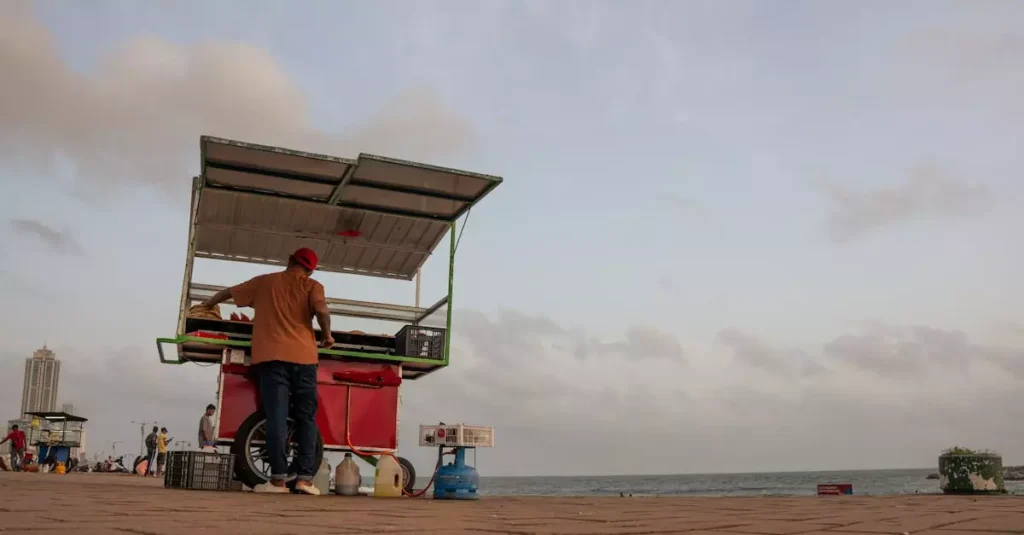
Colombo stands out as one of the most budget-friendly cities in Sri Lanka for food lovers. If your travel plans for 2026 are taking shape, you might be pondering a crucial decision: should you indulge in street food or opt for a sit-down restaurant? This colombo street food vs restaurant cost comparison provides insights into meal prices, portion sizes, timing, transportation, and which type of dining experience suits different travelers best.
Dining in Colombo can be incredibly economical, but prices fluctuate based on location, meal type, and level of comfort. A quick snack from a street vendor might cost less than a bus fare, while a full meal at a restaurant can still be reasonable by global standards. This guide offers a detailed colombo food cost comparison to help you confidently plan your daily expenses.
Youll also discover where the crowds tend to gather, the distance of food spots from central areas, and how weather conditions might influence your choices. The aim here isnt to favor one dining option over the other but to assist you in making wise spending decisions in Colombo, Sri Lanka.
Colombo Street Food vs Restaurant Cost Comparison: What Changes the Price?
The key distinctions in this colombo street food vs restaurant cost comparison extend beyond just the quality of food. Factors like service, seating arrangements, hygiene standards, location, and portion sizes play significant roles. Street food is typically less expensive because youre primarily paying for the food itself rather than the entire dining experience. Conversely, restaurants charge more to cover the costs of staff, tables, air conditioning in some instances, and a more curated menu.
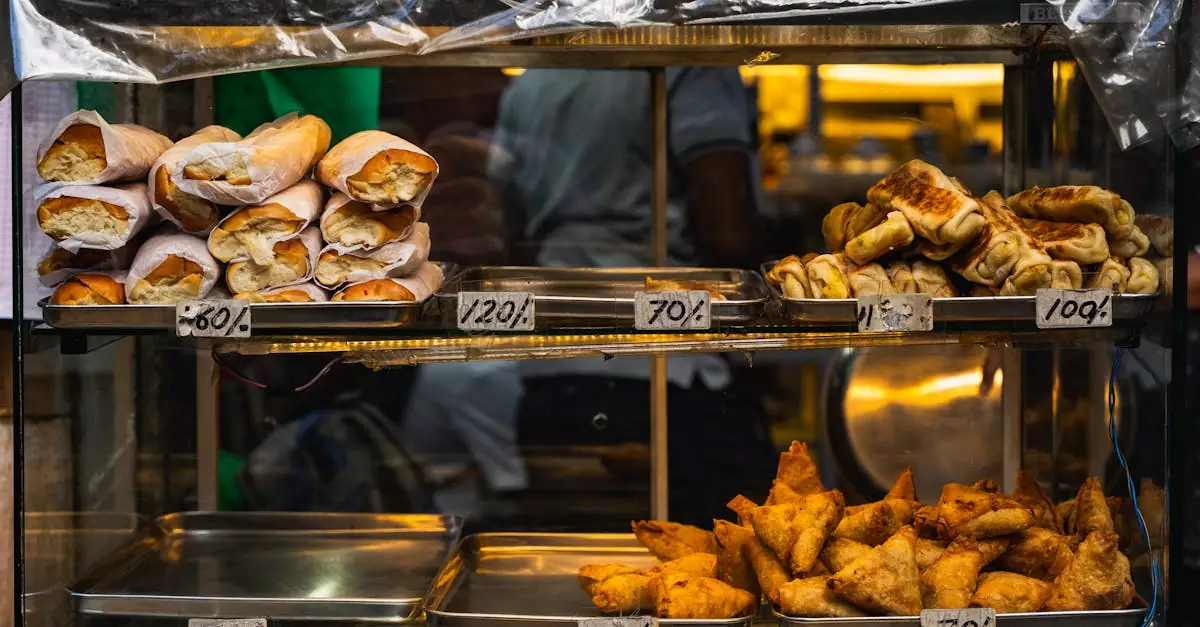
In the heart of Colombo, a street snack such as isso vade, roti, or a small rice parcel may set you back around LKR 150 to 500. A complete meal at a casual local eatery generally starts at about LKR 900 to 2,500 per person. Mid-range establishments can range from LKR 2,500 to 5,000, especially if you opt for drinks or seafood. Upscale dining can escalate the bill significantly.
Location also plays a crucial role. If youre situated in areas like Colombo 03, Colombo 04, or near Fort, many food venues can be reached within 10 to 25 minutes via tuk-tuk or rideshare. A brief tuk-tuk ride might cost between LKR 300 to 900, depending on traffic and the time of day. Therefore, if youre aiming for the most economical meal, transportation costs can eat into your savings.
For the majority of travelers, a mixed approach tends to be ideal. Rely on street food for quick snacks and a couple of meals, while reserving restaurants for leisurely lunches or dinners when comfort and protection from the elements or crowds are desired.
| Food Option | Typical Cost per Person | Best For | Notes |
|---|---|---|---|
| Street snack | LKR 150-500 | Fast, cheap bites | Often no seating |
| Street meal | LKR 400-900 | Budget lunch | Good value but basic setup |
| Casual local restaurant | LKR 900-2,500 | Full meal | Cleaner seating, more menu choice |
| Mid-range restaurant | LKR 2,500-5,000 | Comfort and variety | Often includes drinks or seafood |
| Upscale dining | LKR 5,000+ | Special occasions | Higher service and ambience |
Street Food in Colombo: Cheap, Fast, and Local
Street food is a fantastic way to keep your expenses down while in Colombo. Youll find vendors near busy roads, markets, beach areas, and popular evening hangouts. Some of the favorites include kottu, roti, vade, short eats, and various fried snacks. In many instances, a generous portion will cost significantly less than a starter at a restaurant.
The primary benefit is the speed of service. Many stalls can have your food ready in under 10 minutes, with some snacks even prepared faster. This convenience is ideal for those on the go between sightseeing stops. Street food is also conveniently located near major transport hubs, eliminating the need for lengthy meal breaks.
However, there are some downsides. Seating is often scarce, and peak times can slow down service. Evening stalls, especially in busy areas, tend to get crowded between 6:30 pm and 9:00 pm. In humid conditions, standing near hot grills or frying pans can be uncomfortable. During the rainy season, some vendors may limit outdoor seating or close earlier than usual.
Important Tip: For the best value, opt for street food where locals are queuing. A short line typically indicates fresh food and high demand. It also helps you avoid establishments that appear empty for no apparent reason.
Reality Check: Just because something is cheap doesnt always mean its safe for everyone. If you have a sensitive stomach, choose stalls that have a high turnover, serve hot food, and allow you to see the preparation process. Steer clear of items that have been sitting out for extended periods in the heat.
- Best for: quick lunches, snacks, and budget travelers
- Typical time to get food: 5 to 15 minutes
- Average budget: LKR 500 to 1,200 for a light meal
- Common drawback: limited seating and less comfort
Restaurants in Colombo: More Comfort, Higher Bill
Restaurants in Colombo are ideal for those seeking a more leisurely meal, cleaner seating, and reliable service. They cater well to families, first-time visitors, and anyone looking for air conditioning after a hot day in the city. Compared to street food, the prices are higher due to the added comfort and a more comprehensive dining experience.
A casual Sri Lankan restaurant can still be budget-friendly. Many local spots offer rice and curry, seafood, noodles, or mixed plates for around LKR 900 to 2,500. If you opt for a mid-range restaurant in a central or tourist-friendly area, the bill can escalate quickly with drinks, desserts, or seafood. Western-style cafes and hotel dining typically cost more than local eateries.
Timing is another crucial factor. Lunch hours from 12:00 pm to 2:00 pm can get busy in business districts like Fort and Colombo 03. Dinner service often begins around 6:30 pm, and popular venues tend to fill up quickly on weekends. If you prefer a quieter dining experience, consider arriving early or making a reservation.
Restaurants also provide a refuge during the rainy season. Colombo can experience heavy downpours, and indoor dining can be a relief when streets are flooded or traffic slows down. If youre using tuk-tuks or rideshares, dining in a central location can save you time and alleviate the stress of navigating through rain.
- Best for: comfort, longer meals, and group dining
- Typical time to get food: 15 to 30 minutes
- Average budget: LKR 1,500 to 4,000 for a proper meal
- Common drawback: higher cost and slower service during busy hours
Comparison Table: Which Option Fits Your Travel Style?
| Factor | Street Food | Restaurant |
|---|---|---|
| Price | Lower | Higher |
| Speed | Very fast | Moderate |
| Comfort | Basic | Better |
| Seating | Often limited | Usually available |
| Weather impact | High | Low |
| Hygiene control | Varies by stall | Usually more consistent |
| Best time | Late morning to evening | Lunch and dinner |
| Budget fit | Backpackers, solo travelers | Families, comfort-focused travelers |
If youre on a tight budget, street food usually offers the greatest savings. However, if you wish to avoid heat, rain, or uncertainty, restaurants provide a safer alternative. Many travelers find that a combination of both options is often the most sensible approach.
For more context about the country and its culinary culture, you can check out Sri Lanka on Wikipedia. It serves as a handy reference before you finalize your travel plans.
Where to Eat in Colombo and How to Get There
Colombo is quite spread out, so your location can significantly impact your food budget. Central neighborhoods like Fort, Pettah, Kollupitiya, Bambalapitiya, and Colombo 03 are popular dining areas. Pettah is known for inexpensive snacks and market food, while Fort offers business lunch options. Colombo 03 and Colombo 04 are home to more cafes, modern restaurants, and diverse menus.
While the distances between these areas may seem short on a map, traffic can transform a 10-minute ride into a 25-minute journey or longer. Tuk-tuks are the most convenient mode of transport for short distances. Rideshare apps also offer clear pricing and ease of use. Public buses are cheaper, but they may be less comfortable if youre carrying bags or traveling during peak hours.
Its wise to plan around traffic patterns whenever possible. The morning rush typically occurs from 7:30 am to 9:00 am, and evening congestion tends to build after 5:00 pm. If you plan to dine at a popular restaurant, allow extra travel time. For street food, consider heading out earlier in the evening to beat the largest crowds.
The Sri Lanka tourism site is a valuable resource for official travel planning and city essentials. It can assist you in creating a broader itinerary that includes food stops.
Seasonal weather also impacts your route choices. From approximately May to September, sudden rain can slow down short trips. During the drier months, walking between nearby food spots is more manageable, although the midday heat can still be intense. Stay hydrated and keep food stops close to your other plans.
Best Time to Eat Street Food or Restaurant Meals in Colombo
Timing plays a significant role in both cost and comfort. Street food is typically best enjoyed in the late afternoon and evening when stalls are fully operational and turnover is high. Many vendors see their busiest hours from around 5:30 pm to 9:00 pm. This is a good indicator of freshness, but it can also mean longer wait times and more crowds.
Restaurants often provide a more relaxed atmosphere during lunch if you prefer a quieter meal. Aim for 11:30 am to 1:00 pm for quicker seating. Dinner is also a good option, but popular venues may fill up quickly on weekends and public holidays. If your stay in Colombo is brief, consider making reservations for any restaurant youre eager to try.
The weather can influence your dining experience more than you might expect. Colombo can feel quite hot during midday, making outdoor street dining less enjoyable. Rain can also disrupt plans for market-style food. If the forecast looks uncertain, its wise to choose a restaurant or a covered food court instead of relying on open-air stalls.
Important Tip: Align your meal choices with the weather. Opt for street food on dry evenings and select restaurants during heavy rain or extreme heat. This straightforward adjustment enhances comfort without significantly increasing your budget.
If youre seeking more general information about your destination, Love Sri Lanka offers excellent travel inspiration highlighting the country and its attractions.
Pros and Cons of Street Food vs Restaurant Dining
Street Food Pros
- Generally the lowest prices
- Quick service, ideal for busy days
- Great for sampling local flavors
- Perfect for light meals and snacks
Street Food Cons
- Seating and shade can be limited
- More exposure to weather conditions
- Quality may vary from stall to stall
- Not the best choice for those with sensitive stomachs
Restaurant Pros
- Greater comfort and seating options
- More consistent hygiene standards
- Ideal for families and groups
- Better suited for rainy or extremely hot weather
Restaurant Cons
- Higher cost per meal
- Service can be slower during peak times
- May feel less authentic in tourist-heavy areas
- Transport costs can add up
Your choice ultimately hinges on your priorities. If minimizing daily expenses is your goal, street food is the clear winner. However, if you seek a more relaxed dining experience with fewer surprises, restaurants are worth the extra expense. Most travelers find that a combination of both options strikes the best balance between budget and comfort.
Practical Tips for a Better Colombo Food Budget
Colombo can be quite economical if you approach your meal planning thoughtfully. Start by determining which meals are most important to you. Many travelers find success by enjoying a low-cost breakfast, a street lunch, and a more upscale dinner once or twice during their stay. This strategy helps keep overall costs manageable without making the trip feel overly restrictive.
Consider the total cost, not just the price of the food. A cheap meal located far from your accommodation might necessitate a tuk-tuk ride, while a slightly pricier restaurant nearby could end up being more economical overall. This is why a comprehensive colombo food cost comparison should factor in transportation expenses as well.
Whenever possible, opt for local dishes. They tend to be less expensive than imported or Western items. Additionally, be mindful of portion sizes before ordering too much, as some restaurants in Colombo serve generous portions, especially with rice and curry.
Important Tip: Keep small denominations of cash handy for street food and tuk-tuk rides. This will save you time and prevent issues when vendors are reluctant to break larger bills.
Important Tip: When enjoying street food in busy areas, choose stalls that offer visible cooking and have a quick turnover. Freshly prepared food is generally the safer and tastier option.
For a more comprehensive view of the countrys history and its place in Asia, consider visiting Britannicas Sri Lanka page. It provides valuable background information for travelers interested in more than just food planning.
FAQs About Colombo Street Food vs Restaurant Cost Comparison
Is street food always cheaper than restaurants in Colombo?
Generally, yes, but not when you factor in transportation costs. A budget stall might be far from your hotel, whereas a nearby restaurant could save you both time and tuk-tuk fare.
How much should I budget for food per day in Colombo?
Budget travelers can often manage on LKR 1,500 to 3,000 daily with street food and simple meals. Mid-range travelers typically spend around LKR 4,000 to 8,000 each day.
Is Colombo street food safe for first-time visitors?
It can be safe if you select busy stalls that serve hot, freshly prepared food. Travelers with sensitive stomachs should start with small portions and avoid items that have been left out for too long.
Which is better for families, street food or restaurants?
Restaurants are generally more suitable for families, offering seating, cleaner restrooms, and less stress during hot or rainy weather.
What is the best time to try street food in Colombo?
Late afternoon and evening are usually ideal. The food is fresher, the stalls are bustling, and a local crowd indicates good demand.
Conclusion: Which Option Wins in Colombo?
In this colombo street food vs restaurant cost comparison, street food excels in terms of price and speed, while restaurants shine in comfort and consistency. If your goal is to minimize spending, street food is the superior choice. However, if you prefer a more relaxed dining experience with less concern about the weather, restaurants justify the extra expense.
The most effective strategy in Colombo, Sri Lanka, often involves a blend of both options. Utilize street food for quick snacks and affordable lunches, while reserving restaurants for longer meals, better seating, or when you need a safer option during adverse weather. This approach provides the best value without making your trip feel restricted.
For many travelers, the real answer isnt about choosing one option over the other. Its about knowing when to use each option effectively. Thats how you can manage food expenses while still enjoying all that Colombo has to offer in 2026.