
Traveling in Dhaka during the monsoon can be budget-friendly with the right planning. While the rain transforms the city quickly, it doesn’t necessarily mean that travel costs will skyrocket. In fact, those who opt for local transportation, enjoy street food, and keep their journeys brief can find that the dhaka rainy season budget is quite manageable.
From June to September, Dhaka, the capital of Bangladesh, experiences significant rainfall. Flooded roads, slow traffic, and increased ride prices during rush hours are common. Nevertheless, many areas remain vibrant, and with a solid plan, navigating the city is still feasible. This guide provides insights into costs, travel times, distances, transportation options, crowd dynamics, and potential seasonal challenges.
This article aims to provide practical advice based on real travel experiences rather than idealized scenarios. You’ll learn where your money goes, the changes brought by the monsoon, and how to keep your Dhaka monsoon travel expenses in check for 2026.
Dhaka Monsoon Travel Cost: What You Should Expect
Understanding that the cost of travel in Dhaka during the monsoon is influenced by rainfall, traffic conditions, and your chosen route is essential. The city bustles year-round, but the monsoon brings additional delays. A quick 5 km journey might take 20 minutes on a clear day but could stretch to 45 minutes or longer when it rains. This added time can impact transport expenses, meal choices, and hotel selections.
For those on a budget, daily costs in Dhaka during the rainy season typically range from BDT 2,500 to BDT 4,500. This amount usually covers basic accommodations, local dining, and transportation within the city. Mid-range travelers might find themselves spending between BDT 6,000 and BDT 12,000 daily if they prefer private vehicles, nicer hotels, and a bit more comfort. The dhaka rainy season budget can often be lower than during peak travel times, provided you avoid last-minute bookings.
Traveling during the monsoon also alters how you get around the city. While buses are economical, they can be slow and overcrowded. Ride-hailing services offer convenience, but fares can increase during rainy spells. Keeping your itinerary flexible will help you manage your budget effectively.
| Item | Budget Range in 2026 | Notes |
|---|---|---|
| Local meal | BDT 150-400 | Tea stalls and simple restaurants cost less |
| Budget hotel | BDT 2,000-4,000 | Prices rise near business zones |
| Ride-hailing trip | BDT 150-600 | Depends on distance and rain |
| Rickshaw ride | BDT 40-150 | Best for short distances |
| Day trip transport | BDT 800-2,500 | Higher if roads are slow |
For a general overview of the country, visit Bangladesh overview.
Best Time to Visit Dhaka in Monsoon
The monsoon season in Dhaka typically spans from June to September, with the heaviest rainfall occurring in July and August. If your priority is to save money, consider traveling in early June or late September, as the rain may be less intense compared to the peak weeks.
Mornings generally offer easier travel conditions than afternoons. Roads tend to be less flooded early in the day, and traffic is lighter before the office rush begins. After 4 pm, the combination of rain and traffic often leads to significant delays. For crossing the city, it’s wise to plan ahead. A 10 km journey might take 30 to 40 minutes in light traffic but can take much longer in heavy rain.
Many travelers wonder if the monsoon is a poor time to visit Dhaka. The straightforward answer is no, but it does require a bit more patience. Waterproof footwear and extra time in your schedule are essential. If you’re scheduling meetings, sightseeing, or airport transfers, allow for an additional 30 to 60 minutes.
For a broader perspective on the country’s travel landscape, check out Bangladesh on Britannica.
How to Move Around Dhaka in the Rain
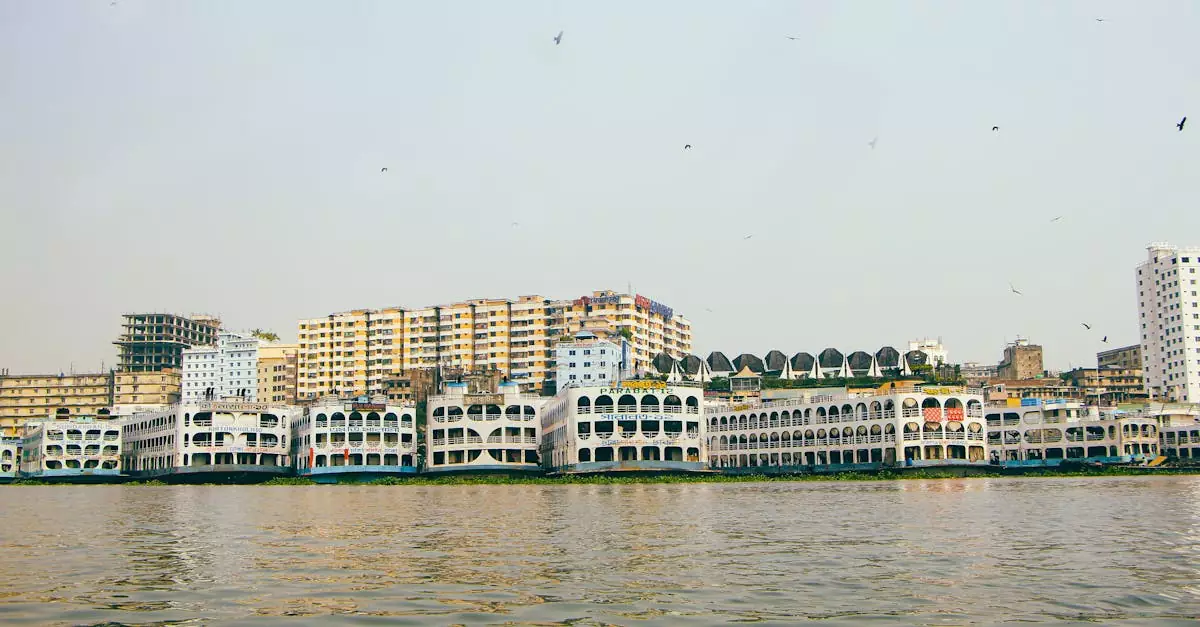
Transportation plays a crucial role in determining your Dhaka monsoon travel costs. The city provides various options, each affected differently by the rain. Rickshaws are ideal for short trips through flooded streets. While they may be slow, they can navigate areas where vehicles struggle. For distances of 1 to 3 km, a rickshaw ride typically costs between BDT 40 and BDT 150, depending on demand and road conditions.
For longer distances, ride-hailing cars and motorcycles offer more comfort. A journey of 5 to 8 km might cost BDT 200 to BDT 500 under normal circumstances. However, during rain, surge pricing can increase these fares. Always verify the fare before booking. If you’re traveling through busy areas like Gulshan, Banani, Motijheel, or Dhanmondi, expect traffic to add significant time, even for short distances.
Buses represent the most economical choice, but they can be challenging during the monsoon. They often become crowded, wet, and unpredictable. For first-time visitors, they may not be the best option in heavy rain. A good strategy is to combine rickshaws for short trips with app-based rides for longer journeys.
Important Tip: Keep small cash denominations handy. Many rickshaw drivers and local vendors prefer not to accept large bills, especially during rain when they need quick payments.
Important Tip: Save your hotel location in offline maps. Heavy rain can disrupt GPS accuracy on certain streets, helping you avoid wrong turns and unnecessary fares.
Where Your Money Goes: Hotels, Food, and Daily Spending
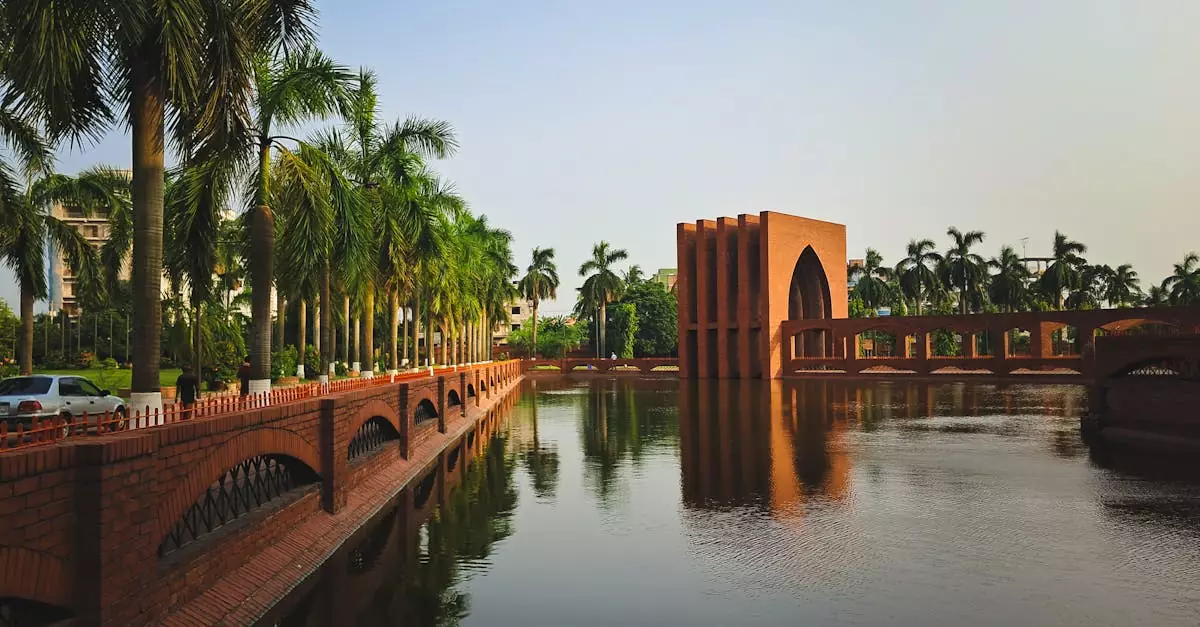
Your choice of accommodation can significantly influence your overall travel costs in Dhaka during the monsoon. Budget hotels in decent neighborhoods may start at around BDT 2,000 per night. Mid-range hotels typically range from BDT 4,500 to BDT 9,000. Some hotels may offer better rates during the monsoon, but expect higher prices in business districts. Opt for a location close to your planned activities; a cheaper room far away can end up costing more in transportation.
Dining is generally affordable in Dhaka. Local breakfast items like paratha, eggs, and tea usually cost between BDT 100 and BDT 250. Lunch at a casual eatery might range from BDT 200 to BDT 500, with dinner costs being similar. If you choose to dine at hotel restaurants or international cafes, your food budget can quickly double. For a realistic dhaka rainy season budget, many travelers spend between BDT 600 and BDT 1,500 daily on meals.
Investing in waterproof gear is also essential. A compact umbrella, a rain cover for your backpack, and quick-drying clothing can prevent the need for last-minute purchases. While small expenses may seem insignificant, they accumulate. Forgetting rain gear could lead to additional costs for taxis, plastic covers, or replacement footwear.
For official tourism ideas and destination inspiration, visit Beautiful Bangladesh.
Sample Daily Budget for Dhaka in Monsoon
- Budget stay: BDT 2,000 to BDT 4,000
- Food: BDT 600 to BDT 1,500
- Local transport: BDT 300 to BDT 1,000
- Rain gear and extras: BDT 100 to BDT 500
- Total: BDT 3,000 to BDT 7,000 for a simple trip
Reality Check: Rain doesn’t always make Dhaka cheaper. Traveling during peak hours, booking rides late, or staying far from your destination can quickly increase costs. While the city is generally affordable, traffic can eat into your savings.
Pros and Cons of Visiting Dhaka in Monsoon
There are clear advantages and disadvantages to consider when it comes to the costs of traveling in Dhaka during the monsoon. One of the main benefits is the value; lower room rates are often available compared to peak travel times. Local cuisine remains budget-friendly, and many attractions have low entry fees. Additionally, the city becomes greener and cooler after rainfall, despite the lingering humidity.
The primary drawback is time. Rain can slow everything down. Flooded streets, stuck vehicles, and unexpectedly long trips can be frustrating. Crowd behavior shifts as people rush for shelter, drivers become more selective, and public transport can become overcrowded. This can turn simple journeys into tiring experiences.
On the upside, some popular attractions may be less crowded than during peak seasons. However, this doesn’t imply they are empty. Dhaka remains a bustling capital city, and traffic and crowds are part of the experience. If you’re seeking tranquility and smooth travel, the monsoon might not be the best season. However, if you’re willing to accept delays for lower prices, it can be advantageous.
Pros
- Lower hotel rates in some areas
- Affordable local food
- Greener city views after rain
- Opportunity to experience Dhaka in a different season
Cons
- Heavy traffic and slow movement
- Flooded roads in some neighborhoods
- Higher ride fares during rain
- More effort needed for planning
Distance, Timing, and Route Planning in Dhaka
In Dhaka, distance plays a more significant role than in many other cities. A 7 km journey can feel substantial during the monsoon. The city’s road system is dense, and many roads narrow near markets, schools, and office areas. When planning a full day, try to cluster your destinations by area. For instance, you might group nearby stops in Dhanmondi or focus on Gulshan and Banani for a half-day.
Timing is also crucial. Early mornings between 7 am and 9 am are generally better for cross-city travel. Late mornings are often manageable, while lunch hours can be hit or miss. Late afternoons and evenings tend to be the most challenging. If rain begins around office closing time, congestion can escalate quickly, leading to longer travel times and increased costs.
Airport transfers require extra attention. Hazrat Shahjalal International Airport is located about 15 to 20 km from many central city areas, but travel times can vary significantly. In good conditions, the trip may take 30 to 45 minutes. However, during monsoon traffic, it could extend to 60 to 90 minutes or more. Always plan to leave early for your flights.
For package ideas and regional travel context, visit Bangladesh travel options.
Practical Tips to Lower Dhaka Monsoon Travel Cost
To manage your Dhaka monsoon travel expenses, plan around the rain rather than against it. Choose accommodations close to your points of interest to minimize transport time and reduce the likelihood of surge fares. If you’re traveling in July or August, book your hotel in advance, as good-value options can fill up quickly.
Utilize rickshaws for short distances and app-based rides for longer trips, as this combination often provides the best balance of cost and comfort. Carry a lightweight rain jacket, an umbrella, and a waterproof bag cover to avoid the need for replacements after a heavy downpour. Keep your phone charged and bring a power bank, as rain delays often lead to increased reliance on maps and communication.
Whenever possible, opt for local dining. Eating at a neighborhood restaurant is typically much cheaper than dining in hotel establishments. If you’re planning to sightsee, prioritize indoor or flexible activities on days with heavy rain. Museums, shopping centers, and cafes can be more suitable than outdoor excursions.
Important Tip: Avoid over-scheduling your day. During the monsoon, two well-planned stops are often more rewarding than five hurried ones.
Important Tip: Check weather forecasts before heading out. A brief delay can help you avoid lengthy traffic jams or inflated fares during heavy rain.
FAQs About Dhaka Monsoon Travel Cost
1. Is Dhaka expensive during monsoon?
No, it doesn’t have to be. Dhaka can remain budget-friendly in the monsoon if you focus on local cuisine, short rides, and simple accommodations. The primary additional costs typically arise from traffic delays and increased transport fares during rain.
2. How much should I budget per day in Dhaka during rainy season?
A budget traveler might require between BDT 3,000 and BDT 7,000 daily. Mid-range travelers may need more, especially if they utilize private transport or stay in central business districts.
3. Which transport is best in Dhaka rain?
For short distances, rickshaws are often the easiest option. For longer routes, ride-hailing cars provide greater comfort. Buses are the cheapest choice but can be overcrowded and slow during heavy rain.
4. Does rain affect airport travel in Dhaka?
Yes, rain can lead to increased traffic and longer travel times to the airport. If your typical journey takes 40 minutes, it may take significantly longer during the monsoon. Always leave early.
5. What should I pack for Dhaka in monsoon?
Bring a compact umbrella, a lightweight rain jacket, waterproof shoes or sandals, quick-dry clothing, a phone charger, and a small waterproof bag cover. These items will help you avoid unexpected costs and discomfort.
Is Dhaka Worth Visiting in Monsoon?
While the monsoon season in Dhaka presents its challenges, it can also be a rewarding time to visit. With careful planning, you can keep your Dhaka monsoon travel costs reasonable. Expect lower hotel prices, affordable meals, and a unique perspective on the city. However, be prepared for traffic, rain delays, and occasional route adjustments.
The key is straightforward: stay centrally located, travel early, select appropriate transportation for each leg of your journey, and maintain a flexible itinerary. This approach will help safeguard your budget and minimize stress. For those seeking a practical city experience in Asia, Dhaka can be a viable option during the rainy season. Just remember that smooth travel may not be guaranteed at every hour of the day.
For travelers who appreciate honest planning, the monsoon season offers a fair exchange: lower prices in return for slower travel. If this balance aligns with your travel style, Dhaka could be a valuable destination in 2026.