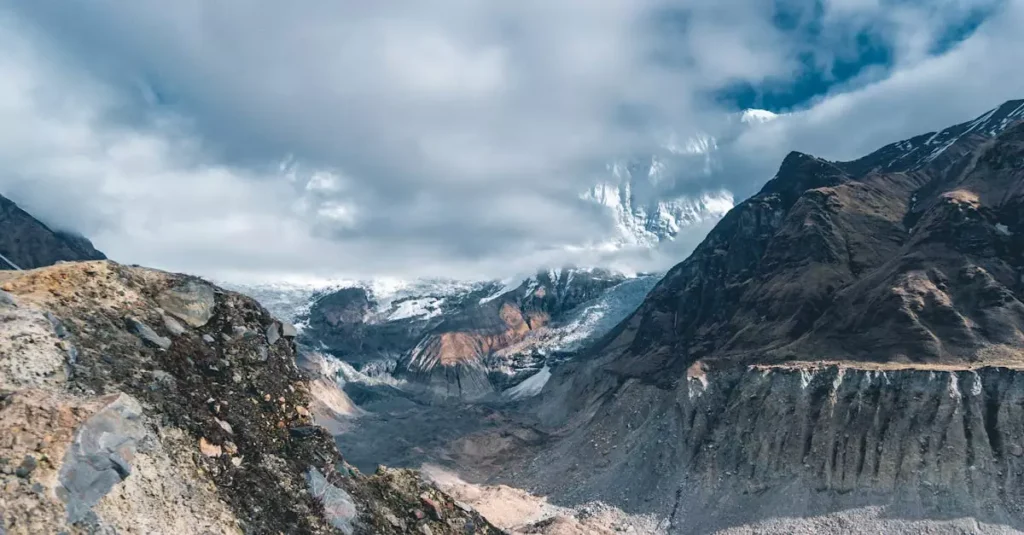

Introduction to Dining in the Annapurna Region
When you plan a trek into the central Himalayas, food costs are one of the top items to factor into your budget. The abc trek food cost per day is a key consideration for anyone preparing to set off. Prices climb as you gain altitude because everything that feeds the teahouses must be carried up by porters or mules. Knowing the likely expenses ahead of time makes it easier to allocate cash and ensures you can refuel properly during demanding days on the trail.
Visiting Nepal brings you face-to-face with the teahouse tradition: small family-run lodges that combine a bed with a communal cooking area. Menus along the Annapurna route are surprisingly varied, ranging from local Nepali plates to familiar international dishes. Still, the difficulty of getting supplies to high-altitude lodges means a meal at 4,000 meters will cost noticeably more than one in town. Planning for those price shifts prevents unwelcome surprises when cash runs low.
A typical trekking day includes three main meals plus snacks to keep energy steady. Most hikers find themselves spending roughly $25 to $40 per day on food and drinks, depending on appetite and any extras like soft drinks or sweets. By the time you reach Annapurna Base Camp, youll understand why a steaming plate feels so earnedthis guide breaks down what to expect to pay for each meal and drink along the way.
Understanding the ABC Trek Food Cost Per Day in 2026
Once you leave Pokhara, the abc trek food cost per day becomes one of the biggest daily expenses. In 2026, plan on roughly $30 to $35 a day for three meals and a few hot drinks. Local committees try to keep prices fair, but costs still trend upward as altitude increases and supply lines become more difficult to maintain.
Breakfast prices usually sit in the $5$8 range, with options such as porridge, pancakes, or eggs and toast. Lunch and dinner are heartierexpect $7$12 per meal. Dal Bhat stands out as the most economical and filling choice; many teahouses offer free refills of rice and lentils, making it ideal for hungry trekkers. Western dishes like pizza or burgers will push you toward the upper end of the price range.
Snacks and treats add up faster than you might think. A chocolate bar can cost around $3 at higher elevations, and beer typically runs $6$10 a bottle. Bringing some snacks from Kathmandu or Pokhara cuts daily costs and leaves more budget for hot meals at the lodges.
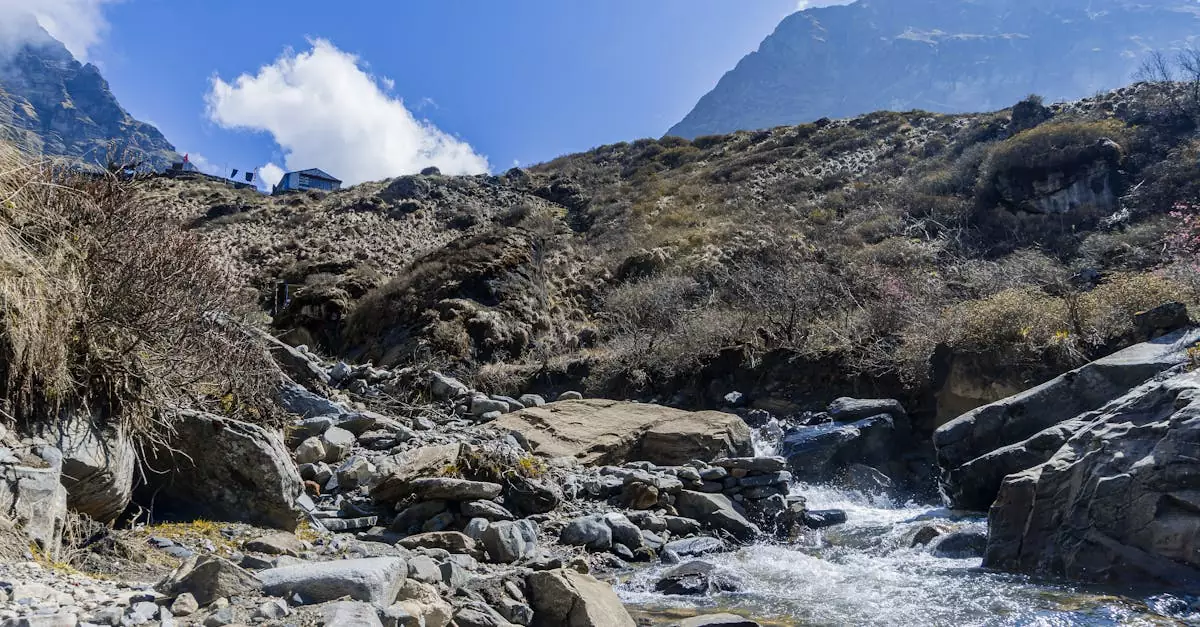
What to Expect on the Menu: Variety and Nutrition
Given how remote many villages are, the range of dishes available along the Annapurna trail is impressive. The Nepal Tourism Board promotes good hygiene and service standards in teahouses, and menus typically include Nepali classics, Indian favorites, and Western comfort food. Vegetarians are usually well-catered for because fresh meat becomes scarce at altitude.
Dal Bhat is the trail staple, delivering a solid balance of carbohydrates, protein, and mineralsexactly the fuel needed for long days of hiking. The local mantra, ‘Dal Bhat Power, 24 Hour,’ reflects how effective it is for sustained energy. Thukpa (noodle soup) and momos (steamed dumplings) are other common choices, though dinner rushes can mean waiting an hour or more for freshly cooked food.
Breakfast offerings range from Tibetan bread and muesli to French toast, each designed to provide an early energy boost before the morning ascent. Fresh fruit appears more often in lower settlements and grows scarce higher up. To reduce the risk of stomach upset, favor hot, cooked dishes over raw salads while at elevation.
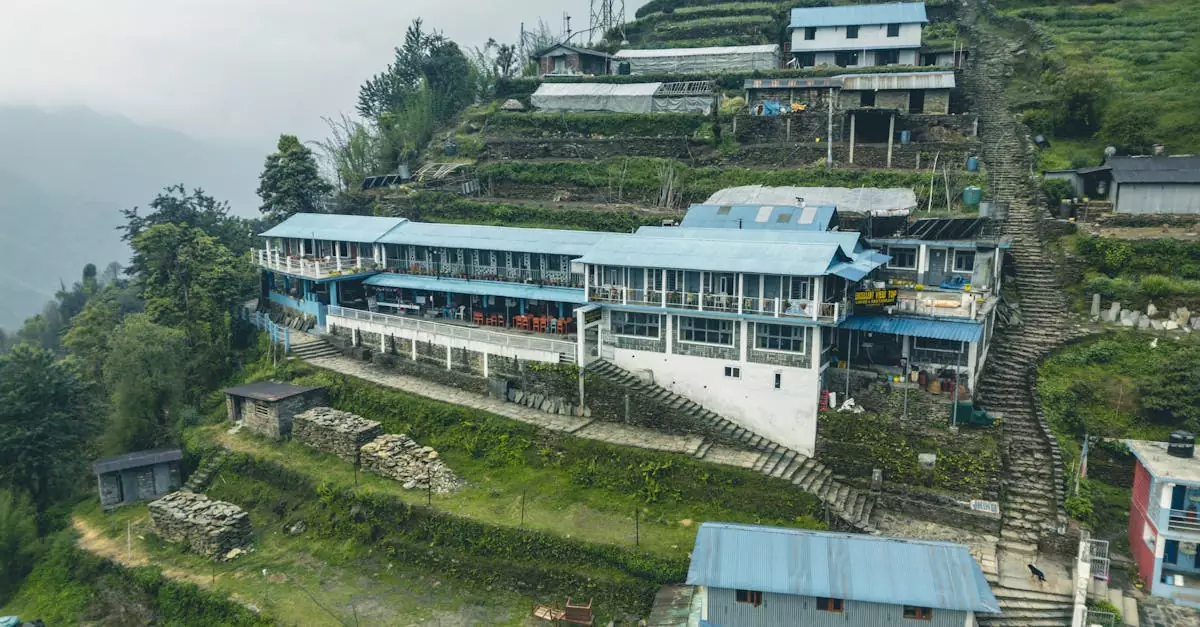
Water and Beverage Expenses on the Trail
Hydration is crucial for coping with altitude, but the annapurna food price often doesnt include safe drinking water. In lower villages a liter of bottled water may cost about $1, while near base camp prices can jump to $3$4 per liter. Many trekkers cut costs and waste by using purification tablets or a filter to treat local water sources.
Hot drinks are both comforting and wallet-affecting. A pot of ginger, lemon, and honey tea is popular for soothing sore throats and warming up; expect to pay $2$5 depending on where you are. Coffee ranges from instant Nescafe to brewed cups in some of the better-equipped teahouses. These beverages are a good way to warm your hands and connect with other hikers in the common room.
Sodas and alcohol are widely sold but treated as luxuries on the trail. A can of soda is usually $3$5, and beer prices climb steeply with altitude. Authorities like Nepal Tourism advise avoiding alcohol while acclimatizing because it can dehydrate and hinder altitude adjustment. Save celebratory drinks for lower elevations and budget accordingly if you plan to indulge.
Comparison of Costs: Lower Altitudes vs. Higher Altitudes
Prices shift noticeably as you move from lower settlements to higher villages. Places such as Tikhedhunga or Ghandruk remain relatively affordable because roads allow easier supply runs. Past Chhomrong the trail tightens and becomes steeper, and most items thereafter must be transported by porter, which pushes the annapurna food price upward.
At Annapurna Base Camp itself, even basic meals can cost twice what they did at the trailhead. Some supplies are flown in or hauled via long porter routes, and menus tend to shrink because fresh ingredients are harder to store without road access. Despite these constraints, portions are generally generous and the food quality remains commendable.
| Item Category | Lower Altitude Price (USD) | Higher Altitude Price (USD) | Estimated Daily Total |
|---|---|---|---|
| Standard Breakfast | $4.00 – $6.00 | $7.00 – $9.00 | $6.50 Average |
| Dal Bhat (Lunch/Dinner) | $5.50 – $7.00 | $8.50 – $11.00 | $16.00 (Two Meals) |
| Bottled Water (1 Liter) | $1.00 – $1.50 | $3.00 – $4.00 | $6.00 (3 Liters) |
| Hot Tea/Coffee | $1.00 – $2.00 | $2.50 – $4.00 | $5.00 (3 Cups) |
| Snacks (Chocolate/Chips) | $2.00 – $3.00 | $4.00 – $5.00 | $3.50 Average |
Small differences per item add up quickly when multiplied across multiple meals and days. A budget-minded walker might average about $28 per day in lower regions but see daily costs climb above $40 when closer to base camp. Observing trends in Tourism in Nepal shows that mountain prices are steady and seldom open for negotiation.
Pros and Cons of Teahouse Dining
Teahouse meals are a defining part of the Himalayan trek experience, with clear advantages and a few trade-offs. The biggest upside is convenience: no need to lug cooking gear or fuel, and a hot, filling meal awaits after a long day on the trail. Dining rooms also serve as social hubs where stories and tips are exchanged among hikers.
On the flip side, eating at teahouses for many days can feel repetitive. Although menus list many dishes, kitchens often reuse the same basic ingredients across plates. Busy seasons bring long waits since small stoves cook orders individually, and food costs can strain a tight budget over an extended trip.
- Pro: No need to carry cooking gear or food supplies.
- Pro: High-calorie meals specifically designed for trekking needs.
- Pro: Warm, communal dining areas help with morale and socialization.
- Con: Prices increase significantly with altitude.
- Con: Limited fresh produce and meat options at higher elevations.
- Con: Long wait times for food during the busy trekking months.
Practical Tips to Manage Your Budget
Controlling your abc trek food cost per day starts before you leave the city. Buy inexpensive staples like granola bars, dried fruit, and nuts in Pokhara where theyre cheaper. Bringing a reusable water bottle and a trusted purification method can save more than $50 on a typical 10-day trek.
Remember that charging devices and using WiFi often come with fees at teahouses, usually $2$5. A large power bank reduces the need to pay for charging. Opting for local Dal Bhat frequently keeps both energy levels and costs in check thanks to free refills and strong nutritional value.
Carry enough Nepalese Rupees to cover the whole trekATMs disappear once you leave main trailheads and most lodges dont accept cards. Its wise to add about 20 percent to your calculated daily budget as a buffer for unexpected costs or emergencies.
Frequently Asked Questions
How much does a typical meal cost on the ABC trek?
Expect to pay roughly $6$12 per meal depending on location and choice. Dal Bhat is commonly around $8 and offers excellent value since rice and lentils are often refilled at no extra cost. Imported or Western dishes tend to be pricier.
Is meat safe to eat during the Annapurna Base Camp trek?
Vegetarian options are generally safer at high altitude because refrigeration is limited and meat may have been carried long distances. Many trekkers rely on vegetarian Dal Bhat for reliable energy and lower food-safety risk.
Can I find gluten-free or vegan food in the teahouses?
Vegan choices are widely availableDal Bhat is often vegan by defaultwhile gluten-free selections are more restricted. Staples like rice, potatoes, and plain omelets are typically safe bets; always tell the cook about dietary needs before the meal is prepared.
Are drinks like soda and beer available throughout the trek?
Soda and beer are sold in most teahouses, even near base camp, but theyre luxury items priced much higher than in town. Its sensible to limit consumption of alcoholic drinks while acclimatizing and to save celebratory purchases for lower elevations.
Should I tip the kitchen staff at the teahouses?
Individual tips for kitchen staff arent usually expected; many lodges provide a communal tip box. Standard practice is to pay your bill and, if you have a guide and porter, to tip them at the treks end.
Conclusion: Planning Your Trekking Budget
Factoring in the abc trek food cost per day is vital to a smooth Annapurna trek. Budgeting around $30$40 per day will cover solid meals and hot drinks while keeping you energized. Though mountain prices can feel steep compared with city rates, the effort required to supply remote lodges explains the difference.
Bringing snacks from town, using water filters, and favoring local dishes like Dal Bhat will help you manage expenses. Focus on the scenery and the unique mountain culture rather than fretting over small purchasesbeing prepared financially lets you enjoy those unforgettable moments over a warm meal in the Himalayas.

Our Fact Checking Process
We prioritize accuracy and integrity in our content. Here's how we maintain high standards:
- Expert Review: All articles are reviewed by subject matter experts.
- Source Validation: Information is backed by credible, up-to-date sources.
- Transparency: We clearly cite references and disclose potential conflicts.
Our Review Board
Our content is carefully reviewed by experienced professionals to ensure accuracy and relevance.
- Qualified Experts: Each article is assessed by specialists with field-specific knowledge.
- Up-to-date Insights: We incorporate the latest research, trends, and standards.
- Commitment to Quality: Reviewers ensure clarity, correctness, and completeness.
Look for the expert-reviewed label to read content you can trust.