Planning a budget-friendly trip to Pokhara is quite straightforward. This pokhara one day budget breakdown provides insights into what you can expect to spend in 2026, covering aspects like food, transport, entry fees, and other minor expenses to help you organize your day with ease.
Budget travelers find Pokhara appealing due to the close proximity of attractions, affordable local transport, and a variety of dining options ranging from inexpensive to moderately priced. Your daily itinerary Pokhara cost will largely depend on the number of sights you visit, your choice between walking or taking taxis, and whether you dine at local eateries or tourist-oriented cafes.
This guide presents transparent pricing, straightforward timing suggestions, and a well-defined route for a single day in Pokhara, Nepal. It also offers seasonal insights, tips on crowd dynamics, and practical advice to help you sidestep frequent budget pitfalls.
Pokhara One Day Budget Breakdown: What to Expect
A realistic pokhara one day budget breakdown tends to be more manageable than in many other Asian tourist destinations. For those traveling on a tight budget, a full day typically costs between NPR 2,000 and NPR 4,000. If you prefer a more comfortable experience that includes taxis, lakeside meals, and a few paid attractions, your expenses could range from NPR 5,000 to NPR 8,000.
The primary factors influencing your expenses are transportation and the attractions you choose to visit. Strolling around the Lakeside area keeps costs down, while opting for taxis for short distances can add up quickly. Entry fees for viewpoints, museums, and boat rides will also impact your overall budget. Dining costs vary as well; a local meal can be priced between NPR 200 and NPR 400, while meals at tourist cafes may exceed NPR 700.
Located in Nepal, Pokhara offers a more laid-back atmosphere compared to Kathmandu, which is beneficial for budget-conscious travelers. Many attractions are within walking distance, allowing you to combine several stops efficiently. For a deeper understanding of the country before your visit, this overview of Nepal can provide valuable context.
| Expense | Low Budget (NPR) | Mid Budget (NPR) | Notes |
|---|---|---|---|
| Breakfast | 150-300 | 400-700 | Local tea shop vs cafe |
| Transport | 100-300 | 800-1,500 | Walking vs taxi |
| Attractions | 300-1,000 | 1,500-3,000 | Depends on entry fees |
| Lunch | 250-500 | 700-1,200 | Local restaurant vs tourist spot |
| Snacks/Drinks | 100-300 | 300-800 | Water, tea, coffee, fruit |
| Dinner | 300-600 | 800-1,500 | Simple meal vs full dinner |
| Total | 1,200-3,000 | 4,500-8,700 | Varies by style |
Sample Daily Itinerary Pokhara Cost and Timings
Morning: Lakeside breakfast and Phewa Lake area
Begin your day between 7:30 AM and 8:30 AM. A local breakfast near Lakeside generally costs between NPR 150 and NPR 300, while a cafe breakfast might set you back NPR 400 to NPR 700. Exploring the lake area is free, and many hotels, cafes, and boat rental points are just 1 to 2 km apart, making walking a cost-effective option.
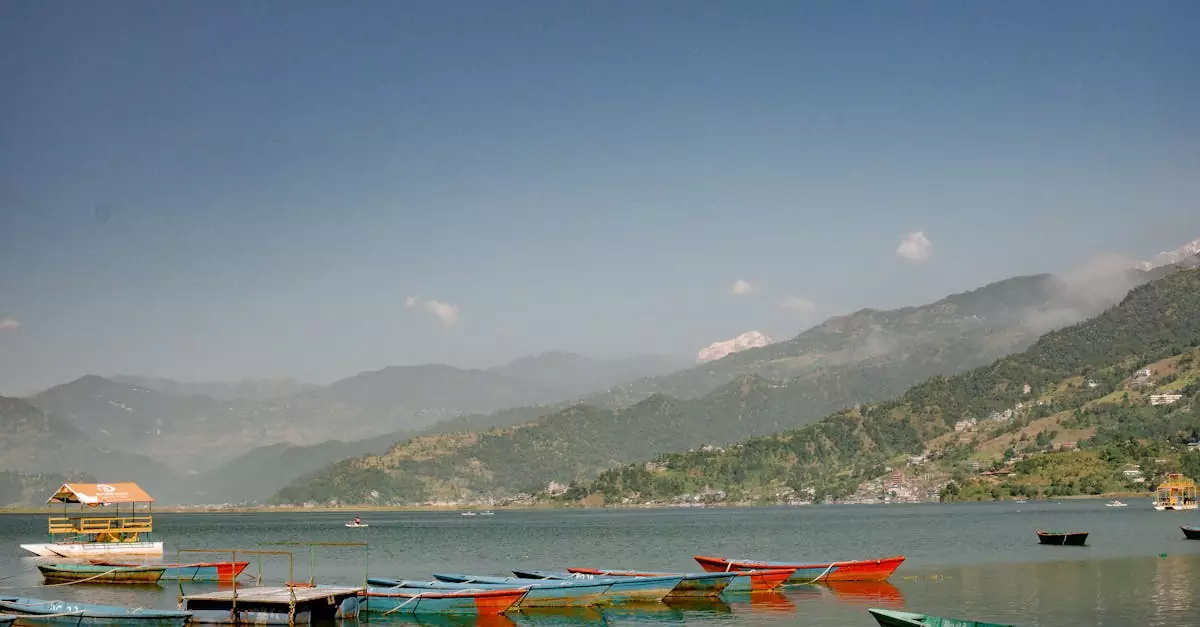
Boating on Phewa Lake is a popular activity in Pokhara. A basic boat rental typically costs around NPR 500 to NPR 1,000, depending on the duration and type of boat. Sharing a boat can significantly reduce your costs. The morning waters are usually calmer, and you’ll encounter fewer crowds compared to later in the day.
For official tourism information, you can visit the Nepal Tourism Board website before your trip.
Late morning: Viewpoint or cultural stop
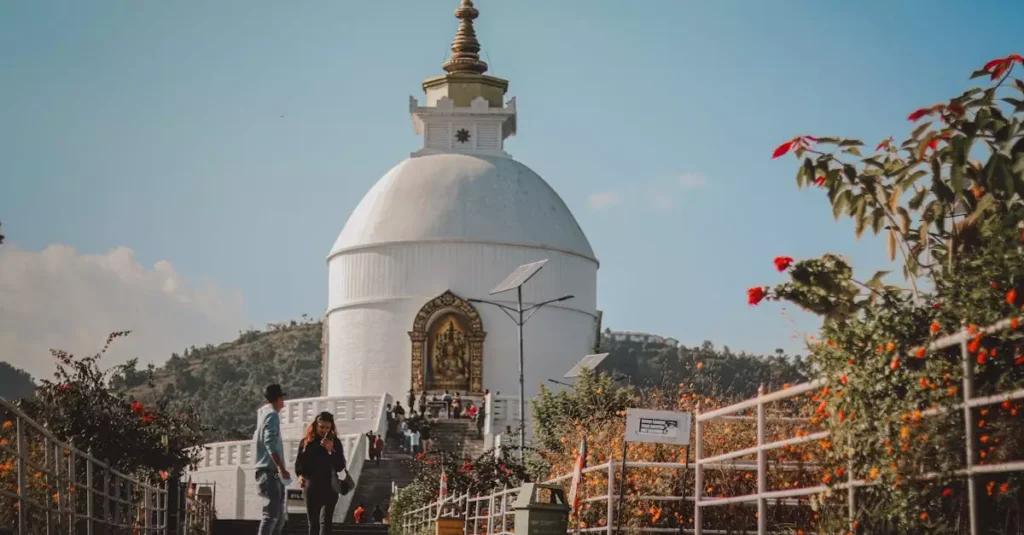
After breakfast, make your way to a key attraction. Popular options include the World Peace Pagoda, the International Mountain Museum, or a nearby hill viewpoint. Taxi fares within Pokhara typically range from NPR 300 to NPR 800 one way, depending on distance and negotiation. Opting for a shared ride can help cut costs. Walking part of the way can also significantly lower your daily expenses.
Most attractions open around 9:00 AM or 10:00 AM, so plan to spend 1 to 2 hours at each site. Expect larger crowds on clear days, weekends, and holidays. During peak season, viewpoints can become quite busy by late morning, especially in the dry months.
For more extensive tourism planning, Nepal Tourism serves as a helpful resource.
Food, Transport, and Entry Fees in Pokhara
Food expenses are among the easiest aspects to manage in a pokhara one day budget breakdown. Local dishes such as dal bhat, noodles, fried rice, momo, and tea are affordable throughout the city. While tourist cafes remain reasonably priced compared to many global destinations, they do cost more than local eateries. A wise budget traveler often combines both options.
Transport costs can also be kept in check by planning a compact route. Many visitors to Pokhara stay around Lakeside, opting for a mix of walking and short taxi rides. A brief taxi trip may cost between NPR 200 and NPR 500, while longer rides can be pricier. If you’re visiting multiple locations in one day, it’s wise to inquire about round-trip fares before starting your journey.
Entry fees differ depending on the site. Some viewpoints are free or low-cost, while museums and other special sites may charge a few hundred rupees. Always carry small denominations, as many smaller vendors do not accept cards. Crowds at popular attractions tend to be polite and relaxed, but they can slow you down in the late afternoon when everyone is vying for sunset views.
- Important Tip: Keep at least NPR 1,000 in small bills, as drivers and ticket counters often cannot provide change for larger notes.
- Important Tip: Start your day early for fewer crowds and better views of the lake or mountains. Morning weather is typically clearer.
A budget-conscious traveler who walks, enjoys local cuisine, and selects one paid attraction can often keep the day’s total under NPR 3,000. Conversely, those who frequently use taxis and dine in tourist areas may find their expenses two to three times higher.
Best Time to Plan Your Pokhara Day Trip
The season plays a significant role in your Pokhara experience. Each season brings its own unique charm, and weather conditions can also influence your budget. During the dry months, you might find transport or guided activities slightly more expensive due to higher demand. Conversely, the rainy season may offer lower costs for some travelers, but rain can obscure views and complicate outdoor plans.
From October to December, clear skies and stunning mountain views attract many visitors, making it one of the busiest times. Expect larger crowds around Lakeside, viewpoints, and boat rentals. February to April is also favorable, with pleasant weather and manageable crowds. The monsoon period from June to September brings rain, slippery paths, and cloud cover, necessitating backup plans.
Mornings are ideal for sightseeing if you prefer fewer crowds and optimal lighting. Late afternoons are perfect for sunset views, but popular spots can get crowded. If you’re mindful of your budget, avoid last-minute taxi bookings during peak sunset hours, as prices tend to increase with demand.
It’s essential to note that while a budget-friendly day in Pokhara is achievable, it may not always equate to a comfortable experience. If you aim to see numerous places in a single day, your budget will likely rise quickly. This is a common scenario; while Pokhara is affordable, it’s not free.
Pros and Cons of a One Day Budget Plan in Pokhara
A one-day budget plan is effective in Pokhara due to the city’s compact layout and ease of navigation. With careful planning, you can experience a lot without overspending. However, a single day may not suffice to cover everything, requiring you to prioritize between lake visits, viewpoints, cultural experiences, and dining options.
Pros
- Most key areas are in close proximity, keeping transport costs low.
- Local cuisine is both affordable and readily available.
- You can create a flexible itinerary based on weather conditions.
- Many activities are suitable for solo travelers and small groups.
Cons
- Popular attractions can become crowded during peak season.
- Frequent taxi rides can increase costs.
- One day is brief, which may lead to missing out on more leisurely experiences.
- Weather can impact visibility and outdoor plans.
For many visitors, the greatest advantage is having control over expenses. You can opt for a minimalistic approach or enjoy a more relaxed mid-range day. This flexibility makes Pokhara appealing for backpackers, couples, and families seeking a straightforward itinerary without undue stress.
Practical Budget Tips for Pokhara
To maximize value, concentrate on planning your route effectively. Group nearby attractions to minimize travel time. If possible, stay in Lakeside to reduce daily transport needs. Consider eating breakfast and lunch at local establishments, then treat yourself to a nicer dinner if desired. This creates a balanced day.
Use cash for smaller purchases, as not all shops accept cards. Always inquire about prices before getting into a taxi or renting a boat. In busy areas, prices may fluctuate based on the time of day and demand, which is common in tourist towns across Nepal. Staying calm and comparing options can help you make informed choices.
During monsoon season, allow extra time between stops, as roads can be slower and rain might disrupt boat rides or visits to viewpoints. In clear weather, you can accomplish more in one day, but it’s essential to avoid rushing. The best way to enjoy Pokhara is at a leisurely pace.
- Walk when distances are under 2 km.
- Share taxis when traveling with companions.
- Opt for one paid attraction instead of several.
- Carry water to minimize the need for frequent drink purchases.
- Check sunset times before planning your final stop.
If you’re interested in more context regarding tourism in Nepal, this page on tourism in Nepal offers valuable background information.
FAQ: Pokhara One Day Budget Breakdown
1. How much money do I need for one day in Pokhara?
Budget travelers typically find they can manage a day in Pokhara with NPR 2,000 to NPR 4,000. If you frequently use taxis or dine at tourist cafes, prepare to budget NPR 5,000 or more.
2. Is Pokhara expensive for backpackers?
No, Pokhara remains affordable compared to many tourist cities. It can be very economical if you walk, eat local meals, and limit paid attractions.
3. What is the cheapest way to explore Pokhara in one day?
The most economical approach is to stay near Lakeside, walk to nearby attractions, dine at local restaurants, and select just one paid activity, such as boating or visiting a viewpoint.
4. How much does a taxi cost in Pokhara?
Short rides within the city generally range from NPR 200 to NPR 500, with longer trips costing more. Always confirm the fare before starting your journey.
5. What should I do if it rains in Pokhara?
Consider indoor activities like visiting museums, enjoying cafes, or relaxing by the lake. Keep your schedule flexible, as rain can impact visibility and affect outdoor plans.