When considering a trek in the Everest Region, one of the initial budget-related questions revolves around the ebc trek guide vs porter guide cost comparison. This decision influences your daily expenses, comfort level, and the overall difficulty of the trek. It also affects your mobility on the trail, the weight you carry, and the level of assistance you receive during challenging sections.
Many trekkers inquire about the everest guide vs porter guide price since these two roles serve different purposes. A guide is responsible for leading the way, providing insights, and managing logistics, while a porter focuses on carrying your belongings. Some trekkers opt for both services, while others prefer one. The best choice hinges on factors like fitness, budget, group size, and the amount of support you desire on the trail.
This 2026 guide offers a straightforward and transparent overview of costs, timing, transportation, crowd dynamics, and seasonal considerations in the Everest Region, Nepal. With clear figures and practical tips, you can plan your trek without uncertainty. If you’re looking for a quick answer, hiring just a porter is generally the least expensive option, but for a combination of safety and route assistance, a guide or a guide-porter duo often provides better value.
EBC Trek Guide vs Porter Guide Cost Comparison: What You Pay in 2026
The ebc trek guide vs porter guide cost comparison begins with the daily rates. In the Everest Region, hiring a licensed guide typically incurs a higher cost, as they take care of navigation, permit support, language translation, and emergency coordination. Conversely, a porter is less expensive, focusing primarily on carrying your luggage. Engaging both services raises your overall cost but simplifies and organizes your trekking experience.
In 2026, the standard price ranges are quite straightforward. A guide usually charges around USD 30 to 45 per day, while a porter typically costs about USD 20 to 30 per day. A guide-porter, often referred to as a porter-guide, falls within the range of USD 25 to 35 per day, depending on their experience and the season. Prices tend to increase during peak spring and autumn months due to higher demand, with skilled staff getting booked early.
For a typical Everest Base Camp trek lasting 12 to 14 days, the differences in costs become apparent. A trip with only a guide can add approximately USD 360 to 630. In contrast, a porter-only arrangement may add around USD 240 to 420. Engaging both a guide and a porter can exceed USD 600 total for the support team. This highlights why the everest guide vs porter guide price question is crucial to consider before making your reservation.
| Service | Typical Daily Cost | Best For | Main Benefit |
|---|---|---|---|
| Guide | USD 30-45 | First-time trekkers, solo trekkers | Route support and logistics |
| Porter | USD 20-30 | Budget trekkers, fit hikers | Less weight on your back |
| Guide-porter | USD 25-35 | Small groups, mid-budget treks | Some guidance with lower cost |
Reality Check: Opting for the cheapest option may not always yield the best value. Carrying excessive weight or becoming confused by trail options can lead to wasted time and energy. On a high-altitude trek, that can cost more than the savings you thought you achieved.
How the Roles Differ in the Everest Region
Image: 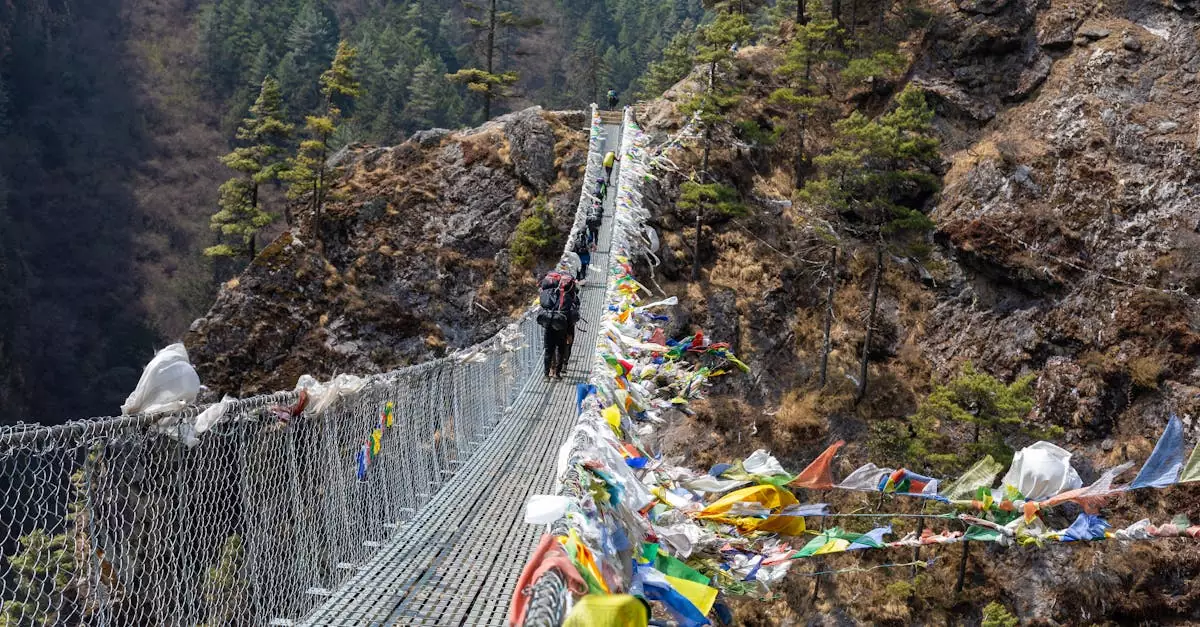
The responsibilities of a guide and a porter differ significantly, which accounts for the price disparity. A guide navigates the trail, monitors the pace, provides insights about villages, and assists with permits and accommodation matters. This can be particularly valuable in the Everest Region, where weather can change rapidly or when lodges are fully booked. A porter, on the other hand, does not lead the trek but carries your duffel bag, which can alleviate the strain on your knees and lungs during steep ascents.
When weighing the everest guide vs porter guide price, consider the value each role brings rather than just the cost. If you’re unfamiliar with Nepal, prefer a more organized schedule, or are trekking during busy times, a guide is advantageous. Conversely, if you know the route well, prefer to trek independently, and only need assistance with your luggage, a porter may suffice. The guide-porter option is a middle ground that can benefit smaller groups seeking basic support at a lower cost.
Another practical consideration involves weight limits. Trekkers should avoid overloading porters. A safe load is generally around 20 to 25 kg, often shared between two trekkers. If you pack excessively, you might require an additional bag or extra assistance, which can alter your overall budget. Thus, the true ebc trek guide vs porter guide cost comparison encompasses not just daily wages but also the amount of gear you bring along.
Best Trekking Route, Distance, and Timing for EBC
Image: 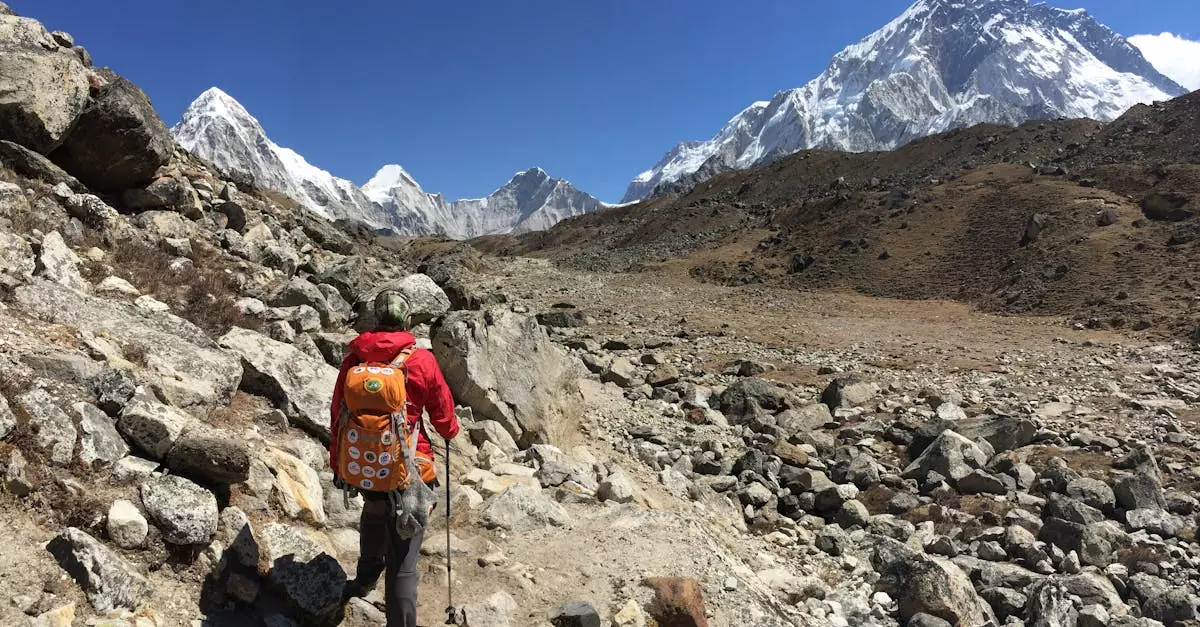
The trek to Everest Base Camp typically spans about 130 km to 140 km round trip, depending on side excursions and the specific route taken. Most trekkers begin with a flight from Kathmandu to Lukla, followed by a hike through Phakding, Namche Bazaar, Tengboche, Dingboche, Lobuche, Gorakshep, and finally, Everest Base Camp. The entire trek generally takes 12 to 14 days, including acclimatization days. Some trekkers opt for a longer duration to mitigate altitude risks.
Timing is crucial, as the costs for guides and porters can fluctuate with the seasons. Spring, from March to May, and autumn, from late September to November, represent the busiest times. Trails become crowded, teahouses fill up quickly, and staff prices may increase. Winter offers quieter conditions at a lower cost, but the cold can be challenging. The monsoon season brings rain, clouds, and potential flight delays, making it risky for those on tight schedules.
For the majority of trekkers, hiring support for the entire route is preferable to engaging help only on the most challenging days. A guide can assist with pacing during acclimatization days in Namche and Dingboche, while a porter can ease the burden of steep climbs. As you plan, remember that your choice of support influences not just your comfort but also your ability to manage long hiking days and altitude changes.
For official travel planning and updates, refer to the Nepal Tourism Board prior to making your booking.
Transport Details, Permits, and Real Trail Logistics
The majority of Everest treks commence in Kathmandu, followed by a short flight to Lukla. These flights typically last around 30 to 40 minutes, but weather can cause delays. During peak season, some flights may be rerouted to Ramechhap instead of Kathmandu, necessitating several hours of road transfer before the flight. This aspect is crucial because a guide can help manage timing, while a porter primarily assists with luggage.
Permits are another essential component of the budget. Trekkers generally require the Khumbu Pasang Lhamu Rural Municipality permit and the Sagarmatha National Park permit. Costs may vary, so it’s wise to check the current regulations before your trip. A guide typically assists with permit checks and paperwork, while a porter usually does not. If you choose to travel independently, you’ll need to handle these details yourself.
Crowds can also impact logistics. During spring and autumn, teahouses in Namche, Tengboche, and Gorakshep can fill rapidly. Arriving late may result in getting the last available room or needing to share accommodations. A guide can make advance calls to secure reservations, alleviating stress. This is a task that a porter cannot perform, which is why many trekkers opt to pay more for a guide during busy periods. It’s not solely about comfort; it’s also about maintaining the flow of the trek.
For background on routes and destinations, visit Nepal and explore the broader tourism context at Tourism in Nepal.
Pros and Cons of Hiring a Guide or Porter
Deciding between a guide and a porter becomes more manageable when you outline the advantages and disadvantages. The ebc trek guide vs porter guide cost comparison should encompass both financial and convenience aspects. A guide provides structure, local expertise, and backup during adverse weather conditions. A porter conserves your energy, but you still need to navigate the route and make daily decisions independently.
Guide: Pros
- Assists with navigation and timing
- Beneficial for altitude acclimatization
- Handles lodging and transportation challenges
- Ideal for first-time visitors to Nepal
Guide: Cons
- More expensive than hiring a porter
- May seem unnecessary for seasoned trekkers
- Leaves less budget for other travel expenses
Porter: Pros
- Less expensive than a guide
- Makes trekking easier by lightening your load
- Suitable for fit trekkers familiar with the route
Porter: Cons
- Lacks route leadership
- No assistance with permits or daily planning
- Less effective in adverse weather or crowded conditions
Important Tip: If you decide to hire a porter, pack lightly. A lighter load contributes to a safer trekking experience for both you and the porter, reducing the likelihood of needing additional help later.
Important Tip: During peak season, make your reservations early. Skilled guides and porters often get booked weeks in advance, and last-minute rates can be higher.
Who Should Choose Which Option?
Your choice should align with your trekking style. For first-time trekkers in the Everest Region, a guide is typically the safer option. Youll benefit from route support, local insights, and reduced stress when plans shift. If youre an experienced hiker with a solid route plan and a limited budget, a porter may suffice. For those seeking a balance, a guide-porter combination can work well for smaller groups.
To simplify your decision-making, consider this: select a guide if you need assistance from the airport to the trailhead, if altitude concerns you, or if you prefer not to handle logistics. Opt for a porter if you feel confident trekking solo and only require help with your gear. Choose both if you desire a hassle-free and well-supported experience, especially on your first trek to Everest.
Weather conditions also play a role in your choice. In winter, cold and snow complicate the trail. During monsoon season, mud and potential flight delays can add stress. In these situations, a guide proves more valuable. In the busy spring and autumn months, managing crowds and securing accommodations also makes a guide indispensable. Thus, the answer to the everest guide vs porter guide price question extends beyond mere cost; it encompasses the type of trekking experience you seek.
Budget Planning, Seasonal Costs, and Crowd Behavior
When budgeting for Everest, consider transport, permits, lodging, meals, and support staff. Hiring a guide or porter is just one aspect of the overall trip. Many trekkers focus solely on daily wages, but often, the larger expenses come from food, teahouse stays, and flights. A realistic budget is essential to avoid unexpected costs.
During peak season, prices can surge due to high demand. Flights to Lukla may sell out, and lodges might charge elevated room rates if you dont dine there. Experienced guides may increase their fees, and last-minute porters can be harder to find. Crowds are typically most concentrated around Namche, Tengboche, and the final stretch to Base Camp, leading to slower hikes, busier dining areas, and limited accommodation options.
In quieter months, you might enjoy lower prices, but face different challenges. Winter brings cold nights and possible snow, while monsoon conditions can lead to rain and flight disruptions. If your schedule is tight, a guide becomes increasingly valuable as they can help adapt plans. If your schedule allows for flexibility and you aim to save money, a porter might be sufficient. In any case, the ebc trek guide vs porter guide cost comparison should account for seasonal factors, not just daily rates.
For additional tourism context and current destination information, visit the official Nepal tourism site.
Final Verdict: Best Value for Different Trekkers
The optimal value choice varies among trekkers. If you’re looking to minimize costs and feel confident on the trail, hiring only a porter can be effective. If you seek a solid balance of support and safety, investing in a guide is often justified. For those wanting to lighten their load without needing full route guidance, a porter-guide combination may represent the ideal compromise.
For most first-time trekkers in the Everest Region, I wouldn’t consider the guide fee optional if your budget permits. While the trail is renowned, it remains a high-altitude route fraught with weather changes, crowds, and logistical challenges. A guide can preempt small issues before they escalate. The value of this support is difficult to quantify in monetary terms, yet it is significant on the mountain.
For seasoned trekkers, the porter option can be wise if you pack light and are adept at navigating the route. The key is to be honest about your comfort level. If you have any doubts, it may be worth spending a bit more for a guide. The additional expense often translates into peace of mind, better pacing, and easier days on the trail.
Ultimately, the ebc trek guide vs porter guide cost comparison represents a decision between the level of support you desire and your budget constraints. Choose the option that aligns with your fitness level, experience, and travel season.
FAQs
1. What is the average ebc trek guide vs porter guide cost comparison in 2026?
A guide typically costs around USD 30 to 45 per day, whereas a porter generally charges USD 20 to 30 per day. A porter-guide may cost about USD 25 to 35 per day.
2. Is a guide necessary for Everest Base Camp?
No, not always. However, a guide can be extremely beneficial for first-time trekkers, those traveling during peak season, and anyone seeking to minimize logistical stress.
3. Can one porter carry all my luggage?
A porter should not be overloaded. It’s advisable to keep your load light. Many trekkers share a porter between two individuals or divide their bags to stay within a safe carrying weight.
4. When is the cheapest time to trek to Everest Base Camp?
Winter and monsoon seasons can offer lower costs compared to spring and autumn, but they also present tougher conditions. Lower prices do not always equate to a better trekking experience.
5. Should I hire a guide, porter, or both?
If you’re a first-time trekker, consider hiring a guide or both. If you’re familiar with the route and want to save money, a porter may suffice. For the most comfortable trek, hiring both is advisable.
Conclusion
The ebc trek guide vs porter guide cost comparison stands as one of the key planning considerations for an Everest trek in Nepal. While a guide incurs a higher cost, they provide leadership, support, and peace of mind. A porter is less expensive but only assists with your luggage. A guide-porter combination can be a suitable option for those on a tighter budget.
As you plan for 2026, the best choice will depend on your experience, fitness level, the season, and how much stress you wish to manage on the trail. If you are new to the Everest Region, hiring a guide is generally the wiser investment. If you feel confident and wish to save money, a porter could work well. For the most enjoyable trek, consider hiring both while keeping your pack light.
Make your arrangements early, compare actual prices, and book thoughtfully. This approach will make your Everest adventure more manageable and aligned with your budget.