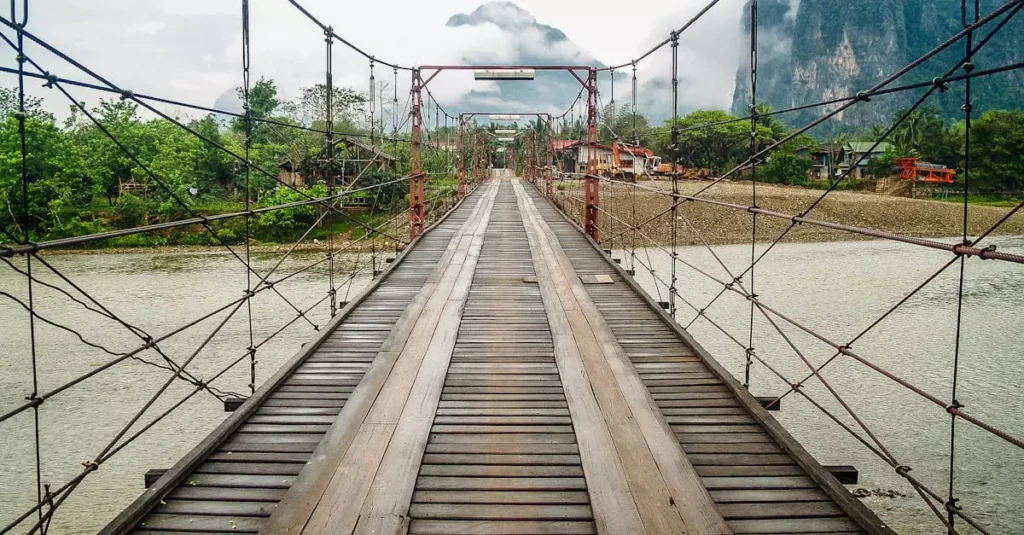
Traveling overland from Vietnam to Laos presents an exciting opportunity to explore the rich diversity of Southeast Asia firsthand. Crossing the border by land allows for a deeper engagement with the regions scenery and cultures. For many, this route offers a more authentic travel experience. Knowing the details about the laos border crossing vietnam to laos cost is essential for effective trip planning.
Crossing an international border demands thorough preparation. Key factors include visa requirements, transportation methods, and possible fees. This resource lays out all the necessary information, covering visa charges, bus fares, and border processing costs. With these insights, you can plan your budget more confidently and avoid unexpected expenses.
Laos, nestled inland, shares an extensive frontier with Vietnam. Its capital city, Vientiane, is a common arrival point for travelers coming from the east. Being aware of the specific expenses involved helps ensure a hassle-free crossing. This guide offers practical details to make your border transition smooth and enjoyable.
Understanding the Laos Border Crossing Vietnam to Laos Cost
The overall laos border crossing vietnam to laos cost is composed of several elements visa charges, travel expenses, and minor border fees. Visa costs often represent the largest single expenditure and vary depending on your nationality and visa type. Many visitors prefer the Visa on Arrival (VOA) option at land crossings, which is generally accessible and straightforward at main checkpoints. For example, most Western travelers can expect a VOA fee between $30 and $45 USD. Payments are made in US dollars, so its best to bring small bills.
Transportation expenses typically form the next significant part of your budget. Long-distance buses remain the most popular and affordable mode of travel. Ticket prices fluctuate based on your departure and arrival points. For instance, a bus ride from Hanoi to Vientiane usually costs between $25 and $40 USD, often covering border crossing fees as well. Make sure to verify what your ticket includes before purchasing. Some travelers choose to rent motorbikes to explore independently, which adds costs for fuel and possible repairs.
Additional minor fees may appear at the border, sometimes called ‘stamping fees’ or ‘overtime charges.’ These small amounts, usually $1 to $2 USD, might be requested if you cross outside normal hours or on weekends. While not always compulsory, having some small local currency or US dollars on hand can help avoid delays. Being prepared for these small charges ensures a smoother border crossing.
Key Border Crossings from Vietnam to Laos
Vietnam and Laos are connected by several official border points, each differing in travel time and accessibility. The most frequented crossings include Cau TreoNam Phao (Keo Neua Pass), Lao BaoDansavanh, and Tay TrangSop Hun. Travelers typically choose based on their starting location in Vietnam and intended destination in Laos. For example, Tay Trang suits those coming from northern Vietnam, while Lao Bao is preferable for central Vietnam departures.
The Cau TreoNam Phao (Keo Neua Pass) crossing stands as a principal gateway, linking Ha Tinh Province in Vietnam with Bolikhamsai Province in Laos. Its a favored route for buses connecting Hanoi with Vientiane. The path winds through mountainous terrain, offering breathtaking views but sometimes presenting challenges, especially during rainy periods. Buses operate on this route daily, and the border post processes travelers efficiently, though wait times can fluctuate depending on the season and hour.
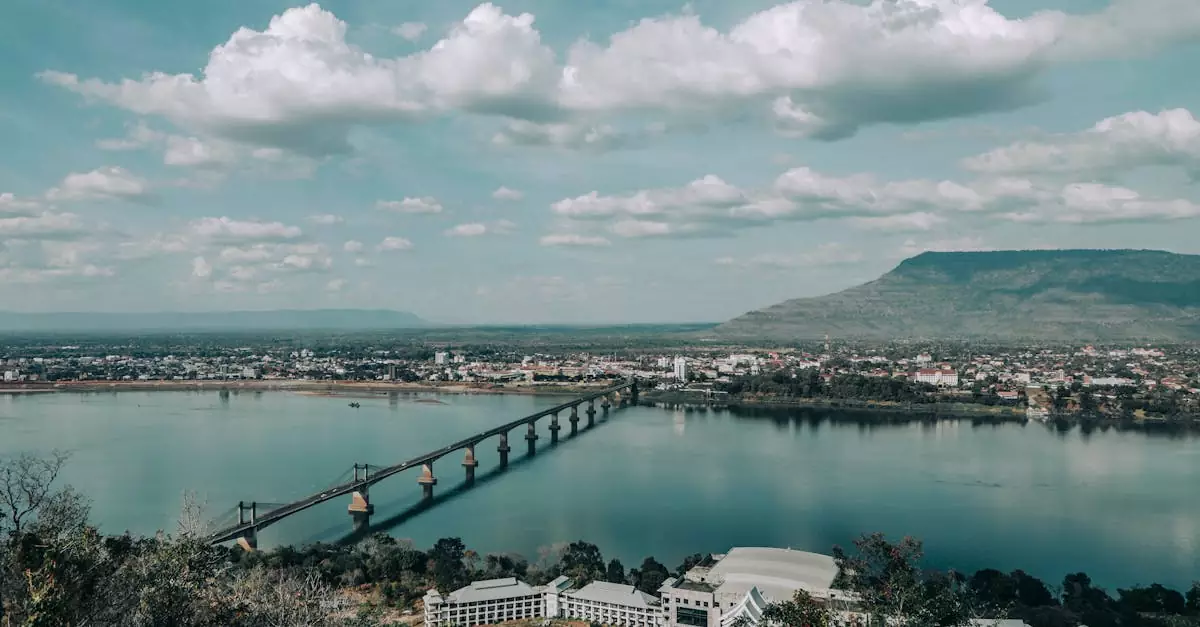
Another key crossing is Lao BaoDansavanh, connecting Quang Tri Province in Vietnam with Savannakhet Province in Laos. This busy border is popular among travelers heading toward southern Laos and beyond to Thailand. The facilities here are generally well-maintained. Buses from cities like Hue and Da Nang frequently use this route, with travel times from Hue to Savannakhet averaging 8 to 10 hours, including border procedures. Checking the current operating hours before your trip is advisable.
The Tay TrangSop Hun crossing links Dien Bien Province in Vietnam with Phongsaly Province in Laos. It caters more to visitors exploring the northern, less-traveled areas of both countries. This route sees fewer large buses and more local or independent travelers. The surroundings are stunning but infrastructure is limited, which can result in longer travel times due to road conditions. For those seeking an off-the-beaten-path adventure, this crossing offers a unique experience. Always ensure your travel documents are prepared for any crossing.
Visa Requirements and Fees for Laos Entry
Knowing the vietnam to laos visa fee border process helps make entering Laos smoother. Most travelers can obtain a Visa on Arrival (VOA) at major land borders, simplifying the procedure. A valid passport with at least six months validity is required, along with two blank pages for stamping. Typically, youll need a passport-sized photo, and its smart to bring extras just in case. The VOA process involves completing a straightforward application form at the border.
Visa fees depend on nationality. For many Western countries like the US, UK, Australia, and EU states, the VOA costs between $30 and $45 USD. Canadian travelers might pay around $42 USD. Some ASEAN nationals benefit from visa-free entry or reduced fees. Its wise to confirm the latest regulations for your nationality prior to travel. The official Tourism Laos website offers current details, and more general information about Laos is available on Wikipedia.
Payments for the VOA are almost always made in US dollars, so bringing crisp, unwrinkled bills is essential since older notes may be rejected. Officials usually do not accept other currencies or credit cards for this fee. Exact change can speed up the process. Additionally, you may encounter small fees labeled as ‘stamping’ or ‘overtime’ charges, generally $1 or $2 USD. These are common but unofficial at some crossings. Budgeting for these minor expenses can prevent complications.
Visa policies can shift, so double-check the requirements shortly before your trip. Resources like the Lao Ministry of Foreign Affairs or embassies located in Hanoi or Ho Chi Minh City provide updated information. Some travelers prefer obtaining visas in advance from a Lao embassy, which might cost a bit more but offers peace of mind. Still, the VOA procedure at land borders is usually smooth and dependable for most visitors.
Transportation Options and Their Costs
Travelers moving from Vietnam to Laos have several transport choices, each with varying price points and comfort levels. The sleeper bus is the preferred and most economical alternative. These buses connect major Vietnamese cities such as Hanoi, Hue, and Ho Chi Minh City with destinations in Laos like Vientiane, Savannakhet, and Pakse. A trip from Hanoi to Vientiane can last 20 to 24 hours, costing roughly $25 to $40 USD. These fares often cover border crossing fees, simplifying the journey.
When selecting bus tickets, youll find different comfort levels. Sleeper buses feature reclining seats or bunk beds, offering rest during the long ride, whereas standard seats are cheaper but less comfortable. Purchasing tickets through reliable travel agencies or bus stations is recommended to avoid scams. Many travelers research reviews online to pick trustworthy bus operators for their trip.
For those wanting more freedom, renting a motorbike is an option that allows exploration at your own pace. However, this comes with challenges such as needing an international driving permit and navigating complex rules about crossing borders with foreign-registered vehicles. Daily rental fees typically range from $10 to $20 USD, plus fuel and insurance costs. This choice suits experienced riders familiar with Southeast Asian roads and requires careful planning and understanding of border vehicle regulations.
Flying represents the quickest but costliest way to travel between Vietnam and Laos. Direct flights connect Hanoi and Ho Chi Minh City with Vientiane and Luang Prabang through airlines like Vietnam Airlines and Lao Airlines. Prices vary widely, from $100 up to $300 or more, depending on booking time and season. While convenient for those short on time or seeking comfort, flying does skip the overland border experience altogether.
Comparison of Popular Border Routes
Picking the ideal border crossing depends on your itinerary and preferences. The following table outlines the main routes, highlighting distances, travel times, and average bus costs to help you decide.
| Route | Departure (Vietnam) | Arrival (Laos) | Approx. Distance | Approx. Travel Time | Typical Bus Cost (USD) |
|---|---|---|---|---|---|
| Cau Treo Nam Phao | Hanoi | Vientiane | 800 km | 20-24 hours | $30-$40 |
| Lao Bao Dansavanh | Hue / Da Nang | Savannakhet | 400 km (from Hue) | 8-10 hours | $20-$30 |
| Tay Trang Sop Hun | Dien Bien Phu | Muang Khua / Phongsaly | 100 km (from Dien Bien Phu) | 4-6 hours | $10-$15 |
The Cau TreoNam Phao crossing is the most direct route from Hanoi to Vientiane. Though long and often overnight, its well-serviced by sleeper buses. This path is suitable for travelers heading straight to Laos capital. Mountain roads can be rough at times, but the scenic views during the day are rewarding. Backpackers and budget travelers commonly favor this option.
The Lao BaoDansavanh route offers a shorter travel time for those starting from central Vietnam. Its a preferred passage for visitors aiming for southern Laos or onward travel to Thailand. While this border point tends to be busy, the processing is typically efficient. Its a practical choice for those exploring central regions, and many local traders regularly use this crossing.
Tay TrangSop Hun is geared toward adventurous travelers venturing into the northernmost areas of Laos. This less-developed route sees fewer large buses and more local traffic. Ideal for destinations like Muang Khua or Phongsaly, the road conditions can be challenging, especially during wet seasons. Travelers should check local updates before embarking on this crossing.
Pros and Cons of Crossing by Land
Opting for an overland crossing from Vietnam to Laos comes with distinct benefits and drawbacks. Understanding these factors can help determine if this mode suits your travel style. Many appreciate the immersive nature of overland travel, which reveals rural landscapes and local life often missed when flying. Its also generally a more affordable way to journey across Southeast Asia. The trip itself becomes part of the adventure, offering sights an airplane cant provide.
Pros of Land Border Crossing:
- Cost-Effective: Bus fares are considerably lower than airfare, making overland travel ideal for budget travelers. The vietnam to laos visa fee border is usually the main expense, while transportation remains affordable.
- Scenic Views: The route passes through varied environments from coastal plains to rugged mountains providing captivating scenery along the way.
- Cultural Immersion: Traveling by land exposes you to small towns and rural communities, allowing a more genuine experience of local life.
- Flexibility (for some routes): Although buses run on schedules, certain crossings offer additional local transport options, giving adventurous travelers more freedom.
- Visa on Arrival: Major border points offer VOA facilities, making it convenient to obtain a visa without prior arrangements for many nationalities.
Cons of Land Border Crossing:
- Long Travel Times: Trips can stretch from 10 to 24 hours, which may be exhausting and uncomfortable for some passengers.
- Comfort Levels: Even sleeper buses may not match the comfort standards of air travel. Roads can be bumpy and amenities limited.
- Potential Delays: Border procedures, traffic, and mechanical issues can cause unexpected hold-ups, extending travel duration.
- Border Scams/Fees: Though uncommon, travelers might encounter unofficial fees or scams. Awareness and preparation help minimize such issues.
- Limited Amenities: Rest stops on these routes often have sparse food and restroom options, so carrying snacks and water is advisable.
Ultimately, your choice depends on what you prioritize. If saving money and embracing the journey appeal to you, overland travel fits well. If speed and comfort top your list, flying might be a better bet. Many find the land crossing a memorable and essential part of their Southeast Asia trip, despite its occasional challenges.
Practical Tips for a Smooth Crossing
Being well-prepared makes crossing the Vietnam-Laos border less stressful. Here are some helpful pointers to ease your passage. These practical tips address common hurdles and ensure youre ready for whatever arises, saving time, money, and frustration.
- Prepare Your Documents: Keep your passport, completed visa form (if applicable), passport photos, and any onward tickets or documents at hand but secure. Your passport should be valid for at least six months beyond your stay.
- Carry USD Cash: The vietnam to laos visa fee border is generally paid in US dollars. Bring fresh, unmarked bills in small denominations ($1, $5, $10, $20, $50) to cover visa fees and minor charges. Old or damaged notes may be rejected.
- Arrive Early (if possible): Getting to the border early, especially when traveling independently, can help you avoid long lines and reduce waiting time.
- Stay with Your Bus/Group: When on an organized trip, follow your driver or guides directions. They usually manage passports and guide you through the border process. Avoid wandering off alone.
- Be Patient: Expect some waiting at the border. Remain calm and courteous with officials to facilitate smoother processing.
- Pack Snacks and Water: Long journeys and border waits often mean limited food options. Bring your own refreshments to stay comfortable.
- Learn Basic Phrases: Simple Lao greetings like ‘Sabaidee’ (hello) or ‘Khop Jai’ (thank you) can go a long way in showing respect and easing interactions.
- Guard Your Belongings: Watch your luggage closely during stops and at the border. Use locks to secure your bags whenever possible.
- Check for Scams (Reality Check): Some unofficial fees around $1 or $2 may be requested, especially outside normal hours. Its often easier to pay small amounts than to argue but always ask for receipts if charged beyond official fees.
- Inform Your Bank: Let your bank know youll be traveling to avoid your card being flagged for unusual activity when used in Laos.
Following these guidelines usually leads to a straightforward border crossing. Most travelers find the experience manageable with a bit of preparation. Enjoy the excitement of entering Laos!
FAQs About Vietnam to Laos Border Travel
Many travelers have questions about the Vietnam to Laos border crossing. Below are answers to some common queries, covering visas, currency, and safety.
What documents do I need for a Laos Visa on Arrival?
Youll require a valid passport with at least six months validity left and two blank pages. Bring two recent passport photos and a completed visa application form, which can be filled out at the border. Have these ready when you arrive.
How much is the typical Vietnam to Laos visa fee at the border?
For most Western nationals, the visa fee ranges between $30 and $45 USD. The exact amount depends on your country of origin. Always carry US dollars in crisp, new bills for payment. Some nationalities may qualify for visa-free entry or reduced fees.
Can I pay the Laos visa fee in Vietnamese Dong or Lao Kip?
No, the visa fee is almost exclusively accepted in US dollars at the border. Vietnamese Dong or Lao Kip are rarely accepted for this payment, so make sure to bring the correct currency.
Are there any hidden costs or unofficial fees at the border?
Occasionally, a small ‘stamping’ or ‘overtime’ fee of $1 to $2 USD may be requested, especially during off-hours or weekends. Its smart to carry small US dollar bills for such cases. These fees are common but not always officially mandated.
Is it safe to cross the border by bus from Vietnam to Laos?
Yes, traveling by bus is generally safe and widely used by tourists. Opt for reputable bus companies and stay vigilant with your belongings, particularly during stops and border formalities. Most travelers complete the crossing without issues.
Conclusion: Planning Your Laos Border Crossing
Successfully managing the laos border crossing vietnam to laos cost depends on good preparation. By understanding visa rules, transportation choices, and possible expenses, you can ensure a hassle-free and enjoyable trip. Crossing overland opens a window to the rich cultures and landscapes of Southeast Asia. Make sure to budget for visas, bus tickets, and any small border fees.
Whether you select the busy Cau TreoNam Phao crossing or the quieter Tay TrangSop Hun route, being ready with your documents and sufficient US dollars is essential. Travel times will vary, but embracing the journey adds to the adventure. For official travel information, visit Tourism Laos.
With this thorough overview, youre well-prepared to plan your crossing. Enjoy the beautiful scenery and warm welcome awaiting you in Laos. Wishing you a safe and memorable trip from Vietnam!