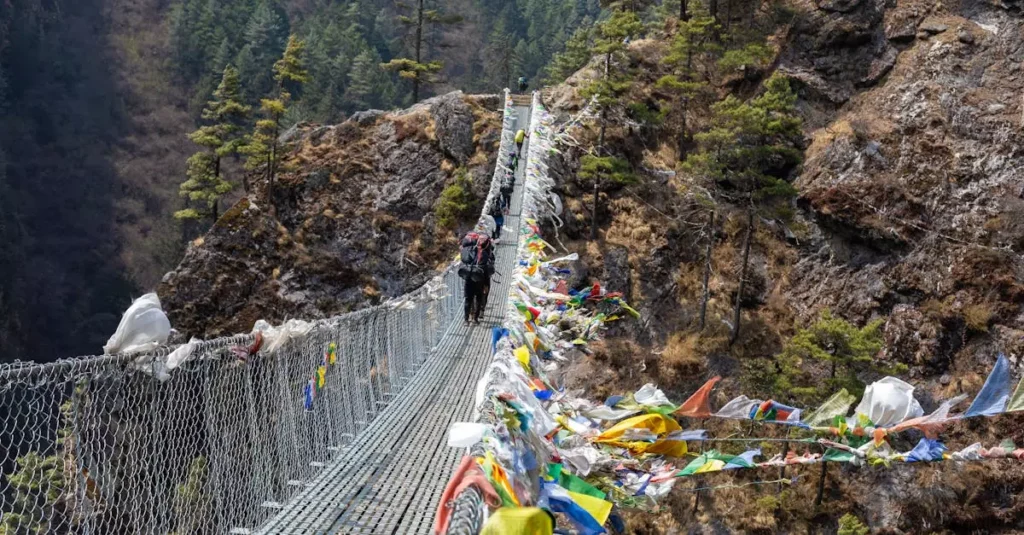
Introduction to Everest Base Camp Expenses
Heading to the roof of the world is thrilling, but money matters need attention. Many people ask about the ebc trek total cost 12 days before booking flights. High-altitude trekking comes with predictable billsairfares, permits, local help, and daily mountain costsbut also a few surprises depending on how much comfort you want and what gear you already own.
The 12-day schedule is popular for travelers short on time because it follows a compact route straight to the base of Everest. Most itineraries begin in Nepal, with a short domestic flight kickstarting the trek. Knowing your everest 12 day trek budget in advance helps prevent awkward expenses later, since prices in the Khumbu valley are highereverything must be carried in by porters or pack animals.
Below you’ll find a full breakdown of expected costs: meals, lodging, required permits, and the small extras that add up, like hot showers and internet access. The goal is to give you a clear financial picture for 2026 so you can concentrate on the scenery and the physical challenge rather than surprise bills on the trail.
Understanding the EBC Trek Total Cost 12 Days
For most travelers, the ebc trek total cost 12 days falls between $1,200 and $1,800 per person, not including international flights or personal technical gear. The single biggest outlay is usually the domestic return flight from Kathmandu or Ramechhap to Lukla, which in 2026 runs about $400$500. That flight shaves off several days of walking and places you directly in the Everest region, so its wise to secure seats early in busy months.
Along the trail youll stay in teahousessimple mountain lodgesand expect to pay roughly $5$10 a night for a room when you also eat at the same lodge. If you opt to dine elsewhere, the room rate can rise significantly. Food costs climb with altitude: a plate of Dal Bhat might be $6 in Lukla and as much as $12 in Gorak Shep. Most trekkers budget around $30$40 per day for meals and hot drinks as they move higher.
Hiring local staff improves safety and comfort. Guides typically charge about $30$40 per day and porters $20$30, often with insurance, food, and accommodation included. Sharing guide and porter costs among a group reduces the per-person price. Budget for tipping as wellaround 15% of the service cost is customary. Beyond logistics, guides are invaluable for route knowledge and managing altitude-related issues.
Daily Expenses and Everest 12 Day Trek Budget
Your daily everest 12 day trek budget should allow for small but frequent charges. For instance, charging electronics usually costs $2$6 per full battery. Most teahouses sell Wi-Fi through Air Jaldi or Everest Link cards; a 1020GB card goes for around $20. Local SIM coverage is spotty at high elevations, so these data cards are the most reliable way to stay in touch.
Basic hygiene in the mountains has a price tag too. A hot shower ranges from $5 to $10 depending on altitude, and many trekkers rely on wet wipes to save cash and water. Bottled water becomes more expensive the higher you goabout $1 per liter low down and up to $4 near base camp. Bringing purification tablets or a filtered bottle lets you fill up for free at taps and treat water yourself, cutting costs and plastic waste.
Snacks and comfort items are costly the further you go. A chocolate bar or soda can cost $3$5, so buying such supplies in Kathmandu before flying to Lukla is sensible. Carry some nuts, dried fruit, and energy bars to save money and calories, but remember the strict 15kg baggage limits on many Lukla flightsoverweight luggage can mean steep extra fees.
Permit Fees and Essential Documentation
You cant trek in the Everest region without the right permits. The Khumbu Pasang Lhamu Rural Municipality Entrance Permit costs around NPR 2,000 (roughly $15$20) and is issued at Lukla or Monjo. It helps fund trail maintenance and local projects, and youll need to show it at several checkpoints, so keep it safe.
The Sagarmatha National Park Entry Permit is a separate requirement at NPR 3,000 (about $25) for foreign visitors. You can obtain it through the Nepal Tourism Board in Kathmandu or at the park gate in Monjo. That fee supports conservation efforts for the parks unique ecosystems. If you approach by land from Jiri, check whether an extra permit for Gaurishankar Conservation Area is necessary.
Regulations in 2026 may tighten around solo trekking. Several regions already require licensed guides to reduce incidents and improve safety. Even where enforcement is light, hiring a guide simplifies permit paperwork and ensures compliance with local rulesoften a worthwhile addition to the budget for peace of mind.
Gear and Equipment Costs for Beginners
Outfitting yourself from scratch can blow your budget: quality alpine gear can exceed $1,000 when you add a down jacket, warm sleeping bag, waterproof boots, and thermal layers. Thamel in Kathmandu, however, has many rental optionsrenting a heavy down jacket or a -20C sleeping bag for a few dollars a day is an effective way to lower your ebc trek total cost 12 days if you dont plan on frequent cold-weather trips.
Boots are the single most important purchase. Dont rent or buy boots at the last minuteyou need time to break them in to avoid blisters. Expect to spend $150$250 for a durable pair of waterproof trekking boots. Other essentials include trekking poles, a headlamp, and a 4050 liter pack. Kathmandu offers cheaper gear, but inspect quality carefully: inferior equipment can fail and cause major headaches on the trail.
Layering keeps you warm without overpaying. A moisture-wicking base layer, a warm fleece mid-layer, and a waterproof shell are the basics. Affordable fleeces and thermals are available locally. Dont forget sunglasses with UV protection, sunscreen, and a first aid kit. Altitude medication such as Diamox should be discussed with your doctor before departure; medical preparations are a small cost that pays off in safety.
Comparison Table: Luxury vs. Standard vs. Budget
Seeing price differences side-by-side helps when choosing your everest 12 day trek budget. Options range from rugged, self-supported treks to comfortable guided trips and high-end lodge packages. Below is a practical comparison for a 12-day itinerary in 2026 and a pointer to the official Nepal tourism site for more details.
| Category | Budget Trekker | Standard Trekker | Luxury Trekker |
|---|---|---|---|
| Accommodation | $60 – $100 | $150 – $300 | $1,500 – $3,000 |
| Food & Water | $350 – $450 | $500 – $650 | $800 – $1,000 |
| Guide/Porter | None (Self-guided) | $400 – $600 | Included in package |
| Flights (Lukla) | $450 | $450 | Helicopter ($1,000+) |
| Permits | $50 | $50 | $50 |
| Total Estimate | $910 – $1,100 | $1,550 – $2,050 | $4,000 – $6,000+ |
The spread in prices is wide because choices matter. Budget trekkers cut costs by carrying their own packs and skipping extra comforts; standard trekkers balance safety and convenience with a guide and porter; luxury trekkers pay for top-tier lodges and services like heated rooms and gourmet food. For many people, the standard option hits the sweet spot between comfort and expense while providing support during tougher sections of the trek.
Pros and Cons of a 12-Day Itinerary
A 12-day itinerary is an efficient way to reach Everest Base Camp if your schedule is tight and youre physically prepared. The trade-off is a brisk ascent schedule. Most 12-day plans include two acclimatization daysthe minimum advisableand leave little margin for extra rest if symptoms appear. That compressed timetable can raise the risk of altitude problems if you push too hard.
- Pros: Fits a typical two-week vacation. Generally costs less than 14- or 16-day options. Offers a concentrated physical challenge with all the key sights.
- Cons: Faster ascent increases altitude sickness risk. Few buffer days for Lukla flight delays. Demanding daily mileage and limited recovery time.
The trek demands solid fitness: expect 57 hours of walking most days. Slow walkers may reach teahouses late, reducing recovery and social time. Still, the 12-day route is efficientmost trekkers experience highlights such as Namche Bazaar, Tengboche Monastery, and the view from Kala Patthar within that timeframe, provided theyre well prepared.
Practical Tips to Save Money
Keeping the ebc trek total cost 12 days under control is easier with a few practical habits. Carry enough Nepalese Rupees since ATMs, even in Namche Bazaar, can run dry. Exchange money in Kathmandu for better rates, and prefer paying in local currency rather than USD or Euros at teahouses, which often apply poor conversion rates.
Save by eating smartDal Bhat is both cheap and energy-dense, with free rice and lentil refills that fuel long days without the premium price of Western dishes. Also, avoid alcohol on trek; its pricey and worsens dehydration and altitude effectscelebrate back in Kathmandu instead.
Consider shoulder seasons for lower costs: late May or early September usually brings fewer crowds and cheaper flights and gear, though weather may be wetter. Bring a high-capacity power bank (20,000mAh or more) to avoid daily charging feesthis single item often pays for itself over the trip.
How much should I tip my guide and porter?
A tip of about 15% of the total service cost is customary. For a 12-day trek that typically works out to $100$150 for a guide and $60$80 for a porter, handed over on the final day in Lukla. Tips are a significant part of their income and a key way to show appreciation.
Is travel insurance mandatory for the EBC trek?
Yesadequate travel insurance is essential and is often required by operators. Your policy should explicitly cover trekking up to at least 6,000 meters and include emergency helicopter evacuation. A rescue flight can exceed $5,000, so insurance shields you from catastrophic costs.
Can I use credit cards during the trek?
After Namche Bazaar, credit cards are mostly unusable. Some larger lodges around Namche may accept cards but often tack on a 35% processing fee. Beyond those spots, its a cash economybring enough Nepalese Rupees for your entire 12-day trek to avoid hassles.
What is the cheapest way to get drinking water?
Water purification tablets or drops are the cheapest and most environmentally friendly option. Buy them in Kathmandu and treat tap or stream water as needed. This avoids repeated purchases of expensive plastic bottles and reduces waste on the trail.
Are there hidden costs I should know about?
Hidden charges often include device charging, hot showers, Wi-Fi, extra blankets, or heated lounge use. Lukla flight delays can force extra nights in hotels and additional meals. A small emergency fund of $200$300 is a sensible cushion against these unpredictable expenses.
Conclusion: Planning Your 2026 Everest Adventure
Standing at Everest Base Camp is a rare and rewarding experience, and the ebc trek total cost 12 days should be seen as an investment in that memory. Careful budgeting for flights, permits, gear, and daily needs lets you enjoy the trek without constant money worries. Keep a buffer in your plans for price changes or unexpected delaysthose extra dollars buy peace of mind on the trail.
Stay current with developments in tourism in Nepal as you prepare. Whether you opt for a frugal solo approach or a more comfortable guided tour, sensible planning and the right savings strategy will make your 2026 Everest Base Camp trek both achievable and unforgettable. Start setting money aside now, and get ready to experience the Himalayas and Sherpa hospitality firsthand.