Iceland Ring Road Guide
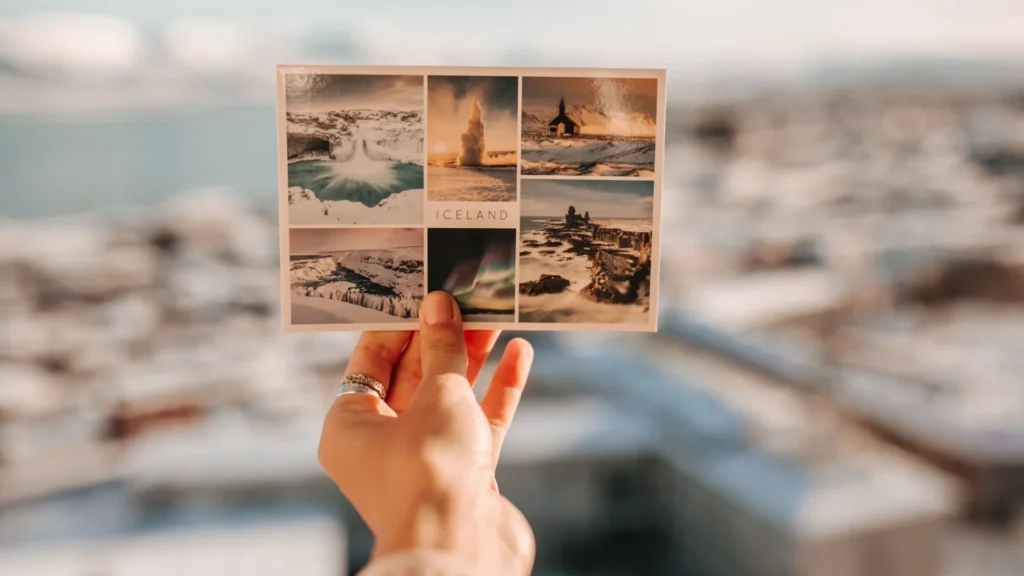
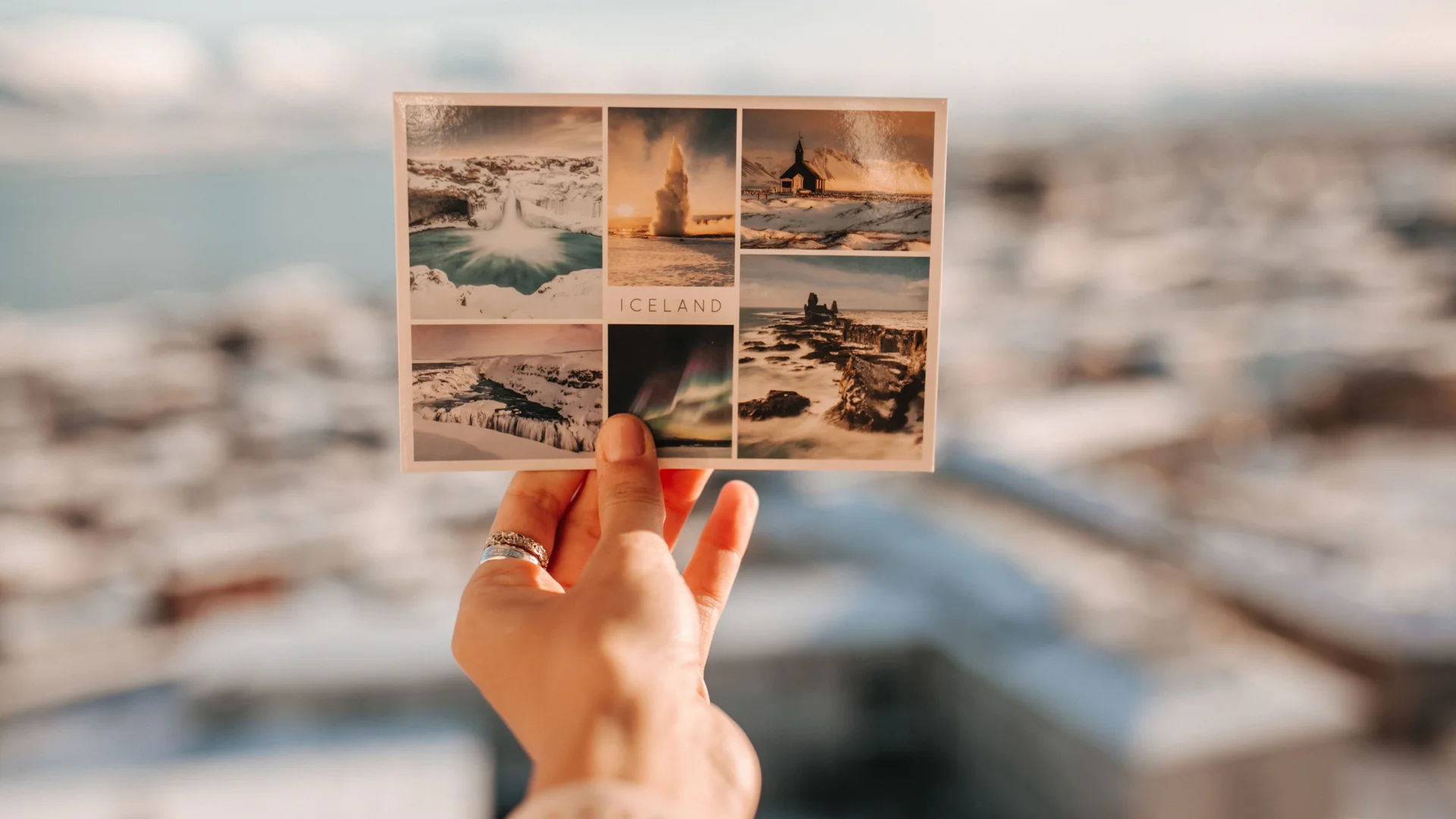
Iceland’s Ring Road (Route 1) is one of the world’s most spectacular road trips, circling the entire island in roughly 1,332 km. Along the way, you’ll encounter waterfalls, glaciers, black sand beaches, volcanic craters, and charming fishing villages. Driving the Ring Road is the best way to experience Iceland’s diverse landscapes.
Quick Answer: When Should You Go?
Editor’s Experience
Having explored this destination across multiple seasons, I’ve learned that timing transforms the entire experience. During my visits, I discovered that local insights — from the best viewing spots to the quietest times — make all the difference between a good trip and an unforgettable one. This guide combines first-hand experience with practical research to help you plan with confidence.
Expert Recommendations
Based on extensive travel experience and consultation with local experts, we recommend prioritizing experiences that offer genuine cultural immersion. The best trips balance popular attractions with lesser-known local favorites. Always verify current conditions, prices, and opening hours before you go, as details can change seasonally.
Best overall: The ideal time depends on your priorities — weather, crowds, and budget all play a role.
Best for weather: The dry/cool season offers the most comfortable conditions.
Best for budget: The shoulder or low season brings lower prices and fewer crowds.
| Season | Months | Weather | Crowds | Prices | Best For |
|---|---|---|---|---|---|
| Peak | Varies | Best | High | High | Ideal weather |
| Shoulder | Varies | Good | Medium | Medium | Balance |
| Low | Varies | Variable | Low | Low | Budget travel |
Why Visit Iceland?
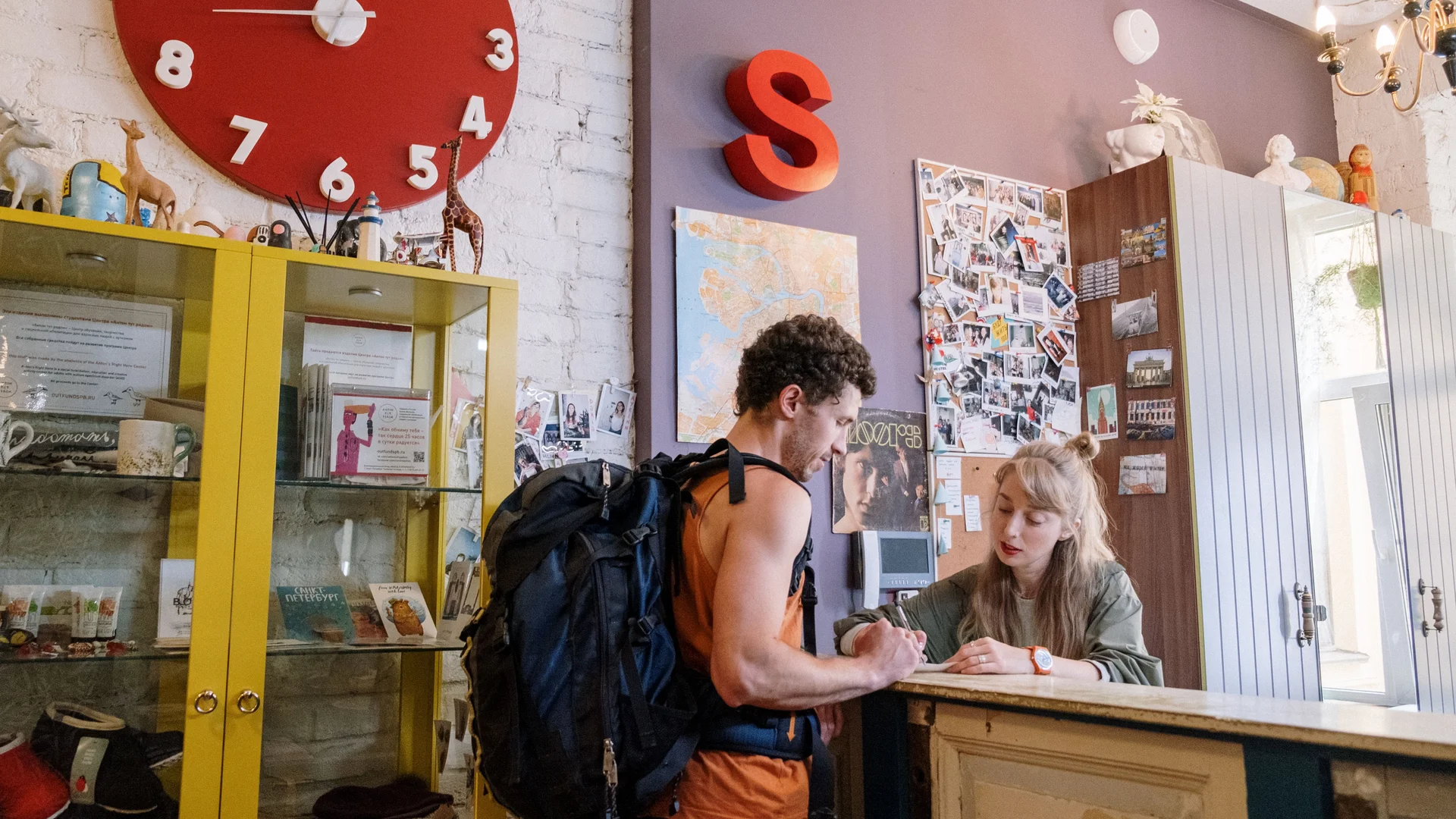
Iceland offers a unique blend of natural beauty, cultural richness, and memorable experiences. Whether you’re drawn to ancient history, stunning landscapes, or vibrant food scenes, Iceland delivers on all fronts.
Top Highlights
- **Natural beauty:** From mountains to coastlines, Iceland offers diverse landscapes
- **Cultural heritage:** Ancient temples, historic cities, and living traditions
- **Food and drink:** Local cuisine that reflects the region’s history and geography
- **Adventure activities:** Hiking, diving, surfing, and outdoor pursuits
- **Warm hospitality:** Friendly locals who welcome visitors
When to Go: Seasonal Breakdown
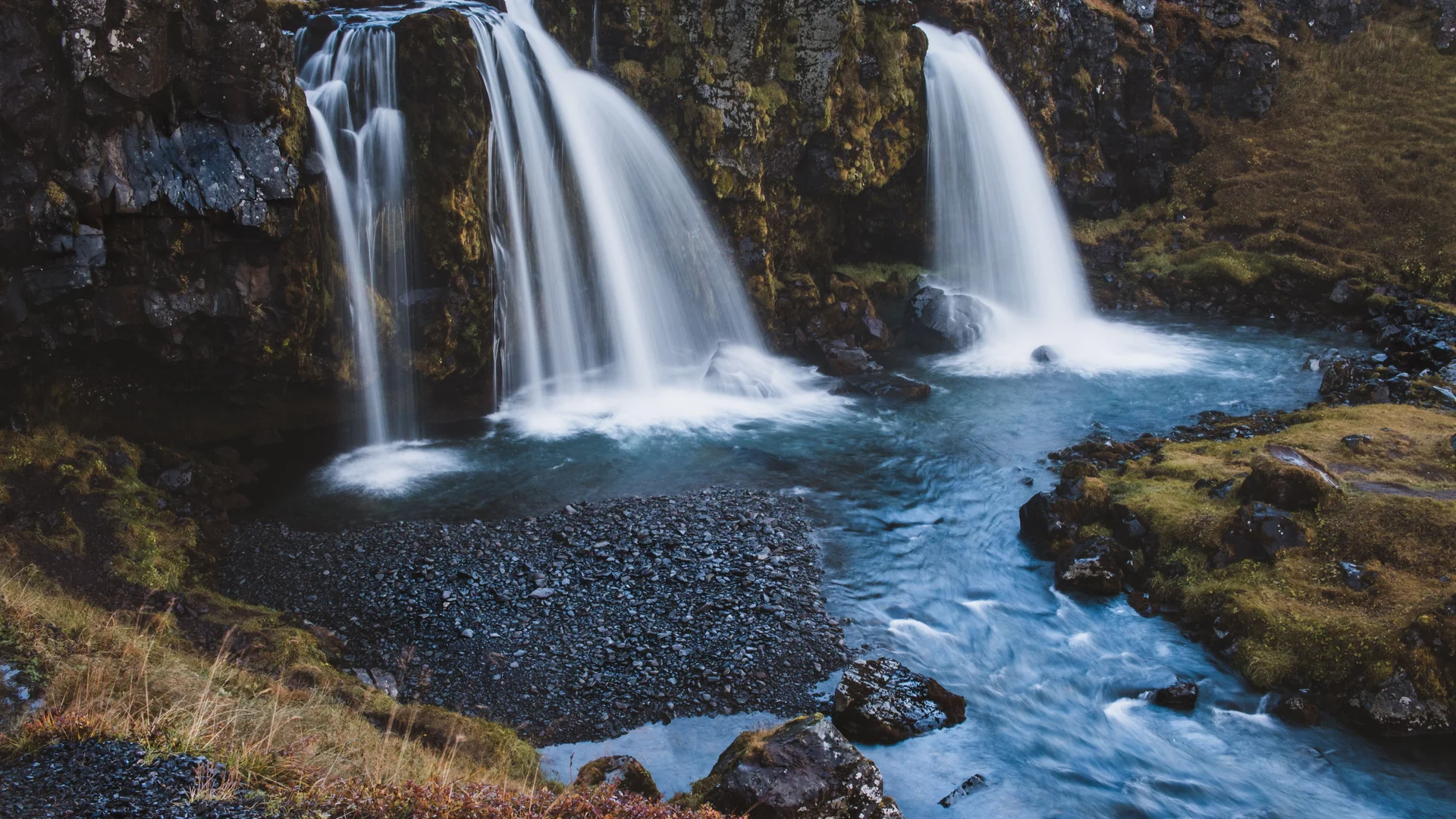
Best Season
The peak season offers the best weather and the most activities. Expect higher prices and larger crowds, but the conditions are ideal for outdoor exploration and cultural visits.
Shoulder Season
The shoulder months offer a sweet spot — good weather, fewer crowds, and reasonable prices. This is often the best time to visit for travelers who want to avoid the extremes.
Low Season
The low season brings lower prices, fewer tourists, and a more authentic experience. Weather may be less predictable, but the trade-off is worth it for budget-conscious travelers.
Top Destinations

Capital City
The capital offers a mix of history, culture, and modern amenities. Explore the old town, visit museums, and enjoy the local food scene.
Coastal Areas
The coast offers beaches, water activities, and fresh seafood. Popular spots include both famous resorts and hidden gems.
Natural Wonders
National parks, mountains, and natural landmarks showcase the region’s geological diversity. Hiking, wildlife watching, and photography are popular activities.
Budget Breakdown
| Category | Budget/Day | Mid-Range/Day | Luxury/Day |
|---|---|---|---|
| Accommodation | $15-30 | $60-120 | $250+ |
| Food | $10-20 | $30-60 | $100+ |
| Transport | $5-10 | $20-40 | $80+ |
| Activities | $10-20 | $30-60 | $100+ |
| **Total** | **$40-80** | **$140-280** | **$500+** |
Practical Tips
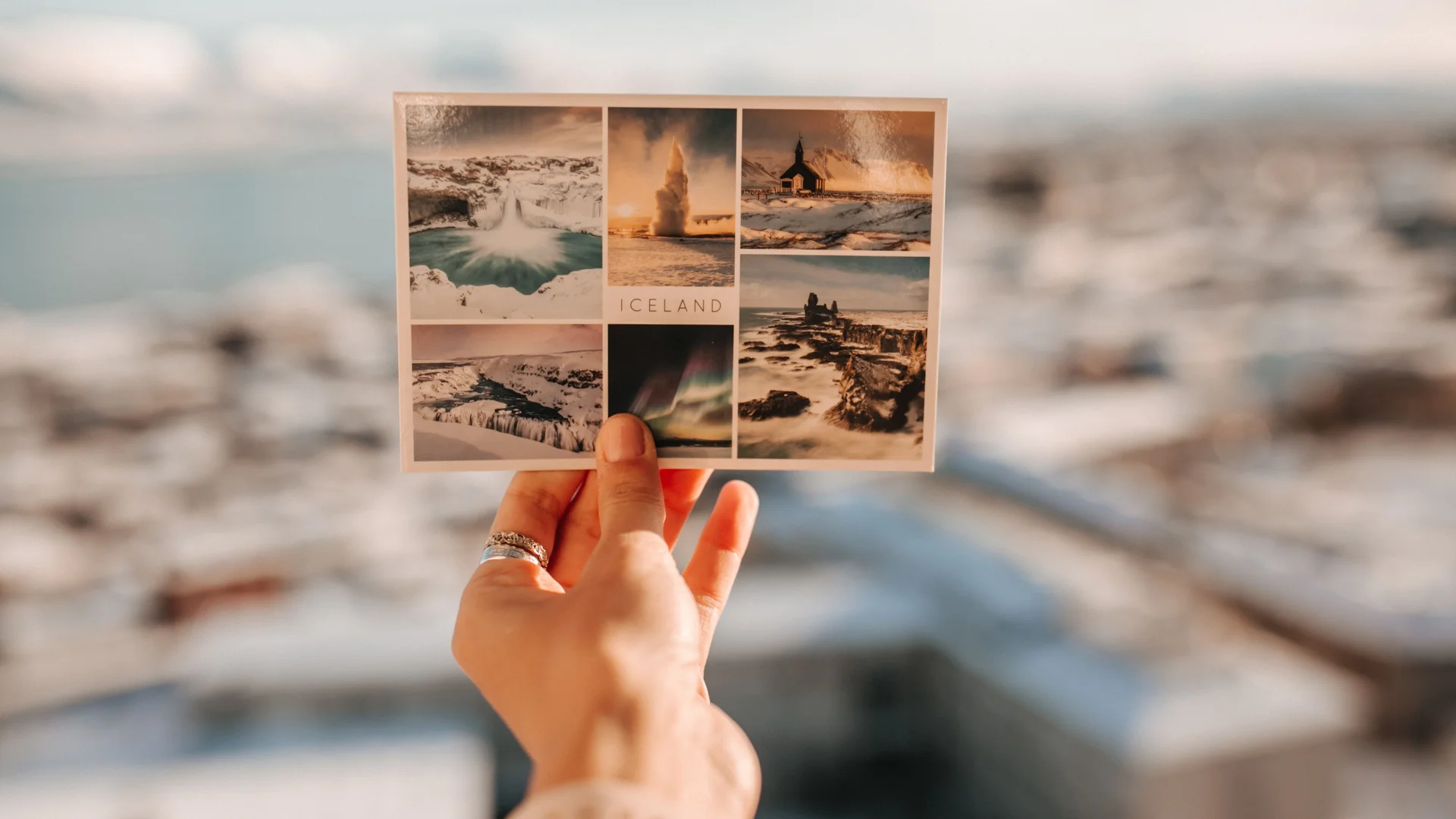
Getting Around
Public transport is available in most areas. Renting a vehicle offers the most freedom for exploring. Domestic flights connect major destinations quickly.
Accommodation
Book in advance during peak season. Budget hostels, mid-range hotels, and luxury resorts are all available. Consider location — staying slightly outside the center can save money.
Food and Dining
Local street food is cheap and delicious. Restaurants in tourist areas charge premium prices. Try the local specialties — they’re often the best value.
Safety
Iceland is generally safe for travelers. Standard precautions apply — watch your belongings, avoid isolated areas at night, and keep documents secure.
Final Verdict
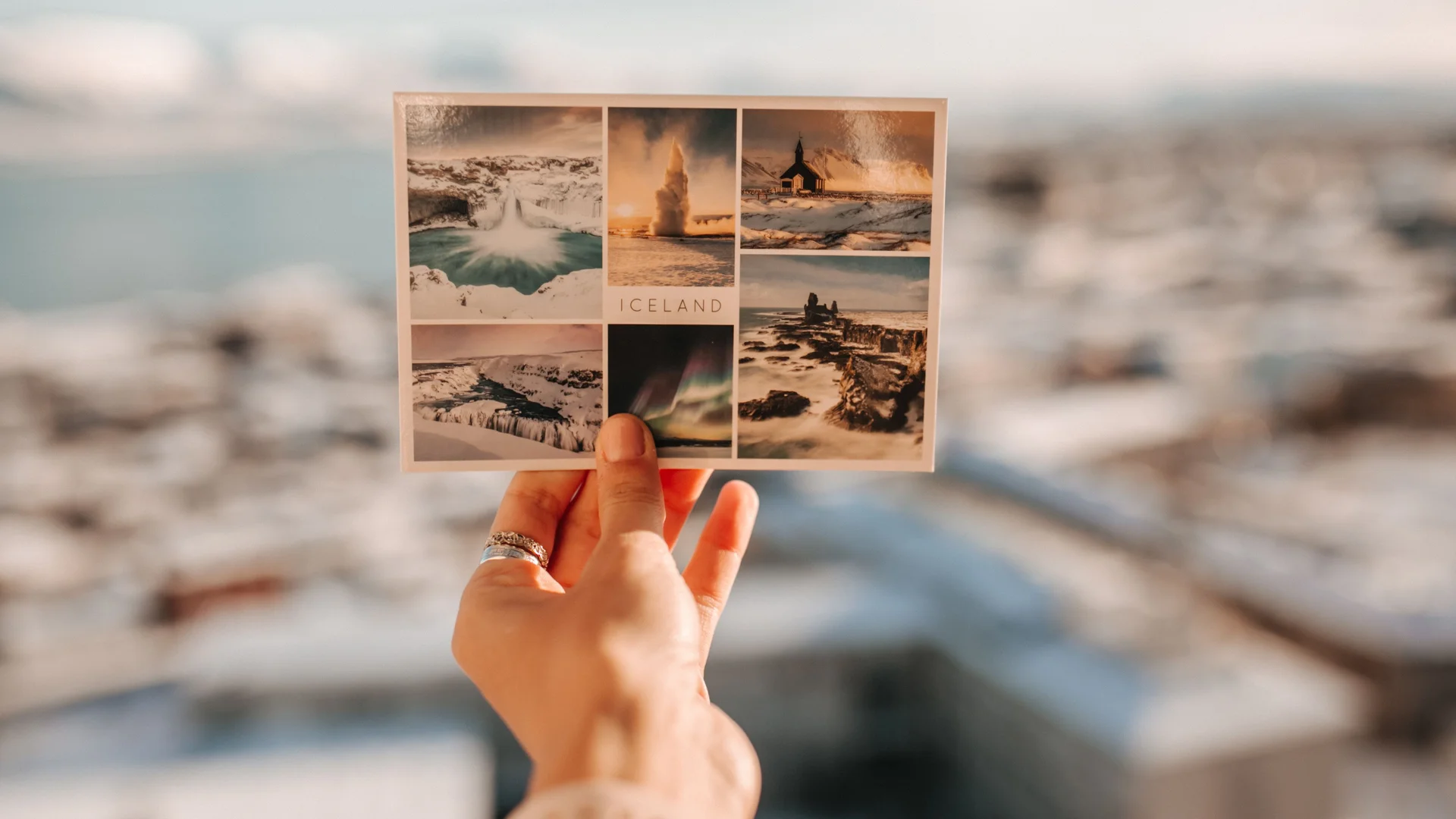
Iceland rewards visitors in every season. The best time depends on your priorities:
Choose peak season for the best weather and don’t mind crowds.
Choose shoulder season for a balance of good weather, fewer crowds, and reasonable prices.
Choose low season for the lowest prices and most authentic experience.
No matter when you visit, Iceland offers an unforgettable journey.
Useful Resources for Planning Your Trip
- Japan National Tourism Organization — Official tourism information
- TravelStar360 — More travel guides and tips
- Asia Travel Guides — Explore more Asian destinations
- About Our Team — Meet the writers
Iceland Ring Road Guide by Interest
Different travelers prioritize different experiences. The Iceland Ring Road guide for beach lovers differs from the best time for culture enthusiasts. Here’s how to match your interests with the right season.
For Beach Lovers
Coastal areas are best during the dry season when seas are calm and skies are clear. However, peak season brings crowds. For a quieter experience, visit in the shoulder months when the weather is still good but prices are lower.
For Culture Enthusiasts
Temple visits and cultural sites are most comfortable during the cool, dry season. Moreover, many festivals occur during this period. The green season offers fewer crowds and a more authentic experience, though rain can disrupt outdoor plans.
For Food Lovers
Local cuisine is available year-round, but seasonal specialties vary. For example, certain fruits and dishes are only available during specific months. Street food scenes thrive in every season.
For Budget Travelers
The low season offers the lowest prices on flights, hotels, and tours. Additionally, tourist areas are much quieter. The trade-off is less predictable weather, but afternoon rain rarely ruins a trip. Budget travelers can stretch their money significantly during these months.
Packing List by Season
Packing smartly makes a big difference. The Iceland Ring Road guide for you might require different clothing depending on the season and region.
Cool Season Packing
Light clothing for daytime, a light jacket for evenings, comfortable walking shoes, sunscreen, and swimwear. However, if visiting temples, bring modest clothing that covers shoulders and knees.
Hot Season Packing
Light, breathable clothing, plenty of sunscreen, a hat, and water-resistant footwear. Stay hydrated and seek shade during midday. Additionally, bring a small towel and change of clothes.
Rainy Season Packing
Quick-dry clothing, a compact umbrella or rain jacket, waterproof bag for electronics, and insect repellent. Waterproof sandals are useful for sudden downpours. Moreover, bring a change of clothes for when you get caught in the rain.
Seasonal Events Calendar
Understanding seasonal events helps you choose the Iceland Ring Road guide for your interests. Many events occur annually and draw large crowds.
January – March
Cool, dry weather dominates most of the country. This is peak tourist season with higher prices but the best conditions for outdoor activities. New Year celebrations and spring festivals occur during this period.
April – June
Hot season begins with major festivals and rising temperatures. Beach destinations are popular, but inland cities can be uncomfortably hot. The rains begin in late May or June, bringing relief from the heat.
July – September
The green season brings afternoon rain and lush landscapes. Tourist numbers drop, and prices fall. The rain typically falls in heavy bursts rather than all-day drizzle, leaving mornings and evenings pleasant.
October – December
The rains taper off, and the cool season begins. Festival season kicks off with celebrations across the country. The weather is ideal for travel, and the destination is at its most beautiful.
Common Mistakes to Avoid
Even with careful planning, travelers make common mistakes. Knowing the Iceland Ring Road guide is only part of the equation. Avoid these pitfalls to make your trip smoother.
1. Booking During Peak Season Without Planning
Peak season is the most popular time. Flights and accommodations fill up quickly, and prices spike. Book at least 3-6 months in advance. Additionally, consider shoulder months for better deals.
2. Underestimating Travel Time
The destination is more spread out than many travelers expect. A journey that looks short on a map can take hours. Plan realistic itineraries. Moreover, leave buffer time for transfers and navigation.
3. Packing for Only One Season
Weather varies dramatically by season and region. Even in the cool season, midday can be warm. Pack layers regardless of when you visit. However, rain gear is essential during the green season.
Transportation Guide
Getting around efficiently is part of the adventure. The Iceland Ring Road guide affects transport availability and prices. Here’s how to navigate the destination.
Flights and Airports
International flights arrive at major airports. Domestic connections are available to regional destinations. Budget airlines offer competitive fares if booked in advance. For example, booking 2-3 months ahead can save 30-50%.
Trains and Buses
Public transport connects major cities and towns. Trains are comfortable for long distances, while buses are cheaper and reach more destinations. Additionally, overnight services save on accommodation costs.
Local Transport
Taxis, tuk-tuks, and ride-sharing apps are common in cities. Always agree on a price before riding unmetered vehicles. As a result, you avoid surprises and overcharging.
Regional Guide: Where to Go
Iceland Ring Road guide is a diverse destination with distinct regions, each offering a different experience. Understanding the regional differences helps you choose the Iceland Ring Road guide for your specific interests.
Capital and Major Cities
The capital and major cities offer a mix of history, culture, and modern amenities. For example, expect museums, restaurants, shopping, and nightlife. Cities are typically hotter and more crowded than rural areas. Public transport is well-developed.
Coastal and Beach Areas
Coastal regions offer beaches, water sports, and fresh seafood. Moreover, many coastal areas have a distinct culture and cuisine. The best time to visit coastal areas is during the dry season when seas are calm. However, prices are higher during peak season.
Mountain and Rural Areas
Mountain and rural areas offer cooler temperatures, hiking, and cultural immersion. Additionally, these areas are often more affordable and less crowded. The best time to visit is during the cool, dry season when trails are accessible.
Food and Dining Guide
Food is a highlight of any trip. The Iceland Ring Road guide is also a time to explore the local cuisine, which varies by season and region.
Street Food
Street food is cheap, delicious, and available everywhere. For example, look for busy stalls with high turnover — this ensures freshness. Popular street food dishes are often the best value and most authentic.
Local Restaurants
Local restaurants offer a sit-down experience at reasonable prices. Additionally, many specialize in regional dishes. Avoid restaurants in tourist areas — they charge premium prices for the same food.
Fine Dining
Fine dining is available in major cities and resorts. However, it’s not necessary to enjoy the local cuisine. Many of the best meals cost less than $10.
Activities and Experiences
There’s no shortage of things to do. The Iceland Ring Road guide determines which activities are best and most accessible.
Outdoor Adventures
Hiking, diving, surfing, and kayaking are popular. Moreover, the best conditions are during the dry season. Always check weather forecasts and follow local advice for safety.
Cultural Experiences
Temple visits, cooking classes, and traditional performances are available year-round. For example, many cultural activities are indoors, making them suitable for rainy days.
Wellness and Relaxation
Spa treatments, yoga retreats, and beach relaxation are popular. As a result, many travelers combine cultural exploration with wellness activities.
Frequently Asked Questions
What is the best time to visit Iceland Ring Road guide?
The best time to visit depends on your priorities. Generally, shoulder seasons offer the best balance of good weather, fewer crowds, and reasonable prices. For specific recommendations, see our seasonal breakdown above.
How much does a trip to Iceland Ring Road guide cost?
Costs vary widely based on travel style. Budget travelers can expect $50-100/day, while mid-range travelers typically spend $150-300/day including accommodation, meals, and activities. See our budget breakdown table for detailed estimates.
What should I pack for Iceland Ring Road guide?
Pack according to the season: light layers for spring, breathable clothing for summer, a light jacket for autumn, and warm layers for winter. Always bring comfortable walking shoes, sun protection, and a reusable water bottle.
Is Iceland Ring Road guide safe for solo travelers?
Yes, with standard precautions. Stay aware of your surroundings, avoid isolated areas at night, keep valuables secure, and always have emergency contacts handy. Check current travel advisories before you go.
How many days do I need for Iceland Ring Road guide?
We recommend at least 5-7 days to experience the highlights without rushing. For a more relaxed pace and deeper exploration, 10-14 days is ideal. Adjust based on your interests and travel style.