
Introduction to Kathmandu Solo Travel Costs
Kathmandu, Nepals energetic capital, acts as the main entry point for travelers heading to the Himalayas. If youre budgeting for a trip, knowing the kathmandu solo travel cost per day makes planning much easier. The city mixes centuries-old temples and narrow alleys with modern cafs and services. Solo visitors often find Kathmandu unusually budget-friendly compared with other Asian capitals. From backpacker dorms to comfortable guest houses, there are accommodation tiers to match nearly every wallet. Expect bustling markets, heritage sites at every turn, and a wide selection of local and international food options.
The amount you spend each day hinges on your choices for lodging, meals, and activities. Many travelers pause here to absorb the rich history of Nepal before setting out on longer treks. Getting around on foot is straightforward in central districts, and ride-hailing apps make longer hops painless. The local currency is the Nepalese Rupee, with exchange counters common in tourist areas. When building a kathmandu solo travel cost per day estimate, factor in heritage site fees and daily meal prices so your itinerary stays relaxed and enjoyable while soaking up the warm local hospitality.
Even in 2026, Kathmandu remains a magnet for independent travelers because of its relative safety and low living costs. Prices have inched upward but the city still delivers strong value compared with Western destinations. A realistic daily spending range is roughly $25 to $60, depending on comfort preferences. The sections that follow break down typical daily expensesfrom a steaming cup of local tea to private taxi faresso you can plan a trip that balances experience and budget in this Himalayan hub.
Daily Budget Breakdown for Solo Travelers
A typical kathmandu solo travel cost per day sits around $25 for frugal backpackers and can rise to about $55 for those seeking more comfort. Dorm beds in hostels tend to run $6 to $10 a night, making overnight stays inexpensive. Local staple meals such as dal bhat are filling and usually under $4 at neighborhood joints. Bringing a reusable bottle and using filtered water cuts down on buying bottled water. If you stick to local eateries and walk often, many travelers manage on $5 to $8 a day for food, freeing up cash for sightseeing and souvenirs.
Travelers seeking a bit more privacy often book private rooms at boutique guest houses for $20 to $35 per night. Dining in Thamels tourist-focused cafs pushes the food budget closer to $15$20 daily, and using taxis for convenience can tack on another $10 or so. Entrance fees to major sites are typically one-off costs that affect your daily average. Setting aside an extra $5 a day for small extras like laundry or snacks helps avoid surprises. Keep a simple expense log and you can comfortably shape a kathmandu solo budget to match your style.
Accommodation Options and Pricing in Kathmandu
Accommodation choices are a key part of calculating your kathmandu solo travel cost per day. Thamel is the social hub for solo travelerscentral, lively, and full of hostels. Dorm beds here can be found from about $5 per night and usually include amenities like free WiFi and communal lounges where travelers meet. If you prefer quieter streets, neighborhoods such as Paknajol or Jyatha offer private rooms with attached bathrooms in the $15$25 range. During spring and autumn trekking seasons, it pays to book early as demand pushes prices up.
For higher comfort, international hotels charge well over $100 nightly, though most solo visitors find mid-range guest houses provide the best value. Many of these properties showcase Newari architecture and rooftop terraces with city views. Check whether breakfast is included to shave daily costs, and ask about discounts for week-long stays. Recent reviews are helpful to confirm consistent hot water and electricity. Choosing a well-placed guest house can also cut transportation expenses.
Food and Dining Costs for Solo Adventurers
Nepali cuisine is both a highlight and a budget win for solo travelers. Dal bhata plate of rice, lentils, vegetables, and picklesis widely available and often comes with free refills at small local restaurants, usually priced between $3 and $5. Momos are another popular choice; a plate commonly costs $1.50 to $3. Street snacks such as sel roti and chatpate are inexpensive and handy on the go. Adopting local eating habits is one of the best ways to keep your kathmandu solo travel cost per day low while enjoying authentic flavors.
If you crave international dishes, Thamel hosts many cafs serving Italian, Israeli, and continental menus. Expect pizzas or pasta dishes in the $7$10 bracket, and coffee prices are modesta latte costs around $2.50. To avoid stomach issues, be cautious with raw salads and tap water; buying seasonal fruit from a vendor is a safe, budget-friendly alternative. Garden cafs provide pleasant spots to socialize, and dining at a tourist restaurant once a day wont usually blow the budget. The official Nepal Tourism Board site can point you toward culinary tours and food events.
Transportation and Getting Around the City
Exploring Kathmandu often feels lively and chaotic thanks to busy streets and tight lanes. Walking is the cheapest way to see Thamel and many nearby heritage sites; most central attractions lie within a 30minute stroll of each other. For longer hops, ride-hailing apps such as Pathao and InDrive are convenient and give fixed fares for bikes and cars, eliminating negotiation stress. A motorbike ride across town generally costs $1.50$3, making it a fast option through congested roads.
Public buses and microbuses are extremely cheapfares start below $0.20but can be crowded and tricky without Nepali language skills. Metered taxis are available but are pricier for solo travelers; always confirm the fare or insist the driver uses the meter. Expect airport-to-Thamel fares around $7$10. If your budget is tight, avoid short private taxi trips. Cycling is feasible but the dusty roads and unpredictable traffic may deter some. Most people settle on a mix of walking and app-based rides as the most practical approach.
Sightseeing and Entrance Fees in Kathmandu
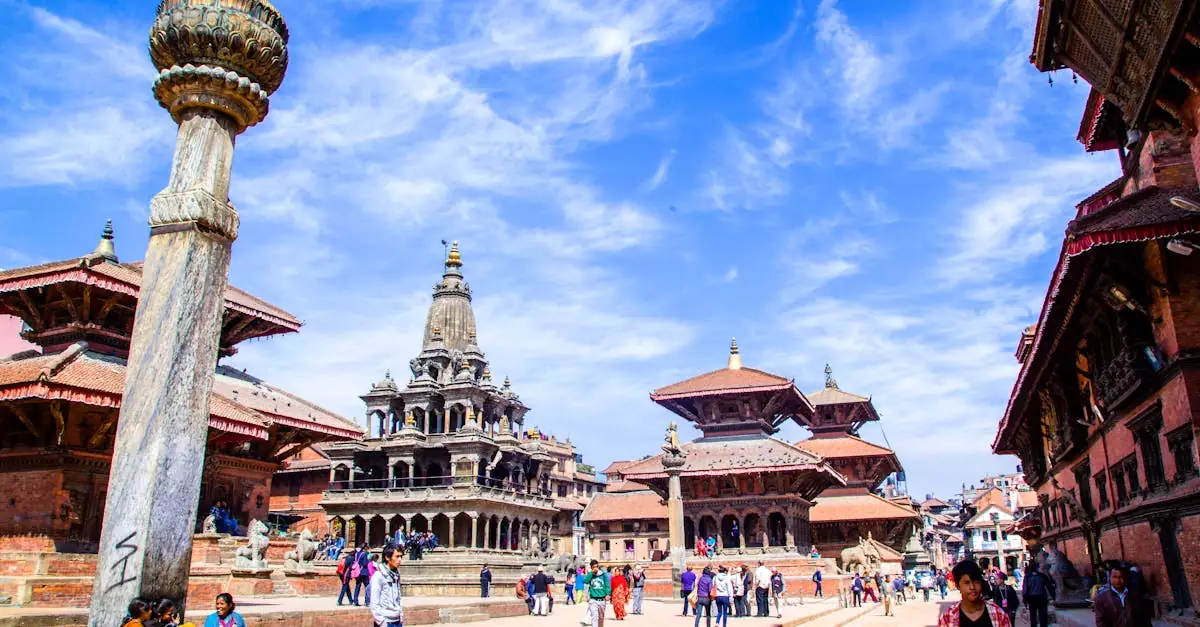
Kathmandu contains several UNESCO World Heritage Sites that deserve time on your itinerary, and entrance fees can form a noticeable part of the kathmandu solo travel cost per day. Kathmandu Durbar Square, for example, charges about $8 for foreign visitors. Patan Durbar Square and Bhaktapur Durbar Square have similar fees, typically in the $5$11 range. These charges contribute to the restoration and upkeep of temples and palaces affected by past quakes. Keep your tickets handysome allow re-entry within a few days.
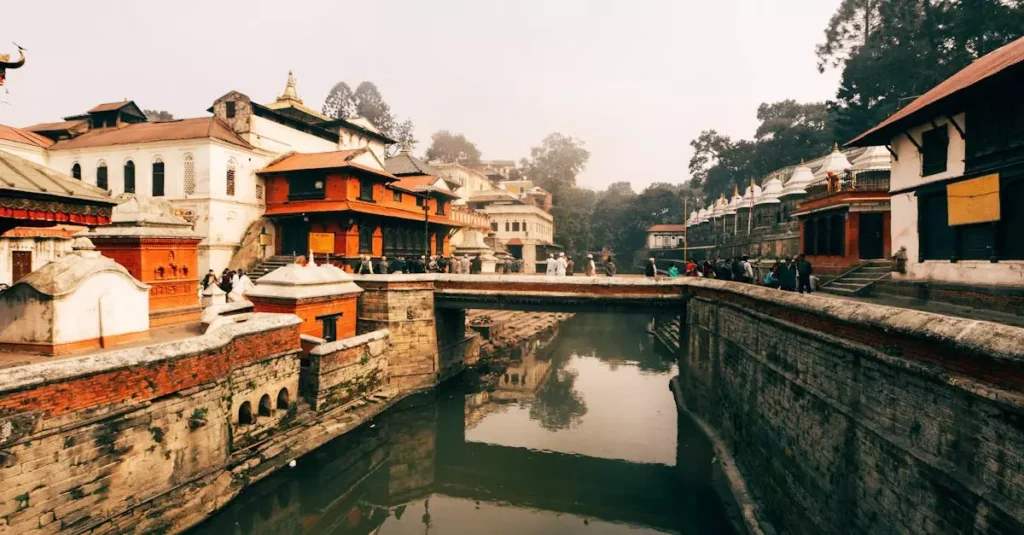
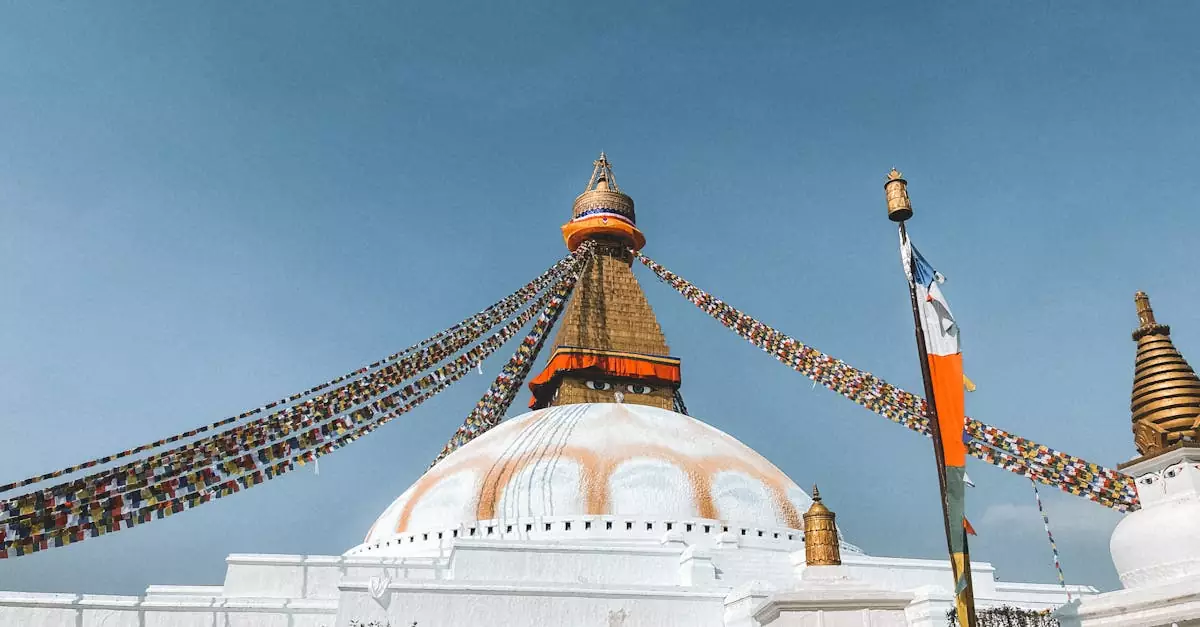
Swayambhunath Stupa (the Monkey Temple) usually costs about $1.50 to enter, while Pashupatinaths complex has an entry fee near $8. Many smaller shrines are open to visitors free of charge; the Nepal tourism information sources list options and fees. The Garden of Dreams charges roughly $3 and offers a tranquil escape from city noise. Budgeting for these entrance fees lets you spread visits over several days so each site can be experienced without rushing.
Kathmandu Solo Travel Cost Per Day Comparison
Seeing how different travel styles affect expenses can make it easier to choose an approach. The table below compares typical daily costs for three traveler types using average 2026 prices. Budget travelers favor hostels and local food, mid-range guests opt for private rooms and more dining variety, and luxury visitors prioritize high-end hotels and private services. Use the figures to figure out which bracket aligns with your expectations and travel priorities.
| Expense Category | Budget Traveler ($) | Mid-Range Traveler ($) | Luxury Traveler ($) |
|---|---|---|---|
| Accommodation | $6 – $10 | $20 – $40 | $100+ |
| Meals & Water | $5 – $8 | $15 – $25 | $40+ |
| Transportation | $1 – $3 | $5 – $10 | $25+ |
| Sightseeing | $5 – $10 | $10 – $15 | $30+ |
| Total Daily Cost | $17 – $31 | $50 – $90 | $195+ |
The kathmandu solo travel cost per day is highly adaptable depending on your choices. You can live very cheaply by adopting local habits, or opt for extra comfort and convenience by spending more. Most solo travelers end up between the budget and mid-range brackets. Keep an eye on festival periods when prices can spike, and reserve flights and accommodation in advance to avoid last-minute surcharges. Its always wise to carry a little extra cash for unforeseen expenses or spontaneous activities.
Pros and Cons of Budget Travel in Kathmandu
Traveling on a shoestring in Kathmandu brings benefits beyond cost savings. Eating at local stalls and using public transport tends to open doors to genuine interactions with residents, often leading to deeper cultural insight and new friendships. Budget itineraries push you toward quieter neighborhoods and lesser-visited corners instead of the usual tourist paths. Hostels also make it easy to meet other solo travelers and potentially find companions for treks into the mountains.
- Pro: Extremely affordable food and lodging compared to other major cities.
- Pro: Easy to meet other solo travelers in the social hostel environment.
- Pro: Authentic cultural immersion by using local services and markets.
- Con: Air quality and dust can be challenging when walking or using open transport.
- Con: Budget rooms may have inconsistent hot water or electricity during peak times.
- Con: Crowded public buses can be overwhelming for some first-time visitors.
There are trade-offs to keeping the kathmandu solo travel cost per day very low. The dust, noise, and long walking spells may wear you down, and basic rooms sometimes lack modern comforts like steady hot water or air conditioning. Public transport can be slow because of traffic and frequent stops. Occasionally paying a bit more for a taxi, a quieter room, or a nutritious meal is worthwhile to preserve your energy and wellbeing. For most adventurous travelers, the cultural rewards outweigh these inconveniences.
Practical Tips and Reality Checks
To stretch your kathmandu solo budget further, follow a few simple practices. Carry a reusable bottle and use purification tablets or a UV filter to avoid buying single-use plastic. Install local ridehailing apps on arrival for safer, more transparent fares. Learning basic Nepali greetings like ‘Namaste’ and ‘Dhanyabaad’ goes a long way with locals and can smooth transactions in markets. Note that many restaurants and shops add a 10% service charge plus 13% VAT to the bill.
The citys infrastructure still shows signs of strain in places. Prolonged power cuts are less common than in the past, but intermittent WiFi and inconsistent hot water can occur in budget guest housesask about these before booking. Wearing a mask while walking helps with the dust. Expect to haggle at markets, but do so fairly and courteously; small sums mean more to local vendors than they might seem to you. Keeping these practical checks in mind will make your solo trip more comfortable and predictable.
Frequently Asked Questions
Is Kathmandu safe for solo female travelers?
Generally, Kathmandu is considered safe for solo female travelers. The culture tends to be respectful, and serious violent crimes against tourists are uncommon. Still, avoid deserted areas late at night and trust your instincts. Many women choose female-only dorms or women-focused guest houses for extra peace of mind and to meet like-minded travelers.
What is the best month to visit Kathmandu on a budget?
The shoulder periods around late May and early September strike a good balance between cost and weather. October and April are peak months for trekking and can push up accommodation prices. The monsoon months (JuneAugust) are cheapest but bring heavy rain that may disrupt travel and obscure mountain views. Spring months often offer the most pleasant overall conditions for sightseeing.
Do I need to tip in Kathmandu restaurants?
Tipping isnt mandatory in Nepal but is appreciated for good service. Many tourist restaurants add a 10% service charge, so extra tipping is optional there. In smaller local eateries leaving small change is a kind gesture. For guides and trekking porters, tipping is customary and forms an important part of their income.
How much does a local SIM card cost?
SIM cards from providers such as Ncell or Nepal Telecom are inexpensive and easy to obtain at the airport or in Thamel for around $1$2. Affordable data plans are availableexpect roughly $5 for 10GB. Bring a passport copy and a passport-sized photo for registration.
Can I use my credit card in Kathmandu?
Major hotels, upscale restaurants, and larger trekking shops in Thamel accept credit cards, but most small businesses and guest houses prefer cash. ATMs are plentiful but may charge fees for international withdrawals. Carry enough Nepalese Rupees for daily expenses to avoid difficulties.
Conclusion
Estimating your kathmandu solo travel cost per day puts you in control of your Himalayan plans. Kathmandu offers a wide range of experiences that suit tight budgets and more comfortable travel styles alike. From the historic lanes of Patan to the lively cafs of Thamel, the city rewards time spent wandering and talking with locals. Choosing local food, using rideshare apps, and staying in guest houses are simple ways to keep costs down without missing out.
Stay flexible and follow your interests as you travelthe freedom of solo trips means plans can change to match mood and budget. With a bit of preparation, Kathmandu can become one of the most memorable stops of your journey. Keep safety and comfort in mind, monitor your spending, and allow extra for unexpected opportunities so your time in Nepals capital is both affordable and deeply rewarding.

Our Fact Checking Process
We prioritize accuracy and integrity in our content. Here's how we maintain high standards:
- Expert Review: All articles are reviewed by subject matter experts.
- Source Validation: Information is backed by credible, up-to-date sources.
- Transparency: We clearly cite references and disclose potential conflicts.
Our Review Board
Our content is carefully reviewed by experienced professionals to ensure accuracy and relevance.
- Qualified Experts: Each article is assessed by specialists with field-specific knowledge.
- Up-to-date Insights: We incorporate the latest research, trends, and standards.
- Commitment to Quality: Reviewers ensure clarity, correctness, and completeness.
Look for the expert-reviewed label to read content you can trust.