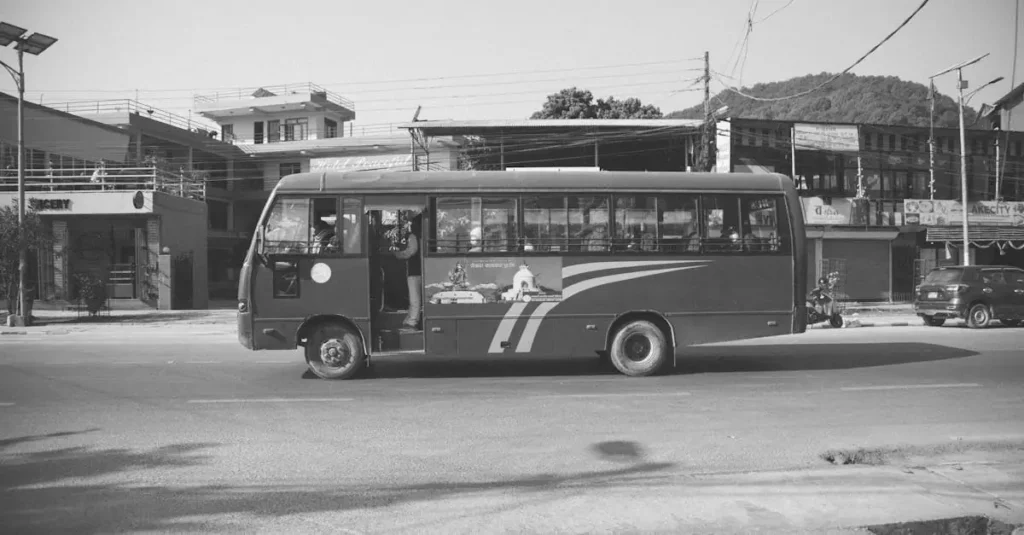
Introduction to the Journey
Moving from Pokhara’s lakeside calm to the lowland jungles of Chitwan has long been a favorite leg for visitors to Nepal. Most people pick the bus for its low fares and the chance to watch hill scenery roll by. The route is roughly 150 kilometers and winds through mountain bends and river valleys. Knowing the pokhara to chitwan bus price helps you plan your budget effectively for your 2026 adventure.
There are several bus types serving this corridor: crowded local runs, mid-range tourist coaches, and upscale, air-conditioned sofa buses. Each offers a different mix of comfort and cost. By comparison, the pokhara chitwan transport cost on public services is modest next to hiring a private vehicle or booking a flight, which is why many backpackers and families choose the road.
Most departures take place in the early morning from Pokhara’s tourist bus park. The drive follows small towns and stretches of the Prithvi Highway, giving windows full of everyday life in the hills. Roads can be rough in sections, but experienced drivers manage the terrain. Picking the right bus category and knowing the fares makes the trip into the Terai much more comfortable.
Understanding the Pokhara to Chitwan Route
The main connection between Pokhara and Chitwan follows the Prithvi Highway until the road drops toward the southern plains. This corridor is a lifeline for commerce and tourism in Nepal, and most journeys take around five to seven hours depending on traffic, roadworks, and conditions near Mugling.
As the bus descends, the landscape alters quickly. Pokharas higher elevation brings cooler air, while moving south toward Chitwan the terrain flattens and temperatures climb as you enter the Terai. Spring and autumn showcase the route at its best, with terraced fields, rushing rivers, and steep valleys punctuating the drive.
Road repair crews are often visible along this highway, and those works can create short delays. Its sensible to bring snacks and water, though buses stop at local eateries regularly. These breaks offer a chance to sample Dal Bhat or simple noodle dishes and to stretch your legs. Most services aim to arrive in Sauraha or Bharatpur by early afternoon.
Pokhara to Chitwan Bus Price Breakdown
When assessing the pokhara to chitwan bus price, youll encounter three broad categories. Local buses are the least expensive, commonly charging between 600 and 800 Nepalese Rupees (NPR). Expect frequent stops and limited amenities; they suit travelers on tight budgets who want a local travel experience.
Standard tourist buses are the go-to choice for many visitors, with fares typically between 1,000 and 1,500 NPR. These coaches provide larger windows, padded seats, and usually a bottle of water. They follow set schedules and stop only at planned points for meals and rest breaks, which keeps the trip faster and more predictable than local services.
For maximum comfort, luxury sofa buses command higher fares generally 2,000 to 3,500 NPR. These coaches offer wide reclining seats, strong air conditioning, and occasionally extras like onboard snacks or WiFi. The pokhara chitwan transport cost for premium options is steeper, but they reduce travel fatigue significantly; during busy periods its wise to reserve a seat in advance.
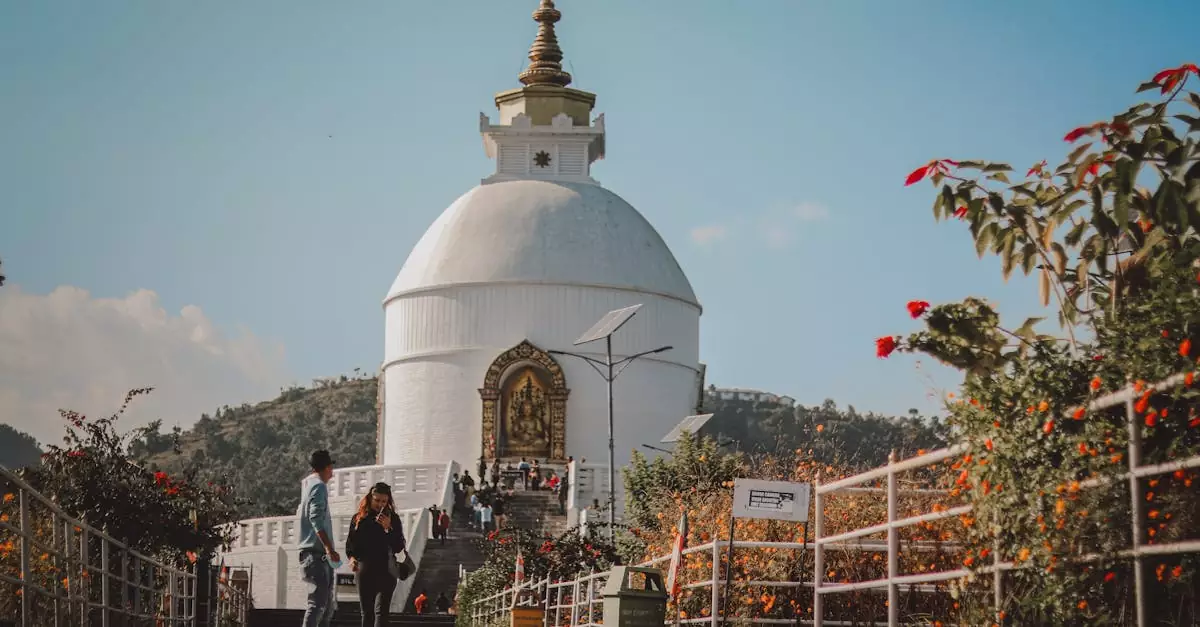
Luxury vs Standard Tourist Buses
Your choice between a luxury coach and a standard tourist bus comes down to comfort priorities. Standard tourist buses are reliable and easy to find, offering adequate comfort for a five- to seven-hour ride. Seats are usually arranged 2×2 and the suspension can feel firm on rough stretches an economical option for those saving money for jungle activities.
Luxury or ‘Sofa Buses’ deliver a noticeably softer ride, commonly laid out 2×1 so passengers enjoy extra personal space. Strong air conditioning helps when you drop into the hotter Terai zone. These services are part of a rising segment within Tourism in Nepal, and operators such as Jagadamba and Blue Sky are known for higher standards.
Luggage handling and onboard safety are other differences to weigh. Premium buses tend to provide more secure storage and staff who are trained for better passenger service. Standard buses remain safe, but if youre carrying expensive camera equipment or large suitcases, the extra cost for a luxury coach can be reassuring. Both types typically depart from Pokharas tourist bus park.
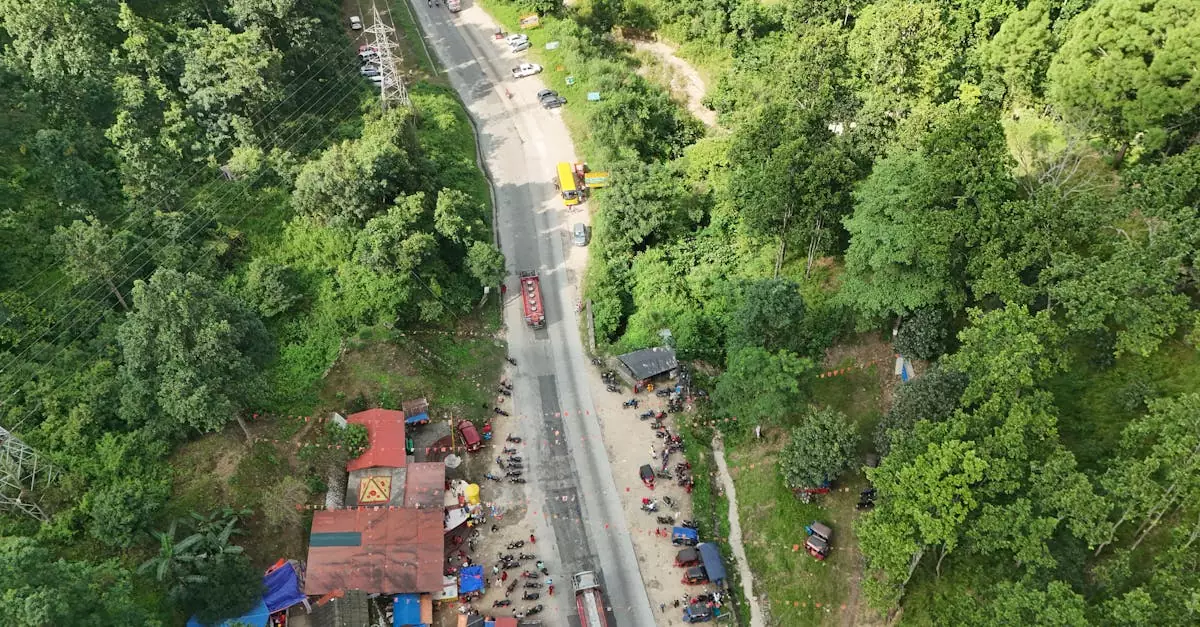
Comparison Table of Transport Options
To put the bus fares in context, it helps to compare other transport choices on the same route. Private cars deliver door-to-door flexibility but at a steep premium. Flights cut travel time dramatically, yet you lose the scenic road journey and pay much more for the short hop.
| Transport Type | Estimated Cost (NPR) | Travel Time | Comfort Level |
|---|---|---|---|
| Local Bus | 600 – 800 | 7 – 8 Hours | Low |
| Standard Tourist Bus | 1,000 – 1,500 | 6 – 7 Hours | Medium |
| Luxury Sofa Bus | 2,000 – 3,500 | 5 – 6 Hours | High |
| Private Car/Jeep | 12,000 – 18,000 | 5 Hours | Very High |
| Domestic Flight | 12,000 – 15,000 | 20 Minutes | High |
Looking at the figures, the standard tourist bus often represents the best mix of price and comfort. Many travelers settle on around 1,200 NPR for a reasonable experience without overspending. The pokhara chitwan transport cost remains affordable for most budgets, though fares can rise slightly during major festivals such as Dashain or Tihar when demand spikes.
Pros and Cons of Taking the Bus
The bus trip has several strong points, particularly for those who favor unhurried travel. Cost savings are obvious compared with private hire. Riding the highway gives you up-close views of changing landscapes, and its an easy way to meet fellow travelers heading toward the jungle lodges around Sauraha.
- Pro: Very affordable for budget-conscious travelers.
- Pro: Regular departures every morning from Pokhara.
- Pro: Scenic views of the Trishuli and Seti rivers.
- Con: Road conditions can be dusty and bumpy.
- Con: Fixed departure times mean less flexibility.
- Con: Journey time can be unpredictable due to traffic.
On the downside, delays can stretch a scheduled six-hour ride considerably a landslide or heavy congestion at Mugling can add hours. Standard coaches usually lack onboard toilets, so you must use the planned stops. Despite these imperfections, most travelers manage the inconveniences for a one-day transfer.
Essential Travel Tips for the Journey
There are a few practical steps that make the trip easier. Book your seat at least a day ahead through your guesthouse or a local travel agency to avoid last-minute stress. Ask for a seat away from the very rear of the bus, which is bumpier. Official sources such as Nepal Tourism can offer road condition updates and advisories.
Prepare a small ‘bus bag’ with essentials: hand sanitizer, tissues, dry snacks, and a power bank. Dont count on reliable WiFi in hill country, even on some luxury coaches, so bring your own entertainment or a good book. Dress in layers since the bus can feel cold with the AC on while the outside air grows warmer as you descend.
Watch your belongings during lunch or rest stops; theft is uncommon but vigilance is prudent in crowded places. If youre prone to motion sickness, take medication before the switchbacks begin leaving Pokhara. With these measures, youll arrive in Chitwan ready for the wildlife excursions ahead.
Booking Procedures and Ticket Outlets
Reserving a bus ticket from Pokhara is straightforward. Many hotels and guesthouses work with operators and will book a seat for a small fee. Along Lakeside youll find travel agencies that can arrange tickets as well. The NTB website provides official guidance on transport rules and tourist resources.
If you prefer to purchase in person, visit the Tourist Bus Park near Mustang Chowk where booths represent different companies. Buying on-site lets you inspect the vehicle before paying, which helps if you care about seat condition. Ask whether the fare includes meals, as some luxury services bundle a riverside lunch.
In 2026 more operators offer online booking via apps and websites, which is convenient but make sure you confirm the pickup point and departure time. Most tourist buses depart between 7:00 AM and 8:00 AM; arriving 30 minutes early helps with luggage loading and seat selection. The pokhara chitwan transport cost is generally fixed, though it pays to compare a few vendors.
Frequently Asked Questions
What is the average pokhara to chitwan bus price for a tourist bus?
Expect to pay between 1,000 and 1,500 NPR for a standard tourist bus. That fare generally buys a comfortable seat and a bottle of water, though exact prices depend on the operator and season.
Where do the buses depart from in Pokhara?
Most tourist services leave from the Tourist Bus Park near Mustang Chowk, a short taxi ride from the Lakeside area. Some luxury coaches may advertise specific Lakeside pickup points, so double-check the ticket details.
How long does the bus journey take from Pokhara to Chitwan?
The drive usually takes about five to seven hours to cover the roughly 150-kilometer route. Roadworks, weather, or traffic can add time, so plan on a full day when scheduling onward activities.
Is it necessary to book bus tickets in advance?
Although you might find seats on the morning of travel, its wise to book at least 24 hours ahead during busy periods like spring and autumn. Advance booking secures a better seat and reduces the chance of being left behind on a full bus.
Are there night buses from Pokhara to Chitwan?
Night services are uncommon on this short route; most operators prefer daytime runs for safety and so passengers can enjoy the scenery. If you must travel after dark, hiring a private vehicle is usually the only practical option.
Conclusion
Taking the bus from Pokhara to Chitwan remains one of the most practical and scenic ways to traverse this part of Nepal. Understanding the pokhara to chitwan bus price and the range of service levels makes it easier to select the option that matches your budget and comfort needs. Whether you choose a local ride for the experience or a luxury sofa bus for rest, the road reveals much of Nepals character.
Plan ahead, pack the little extras that make travel easier, and accept that journey times can vary. The roads may surprise you, but they also lead to remarkable places. Once you reach Chitwan, the dust of travel fades fast as you prepare for elephant sightings and jungle walks. Wishing you a smooth trip across these beautiful landscapes.