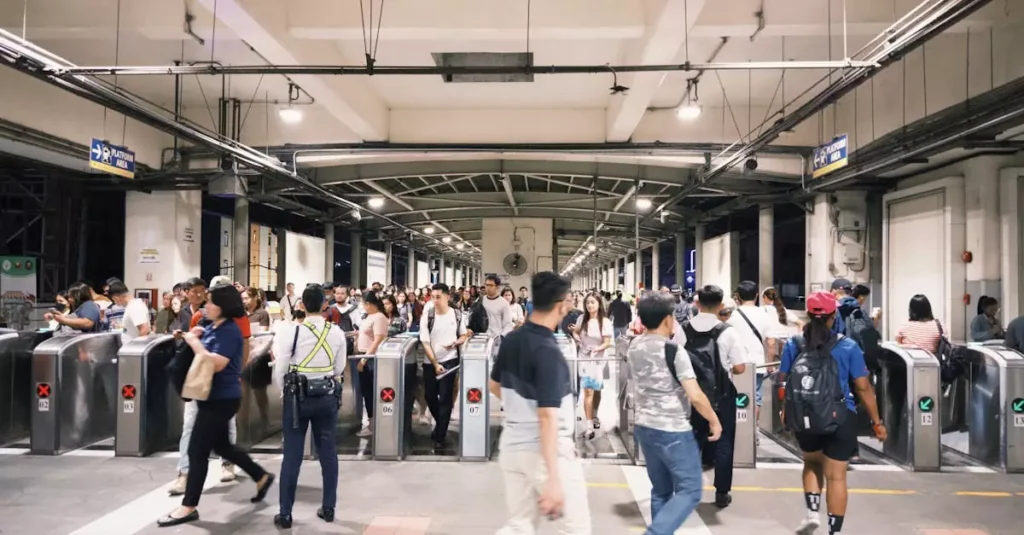
Manila, the lively capital of the Philippines, buzzes with a unique energy that sets it apart from other Southeast Asian cities. Each year, millions flock to its busy streets, historic landmarks, and towering skyscrapers. To truly enjoy your visit, navigating this vast city efficiently is essential, and the metro system often serves as a faster and more affordable alternative to road travel. Getting familiar with the manila mrt ticket price is an important first step to mastering how to get around.
The Metro Rail Transit (MRT) plays a crucial role in connecting different neighborhoods, helping both locals and visitors avoid Manilas infamous traffic jams. For newcomers, understanding the fare system, ticket options, and travel tips may seem overwhelming at first. This detailed guide simplifies the essentials so you can move around confidently without confusion.
Whether youre considering single-ride tickets or reusable stored-value cards, this article breaks down the choices, typical fares, and handy travel advice. Whether your priority is saving money or moving quickly, knowing everything about the manila mrt ticket price will help you navigate the metro system with ease.
Understanding Manila’s Metro Rail Transit (MRT) System
The public transportation network in Manila is broad, but the elevated rail linesespecially the MRT and LRTstand out for their efficiency and reach. The MRT-3 line, commonly just called the MRT, runs along EDSA, one of Metro Manilas busiest roads. It stretches from North Avenue in Quezon City down to Taft Avenue in Pasay City, linking key commercial and residential areas. This line is essential for commuters and visitors aiming to get to hotspots like Makati, Ortigas, and Cubao without being stuck in traffic.
Complementing the MRT-3 are the LRT-1 and LRT-2 lines, which extend rail coverage to other parts of the metropolis. LRT-1 travels from Roosevelt in Quezon City to Baclaran in Paraaque, passing through the historic heart of Manila. Meanwhile, LRT-2 connects Recto in Manila to Antipolo in Rizal, serving the eastern side of the city. Although this guide centers on the manila mrt ticket price, its helpful to know that these lines intersect for easy transfers. Together, the rail network drastically cuts travel times, forming a reliable backbone for moving around Manila. Many find the metro a practical way to soak in the citys vibrant rhythm.
Riding the metro also offers a special vantage point to observe everyday life in Manila from above the streets. Each line caters to different areas and purposes but works as part of a unified system. Knowing where the lines connect and how to switch between them is key to traveling efficiently. While the network covers a lot, some destinations still require combining rail with other transport. Planning ahead can save you time and hassle.

Manila MRT Ticket Price: Fares and How They Work
The manila mrt ticket price follows a distance-based fare system, meaning the cost depends on how many stations you pass through. The further you travel, the more you pay. On the MRT-3 line, fares are generally quite affordable, a great option for those watching their budget. A short trip spanning a few stations can cost as little as PHP 13 to PHP 15, while traveling the entire route usually costs between PHP 28 and PHP 30. Although fares may fluctuate over time, these figures serve as a helpful guideline for planning your expenses.
Payment methods come in two main forms: single journey tickets and stored-value cards. Single journey tickets are paper passes valid for one trip only. You can buy them at station ticket counters or vending machines. These are ideal for occasional riders or visitors making just one trip. After exiting the station, the ticket becomes invalid. While straightforward, this method can cause lines during peak times since every passenger needs to buy a ticket for each ride.
If you intend to take multiple trips or stay longer, a stored-value card is a better choice. These cards offer convenience and typically speed up your entry through gates. Though theres a small fee to purchase the card initially, you can load money onto it for use across all three metro linesMRT-3, LRT-1, and LRT-2. This system simplifies transfers and removes the hassle of buying separate tickets for different lines. Knowing these options will help you manage your manila metro cost wisely.
Fare charts are usually posted near ticket counters and station entrances, showing the price for each destination. Most riders find the system easy to follow once they grasp the distance-based pricing. Always keep your ticket or card until you exit your final station, as its needed to pass through the turnstiles. Losing your ticket could mean paying a penalty or buying another one.
Beep Card: Your Key to Manila Metro Cost Savings and Convenience
The Beep Card is a reloadable contactless smart card that has transformed how people pay for public transport in Metro Manila. Its a must-have for anyone frequently using the MRT, LRT, or selected buses and tollways. The card costs a small initial fee, typically between PHP 30 and PHP 50, after which you can load it with funds. This upfront investment quickly proves worthwhile, saving time and avoiding long lines, especially during rush hours. You can buy a Beep Card at any MRT or LRT station ticket booth or vending machine.
Using the Beep Card is straightforward: tap it on the reader at the turnstile when entering and again when exiting the station. The system automatically deducts the correct fare based on your travel distance. This tap-and-go method speeds up gate access and helps you dodge queues at ticket counters. For those mindful of their manila metro cost, the card ensures you always pay the exact fare without the need to carry coins. You can top up your card starting at PHP 100, with a maximum balance of PHP 10,000, making it suitable for both short visits and long stays.
A major advantage of the Beep Card is its compatibility across different rail lines. It allows seamless transfers between MRT-3, LRT-1, and LRT-2 without purchasing new tickets. This convenience is invaluable when navigating Manilas complex transit system. Reloading is simple tooyou can add funds at station booths, vending machines, convenience stores, and even through mobile apps. This wide availability means you rarely have to worry about running out of balance. Many travelers find that getting a Beep Card early in their trip makes public transit far more manageable and efficient, while helping monitor their manila metro cost.
Comparing Manila MRT Ticket Price with Other Transit Options
When deciding how to get around Manila, its useful to compare the manila mrt ticket price with other transport choices. The city offers a wide variety of options, each differing in cost, speed, and convenience. For short to medium trips, the MRT and LRT generally offer the best value and quickest travel, especially during peak times when road traffic slows to a crawl. MRT fares typically range from PHP 13 to PHP 30, considerably cheaper than ride-hailing apps or traditional taxis.
Jeepneys, the iconic Filipino shared taxis, provide an even cheaper ride, with fares starting around PHP 13 for the initial kilometers. However, jeepney routes can be confusing for visitors and they often become packed. Buses cover many routes with fares between PHP 15 and PHP 50, depending on distance and bus type (ordinary or air-conditioned). Although buses reach more areas than the metro, they are vulnerable to road congestion. For direct, door-to-door service, ride-hailing apps like Grab or taxis are available but can cost PHP 150 to PHP 500 or more for moderate trips, with prices affected by traffic and surge charges. These offer comfort but come at a premium, especially during busy hours.
Heres a quick comparison to help you choose:
| Option | Typical Cost (Short-Medium Distance) | Travel Time (Short Distance) | Convenience Level | Notes |
|---|---|---|---|---|
| MRT/LRT | PHP 13-30 | Fast (10-20 mins) | High (with Beep Card) | Bypasses traffic, often crowded |
| Jeepney | PHP 13-20 | Varies (20-40 mins) | Low (for tourists) | Authentic local experience, complex routes, very crowded |
| Bus | PHP 15-50 | Slow (30-60 mins) | Medium | Dependent on traffic, wider coverage |
| Grab/Taxi | PHP 150-300+ | Varies (20-60 mins) | High (door-to-door) | More expensive, affected by traffic and surge pricing |
Your choice depends on what matters mostsaving money, time, or comfort. Many travelers find using the MRT/LRT for longer distances combined with ride-hailing or taxis for short, direct trips works best. If youre preparing for a trip to the Philippines, checking entry requirements and travel advisories on the official eTravel website is a smart move before departure.
Pros and Cons of Using the MRT for Your Manila Journey
Riding the MRT in Manila has clear benefits but also some drawbacks. Knowing these helps you decide if it fits your travel needs. On the plus side, the MRT is notably fast, running on elevated tracks that avoid the traffic jams plaguing city roads. What might take over an hour by car during rush hour can often be done in 20 to 30 minutes on the train. This efficiency appeals to both residents and visitors.
Another big plus is the affordable manila mrt ticket price. With fares rarely going above PHP 30, it remains one of the cheapest ways to reach Manilas commercial and business districts. This budget-friendly option frees up funds for other activities. The MRT also links directly to key spots like shopping centers and business hubs, plus offers connections to other transport modes. It runs on a fixed schedule, which helps with planning. Using public transit like the MRT also reduces your environmental impact, making it a greener choice.
- Pros:
- Speed: Much faster than road travel during busy times.
- Cost-Effective: Low fares suit most budgets.
- Accessibility: Connects major commercial and business areas.
- Environmental Impact: Helps lower carbon footprint.
- Predictability: Runs on a fairly consistent timetable.
On the downside, the MRT can get extremely crowded during peak periods (usually 7-9 AM and 5-7 PM on weekdays). Trains become packed, making boarding and traveling less comfortable. Even with a Beep Card, long lines at ticket counters and turnstiles are common during rush hours. Station accessibility varieswhile some have elevators and escalators, many rely on stairs, which can be tough for travelers with heavy bags, strollers, or mobility challenges.
The network, while broad, doesnt cover every area. Youll often need to combine MRT travel with jeepneys, buses, or taxis to reach your final destination. Security checks at all stations add a bit of time but are necessary for safety. Despite these challenges, many find the MRTs advantages outweigh the inconveniences, especially when factoring in the manila metro cost and travel speed.
- Cons:
- Crowds: Packed trains during peak hours.
- Queues: Long waits at ticket booths and gates.
- Limited Accessibility: Not all stations are fully accessible.
- Partial Coverage: May require other transport modes to complete trips.
- Security Checks: Adds to travel time.
Practical Tips for Navigating Manila’s MRT System
Getting around Manilas MRT can be hassle-free if you follow some practical advice. Timing your trips is key. The MRT sees its highest crowds on weekdays from 7:00 to 9:00 AM and again between 5:00 and 7:00 PM. If possible, avoid these rush hours for a more comfortable ride with fewer people and shorter lines. This simple change can make a big difference in your experience.
Another tip is to always use a Beep Card. While single journey tickets remain available, the Beep Card saves time and effort. It lets you tap in and out quickly and can be reloaded at many convenient locations. When topping up, add enough credit for multiple rides to avoid frequent reloads. Also, carry small bills such as PHP 20, PHP 50, or PHP 100 when buying single tickets or reloading at booths, since larger bills might not be accepted or change may be limited.
Important Tips:
- Travel Off-Peak: Skip weekday rush hours (7-9 AM and 5-7 PM) for a more pleasant journey.
- Get a Beep Card: Essential for quick, hassle-free entry and exits; keep it topped up.
- Know Your Route: Learn station names and transfer points before you travel.
- Stay Alert: Secure your belongings in crowded trains and stations.
- Plan for Transfers: Allow extra time if your trip involves changing lines.
Reality Check:
Queues at ticket booths and turnstiles can happen even outside peak hours. While the manila mrt ticket price is budget-friendly, the trade-off is often the crowd size. Prepare for standing-room-only conditions during busy times. Air conditioning on trains can vary, so dress in layers to adjust to different temperatures. Always allocate extra time for potential delays, and cooperate with security personnel during mandatory checks. The Philippines, an archipelago rich in culture and history, offers a memorable travel experience, and understanding local transport is key. More on its geography and culture can be found on Wikipedia.
If youre traveling with children or bulky luggage, consider timing your trips carefully. Maneuvering through crowded stations can be tough with heavy bags. Off-peak hours make the experience smoother. Pay attention to station signs and announcementsthey provide helpful info on train arrivals, delays, and emergencies. Station maps are also available to assist with planning. While the manila metro cost is low, patience and preparation go a long way towards a stress-free journey.
Frequently Asked Questions About Manila MRT Ticket Price
How much is a typical Manila MRT ticket price for a short trip?
For a short ride covering two or three stations, fares usually range from PHP 13 to PHP 15. Since the system charges based on distance, longer trips cost more, with a full line fare typically around PHP 28 to PHP 30.
Can I use one Beep Card for multiple people?
No, each passenger must have their own Beep Card to enter and exit the system. This ensures accurate fare deductions for every individual trip.
Are there discounts for students or seniors on Manila’s metro cost?
Yes, students, senior citizens, and persons with disabilities can often get discounted fares. They need to present valid government-issued IDs at ticket booths to access these reduced rates.
What are the operating hours of the MRT?
The MRT-3 generally runs from about 5:00 AM until 10:00 PM daily. Hours might vary slightly depending on maintenance schedules or holidays, so checking the latest timetable before traveling is advisable.
Is the MRT safe for tourists?
The MRT is largely safe for visitors. Security staff and CCTV cameras are present throughout stations and trains. Nonetheless, as with any busy transit system, staying alert and keeping an eye on your belongingsespecially during crowded periodsis wise to avoid petty theft.
Conclusion: Master Your Manila MRT Journey
Getting around Manilas dynamic urban sprawl becomes much easier and more affordable once you grasp how the metro operates. By now, you should have a solid understanding of the manila mrt ticket price, the advantages of the Beep Card, and how the MRT compares to other transport options. The MRT is a lifeline for travelers who want to save time and money, offering direct access to key city areas while avoiding traffic jams.
Using the MRT is more than just practicalits a chance to experience Manila from a locals perspective. Although crowds are common during peak hours, the systems speed and low manila metro cost make it invaluable for exploring the city. Planning trips outside rush hours, keeping your Beep Card topped up, and staying mindful of your surroundings will help ensure a smooth, comfortable ride.
Equipped with these insights and tips, youre ready to navigate Manilas metro with confidence. Enjoy the convenience, affordability, and pace the MRT offers, giving you more time to immerse yourself in the vibrant culture and energy of the Philippine capital. Safe travels!