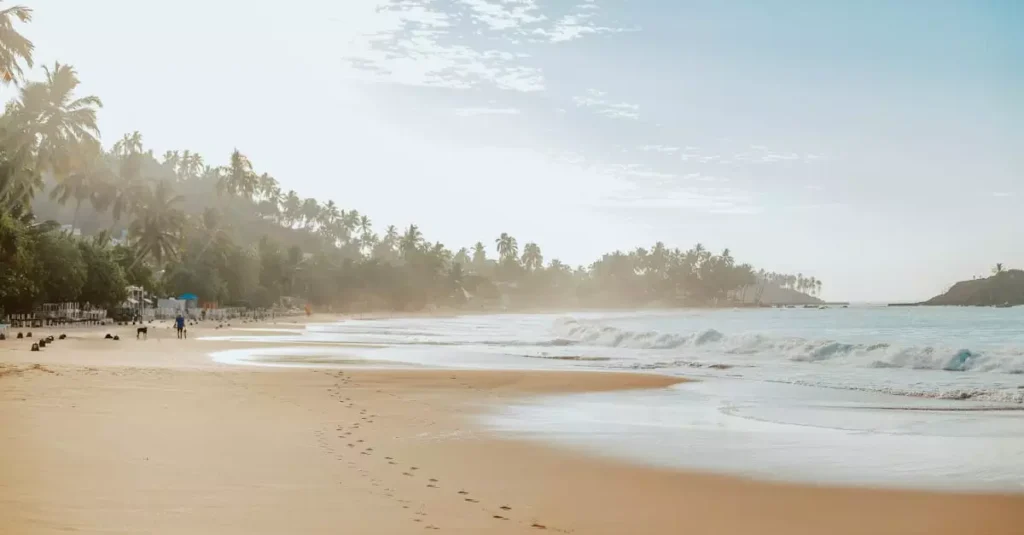
Understanding the mirissa solo travel cost per day is essential for creating a budget that suits your travel preferences and avoids unexpected expenses. Mirissa, a sought-after beach destination in Sri Lanka, experiences fluctuating prices, particularly during peak season. Opting for budget-friendly guesthouses, local dining, and public transportation can make a solo journey quite economical.
This overview provides insights into the daily expenses for a solo traveler in Mirissa. It delves into transportation options, timing, distances, seasonal variations, and what a typical mirissa solo budget looks like in 2026. You’ll discover how your money is allocated, what experiences are worth the investment, and what can be omitted.
Located on Sri Lankas southern coast, Mirissa is famous for its stunning beaches, whale watching, and convenient access to neighboring towns like Weligama and Galle. For a broader perspective on the country, consider visiting Sri Lanka. For official tourism information, head over to Sri Lanka Tourism.
Mirissa Solo Travel Cost Per Day: What to Expect in 2026
The typical mirissa solo travel cost per day varies based on your travel style. A budget-conscious solo traveler might spend around USD 25 to 45 daily, while those seeking a mid-range experience could find themselves spending between USD 50 and 90. If you prefer private accommodations, taxis, and organized tours, your expenses will likely increase.
While Mirissa offers beautiful scenery, it’s not the most economical location in Sri Lanka, especially near the beach. Prices tend to surge during the high season from December to April, leading to higher accommodation rates and increased menu prices at popular restaurants due to heightened demand. Conversely, the off-season may yield better deals, albeit with less predictable weather.
For many solo adventurers, the primary expenses revolve around lodging and whale watching excursions. Dining is generally affordable, particularly if you opt for local eateries. Transportation remains budget-friendly since Mirissa is compact, making many attractions easily accessible on foot. For additional context on the region, Britannicas Sri Lanka page offers valuable insights.
Typical daily budget ranges
- Budget: USD 2545 per day
- Comfort: USD 5090 per day
- Higher comfort: USD 100+ per day
The above estimates are based on one person occupying one room, enjoying local meals, and engaging in regular travel around Mirissa and nearby towns. They do not account for significant shopping or luxury experiences.
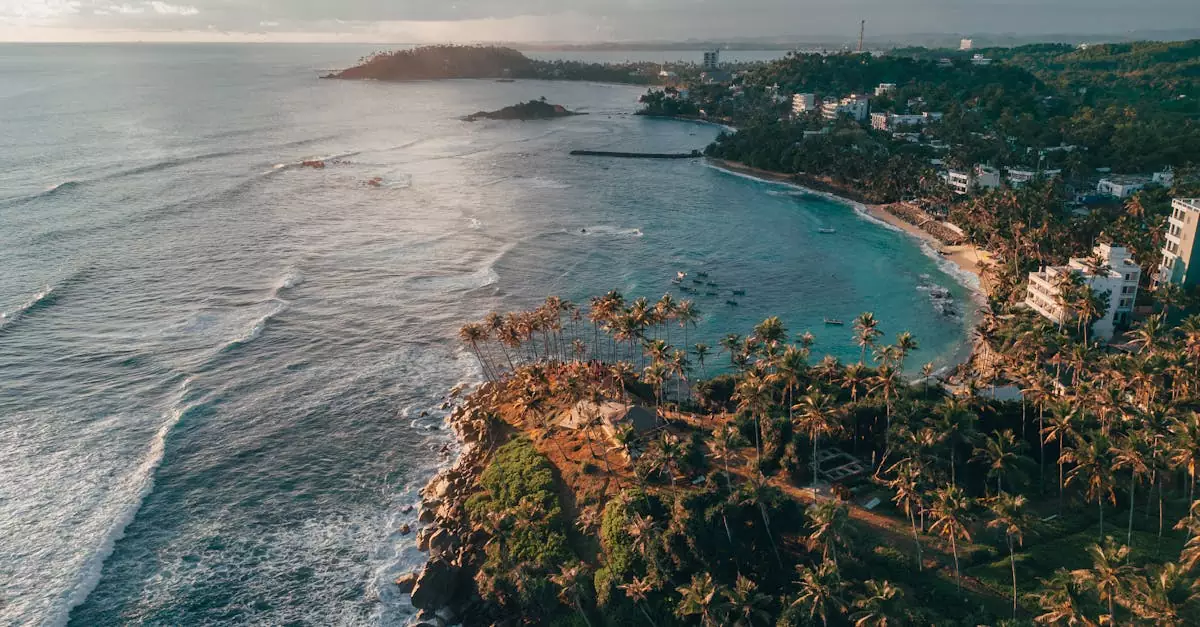
Daily Cost Breakdown for a Solo Traveler in Mirissa
To grasp the mirissa solo travel cost per day, it’s helpful to break down the budget into specific categories. This approach simplifies planning and highlights potential savings. Most solo travelers allocate the largest portions of their budgets to accommodation, followed by food and activities. Transportation typically represents a smaller fraction of the overall costs.
Accommodation: Budget guesthouses and homestays generally start at around USD 15 to 30 per night during the low season. In peak season, similar accommodations may range from USD 25 to 50 or more. Rooms situated near the beach usually come at a premium compared to those located slightly inland. However, Mirissa’s compact size allows for easy walking from inland accommodations to the beach.
Food: Local rice and curry dishes can range from USD 3 to 6, while casual cafes may charge between USD 6 to 12 for a meal. Beachfront seafood restaurants can be pricier, particularly for fish or prawns. A solo traveler who enjoys three modest meals daily can expect to spend around USD 10 to 18 on food.
Transport: Many journeys within Mirissa are short. A tuk-tuk ride may cost between USD 1.50 and 4, depending on distance and negotiation skills. A quick trip to Weligama, about 6 to 7 km away, typically takes around 10 to 15 minutes by tuk-tuk or bus. A transfer to Galle, roughly 35 km distant, usually takes about 45 to 60 minutes by road.
Activities: Enjoying the beach is free. Whale watching is the most significant paid activity, with costs generally ranging from USD 30 to 60 or more, depending on the operator and season. Surf lessons, yoga classes, and day trips will add to your expenses.
Simple budget example
- Room: USD 20
- Food: USD 12
- Local transport: USD 3
- Activity fund: USD 10
- Total: USD 45 per day
Comparison Table: Budget vs Mid-Range Solo Travel in Mirissa
The following table illustrates how a mirissa solo budget shifts based on your travel preferences. It serves as a straightforward comparison of daily expenditures before making any reservations.
| Expense | Budget Solo Traveler | Mid-Range Solo Traveler |
|---|---|---|
| Accommodation | USD 1530 | USD 3570 |
| Food | USD 1018 | USD 1835 |
| Transport | USD 25 | USD 512 |
| Activities | USD 020 | USD 2060 |
| Total per day | USD 2545 | USD 5090 |
If you prefer a leisurely pace and avoid costly tours, the budget option is feasible. For those seeking private comfort and paid experiences, the mid-range choice is more suitable. Ultimately, your decision should align with your priorities rather than just your finances.
Where Your Money Goes: Transport, Food, and Activities
In Mirissa, transportation expenses remain low due to the town’s small size. Many visitors walk from their accommodations to the beach, cafes, and surf spots. If your lodging is close to the main road, you might only need a tuk-tuk for arrival, departure, or a single short trip each day, helping you keep your daily budget manageable.
Dining options are versatile. Local rice and curry establishments provide excellent value. Bakeries and small cafes are great for breakfast and snacks. While beachfront restaurants offer a pleasant atmosphere, they can quickly inflate your daily spending. A solo traveler aiming to save should consider balancing one nicer meal with simpler local options.
Planning for activities is crucial. Whale watching is the most popular choice, but it comes at a cost. Tours typically depart early in the morning, around 5:30 to 6:30 a.m., and last between 3 to 5 hours. As these excursions depend on weather conditions, some days may be rough while others are calm. Surf lessons are often available in the morning or late afternoon, and many travelers head to nearby Weligama for beginner-friendly waves.
Important Tip: Always confirm the total fare before entering a tuk-tuk. Make sure to clarify whether the price is for one person or the entire ride, as misunderstandings can lead to unexpected charges.
Important Tip: When booking whale watching trips, choose operators that clearly outline safety protocols, timing, and inclusions. Low-cost options may not cover essential details like pickup or breakfast.
Best Time to Visit and How Season Changes the Budget
The season significantly impacts the mirissa solo travel cost per day more than many newcomers anticipate. The primary beach season lasts from December to April, characterized by favorable weather, calmer seas, and an influx of visitors. Consequently, accommodation prices rise, and popular eateries become busier.
From May to September, the south coast experiences increased rainfall and rougher sea conditions. While some days may still be suitable for travel, beach time can be less reliable. The advantage is that prices may decrease, and guesthouses often provide better deals. October and November present a mixed bag, with unpredictable weather patterns.
For those seeking a balance between cost and comfort, the shoulder months can be ideal. You may enjoy decent weather without the peak-season prices. However, flexibility is key, as rain can affect boat trips, beach activities, and even road travel if storms are severe.
Crowds also play a role. During high season, the beach area buzzes with activity, and restaurants fill up quickly. In quieter months, the town adopts a more relaxed vibe, but some businesses might reduce their hours. This may not be an issue for every traveler, but it can alter the atmosphere and budget.
Reality Check: Mirissa is often marketed as a budget-friendly beach destination, but it doesn’t always remain low-cost. Peak season, last-minute bookings, and tourist-oriented restaurants can escalate expenses rapidly. Planning ahead is crucial for securing better value.
Pros and Cons of Solo Travel in Mirissa
Traveling solo in Mirissa presents distinct advantages and some limitations. Being aware of both aspects can help you create a realistic itinerary and manage expectations.
Pros
- Convenient to navigate on foot
- Numerous guesthouses and small hotels suitable for solo travelers
- Great beach access with a laid-back atmosphere
- Easy to combine visits to Weligama and Galle
- Budget remains manageable when opting for local dining
Cons
- Beachfront accommodations can be pricey during peak season
- Whale watching incurs a significant expense
- Some restaurants cater to tourists with inflated prices
- Weather may limit activity options during the off-season
- Transport costs can increase with frequent tuk-tuk use
For a solo traveler, Mirissa is most enjoyable when plans remain uncomplicated. If you seek vibrant nightlife or numerous free attractions, you might find it somewhat limiting. However, if you desire a beach base with manageable daily expenses, it can be a great fit.
Practical Money-Saving Tips for a Mirissa Solo Budget
A well-planned mirissa solo budget doesn’t require sacrificing all comforts. It’s about allocating funds wisely and economizing where possible. Consider selecting accommodations slightly away from the beach for better rates. In Mirissa, short walks are commonplace, so being just 5 to 15 minutes from the beach can save you money without compromising your experience.
Utilize local buses for longer trips when feasible. A bus ride from Mirissa to nearby towns is considerably cheaper than private transport, though it may take longer and be less direct. While a quick tuk-tuk ride can be convenient, relying on them frequently can add up. If you’re staying for several days, try to plan your outings in a single block rather than making multiple small trips.
Opt to dine where the locals do. A simple rice and curry lunch offers excellent value and helps stabilize your daily costs. Purchase water from shops instead of paying the higher beach prices. Additionally, compare tour prices before making a reservation. One operator may include pickup, breakfast, and equipment, while another may only offer the boat seat.
Important Tip: Carry some cash in small denominations. Many local establishments in Mirissa still prefer cash, which is useful for paying tuk-tuks, small meals, and local shops.
Important Tip: Check the weather conditions before booking any paid sea activities. If the sea appears rough, consider rescheduling the activity for another day if possible. This can safeguard both your finances and comfort.
FAQs About Mirissa Solo Travel Cost Per Day
1. What is the average mirissa solo travel cost per day?
Most solo travelers typically spend between USD 25 to 45 daily on a budget and USD 50 to 90 for a more comfortable experience. The specific amount varies based on room rates, dining choices, and activities.
2. Is Mirissa cheap for solo travelers?
Yes, it can be affordable, but only if you steer clear of pricey beachfront accommodations and tourist-marked meals. While it is generally less expensive than many beach destinations, it is not the cheapest option in Sri Lanka during peak season.
3. How much does whale watching cost in Mirissa?
Whale watching typically costs between USD 30 to 60 or more per person. Prices fluctuate based on the season, the operator, and what is included in the package.
4. Can I walk around Mirissa without using transport?
Absolutely, many areas in Mirissa are walkable. You can often stroll to the beach, cafes, and local shops. However, a tuk-tuk may still be necessary for arrival, departure, or trips to other towns.
5. What is the best season for a solo budget trip to Mirissa?
The shoulder months may provide an ideal combination of cost and weather. The peak season from December to April tends to be pricier, while the off-season can be cheaper but less predictable.
Final Thoughts on Mirissa Solo Travel Cost Per Day
However, it’s important to recognize that Mirissa isn’t always a low-cost destination. Peak season, whale watching, and dining along the beachfront can quickly elevate your overall expenses. For the best value, make early bookings, compare prices, and maintain flexibility in your itinerary. This approach is the most effective way to establish a realistic solo budget for Mirissa in 2026.
For those seeking a tranquil beach base in Sri Lanka that offers a blend of relaxation and simple adventures, Mirissa stands out as a strong option. It rewards thoughtful planning more than impulsive spending.
For further local inspiration and travel ideas, consider visiting Love Sri Lanka.