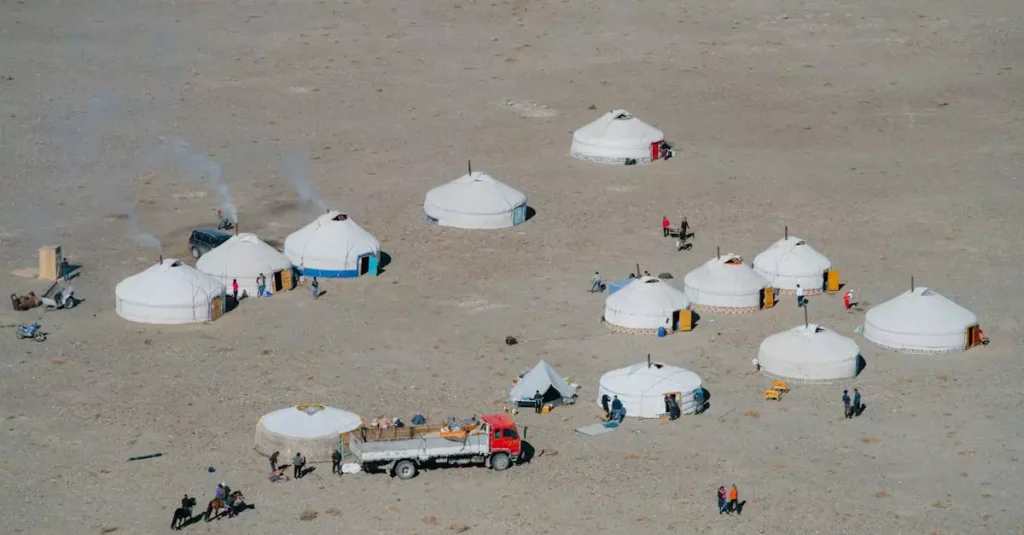
Understanding the mongolia desert camping cost is crucial for any traveler planning an unforgettable adventure in the vast and awe-inspiring Gobi Desert. This iconic landscape, known for its dramatic sand dunes, ancient dinosaur fossils, and unique nomadic culture, offers a camping experience unlike any other. However, the price of this experience can vary significantly depending on the type of accommodation chosen, the duration of your stay, the activities you wish to partake in, and the tour operator or camp you select. It’s a destination that promises solitude and connection with nature, but also requires careful budgeting to ensure your trip is both memorable and financially manageable.
When considering the cost of camping in the Gobi Desert, it’s important to recognize that it’s not a one-size-fits-all scenario. Unlike a typical campground where you might pay a nominal fee for a tent pitch, Gobi Desert camping often involves more comprehensive packages. These can range from basic, traditional nomadic ger camps that offer a glimpse into local life, to more comfortable, semi-permanent tourist camps with en-suite facilities and Western amenities. Each option comes with a different price tag, reflecting the level of comfort, services provided, and the remoteness of the location. Therefore, a detailed breakdown of potential expenses is essential for accurate planning.
This guide aims to demystify the various components that contribute to the overall mongolia desert camping cost, providing you with the insights needed to make informed decisions. We will explore the different types of accommodations available, the factors influencing pricing, and what you can generally expect to pay per night or per package. By understanding these elements, you can better budget for your Mongolian desert expedition and ensure it aligns with your expectations and financial considerations, allowing you to fully immerse yourself in the magic of the Gobi.
Understanding the Types of Gobi Desert Accommodations and Their Cost Implications
The spectrum of accommodation options in the Gobi Desert significantly dictates the overall mongolia desert camping cost. At the most basic end are the traditional nomadic ger camps, often referred to as “local ger camps” or “nomad family stays.” These offer an authentic cultural immersion, where you’ll sleep in a traditional felt dwelling (ger) alongside a local family. The cost here is typically the lowest, often ranging from $20 to $50 per person per night. This price usually includes a simple bed (often a mattress on the floor), shared toilet facilities (which might be a simple pit latrine), and meals prepared by the family, providing a genuine taste of nomadic life. However, amenities are minimal, and expectations for privacy and modern comforts should be adjusted accordingly. These camps are ideal for budget travelers and those seeking a deeply authentic experience, but they require a willingness to embrace simplicity and a more rustic way of life. The experience is less about luxury and more about connection with the environment and the people.
Moving up in comfort and price are the tourist ger camps, which are specifically designed to cater to international visitors. These camps typically feature individual gers for guests, often furnished with proper beds, bedding, and sometimes even a small table and chairs. While still retaining the traditional ger aesthetic, they offer a higher level of comfort and privacy. The cost for these tourist ger camps generally falls between $60 and $150 per person per night. This price often includes all meals, which are usually served in a communal dining ger, and access to shared bathroom facilities, which are typically more developed than those at local camps, often featuring flush toilets and hot showers, though hot water availability might be on a schedule. Some higher-end tourist camps might even offer private bathrooms within the gers, pushing the price point towards the upper end of this range. These camps provide a good balance between authentic Mongolian culture and the conveniences expected by most travelers, making them a popular choice for a comfortable Gobi experience. They offer a stepping stone for those who want to experience the desert without sacrificing all modern comforts, ensuring a more relaxed and enjoyable stay.
For those seeking a more luxurious and pampered experience in the Gobi, there are a select few luxury camps. These establishments elevate the concept of desert accommodation, offering spacious, well-appointed gers or even permanent structures that rival boutique hotels. Expect comfortable beds with high-quality linens, private en-suite bathrooms with hot and cold running water, electricity, heating, and often a dedicated seating area. The dining experience is also a highlight, with gourmet meals prepared by skilled chefs, often featuring a fusion of Mongolian and international cuisine. The mongolia desert camping cost at these luxury camps can range from $200 to $500 or more per person per night. These prices reflect the extensive amenities, personalized service, and exclusive locations. Such camps are ideal for travelers who prioritize comfort, privacy, and a high standard of service, and are willing to pay a premium for it. They often include a range of activities and excursions as part of the package, further justifying the higher cost. These are the crème de la crème of Gobi accommodation, offering an unparalleled level of comfort amidst the rugged beauty of the desert.
Factors Influencing the Gobi Desert Camping Cost: Beyond Accommodation
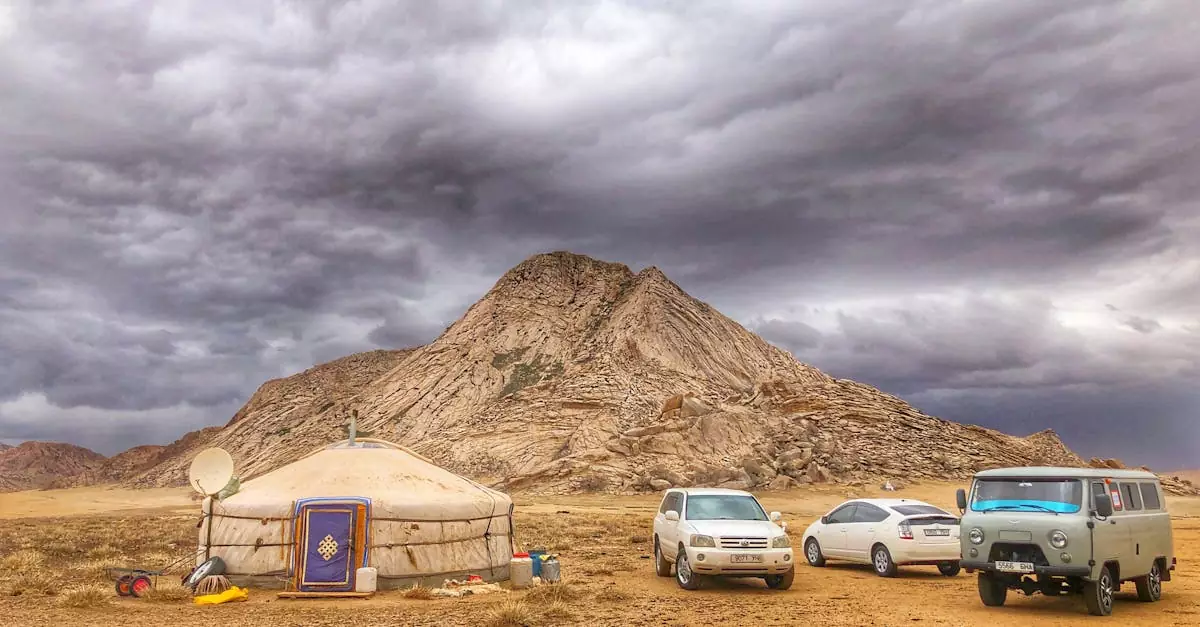
The mongolia desert camping cost extends far beyond the nightly rate of your chosen accommodation. Several critical factors contribute to the overall expense of a Gobi Desert camping trip, and understanding these will help you create a more accurate budget. Transportation within Mongolia, particularly to and from the Gobi, is a significant consideration. If you are flying into Ulaanbaatar, the capital, you’ll then need to arrange ground transportation. This typically involves hiring a private driver and a sturdy 4×4 vehicle, such as a Toyota Land Cruiser, which is essential for navigating the often-challenging off-road terrain of the desert. The cost of hiring such a vehicle and driver can range from $100 to $200 per day, depending on the duration of your trip and the specific services included. This daily rate often covers fuel, driver’s accommodation, and meals. For longer expeditions, this can add up considerably, so factoring in the total number of driving days is crucial. Alternatively, some travelers opt for shared transport or public buses to more accessible towns near the Gobi, which is cheaper but significantly more time-consuming and less flexible.
The duration of your stay is another obvious, yet vital, cost determinant. A weekend camping trip will naturally be less expensive than a two-week deep dive into the Gobi. However, it’s important to note that many tour operators and camps offer packages that become more cost-effective per day the longer you stay. This is often due to fixed costs associated with setting up and transporting equipment, which are spread out over more days. For example, a 3-day, 2-night trip might have a higher per-night rate than a 7-day, 6-night itinerary. When budgeting, consider how much time you realistically have and how much you want to explore. Longer stays allow for deeper exploration of different desert landscapes, such as the Khongoryn Els sand dunes, Yolyn Am (Vulture’s Mouth) canyon, and the Bayanzag (Flaming Cliffs), and provide more opportunities for cultural interactions and activities. It’s a trade-off between time and money, and the optimal duration will depend on your personal travel style and interests.
Activities and excursions booked as part of your Gobi camping experience will also add to the overall mongolia desert camping cost. While basic camping packages might include some guided walks or cultural demonstrations, more specialized activities often incur additional fees. These can include camel riding, which is a quintessential Gobi experience, typically costing around $15 to $30 per hour per person. Horse riding is another popular option, with similar pricing. For those interested in photography, hiring a local guide with specific knowledge of the best viewpoints and lighting conditions can be beneficial, though this may be an added expense. Entrance fees to national parks or protected areas, such as the Gobi Gurvansaikhan National Park, are usually nominal, often just a few dollars. However, if you plan on visiting multiple sites or engaging in activities like visiting paleontological dig sites (if accessible and permitted), these costs should be factored in. Some high-end camps may include a selection of activities in their package price, so it’s worth clarifying what is and isn’t included when comparing options. The more you want to actively engage with the Gobi’s offerings, the higher the total cost will be.
Gobi Desert Camping Cost Breakdown: What’s Typically Included?
When evaluating the mongolia desert camping cost, it’s essential to understand what is typically included in the various package offerings from tour operators and camps. This clarity prevents unexpected expenses and ensures you are getting value for your money. For most tourist ger camps and tour packages, the core inclusions revolve around accommodation and sustenance. This means your nightly stay in a ger, whether it’s a shared or private one, is covered. Critically, all meals – breakfast, lunch, and dinner – are usually part of the package. These meals are often a highlight, offering a chance to sample Mongolian cuisine, which typically includes hearty dishes like khuushuur (fried dumplings), buuz (steamed dumplings), and various meat and noodle stews. The quality and variety of food can differ significantly between basic and luxury camps, with the latter often offering more international options and higher culinary standards. The inclusion of meals is a significant cost-saver, as dining options in remote desert locations are virtually non-existent.
Transportation within the Gobi region is another common inclusion, especially when booking a comprehensive tour package. This often means that the cost covers a dedicated 4×4 vehicle and an experienced driver for the duration of your itinerary. This is crucial because navigating the Gobi requires specialized vehicles and local knowledge of the terrain and routes. The driver is not just for transport but also acts as a guide, providing insights into the landscape, culture, and history. This aspect of the package is invaluable for a smooth and safe journey. If you are arranging your own accommodation directly with a camp, you might be responsible for arranging your own transport to the camp’s location, which could incur separate costs. However, most reputable tour operators will bundle transport with accommodation and activities to offer a seamless experience. The efficiency and comfort of this transportation are key components of the overall value proposition and contribute significantly to the mongolia desert camping cost.
Beyond accommodation and transport, many Gobi camping packages also include a set of guided activities and excursions. These can vary widely depending on the tour operator and the specific itinerary. Common inclusions might be guided walks to explore the unique desert landscapes, visits to local nomadic families to learn about their way of life, and explanations of the region’s natural history and geology. Some packages might also include basic camel rides or short horseback riding sessions. Entrance fees to national parks and protected areas are often covered. However, it’s important to distinguish between what is included as standard and what might be offered as optional extras. For instance, longer or more specialized camel treks, professional photography tours, or visits to specific paleontological sites might incur additional charges. Always clarify with your tour provider exactly which activities are included to avoid any misunderstandings and to accurately assess the total mongolia desert camping cost for your adventure.
Comparing Gobi Desert Camping Costs: Budget vs. Mid-Range vs. Luxury
When planning your trip to the Gobi Desert, understanding the cost differences between budget, mid-range, and luxury camping options is paramount to managing your expectations and your finances effectively. The mongolia desert camping cost can vary dramatically, and this variation is primarily driven by the level of comfort, services, and exclusivity offered. Budget camping typically refers to stays in local nomadic ger camps or very basic tourist ger camps. For these options, you can expect to pay approximately $20 to $60 per person per night. This price usually covers a sleeping space in a shared or private ger, basic meals prepared by the host family or camp staff, and access to rudimentary toilet facilities, which might be a simple pit latrine. Hot showers are often unavailable or very limited. While these options are the most affordable, they offer the most authentic cultural immersion and a true sense of rustic adventure. They are ideal for backpackers, solo travelers on a tight budget, or those who prioritize experiencing nomadic life over creature comforts. The experience here is about simplicity, connection, and embracing the raw beauty of the desert.
Mid-range camping represents the most popular choice for many international travelers, offering a comfortable balance between authenticity and amenities. Here, you’ll typically stay in well-established tourist ger camps, which provide individual gers equipped with comfortable beds, proper bedding, and often basic furniture. The cost for mid-range camping generally falls between $70 and $150 per person per night. This price usually includes all meals, which are served in a communal dining ger and are often a mix of Mongolian and some Western-influenced dishes. Hot showers and flush toilets are usually available, though they are often shared facilities and hot water might be provided on a schedule. Many mid-range packages also include guided excursions and activities like short camel rides or cultural demonstrations. This level of accommodation is perfect for couples, families, or small groups who want to experience the Gobi’s magic without sacrificing essential comforts, ensuring a more relaxed and enjoyable adventure. These camps are designed to provide a comfortable base from which to explore the vast desert landscapes.
Luxury camping in the Gobi Desert is for those who seek an unparalleled level of comfort and service amidst the rugged wilderness. These exclusive camps, often featuring spacious, elegantly furnished gers or even permanent lodges, can cost anywhere from $250 to $600 or more per person per night. The price reflects the premium amenities, which include plush beds, private en-suite bathrooms with hot running water, heating, electricity, and often Wi-Fi. Gourmet dining experiences, with multi-course meals prepared by professional chefs, are standard. Luxury camps also tend to offer a wider array of included activities and excursions, such as extended camel or horseback treks, private guided tours to remote sites, and exclusive cultural performances. Personalized service is a hallmark, with dedicated staff attending to your every need. This option is best suited for travelers who desire a pampered experience, celebrating a special occasion, or simply wish to explore the Gobi in ultimate comfort and style. These camps transform the idea of desert camping into a sophisticated retreat.
Tips for Saving on Your Gobi Desert Camping Trip
While the allure of the Gobi Desert is undeniable, the mongolia desert camping cost can sometimes be a deterrent for budget-conscious travelers. Fortunately, there are several strategic ways to significantly reduce your expenses without compromising the quality of your experience. One of the most effective methods is to travel during the shoulder seasons, which typically fall in May, early June, and September. During these periods, the weather is still pleasant for exploring, but demand is lower than in the peak summer months of July and August. This reduced demand often translates into lower prices for accommodation and tour packages. Moreover, traveling outside of peak season means fewer crowds, allowing for a more intimate and serene experience of the desert’s vastness. Early spring can be chilly, and late autumn can bring colder temperatures, but the shoulder months offer a sweet spot of good weather and more affordable rates. Booking well in advance can also lead to discounts, as many tour operators offer early-bird specials to secure bookings.
Another excellent strategy for managing the mongolia desert camping cost is to be flexible with your itinerary and group size. Opting for group tours rather than private arrangements can dramatically lower the per-person cost. When you join a pre-organized group tour, the expenses for transportation, guides, and sometimes even accommodation are shared among multiple travelers, making it more economical. If you are traveling with a small group of friends or family, consider forming your own private group and negotiating a package deal with a tour operator. This often allows for better customization of the itinerary while still benefiting from group rates. Furthermore, being open to slightly longer travel times or less direct routes can also lead to savings. For instance, instead of flying directly to a desert region, you might opt for a combination of domestic flights to a larger provincial town followed by overland travel, which can be more time-consuming but significantly cheaper. Flexibility in the exact locations you visit within the Gobi can also help, as some areas might be more expensive to access or stay in than others.
Finally, careful consideration of what is included in your package and being prepared to supplement with your own provisions can lead to substantial savings. For example, while most camps include meals, the quality and variety can differ. If you are on a very tight budget, you might consider bringing some of your own snacks or non-perishable food items, especially if you have specific dietary preferences that might be expensive to cater to in remote locations. However, it’s crucial to balance this with the convenience of having meals provided, as food options are extremely limited once you are in the desert. Another area for potential savings is in the choice of activities. Prioritize the experiences that are most important to you, such as camel riding or visiting specific natural landmarks, and be selective about optional extras. If you are an avid hiker, you might be content with guided walks and skip more expensive activities like extensive horseback riding tours. Researching different tour operators and comparing their inclusions and prices is also vital. Don’t hesitate to negotiate, especially if you are booking a longer tour or traveling during the off-season. A well-researched and strategically planned trip can make the dream of camping in the Gobi Desert a reality, even on a modest budget.
The Economic Impact of Tourism on Gobi Desert Communities
The burgeoning tourism industry in the Gobi Desert has a tangible and increasingly significant economic impact on the local communities that call this vast arid region home. As more travelers are drawn to the unique landscapes and cultural experiences the Gobi offers, the demand for services such as accommodation, transportation, and guided tours has grown. This growth directly translates into employment opportunities for local residents, from drivers and cooks to guides and camp staff. For nomadic families, tourism can provide a vital supplementary income, allowing them to maintain their traditional way of life while also investing in their children’s education or improving their living conditions. The revenue generated from tourist ger camps, souvenir sales, and the provision of local services contributes directly to the local economy, fostering a sense of economic empowerment. This is particularly important in a region where traditional livelihoods, such as herding, can be subject to the vagaries of climate and environmental conditions. The influx of tourism revenue helps to diversify the local economy and create more resilient communities.
Beyond direct employment, tourism also stimulates the development of local infrastructure and businesses. As tourist numbers increase, there is a greater need for services like reliable transportation networks, communication facilities, and local markets that can supply goods to tourist establishments. This can lead to investments in road improvements, the expansion of mobile network coverage, and the growth of small businesses that cater to both locals and tourists. The demand for traditional handicrafts, such as felt products, cashmere items, and intricate artwork, also sees a boost, providing artisans with a larger market for their skills and creations. This not only supports traditional crafts but also encourages their preservation and continuation. Furthermore, the income generated through tourism can be reinvested into community projects, such as schools, healthcare facilities, or environmental conservation initiatives, thereby improving the overall quality of life for residents. The economic ripple effect of tourism can therefore be profound, transforming local economies and fostering sustainable development in remote areas.
However, it is crucial to acknowledge that the economic benefits of tourism must be managed responsibly to ensure they are distributed equitably and sustainably. There is a risk that tourism revenue could be concentrated in the hands of a few large tour operators or businesses, leaving local communities with minimal gains. Therefore, promoting community-based tourism initiatives, where local people have ownership and direct involvement in the tourism sector, is essential. This ensures that the economic benefits are more widely shared and that the communities themselves have a voice in how tourism develops in their region. Ethical tourism practices, which prioritize fair wages, respect for local culture, and environmental protection, are vital for ensuring that tourism contributes positively to the long-term well-being of the Gobi Desert and its people. The careful management of the mongolia desert camping cost, by encouraging local providers and fair pricing, can also play a role in ensuring that the economic benefits reach those who need them most, fostering a more inclusive and sustainable tourism model for the region.
FAQs
What is the average cost of a basic ger camp in the Gobi Desert per night?
The average cost for a basic ger camp, often a local nomadic family stay, typically ranges from $20 to $60 per person per night. This usually includes a sleeping space, simple meals, and shared, basic toilet facilities.
How much does a mid-range tourist ger camp typically cost per person per night?
Mid-range tourist ger camps usually cost between $70 and $150 per person per night. These camps offer more comfortable gers, all meals, and often access to shared hot showers and flush toilets.
What is the estimated cost for luxury camping in the Gobi Desert?
Luxury camping in the Gobi Desert can range from $250 to $600 or more per person per night, offering premium amenities like private en-suite bathrooms, gourmet dining, and personalized services.
Are activities like camel riding included in the camping cost?
Camel riding and other specific activities are often considered optional extras and may incur additional charges, though some higher-end packages might include a limited number of activities.
How can I save money on my Gobi Desert camping trip?
To save money, consider traveling during the shoulder seasons, opting for group tours instead of private ones, being flexible with your itinerary, and carefully comparing the inclusions of different tour packages.
Conclusion
Embarking on a camping adventure in Mongolia’s Gobi Desert is an experience that promises unparalleled natural beauty, cultural immersion, and a profound sense of solitude. Understanding the mongolia desert camping cost is a fundamental step in planning this extraordinary journey. As we have explored, the price of your Gobi camping experience is a multifaceted equation, influenced by the type of accommodation you choose—from rustic local gers to luxurious private lodges—the duration of your stay, the transportation required to navigate the vast landscapes, and the array of activities you wish to engage in. While budget travelers can find authentic experiences for as little as $20-$60 per night, those seeking comfort and amenities will find mid-range options costing $70-$150, and luxury seekers can expect to pay upwards of $250 per night.
Beyond the nightly rates, remember to factor in transportation, which is often a significant expense due to the Gobi’s remoteness and challenging terrain. Hiring a 4×4 vehicle and driver can add $100-$200 per day. Activities like camel riding, while iconic, also contribute to the overall expenditure, typically costing $15-$30 per hour. However, by strategically planning, traveling during the shoulder seasons, opting for group tours, and carefully comparing package inclusions, it is entirely possible to manage the mongolia desert camping cost and make this dream trip a reality. The economic impact of your visit also extends to the local communities, supporting their livelihoods and contributing to the preservation of their unique culture and environment. Ultimately, a well-researched and thoughtfully budgeted trip to the Gobi Desert will undoubtedly reward you with memories that last a lifetime, a testament to the enduring allure of this magnificent desert landscape.