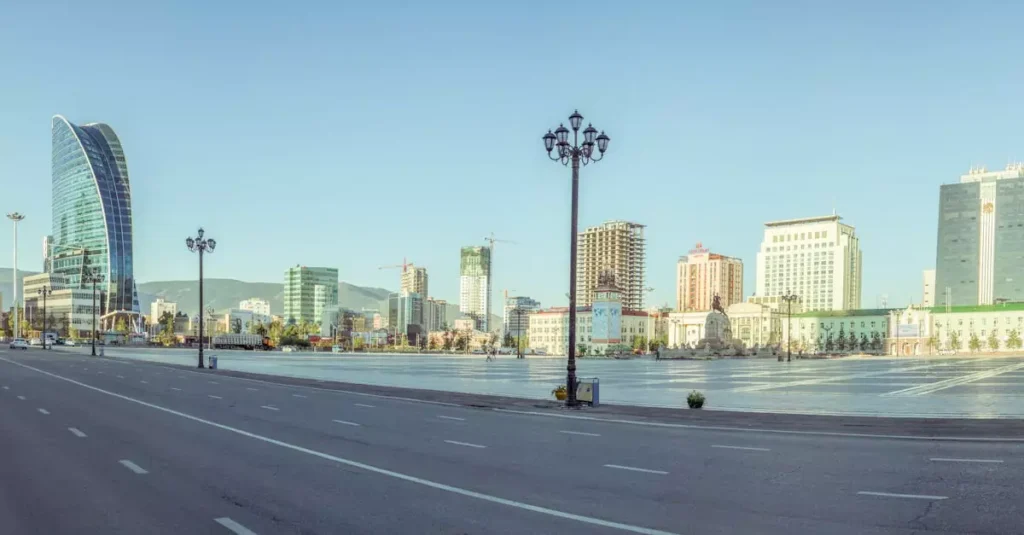
Planning for emergency travel expenses in Mongolia requires careful consideration of the unique challenges and costs associated with this vast, sparsely populated country. Mongolia emergency travel cost can vary dramatically depending on your location, the nature of the emergency, and the time of year, making it essential to budget adequately for unexpected situations. From medical evacuations across the steppes to emergency transportation during harsh winter conditions, travelers must be prepared for expenses that can quickly escalate into thousands of dollars.
The remote nature of much of Mongolia means that emergency services and infrastructure are limited outside of major cities like Ulaanbaatar. This geographical reality significantly impacts emergency travel costs, as specialized transportation, communication, and medical services often come at premium prices. Weather conditions can further complicate emergency situations, with temperatures dropping to -40°F (-40°C) in winter and sudden sandstorms or flooding creating additional hazards that require immediate and costly responses.
Understanding the full scope of potential emergency expenses in Mongolia is crucial for any traveler venturing beyond the capital city. These costs encompass not only immediate medical care and evacuation services but also extended accommodation, communication fees, replacement documentation, and specialized equipment or services needed to navigate Mongolia’s challenging terrain and climate. Proper preparation and budgeting for these contingencies can mean the difference between a manageable emergency and a financially devastating situation.
Medical Emergency Costs in Mongolia
Medical emergencies in Mongolia can result in substantial unexpected expenses, particularly for travelers requiring specialized care or evacuation services. Private medical facilities in Ulaanbaatar typically charge between $100-300 per day for hospital stays, while emergency room visits can cost $200-500 depending on the severity of treatment required. However, these costs pale in comparison to medical evacuation expenses, which can range from $15,000 to $50,000 for air ambulance services to neighboring countries with advanced medical facilities.
Prescription medications in Mongolia are often limited in availability and can be significantly more expensive than in Western countries. Common antibiotics may cost 2-3 times more than typical prices, while specialized medications for chronic conditions can be nearly impossible to obtain locally. Emergency dental care is particularly costly, with procedures ranging from $150-800, and dental emergencies requiring evacuation to South Korea or Thailand can exceed $20,000 in total costs.
Travel insurance becomes absolutely critical when considering medical emergency expenses in Mongolia. Comprehensive coverage should include medical evacuation benefits of at least $100,000, as standard travel insurance policies often exclude coverage for adventure activities common in Mongolia such as horseback riding, hiking in remote areas, or visiting during extreme weather conditions. The nearest advanced trauma centers are typically in Beijing, Seoul, or Bangkok, making evacuation costs a significant financial consideration for any serious medical emergency.
Transportation Emergency Expenses
Emergency transportation costs in Mongolia can quickly escalate due to the country’s vast distances and limited infrastructure. Private vehicle hire for emergency situations typically costs $150-300 per day, but during winter months or in remote areas, specialized vehicles with experienced drivers can cost $500-800 daily. Helicopter evacuation services, when available, charge approximately $3,000-5,000 per hour of flight time, making even short-distance emergency transport extremely expensive.
Flight changes and emergency bookings from Ulaanbaatar’s Chinggis Khaan International Airport often carry substantial penalties and premium pricing. Last-minute international flights can cost 3-5 times the normal fare, with emergency bookings to major Asian cities ranging from $800-2,500 depending on the destination and time of year. Domestic flights within Mongolia are limited and irregular, with emergency charter flights costing $2,000-4,000 for short routes within the country.
Ground transportation emergencies become particularly challenging during Mongolia’s harsh winter months when temperatures can make vehicle breakdowns life-threatening. Emergency roadside assistance, when available, can cost $200-500 per incident, while towing services to major cities can exceed $1,000 depending on distance and weather conditions. Travelers should budget for potential extended stays in remote areas while awaiting emergency transportation, as rescue operations may be delayed by weather conditions for several days.
Communication and Documentation Emergency Costs
Communication emergencies in Mongolia can result in significant expenses due to limited cellular coverage and internet connectivity outside urban areas. Satellite phone rental costs approximately $15-25 per day, with usage charges of $2-5 per minute for international calls. Emergency communication devices such as GPS beacons or satellite messengers may be necessary for remote travel, with rental costs ranging from $30-50 per week and activation fees of $100-200 for emergency rescue services.
Lost or stolen passport replacement in Mongolia requires coordination with your home country’s embassy or consulate, typically located in Ulaanbaatar. Emergency passport services can cost $200-400, with additional expedited processing fees of $100-200. The process may require extended stays in the capital city, adding accommodation and meal costs of $50-150 per day while awaiting document processing. Travel document replacement during peak tourist seasons or holidays may face additional delays and associated costs.
Emergency visa extensions or replacements can become necessary if travel documents are lost or if medical emergencies extend your stay beyond planned dates. Mongolian visa extension fees range from $50-150, but emergency processing can double these costs. If evacuation to a third country becomes necessary, emergency visa applications for transit or medical treatment can cost $100-500 depending on the destination country and processing urgency required.
Accommodation and Extended Stay Emergency Expenses
Emergency accommodation costs in Mongolia vary significantly between urban and rural areas, with Ulaanbaatar offering the most options but at premium prices during peak seasons. Emergency hotel bookings in the capital typically cost $80-200 per night for mid-range accommodations, while luxury hotels can charge $250-400 nightly. However, during major events or harsh weather conditions when many travelers seek shelter, prices can increase by 50-100% due to high demand and limited availability.
Extended stays due to medical emergencies or travel disruptions can quickly accumulate substantial accommodation costs. Weekly rates may offer some savings, ranging from $400-1,000 for extended hotel stays, but apartment rentals for longer emergencies typically cost $600-1,500 per month depending on location and amenities. Additional costs for extended stays include meal expenses of $30-60 per day, laundry services at $15-25 per load, and communication costs for international calls and internet access.
Rural emergency accommodation options are extremely limited and often require staying in ger camps or guesthouses with basic facilities. These accommodations typically charge $40-80 per night but may not be available during off-seasons or extreme weather conditions. Emergency shelter arrangements in remote areas might require payment for private ger rentals at $100-200 per night, including meals and basic heating, while waiting for weather conditions to improve or rescue services to arrive.
Weather-Related Emergency Costs
Mongolia’s extreme weather conditions can create sudden emergency situations requiring immediate and costly responses. Winter storms can strand travelers for days, requiring emergency supplies such as additional food, fuel, and warm clothing that can cost $200-500 per person for several days of provisions. Professional winter rescue services, when available, charge $1,000-3,000 per operation, not including transportation costs to reach stranded travelers in remote locations.
Summer weather emergencies, while less common, can include sudden flooding or extreme heat requiring emergency shelter or evacuation. Flash flooding can make roads impassable for days, requiring helicopter evacuation at costs of $5,000-10,000 per person to reach safety. Emergency camping equipment rental for unexpected weather delays costs approximately $50-100 per day for complete gear including weatherproof shelter, sleeping systems, and cooking equipment necessary for survival in harsh conditions.
Seasonal weather transitions can create particularly dangerous conditions, with spring thaws making roads impassable and autumn storms arriving suddenly. Emergency weather monitoring and communication services become essential, with satellite weather updates costing $20-40 per day. Professional weather routing services for emergency travel planning can cost $200-500 but may be necessary to avoid dangerous conditions that could result in much higher emergency rescue costs.
Equipment and Supply Emergency Expenses
Emergency equipment replacement or rental in Mongolia comes at premium prices due to limited availability and import costs. Essential items such as warm clothing, sleeping bags rated for extreme cold, and weatherproof gear can cost 2-3 times typical prices, with emergency winter clothing sets ranging from $300-800 per person. Specialized equipment for vehicle repairs or emergency shelter construction may need to be flown in from Ulaanbaatar or neighboring countries, adding substantial shipping and handling fees.
Emergency food and water supplies become critical during extended emergencies, with preserved foods and emergency rations costing $15-30 per person per day. Water purification systems and emergency water supplies can cost $100-300, while portable heating systems for emergency shelter range from $200-500. These supplies often must be purchased at premium prices from limited local sources or emergency supply services that charge substantial markups for immediate availability.
Technology and communication equipment emergencies require specialized solutions in Mongolia’s remote environment. Mongolia’s challenging geography makes satellite communication devices essential for emergencies, with emergency rental and activation costs ranging from $300-600 for comprehensive communication packages. Backup power systems, GPS devices, and emergency lighting equipment can add another $200-400 to emergency supply costs, but these investments can be crucial for survival and rescue coordination.
Insurance and Financial Emergency Considerations
Comprehensive travel insurance for Mongolia should include coverage limits that reflect the high costs of emergency services in this remote destination. Standard travel insurance policies often provide inadequate coverage for Mongolia’s unique risks, with recommended medical evacuation coverage of at least $100,000 and emergency medical coverage of $50,000 minimum. Adventure travel insurance riders may be necessary for activities such as horseback riding, hiking, or winter travel, adding $50-150 to policy costs but providing essential coverage for common Mongolia activities.
Emergency cash access in Mongolia can be challenging and expensive, with ATM availability limited outside major cities and transaction fees of $5-15 per withdrawal. Credit card acceptance is limited, making cash reserves essential for emergency situations. Emergency money transfer services such as Western Union charge fees of 5-15% of the transfer amount, with additional receiving fees of $10-25. Travelers should maintain emergency cash reserves of at least $2,000-5,000 for immediate emergency expenses before insurance claims can be processed.
Currency exchange during emergencies often occurs at unfavorable rates, with emergency exchange services charging premiums of 10-20% above standard rates. Emergency banking services for lost or stolen cards can take 3-7 days for replacement, requiring sufficient cash reserves to cover accommodation, meals, and emergency services during this period. Emergency loan services or cash advances may be necessary but typically carry high interest rates and fees of 15-25% of the advance amount.
FAQs
What is the average cost of medical evacuation from Mongolia?
Medical evacuation from Mongolia typically costs between $15,000-50,000 depending on the destination and medical requirements. Air ambulance services to Beijing or Seoul are generally less expensive than evacuations to Western countries. The final cost depends on the patient’s condition, required medical equipment, and weather conditions that may affect flight routing.
How much emergency cash should I carry when traveling in Mongolia?
Travelers should carry at least $2,000-5,000 in emergency cash when visiting Mongolia, particularly when venturing outside Ulaanbaatar. ATM access is limited in rural areas, and credit cards are not widely accepted. This cash reserve should cover emergency accommodation, transportation, communication, and basic supplies for several days while awaiting assistance or insurance claim processing.
Are standard travel insurance policies adequate for Mongolia emergencies?
Standard travel insurance policies are typically inadequate for Mongolia’s unique emergency risks and high evacuation costs. Comprehensive coverage should include at least $100,000 in medical evacuation benefits and $50,000 in emergency medical coverage. Adventure travel riders may be necessary for activities like horseback riding or remote area travel, which are common in Mongolia but often excluded from basic policies.
What are the most expensive types of emergencies in Mongolia?
Medical evacuations and helicopter rescue services represent the most expensive emergency costs in Mongolia, often exceeding $20,000-50,000 per incident. Weather-related emergencies requiring specialized rescue operations and extended accommodation can also be extremely costly. Communication emergencies requiring satellite services and emergency transportation during winter months round out the most expensive emergency scenarios.
How do weather conditions affect emergency costs in Mongolia?
Extreme weather conditions can double or triple emergency costs in Mongolia due to increased difficulty and risk of rescue operations. Winter temperatures below -40°F make emergency services more dangerous and expensive, while summer storms can create flooding that requires helicopter evacuation. Weather delays can extend accommodation and supply costs for days or weeks, significantly increasing total emergency expenses.
Conclusion and Emergency Preparedness Recommendations
Understanding and preparing for Mongolia emergency travel costs is essential for anyone planning to visit this remarkable but challenging destination. The potential expenses associated with medical emergencies, transportation difficulties, communication needs, and weather-related incidents can quickly escalate into tens of thousands of dollars without proper preparation and insurance coverage. The remote nature of much of Mongolia, combined with extreme weather conditions and limited infrastructure, creates a unique set of emergency cost considerations that differ significantly from more developed tourist destinations.
Successful emergency preparedness for Mongolia requires a multi-layered approach combining comprehensive insurance coverage, adequate emergency cash reserves, proper equipment, and realistic budgeting for potential extended stays or evacuation scenarios. Travelers should invest in high-quality travel insurance with substantial medical evacuation coverage, maintain emergency communication capabilities, and prepare for the possibility of weather-related delays that could extend trips by days or weeks. The costs associated with proper preparation pale in comparison to the potential expenses of being unprepared for Mongolia’s challenging environment.
The investment in emergency preparedness for Mongolia travel ultimately provides both financial protection and peace of mind, allowing travelers to fully experience this incredible destination while knowing they are prepared for unexpected situations. By understanding the full scope of potential emergency expenses and taking appropriate precautions, travelers can minimize both the likelihood and financial impact of emergency situations, ensuring that their Mongolia adventure remains a positive and memorable experience regardless of unexpected challenges that may arise.