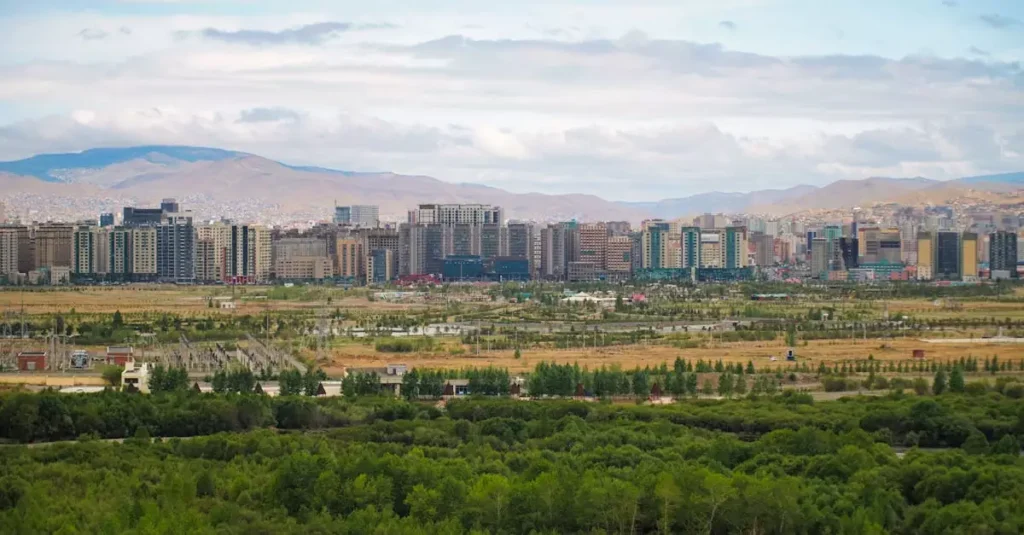
Planning a trip to Mongolia and wondering about internet connectivity costs? Understanding Mongolia internet cost is crucial for modern travelers who need to stay connected while exploring this vast and remote country. From bustling Ulaanbaatar to the remote Gobi Desert, internet access varies significantly in both availability and pricing, making it essential to plan your connectivity needs in advance.
Mongolia’s telecommunications infrastructure has evolved rapidly in recent years, with major cities like Ulaanbaatar offering reliable high-speed internet, while rural areas still face connectivity challenges. The cost structure for internet services in Mongolia includes various options ranging from hotel wifi packages to local SIM cards and portable hotspot devices. Travelers will find that internet pricing follows a tiered system, with premium rates for tourist-focused services and more affordable options for those willing to navigate local providers.
Whether you’re planning to work remotely from a ger camp, share your adventures on social media, or simply stay in touch with family back home, understanding the complete landscape of internet costs and options will help you budget appropriately and choose the best connectivity solution for your Mongolian adventure. From data-heavy video calls to basic messaging apps, different usage patterns will significantly impact your overall internet expenses during your stay.
Mobile Data and SIM Card Pricing in Mongolia
The most cost-effective way to access internet in Mongolia is through local SIM cards, which offer significantly better value than international roaming charges. The three major mobile operators in Mongolia are Mobicom, Unitel, and Skytel, each offering competitive data packages for both short-term visitors and longer-stay travelers. A standard tourist SIM card typically costs between 5,000 to 10,000 Mongolian Tugrik (approximately $2-4 USD) for the initial purchase, with various data packages available for top-up.
Data packages range from small 1GB options costing around 8,000-12,000 MNT ($3-5 USD) to larger 20GB packages priced at 35,000-50,000 MNT ($14-20 USD). The pricing structure generally favors bulk purchases, with per-gigabyte costs decreasing significantly for larger data allowances. Mobicom, being the largest operator, offers the most extensive coverage across Mongolia, including many remote areas that other providers don’t reach, though their prices tend to be slightly higher than competitors.
For travelers planning extended stays or requiring consistent connectivity, monthly unlimited packages are available from most operators, typically ranging from 60,000 to 100,000 MNT ($24-40 USD) per month. These packages often include generous data allowances and sometimes unlimited domestic calling, making them excellent value for digital nomads or business travelers. It’s worth noting that “unlimited” packages may have fair usage policies that throttle speeds after certain thresholds, typically around 50-100GB per month.
The process of purchasing and activating a SIM card requires passport identification and can be completed at official operator stores, authorized retailers, or even some hotels in Ulaanbaatar. Coverage quality varies significantly outside major urban areas, with 4G LTE available in cities and major towns, while rural areas may only have 3G or even 2G connectivity. This coverage limitation is particularly important for travelers planning to visit remote destinations like the Gobi Desert or northern wilderness areas.
Hotel and Accommodation WiFi Costs
Hotel wifi pricing in Mongolia varies dramatically based on accommodation type, location, and target market. Luxury hotels in Ulaanbaatar typically include high-speed wifi as a complimentary amenity, with speeds ranging from 20-100 Mbps depending on the establishment. Mid-range hotels may charge between $5-15 USD per day for wifi access, while budget accommodations often provide basic wifi included in room rates, though speeds and reliability can be inconsistent.
Traditional ger camps, popular with tourists exploring Mongolia’s countryside, present unique connectivity challenges and pricing structures. Premium ger camps catering to international tourists may offer wifi in common areas for $10-25 USD per day, though speeds are typically limited to 1-5 Mbps due to satellite connectivity constraints. Many authentic nomadic experiences deliberately avoid internet connectivity, so travelers should verify wifi availability when booking if connectivity is essential.
Guesthouses and hostels in Ulaanbaatar generally include basic wifi in their rates, with speeds adequate for messaging and light web browsing but potentially insufficient for video calls or streaming. Some establishments offer premium wifi upgrades for $3-8 USD per day, providing dedicated bandwidth and higher speeds. Business hotels often provide tiered wifi services, with basic access included and premium high-speed options available for additional fees.
Rural accommodations outside major cities face significant infrastructure challenges, often relying on satellite internet connections that are expensive to maintain and operate. This results in higher costs for guests, with some remote lodges charging $20-40 USD per day for limited internet access. The reliability of hotel wifi can be affected by weather conditions, particularly in winter months when satellite connections may experience disruptions during severe storms.
Internet Cafes and Public WiFi Options
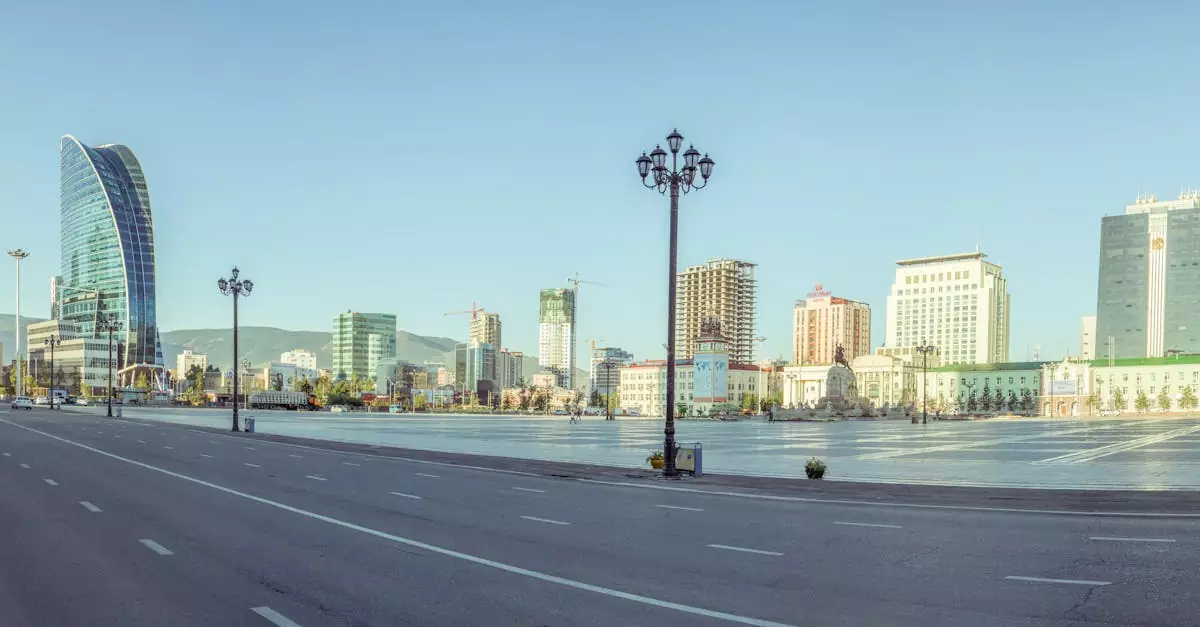
Internet cafes remain popular in Mongolia, particularly in Ulaanbaatar and other major cities, offering affordable connectivity options for budget-conscious travelers. Typical internet cafe rates range from 1,000-3,000 MNT ($0.40-1.20 USD) per hour, with faster computers and better connections commanding premium prices. These establishments often provide additional services like printing, scanning, and international calling, making them convenient one-stop communication centers for travelers.
Public wifi availability in Mongolia is growing but remains limited compared to other Asian destinations. Shopping malls, restaurants, and cafes in Ulaanbaatar increasingly offer complimentary wifi to customers, though connection quality and speed can vary significantly. Major international chains like KFC, Pizza Hut, and Starbucks typically provide reliable free wifi with reasonable speeds, making them popular spots for travelers needing connectivity.
The National Library of Mongolia and various cultural centers in Ulaanbaatar offer free internet access to visitors, though usage may be time-limited and require registration. These venues provide excellent alternatives for travelers needing reliable connectivity for important communications or work-related tasks. University campuses and some government buildings also provide public wifi, though access may require local sponsorship or specific credentials.
Airport wifi at Chinggis Khaan International Airport is available free for limited periods, typically 30-60 minutes, with paid extensions available for longer usage. The connection quality is generally good, making it suitable for last-minute communications or downloading offline content before departing to areas with limited connectivity. Some banks and major retail establishments in urban areas also provide customer wifi, though these are primarily intended for brief usage during business transactions.
Satellite Internet and Rural Connectivity
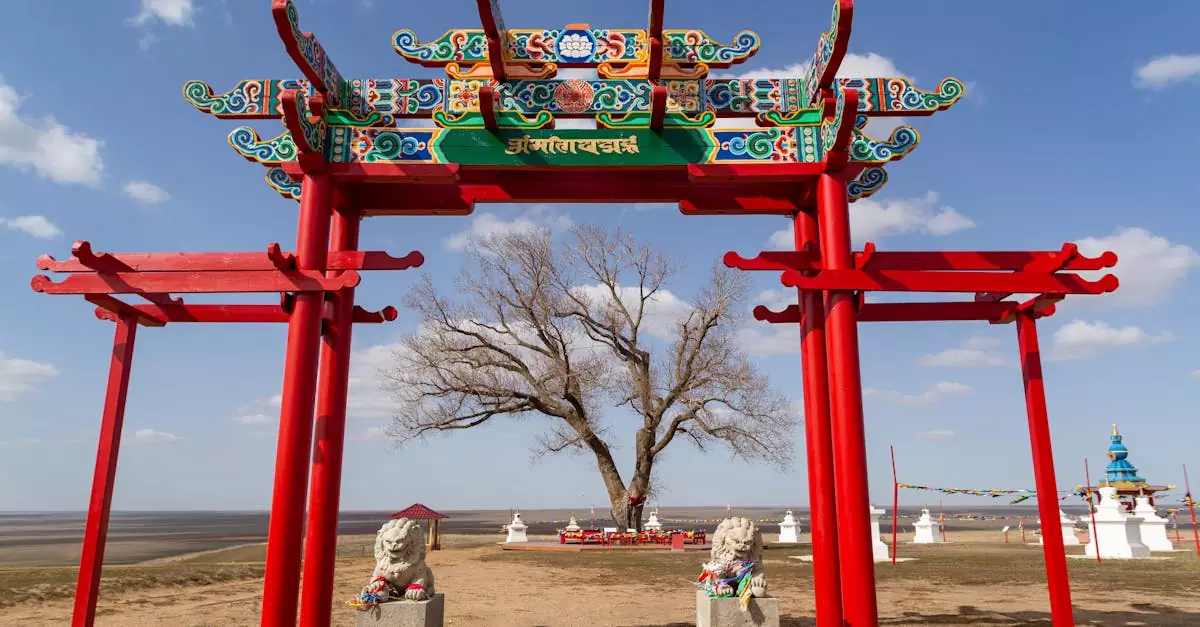
Satellite internet represents the primary connectivity solution for remote areas of Mongolia, where traditional cellular towers and fiber optic cables are impractical due to the country’s vast distances and low population density. The cost of satellite internet access is significantly higher than urban connectivity options, reflecting the expensive infrastructure required to provide service to remote locations. Travelers venturing into Mongolia’s wilderness areas should expect to pay premium prices for limited connectivity.
Commercial satellite internet providers serving Mongolia’s remote areas typically charge between $50-150 USD per month for residential connections, with data caps ranging from 10-50GB depending on the package. For travelers, accessing these connections through accommodations or tour operators results in daily rates of $15-40 USD for limited usage, often restricted to essential communications rather than entertainment or heavy data consumption. The high latency inherent in satellite connections makes real-time applications like video calling challenging, even when bandwidth is available.
Portable satellite internet devices are available for rent in Ulaanbaatar, catering to expedition groups and serious adventurers who require guaranteed connectivity in remote areas. These devices typically cost $30-60 USD per day to rent, with additional charges for data usage beyond included allowances. The equipment is ruggedized for harsh conditions but requires clear sky visibility and proper positioning to maintain connections, making them unsuitable for use inside vehicles or buildings.
Weather conditions significantly impact satellite internet performance in Mongolia, with heavy snow, sandstorms, and severe thunderstorms potentially disrupting connections for hours or even days. This unreliability factor is crucial for travelers who depend on internet connectivity for safety communications or time-sensitive business needs. Many experienced Mongolia travelers recommend having multiple backup communication methods when venturing into remote areas, including satellite phones for emergency situations.
Comparison of Internet Providers and Packages
Mobicom, Mongolia’s largest telecommunications provider, offers the most comprehensive coverage and generally the most reliable service, particularly in remote areas. Their tourist-focused packages include a 7-day unlimited data plan for approximately 25,000 MNT ($10 USD) and a 30-day package for 65,000 MNT ($26 USD). Mobicom’s network covers approximately 95% of Mongolia’s populated areas and maintains the best infrastructure for rural connectivity, making it the preferred choice for travelers planning extensive countryside exploration.
Unitel positions itself as a premium provider with competitive urban speeds and innovative package options. Their tourist SIM cards include international calling credits and typically cost slightly more than competitors but offer superior customer service and English-language support. Unitel’s data packages range from 15,000 MNT ($6 USD) for 5GB to 45,000 MNT ($18 USD) for 25GB, with bonus data often included for first-time international customers. Their network excels in urban areas but has more limited rural coverage compared to Mobicom.
Skytel focuses on competitive pricing and innovative services, often offering the best value for data-heavy users. Their packages frequently include social media bonuses and streaming allowances, making them popular with younger travelers and digital content creators. A typical Skytel tourist package provides 10GB of data plus unlimited social media access for 20,000 MNT ($8 USD), though their rural coverage is the most limited among the three major operators.
Fixed-line internet providers like Mongol Telecom serve hotels and businesses with fiber optic connections in major cities. These connections offer the highest speeds and most reliable service but are not directly accessible to individual travelers. However, accommodations using these providers typically offer superior wifi experiences, with speeds exceeding 50 Mbps common in premium establishments. The cost structure for these services is built into accommodation pricing rather than charged separately to guests.
Tips for Reducing Internet Costs in Mongolia
Strategic planning can significantly reduce internet costs during your Mongolia trip. Purchasing local SIM cards immediately upon arrival provides the best value for money, with airport kiosks and city center stores offering competitive rates and English-language assistance. Avoiding international roaming charges from your home carrier can save hundreds of dollars, as roaming rates in Mongolia often exceed $10-15 USD per MB for data usage.
Taking advantage of free wifi opportunities requires some planning but can substantially reduce overall connectivity costs. Many restaurants, cafes, and shopping centers in Ulaanbaatar offer complimentary wifi to customers, making meal times and shopping breaks opportunities to handle data-intensive tasks like photo uploads or video calls. Creating a mental map of reliable free wifi locations can help you minimize paid data usage while maintaining necessary connectivity.
Optimizing data usage through offline preparation can extend your purchased data packages significantly. Downloading offline maps, translation apps, entertainment content, and travel guides before arriving in areas with limited connectivity ensures you’re not consuming expensive data for basic travel needs. Many popular apps offer offline modes specifically designed for travelers in areas with limited or expensive internet access.
Group travelers can share connectivity costs through mobile hotspot features available on most smartphones with local SIM cards. One person can purchase a larger data package and share the connection with travel companions, reducing per-person costs while ensuring everyone maintains basic connectivity. This approach works particularly well for families or small tour groups staying in accommodations without reliable wifi.
Timing your internet usage can also impact costs, as some providers offer off-peak bonuses or reduced rates during specific hours. Understanding the telecommunications infrastructure in Mongolia helps travelers make informed decisions about when and how to access internet services most cost-effectively.
Seasonal Variations and Special Considerations
Internet costs and availability in Mongolia fluctuate significantly with seasonal changes, primarily due to weather impacts on infrastructure and tourist demand variations. During the peak summer tourist season from June to August, accommodation wifi prices often increase by 20-50% as hotels capitalize on higher demand and occupancy rates. Conversely, winter months may offer better deals on connectivity packages, though reliability can be compromised by harsh weather conditions affecting satellite and cellular infrastructure.
Winter connectivity challenges extend beyond pricing to fundamental service availability. Extreme cold temperatures can affect equipment performance, while heavy snowfall may disrupt satellite connections for days at a time. Travelers visiting during winter months should budget for potential backup connectivity solutions and expect higher costs for reliable service. Some remote accommodations may completely shut down internet services during the harshest winter periods to conserve power and resources.
The Naadam festival period in July represents a unique connectivity challenge, with network congestion in Ulaanbaatar and popular tourist areas significantly impacting internet speeds and reliability. During this time, even premium-priced services may perform poorly due to infrastructure overload. Many providers offer special festival packages with additional data allowances, though these typically come at premium prices reflecting the increased demand.
Seasonal migration patterns of Mongolia’s nomadic population also affect rural connectivity, as temporary settlements may receive improved cellular coverage during certain months when populations concentrate in specific areas. This dynamic coverage pattern means that internet availability and costs can vary for the same location depending on the time of year visited. Tour operators familiar with these patterns can provide valuable guidance on optimal connectivity strategies for different seasons and regions.
FAQs
How much does a tourist SIM card cost in Mongolia?
A tourist SIM card in Mongolia typically costs between 5,000-10,000 MNT ($2-4 USD) for the initial purchase. Data packages range from 8,000 MNT ($3 USD) for 1GB to 50,000 MNT ($20 USD) for 20GB, with monthly unlimited packages available for 60,000-100,000 MNT ($24-40 USD).
Is hotel wifi expensive in Mongolia?
Hotel wifi costs vary significantly by accommodation type and location. Luxury hotels in Ulaanbaatar typically include wifi free, while mid-range hotels charge $5-15 USD per day. Remote ger camps may charge $10-40 USD daily for limited satellite internet access due to infrastructure costs.
Which mobile operator has the best coverage in Mongolia?
Mobicom offers the most extensive coverage in Mongolia, reaching approximately 95% of populated areas including many remote locations. While slightly more expensive than competitors, their network reliability and rural coverage make them the preferred choice for travelers exploring countryside areas.
Can I use international roaming in Mongolia?
International roaming is available in Mongolia but extremely expensive, often costing $10-15 USD per MB of data usage. Purchasing a local SIM card provides much better value and typically offers superior network access compared to roaming services from foreign carriers.
What internet speeds can I expect in rural Mongolia?
Rural Mongolia internet speeds vary dramatically by location and connection type. Cellular data typically provides 1-10 Mbps in areas with 3G/4G coverage, while satellite connections in remote areas may offer 1-5 Mbps with higher latency. Many remote locations have no connectivity at all, requiring satellite phone backup for emergency communications.
Planning Your Mongolia Internet Budget
Understanding Mongolia internet cost requires considering multiple factors including travel duration, destinations, usage patterns, and backup connectivity needs. Budget travelers focusing on urban areas can manage with $15-25 USD for connectivity during a week-long trip using local SIM cards and free wifi opportunities. However, travelers venturing into remote areas or requiring reliable connectivity for work purposes should budget $50-100 USD or more for comprehensive internet access solutions.
The key to managing internet costs effectively in Mongolia lies in preparation and realistic expectations about connectivity limitations. Downloading essential offline content, identifying free wifi locations, and choosing appropriate local data packages can provide adequate connectivity for most travelers while minimizing expenses. For those requiring guaranteed connectivity in remote areas, investing in premium satellite solutions or comprehensive mobile packages represents a necessary expense for maintaining communication and safety.
Mongolia’s telecommunications infrastructure continues evolving rapidly, with improving coverage and competitive pricing benefiting travelers. However, the country’s vast geography and challenging climate ensure that internet access will remain more expensive and less reliable than in more densely populated destinations. By understanding these re