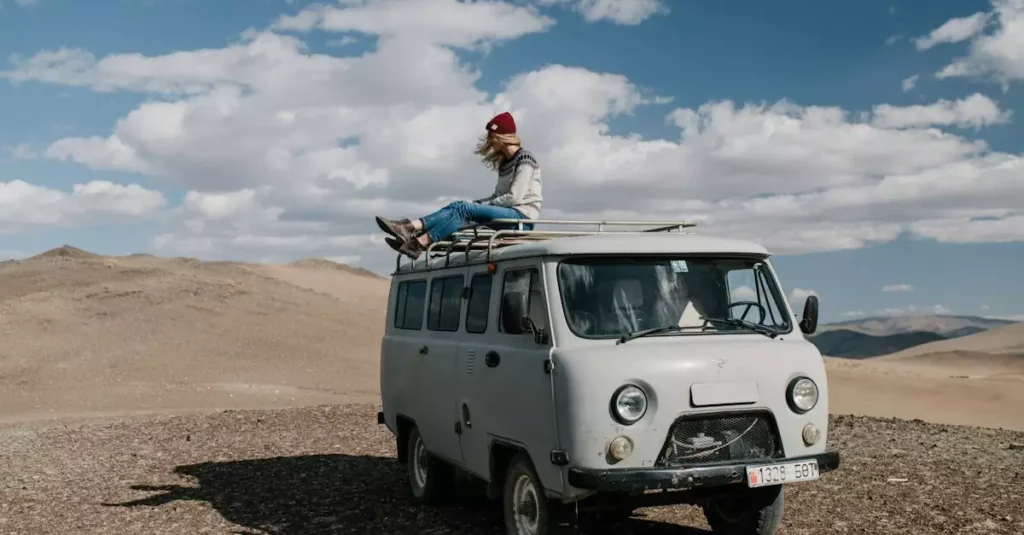
Embarking on a journey across the vast and rugged landscapes of Mongolia is an experience unlike any other, and understanding the mongolia road trip cost is paramount for any intrepid traveler planning such an adventure. This immense Central Asian nation, famed for its nomadic heritage and breathtaking natural beauty, beckons those seeking an authentic escape from the ordinary. Whether you dream of traversing the iconic Gobi Desert, exploring the rolling steppes, or discovering ancient monasteries, a well-planned road trip can unlock the heart of Mongolia. However, the cost associated with such an expedition can vary significantly based on your travel style, the duration of your trip, and the specific routes you choose to explore. This guide aims to demystify these expenses, providing a comprehensive overview to help you budget effectively for your Mongolian odyssey.
The allure of a self-drive adventure in Mongolia stems from the unparalleled freedom it offers. Unlike organized tours, a road trip allows you to set your own pace, linger in places that captivate your imagination, and venture off the beaten path to discover hidden gems. This independence, however, comes with its own set of financial considerations. From securing a reliable vehicle and navigating the often-challenging terrain to managing fuel, accommodation, and food expenses, each element contributes to the overall budget. Furthermore, the cost can be influenced by whether you opt for a fully independent trip, rent a vehicle with a driver, or engage a local guide who can navigate both the roads and the cultural nuances of the country. Understanding these variables is key to formulating a realistic financial plan.
This comprehensive guide will delve into the various components that make up the mongolia self drive road trip budget guide, offering insights into potential expenditures for accommodation, transportation, food, activities, and miscellaneous costs. We will explore different budget levels, from economical to more comfortable options, and provide practical tips for saving money without compromising the richness of your experience. By the end of this exploration, you will be equipped with the knowledge to confidently estimate your mongolia road trip cost and plan a memorable journey through this extraordinary land.
Understanding the Core Costs of a Mongolian Road Trip
When planning a mongolia road trip cost, the primary drivers of expenditure will inevitably be transportation and accommodation, especially when considering a self-drive adventure across its immense distances. Mongolia is a country where infrastructure can be sparse, and roads, particularly outside major cities and tourist routes, can range from gravel tracks to challenging off-road conditions. This reality directly impacts vehicle rental costs. For a self-drive trip, you’ll need to factor in the rental price of a robust 4×4 vehicle, which is essential for navigating the varied terrain. These rentals are typically priced per day and can range from $70 to $150 or more, depending on the vehicle’s specifications, age, and the rental company. It’s crucial to ensure the rental agreement includes comprehensive insurance, as repairs in remote areas can be prohibitively expensive and time-consuming.
Beyond the daily rental fee, fuel is another significant expense. Mongolia’s vastness means long driving days, and fuel stations can be few and far between, especially in the more remote regions like the Gobi Desert. The price of fuel, while generally lower than in Western countries, can add up quickly. A rough estimate might place fuel costs at $20-$40 per day, depending heavily on the distances covered and the vehicle’s fuel efficiency. It’s advisable to carry extra fuel canisters for longer stretches. Accommodation also presents a range of options, each with a different price point. Staying in traditional gers (yurts) in tourist camps offers a unique cultural experience and typically costs between $20-$50 per night per person, often including meals. Camping, while the most budget-friendly option, requires carrying your own gear and finding suitable, safe locations, which can be challenging due to the lack of designated campsites and the prevalence of private land. Hotel stays in Ulaanbaatar and larger provincial towns offer more comfort but come at a higher price, ranging from $50-$100+ per night for mid-range options.
Food expenses can also fluctuate considerably. Eating at local eateries or within ger camps is generally affordable, with meals costing around $5-$10. If you plan to self-cater for some meals, purchasing supplies from local markets can further reduce costs, but options might be limited outside of major towns. Engaging local guides or drivers, while adding to the expense, can significantly enhance safety, provide invaluable cultural insights, and help navigate logistical challenges, potentially saving money and time in the long run by avoiding costly mistakes. The decision to hire a driver and guide can add $50-$100+ per day to your budget, but this often includes their accommodation and food, so it’s important to clarify what is included. Therefore, a realistic baseline for a self-drive trip, excluding flights and personal spending, might start around $100-$150 per person per day, with significant potential for variation based on these core components.
Navigating Accommodation and Food Expenses in Mongolia
When meticulously planning your mongolia road trip cost, the choices you make regarding accommodation and food will significantly influence your overall budget. Mongolia offers a spectrum of lodging options, from basic camping under the stars to comfortable tourist ger camps and hotels in urban centers. For the budget-conscious traveler, camping is the most economical choice. This involves carrying your own tent, sleeping bags, and cooking equipment. While it offers unparalleled freedom and immersion in nature, it requires careful planning regarding water sources, waste disposal, and safety. The cost here is minimal, essentially the price of your camping gear and any food you purchase to prepare yourself. However, it’s important to note that designated campgrounds are rare, so you’ll often be seeking out safe and permissible spots to set up camp, which can sometimes be a challenge.
A more popular and culturally immersive option is staying in traditional Mongolian gers. These felt tents are the traditional dwellings of nomadic families and are often set up in tourist camps scattered across the countryside. A night in a tourist ger typically includes a bed, a communal eating area, and often basic toilet and washing facilities. Prices for a ger stay usually range from $20 to $50 per person per night, and many camps offer full board (breakfast, lunch, and dinner) for an additional fee, which can be a convenient way to manage food expenses and enjoy local cuisine. These camps provide a comfortable middle ground, offering a glimpse into nomadic life without the rigors of full-on camping. For those seeking more comfort and amenities, hotels are available in Ulaanbaatar and larger provincial towns. These range from basic guesthouses to more upscale establishments, with prices varying from $50 to $150 or more per night for a double room. These are generally more expensive than ger stays and are less common once you venture away from the main cities.
Food expenses are also a critical component of your mongolia self drive road trip budget guide. Eating out at local cafeterias and restaurants, particularly in towns, is generally very affordable. A hearty meal might cost anywhere from $5 to $10. However, when traveling through remote areas, your options will be more limited. Many ger camps include meals in their accommodation price, which simplifies budgeting. If you plan to self-cater, you’ll need to stock up on non-perishable items from supermarkets in Ulaanbaatar or larger towns. This can include dried noodles, rice, canned goods, and local bread. Purchasing fresh produce can be challenging outside of these hubs. For a moderate budget, budgeting around $20-$30 per person per day for food is a reasonable estimate, assuming a mix of eating at local spots, enjoying meals at ger camps, and perhaps some self-prepared meals. Travelers aiming for a more luxurious experience might spend more on restaurant meals and higher-end accommodation, while those on a shoestring will rely heavily on camping and self-catering.
Vehicle Rental and Fuel: The Backbone of Your Road Trip
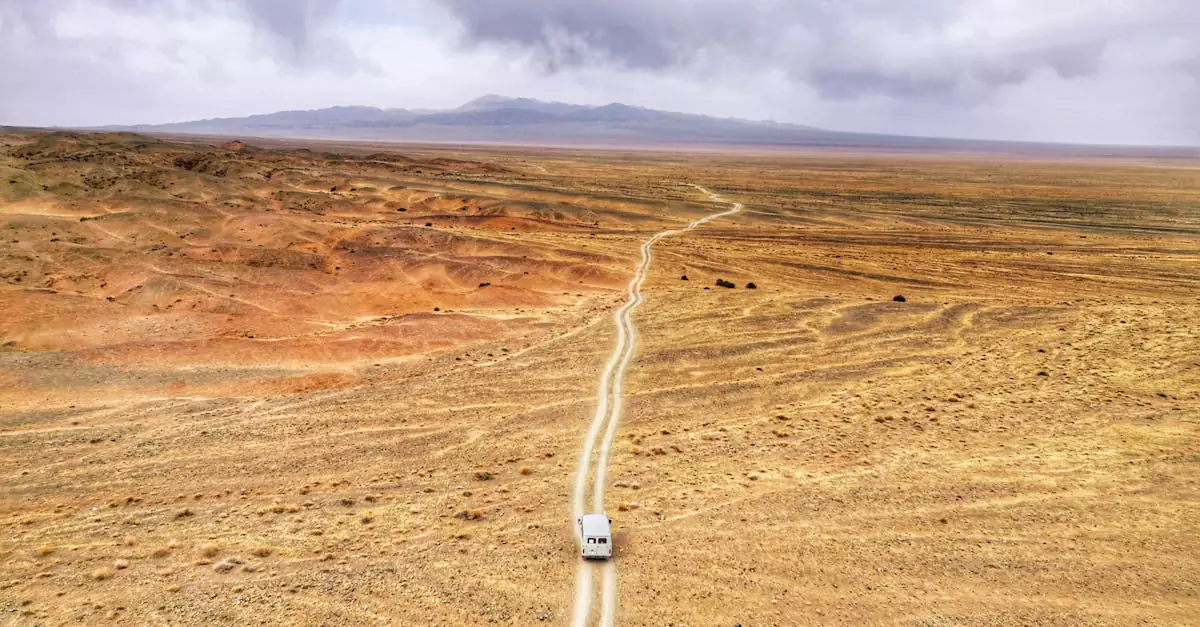
The cornerstone of any mongolia road trip cost, especially for those opting for independent exploration, is the vehicle rental and the associated fuel expenses. Mongolia’s vastness and often rudimentary road conditions necessitate a robust and reliable vehicle, typically a 4×4 SUV. Rental prices can vary significantly based on the vehicle model, its age, and the rental duration. Expect to pay anywhere from $70 to $150 per day for a suitable vehicle. It is absolutely critical to factor in comprehensive insurance, as breakdowns or accidents in remote areas can lead to exorbitant repair costs and significant delays. Always ensure you understand the insurance coverage thoroughly, including any deductibles and what constitutes damage beyond normal wear and tear. Many rental agencies will require a substantial security deposit, which can range from $1,000 to $3,000, so ensure you have the means to cover this. It’s also wise to confirm the vehicle’s condition before departure, checking tires, brakes, and essential fluids.
Fuel is another substantial and often underestimated expense. Mongolia’s distances are immense, and fuel stations can be few and far between, especially when venturing into regions like the Gobi Desert. The price of fuel, while generally more affordable than in many Western countries, can still accumulate rapidly over long distances. A conservative estimate for daily fuel consumption, assuming 200-300 kilometers of driving per day on mixed terrain, could range from $20 to $40. This figure can increase dramatically if you are driving more challenging off-road routes or if your vehicle is less fuel-efficient. To mitigate potential issues, it is highly recommended to carry extra fuel in approved canisters. Planning your fuel stops strategically is also crucial; always fill up when you have the opportunity, even if your tank isn’t nearing empty. Understanding the typical fuel prices in different regions can also help in budgeting, though these can fluctuate.
When considering your mongolia self drive road trip budget guide, it’s important to compare rental companies. Some may offer unlimited mileage, which is essential for a road trip, while others might have daily or total mileage caps that could incur extra charges. Additionally, some companies include basic camping gear or even a satellite phone in their rental packages, which can be a valuable addition for safety in remote areas and might save you money on separate rentals. The condition of the roads themselves plays a huge role. While main highways are often paved, many secondary routes are unpaved, consisting of gravel, sand, or even rocky tracks. This rougher terrain will naturally increase fuel consumption and put more strain on the vehicle, potentially leading to higher maintenance needs. Therefore, booking a vehicle that is well-maintained and specifically suited for off-road conditions is not just a matter of comfort but also a critical cost-saving measure in the long run, preventing unexpected repair bills.
Activities, Permits, and Miscellaneous Expenses
Beyond the fundamental costs of transportation and accommodation, a mongolia road trip cost will also be shaped by the activities you choose to pursue and any necessary permits or miscellaneous expenses. Mongolia offers a wealth of experiences, from exploring the vast sand dunes of the Gobi Desert and visiting ancient monasteries to participating in traditional nomadic activities. Entrance fees for national parks, such as those surrounding the Gobi, are generally modest, often ranging from $5 to $15 per person. Horse riding excursions, a quintessential Mongolian experience, can vary in price depending on the duration and whether it’s a short ride or a multi-day trek. A few hours on horseback might cost $20-$40, while a full day could be $60-$100 or more. Camel riding in the Gobi is another popular activity, with costs typically in a similar range to horse riding.
Some remote areas or specific cultural sites might require special permits. While not as common as in some other countries, it’s always wise to check in advance, especially if you plan to visit border regions or protected wildlife areas. These permits are usually inexpensive, often just a few dollars, but can be a hidden cost if not accounted for. For travelers interested in cultural immersion, visiting nomadic families can sometimes involve a small gift or a contribution, which is a matter of cultural etiquette rather than a fixed fee. The cost of souvenirs can also add up, depending on your purchasing habits. Traditional handicrafts, cashmere products, and local artwork are popular choices, with prices varying widely.
Connectivity is another aspect to consider. While Wi-Fi is available in hotels and some tourist camps, it can be unreliable or non-existent in remote areas. Purchasing a local SIM card upon arrival in Ulaanbaatar is a cost-effective way to stay connected for calls and basic data, costing around $10-$20 for a starter pack. However, coverage can be spotty outside of towns. For truly remote travel, a satellite phone rental might be a worthwhile investment for safety, though this adds a significant daily cost. Travel insurance is an absolute must, covering medical emergencies, trip cancellations, and lost luggage. Premiums vary based on coverage and duration, but it’s a crucial expense that should not be overlooked. Finally, factor in a buffer for unexpected expenses, such as minor vehicle repairs, unplanned detours, or spontaneous purchases. A general rule of thumb is to add an extra 10-15% to your total estimated budget for unforeseen circumstances.
Budgeting for Different Travel Styles
Understanding the mongolia road trip cost requires acknowledging that expenses can differ dramatically based on your preferred travel style. For the budget traveler, the focus is on minimizing daily expenditures through strategic choices. This typically involves opting for self-catering as much as possible, utilizing basic camping facilities or very simple ger stays, and prioritizing free or low-cost activities like hiking and exploring natural landscapes. Vehicle rental for a budget trip might lean towards a slightly older but still reliable 4×4, and careful fuel management is key. For such a traveler, a daily budget of $70-$100 per person, excluding flights, could be achievable, though it requires diligent planning and a willingness to forgo certain comforts. This style often involves more independent exploration and a deeper engagement with the raw, natural beauty of Mongolia.
For the mid-range traveler, the aim is to strike a balance between comfort and cost-effectiveness. This often means staying in comfortable tourist ger camps with included meals, enjoying a mix of local eateries and prepared meals, and perhaps indulging in one or two paid activities like horse riding or visiting a specific cultural site. Vehicle rental would likely be for a newer, more comfortable 4×4, and while fuel efficiency is still a consideration, there’s more flexibility. The daily budget for a mid-range trip might fall between $120-$180 per person. This allows for more flexibility in itinerary, slightly more comfortable accommodation, and the ability to participate in a wider range of experiences without constant financial constraint. This is often the most popular style for those seeking a well-rounded Mongolian adventure.
The luxury traveler, on the other hand, prioritizes comfort, convenience, and exclusive experiences. This could involve renting a top-of-the-line 4×4, staying in high-end lodges or private ger camps, dining at the best available restaurants, and hiring private guides for personalized tours. Activities might include exclusive cultural performances, private photography tours, or extended multi-day treks with full support. For this travel style, the mongolia self drive road trip budget guide would see daily costs potentially exceeding $250-$400+ per person, excluding flights. While the cost is significantly higher, it offers an unparalleled level of service, comfort, and access to unique experiences that might not be available to budget or mid-range travelers. Regardless of the chosen style, meticulous planning and research are essential to ensure your budget aligns with your expectations and the realities of traveling in Mongolia.
Comparing Costs: Self-Drive vs. Guided Tours
A significant decision when planning your Mongolian adventure, and one that directly impacts the mongolia road trip cost, is whether to undertake a fully self-drive journey or opt for a guided tour. A self-drive trip, as we’ve extensively discussed, offers unparalleled freedom and flexibility. You control your itinerary, your pace, and your stops. However, this freedom comes with the responsibility and cost of vehicle rental, fuel, navigation, and self-sufficiency in terms of accommodation and food. The initial outlay for a robust 4×4 and the ongoing costs of fuel can be substantial. Furthermore, navigating Mongolia’s vast and often unmarked terrain without local knowledge can be challenging and time-consuming, potentially leading to detours or missed opportunities. The cost for a self-drive trip, as a rough estimate for a moderately comfortable experience, might range from $100-$180 per person per day, excluding international flights.
Conversely, guided tours, especially those that include a driver and guide, can simplify logistics considerably. Tour operators handle vehicle arrangements, route planning, accommodation bookings, and often meals. This can be particularly appealing for those who are less experienced with off-road driving or unfamiliar with the local language and customs. While a guided tour might appear more expensive on the surface, it’s important to consider what is included. Many tours are all-inclusive, covering accommodation, meals, transportation, activities, and the services of a guide and driver. This can sometimes offer better value for money, especially when factoring in the cost of a high-quality rental vehicle, fuel, and the potential for unexpected expenses on a self-drive trip. The cost of guided tours can vary widely, from $150-$300+ per person per day, depending on the tour’s inclusions, duration, and luxury level. For instance, a tour that includes multiple national park entries, guided excursions, and stays in comfortable ger camps might fall into the higher end of this range.
When comparing the mongolia self drive road trip budget guide, it’s crucial to do a detailed breakdown. For a self-drive trip, you need to sum up the daily rental cost, estimated fuel cost, accommodation fees, food expenses, and any planned activity costs. For a guided tour, you look at the package price and identify any exclusions, such as international flights, visa fees, travel insurance, or personal spending money. Sometimes, a seemingly more expensive guided tour can be more budget-friendly when all factors are considered, especially if it includes services that you would otherwise have to arrange and pay for separately, like a local guide who knows the best spots and can negotiate prices for you. Ultimately, the choice depends on your priorities: freedom and self-reliance versus convenience and expert guidance. Both can lead to an incredible Mongolian experience, but the financial implications are distinct.
FAQs
How much does it cost to rent a 4×4 in Mongolia?
Renting a reliable 4×4 vehicle in Mongolia typically costs between $70 and $150 per day. This price can fluctuate based on the vehicle model, age, rental duration, and the inclusion of insurance and mileage limits.
What is the average daily cost for food in Mongolia?
For a moderate budget, you can expect to spend around $20 to $30 per person per day on food. This assumes a mix of eating at local eateries, enjoying meals at ger camps, and some self-prepared meals.
Are there hidden costs associated with a Mongolia road trip?
Potential hidden costs include visa fees, travel insurance, park entrance fees, permits for certain areas, and unexpected vehicle repairs or maintenance. It’s wise to budget an additional 10-15% for unforeseen expenses.
Is it cheaper to travel independently or on a guided tour in Mongolia?
While independent travel can seem cheaper initially, guided tours can offer better value when all inclusions (accommodation, meals, driver, guide) are considered, especially for those unfamiliar with the region.
How much should I budget for fuel on a Mongolia road trip?
Fuel costs can range from $20 to $40 per day, depending on the distances covered and the vehicle’s fuel efficiency. It is advisable to carry extra fuel canisters for longer stretches between stations.
Conclusion: Planning Your Mongolian Road Trip Budget
Embarking on a mongolia road trip cost adventure is an investment in an unforgettable experience, and a well-structured budget is the key to making it a reality. As we’ve explored, the expenses are multifaceted, ranging from the essential costs of vehicle rental and fuel to the variable expenditures on accommodation, food, and activities. For those planning a self-drive expedition, particularly through iconic regions like the Gobi Desert, understanding the nuances of vehicle suitability, fuel availability, and the importance of comprehensive insurance is paramount. The mongolia self drive road trip budget guide highlights that while independent travel offers immense freedom, it requires diligent planning to manage costs effectively, potentially ranging from $100 to $180 per person per day for a comfortable experience, excluding international flights.
Comparing this to guided tours reveals that while they may have a higher upfront cost, they often provide a more inclusive and logistically seamless experience, with prices typically falling between $150 and $300+ per person per day. Ultimately, the optimal choice depends on individual priorities regarding independence, comfort, and cultural immersion. Regardless of your chosen travel style, meticulous research into current prices for vehicle rentals, fuel, and accommodation options, combined with a realistic assessment of your daily spending habits for food and activities, will enable you to create a robust and achievable budget. By carefully considering all these elements, you can confidently plan and embark on your Mongolian road trip, ensuring that your journey through this captivating land is both awe-inspiring and financially manageable.