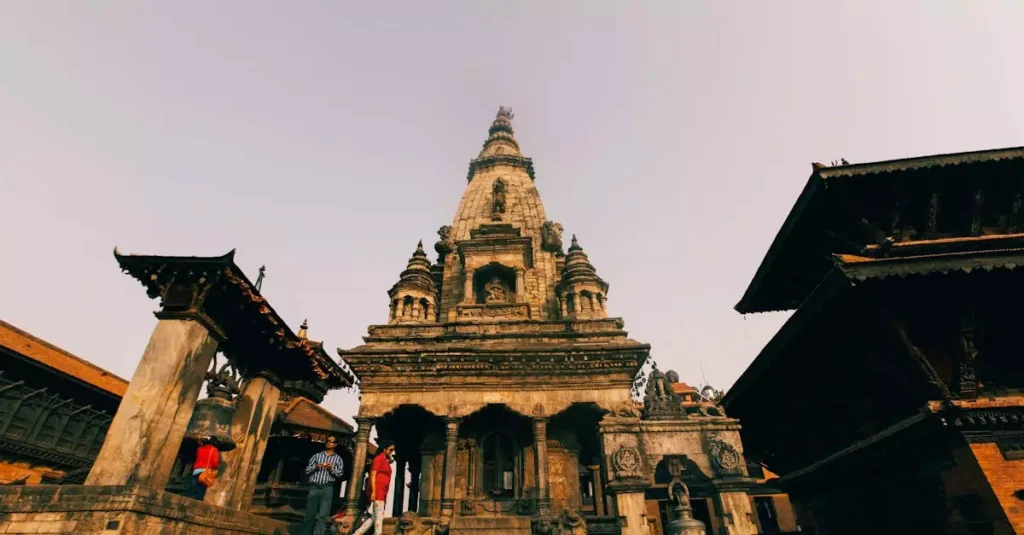
Introduction to Your Nepal Daily Budget Breakdown Tourist Guide
Planning a trip to the Himalayas is easier when you have a clear nepal daily budget breakdown tourist guide to steer your spending. Nepal draws visitors with towering peaks and centuries-old traditions, and many travelers spend a few days in Kathmandu visiting temples before heading out on the trails. Whether you prefer hostels or pampering, understanding typical costs makes a big difference. Below you’ll find a practical look at what money youll need to enjoy Nepal comfortably in 2026.
Nepal’s price range is wide: budget dorms sit alongside upscale resorts, and most travelers find their dollars go farther than in Europe. Still, extra charges such as trekking permits, internal flights, and equipment rentals can quickly inflate your totals. Getting familiar with the Nepalese Rupee helps when bargaining in markets, and carrying some cash is wise for small purchases where cards arent accepted.
This nepal daily budget breakdown tourist article digs into typical expenses from food and lodging to transport and permits. We compare costs in hubs like Kathmandu and Pokhara and explain what to expect on remote trails. Use these realistic figures to plan your trip so you can focus on the scenery rather than the finances.
Understanding the Nepal Daily Budget Breakdown Tourist Categories
To plan effectively, separate your options into clear nepal daily budget breakdown tourist categories. Travelers on a tight budget commonly spend $25$35 per day, covering basic guesthouses and local meals such as Dal Bhat. Mid-range visitors usually allocate $50$80 a day to afford nicer hotels, private transport, and occasional Western dishes. At the top end, luxury travelers often spend more than $150 daily for boutique stays and premium services.
The history and geography of Nepal play a major role in pricing. Supplies to remote mountain settlements must be transported by porters or animals, which pushes costs up compared with city prices. Kathmandu offers options at every price point, but as you climb higher bottled water and snacks become significantly priciera bottle might be $0.25 downtown and $3.00 near the passes. Factor these variations into your daily budget plan.
Timing affects your expenses, too. Spring and autumn are peak trekking seasons, and accommodation rates can rise by roughly 20 percent while flights to places like Lukla get harder and costlier to book. Traveling in monsoon or winter may score you discounts, but the weather can limit visibility and trail access. Weigh seasonal cost savings against the conditions you want for your trip.
Accommodation Costs in Kathmandu and Beyond
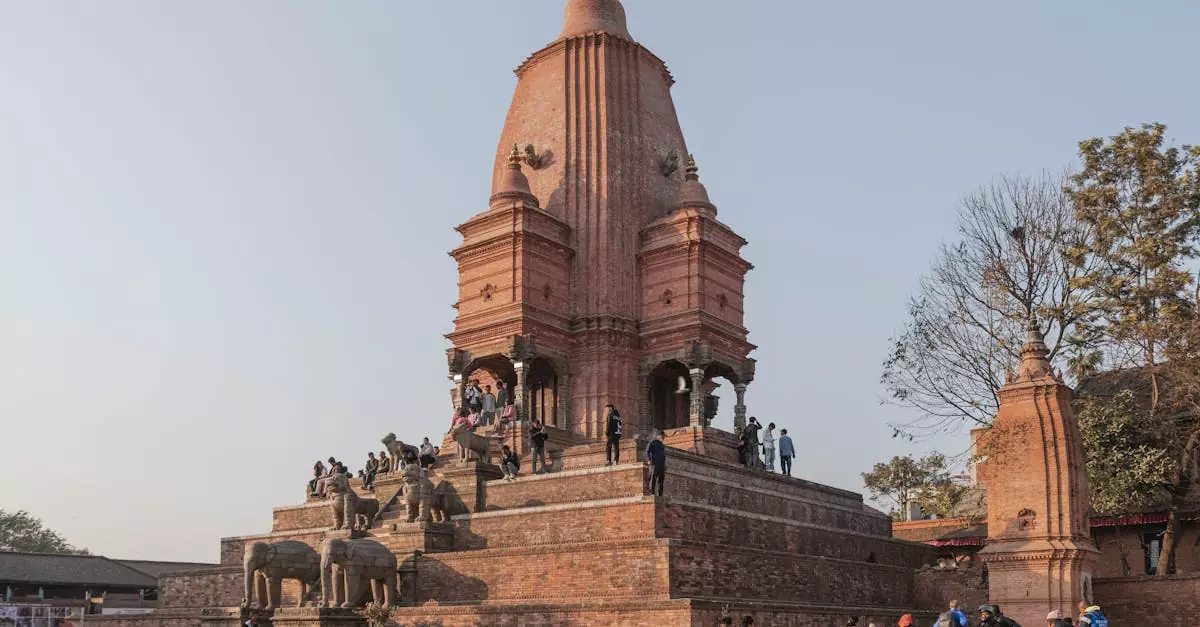
Where you sleep makes up a large portion of your nepal daily budget breakdown tourist plan. In Kathmandus Thamel neighborhood you can grab a dorm bed for $5$8 a night; these hostels usually include WiFi and a lively common area. Private mid-range rooms typically run $25$45 and often include AC and breakfast. High-end hotels in the city range from about $100 to $300 per night for greater comfort and amenities.
Outside the cities, teahouses replace hotels on popular routes like the Annapurna Circuit. These lodges offer very basic twin rooms; in lower elevations a room may cost as little as $5 if you eat at the teahouse. At higher altitudes services such as hot showers ($3$5) or phone charging ($2) carry extra fees even though room rates remain modest. Budget for these small but frequent charges during treks.
Check the official Nepal Tourism Board for the latest lodge rules and fixed-price areas intended to protect travelers. In lakeside Pokhara, expect to pay a premium for rooms with viewswell-appointed guesthouses often run around $30 per night. Always read recent reviews for cleanliness and safety, and book ahead for peak months like October and November.
Daily Food and Drink Expenses for Travelers
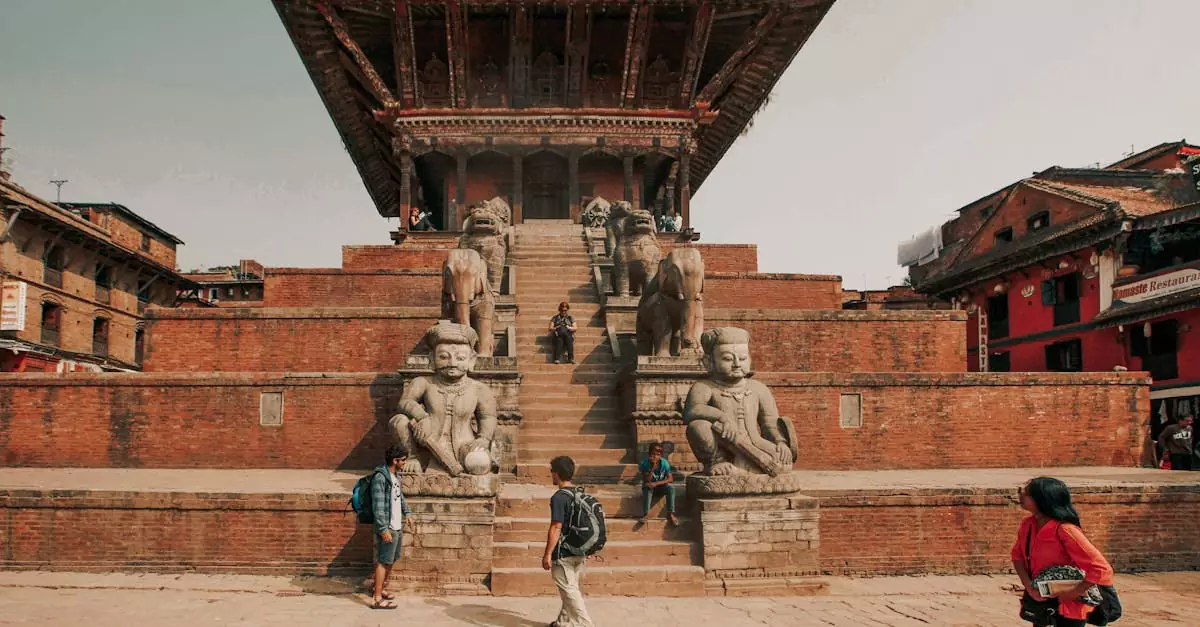
Food often becomes a highlight of any trip to Nepal, and most travelers budget $15$25 per day for meals. The staple is Dal Bhatrice with lentils and vegetablestypically $3$5 at local eateries, and many places offer free refills of rice and soup, making it a filling and economical choice for trekkers. Another cheap favorite is mo:mo (dumplings), usually about $2 a plate.
If you lean toward international cuisine, Kathmandu has many cafes and restaurants. Expect wood-fired pizza or pasta dishes to cost $8$12, while a good latte is around $2.50. Alcohol is taxed heavily: a large local beer like Everest or Gorkha may run $5$7 in a restaurant. Budget travelers tend to stick to tea or local soft drinks to keep daily spending down.
The Nepal tourism website posts advice on food safetydrink filtered or boiled water and consider a reusable bottle with a filter to avoid frequent bottled-water purchases, saving about $2 per day. Food prices rise with altitude because everything gets carried up; a simple pasta at 4,000 meters could cost $10. Pack energy-dense snacks like nuts or chocolate before you head out to keep costs manageable on the trail.
Transportation Costs: Getting Around Nepal
Transport is another key element of your nepal daily budget breakdown tourist approach. Local buses are the cheapest intercity option; Kathmandu to Pokhara takes roughly 79 hours and costs $6$10, though these rides can be crowded and slow. Many travelers opt for ‘Tourist Buses’more comfortable coaches with ACat $15$25 that usually stop at cleaner restaurants en route.
For speed, domestic flights cut travel time dramatically: Kathmandu to Pokhara is about 25 minutes, but fares for foreigners typically run $100$125. Private cars and jeeps are available for those traveling in small groups; for example, a private jeep to Besisahar might cost $100$150. Inside Kathmandu metered taxis exist but drivers often prefer agreed faresplan on $5$10 for most intra-city trips.
The following table shows a quick comparison of common transport costs in Nepal:
| Transport Type | Route Example | Estimated Cost (USD) | Travel Time |
|---|---|---|---|
| Local Bus | Kathmandu to Pokhara | $7 – $10 | 8-10 Hours |
| Tourist Bus | Kathmandu to Pokhara | $15 – $25 | 7-8 Hours |
| Domestic Flight | Kathmandu to Lukla | $180 – $210 | 35 Minutes |
| Private Taxi | Within Kathmandu | $5 – $15 | 30-60 Minutes |
Knowing how tourism in Nepal affects schedules can save frustration. Mountain roads are often rough and seasonal weather leads to delays; landslides during monsoon season can block highways for hours. Domestic flights are also subject to cancellations due to clouds or wind, so build buffer time into itineraries and be prepared for shifting plans.
Trekking Costs: Permits, Guides, and Gear
Trekking usually makes up a significant portion of any nepal daily budget breakdown tourist total. Most treks require a TIMS card plus a National Park permittypically around $20$30 combinedthough restricted regions like Upper Mustang can carry much higher fees (around $500 for a ten-day permit). Since 2023, hiring a registered guide on many routes is mandatory, both for safety and to support local livelihoods.
Expect to pay $25$40 per day for an experienced trekking guide; that fee covers their wages, food, and insurance. Porters, who can carry up to 20kg, cost about $20$30 per day and are often shared between two hikers to cut expenses. Local staff are invaluable for navigation, finding trusted teahouses, and handling emergencies, making them worth the daily outlay.
Renting gear in Kathmandus Thamel neighborhood is a cost-effective alternative to buying. Quality sleeping bags, down jackets, and other equipment rent for $1$3 per item per day, saving luggage space and expense. Always inspect rented or inexpensive local gearcheck zippers and warmth ratingsbecause counterfeit-brand items vary widely in quality.
Pros and Cons of Budget Travel in Nepal
There are real benefits to traveling cheaply in Nepal, but some trade-offs as well. On the upside, lower daily costs let you stay longer and dive deeper into local lifeeating at street stalls, staying in modest guesthouses, and meeting fellow travelers in hostel common areas. Budget methods also make it easier to find affordable trekking gear rentals.
- Pro: Very affordable food and local accommodation.
- Pro: Rich cultural immersion in local neighborhoods.
- Pro: Easy to find budget-friendly trekking gear rentals.
- Con: Local transport can be slow, uncomfortable, and dusty.
- Con: Basic guesthouses may lack consistent hot water or electricity.
- Con: Limited luxury amenities in remote mountain regions.
That said, budget travel demands flexibility. Expect intermittent hot water, patchy internet, and bumpy buses without toiletsissues that can test travelers on tight schedules. Sometimes it makes sense to spend a little more on a private room or a faster bus to stay rested and healthy for long hikes. Striking a balance between saving and comfort yields the best experience.
Practical Tips for Saving Money in Nepal
To keep your nepal daily budget breakdown tourist low, follow a few practical habits. Eat local staples like Dal Bhatfilling, nutritious, and inexpensive. Carry water purification tablets or a filtered bottle to avoid buying dozens of plastic bottles. Haggling politely in markets is expected, especially when buying several items.
Travel during shoulder seasons such as late September or early June to find lower prices and fewer crowds; hotels are more negotiable when not full. Use local SIMs from Ncell or Nepal Telecom for affordable data instead of relying on hotel WiFi. In Kathmandu, consider walking short distances to discover hidden temples and shops youd miss in a taxi.
One practical warning: never skimp on safety. Purchase travel insurance that covers high-altitude trekkingan emergency helicopter evacuation can exceed $5,000 if you suffer altitude sickness. Tip guides and porters fairly at trips end; a common guideline is about 15 percent of the total trekking cost. Including these expenses in your budget supports local people and keeps your trip responsible.
Frequently Asked Questions About Nepal Travel Costs
What is the average daily cost for a solo traveler in Nepal?
A solo traveler should plan for roughly $30$40 per day for a hostel bed, three local meals, and local transport. If trekking, expect that daily average to rise thanks to permits, guide fees, and higher trail prices.
Is it expensive to eat out in Kathmandu?
Dining out in Kathmandu is generally affordable. Local meals usually cost under $5, while dinners at mid-range restaurants run $10$15. Youll find a wide selection of cuisinesIndian, Chinese, Italianacross different price levels.
How much should I budget for trekking permits?
For standard routes like Everest or Annapurna, budget about $50$60 for permits, including TIMS and National Park fees. Special or restricted-area permits are significantly pricier and often require arranging travel through an agency.
Can I use credit cards in Nepal?
Credit cards are accepted at major hotels, upscale restaurants, and larger shops in Kathmandu and Pokhara, but cash is essential elsewhereespecially in rural and trekking areas. City ATMs usually charge a fee for international withdrawals.
How much do domestic flights cost in Nepal?
Domestic flights for foreign visitors generally range from $100 to $200 one way. Routes to popular trekking gateways like Lukla tend to be among the most expensive, so booking early helps during peak season.
Conclusion: Final Thoughts on Your Nepal Daily Budget
Managing your nepal daily budget breakdown tourist is the first practical step toward a memorable Himalayan journey. Nepal remains an affordable destination for those who want both culture and mountain scenery. By understanding typical expenses for food, lodging, transport, and permits, you can plan a trip that fits your finances without compromising safety. Whether wandering Kathmandus alleys or trekking toward high passes, thoughtful budgeting ensures your focus stays on the experience. Start planning now and get ready to explore the roof of the world in 2026.