Introduction to Planning Your Nepal Trip
Nepal attracts travelers for its towering peaks and rich cultural tapestry. Planning your nepal travel cost for 7 days helps you arrive with clear expectations about spending. This piece breaks down everyday expenses food, lodging, and transport and offers practical ways to trim costs without missing out on experiences. With clearer numbers in hand, you can focus on enjoying the trip rather than worrying about money.
For many years Nepal had a reputation as a budget backpacker destination, but that image no longer tells the whole story. Major cities now host luxury hotels and fine dining alongside inexpensive guesthouses. How much you spend for a nepal 1 week budget depends entirely on your travel style: frugal, comfortable, or indulgent. The sections ahead map out options across that spectrum so you can pick what fits your plans and pocket.
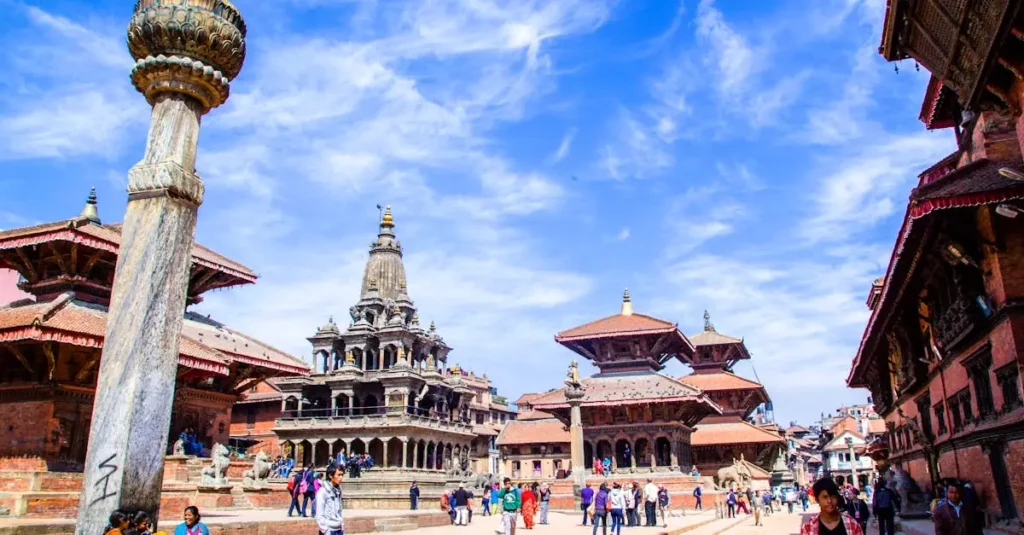
Kathmandu is a common first stop and a lively introduction to the countrys history and daily life. Ancient temples, bustling bazaars and street food stalls create a memorable urban backdrop before heading to hills or lakes. Below are detailed cost estimates relevant for 2026, aimed at travelers who want value and clarity when setting their budgets.
Understanding Your Nepal 1 Week Budget
Setting a nepal 1 week budget means accounting for several fixed and variable items. A 15-day tourist visa is roughly $30 in 2026 and can be obtained on arrival at Kathmandus airport. Factor in arrival transport: a taxi from the airport to Thamel typically runs $7$10. Planning your route carefully across the diverse geography of Nepal will help you estimate intercity travel and timing.
Daily spending varies by lifestyle. Expect $30$50 per day for a comfortable, mid-range experience that includes three meals and some sightseeing. Budget travelers can sometimes manage on about $20 daily by choosing hostels and local eateries. Those seeking luxury should plan for $150 or more per day to cover upscale hotels and private transport. A mix of cash and cards is the most practical payment approach.
Dont forget contingency funds. Travel insurance for a week typically costs between $50 and $100 and is highly recommended, especially if you plan to trek. Medical care can be expensive if you need it. Carry some Nepalese Rupees since many small vendors wont accept cards. Having a little extra tucked away prevents stress and keeps your trip running smoothly.
Daily Expenses and Nepal Travel Cost for 7 Days
Daily habits shape most of the nepal travel cost for 7 days. Local meals dominate the food bill: a generous plate of Dal Bhat generally costs $3$7, while Western-style items like pizza or pasta in tourist neighborhoods run $8$12. Bottled water is inexpensive at about $0.50 per liter, though a refillable bottle and filtered refills keep both costs and plastic waste down. Check the Nepal Tourism Board for the latest entry requirements and updates before you go.
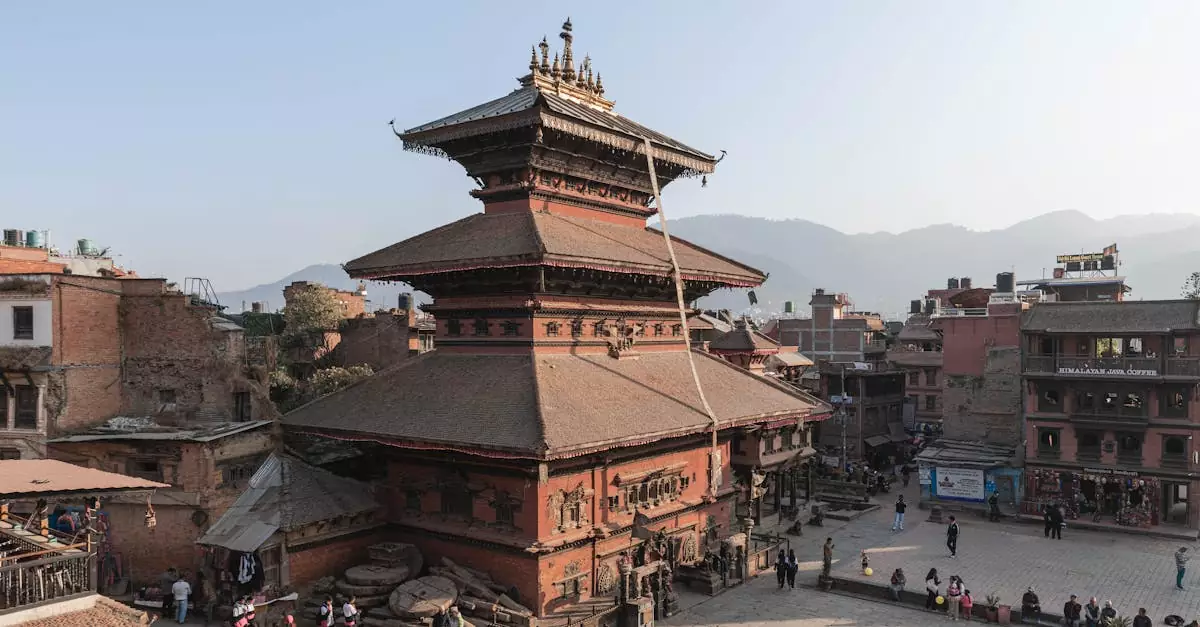
Getting around Kathmandu is generally inexpensive. Short taxi rides cost about $3$5, and ride-hailing services like Pathao can offer competitive fares. Public buses are cheaper still, usually under $0.50, though they tend to be crowded and slow. Walking around neighborhoods such as Thamel is free and often the best way to stumble upon hidden cafs and shops.
Entrance fees to cultural sites add up quickly if you plan to visit several in a day. Expect to pay around $10 for Kathmandu Durbar Square and roughly $2 for Swayambhunath. If you visit a few attractions, budgeting $20 a day for tickets is sensible. Most sites prefer payment in local currency at the gate, so have enough cash on hand for admissions.
Accommodation Options Across Major Cities
Accommodation choices in Nepal range from basic dorms to upscale hotels. In Kathmandus Thamel district, dorm beds cost about $5$10 per night and are great for meeting other travelers. Mid-range hotels typically fall between $30 and $60 and often include breakfast and free WiFi. Luxury properties command $120$250 per night in major urban centers.
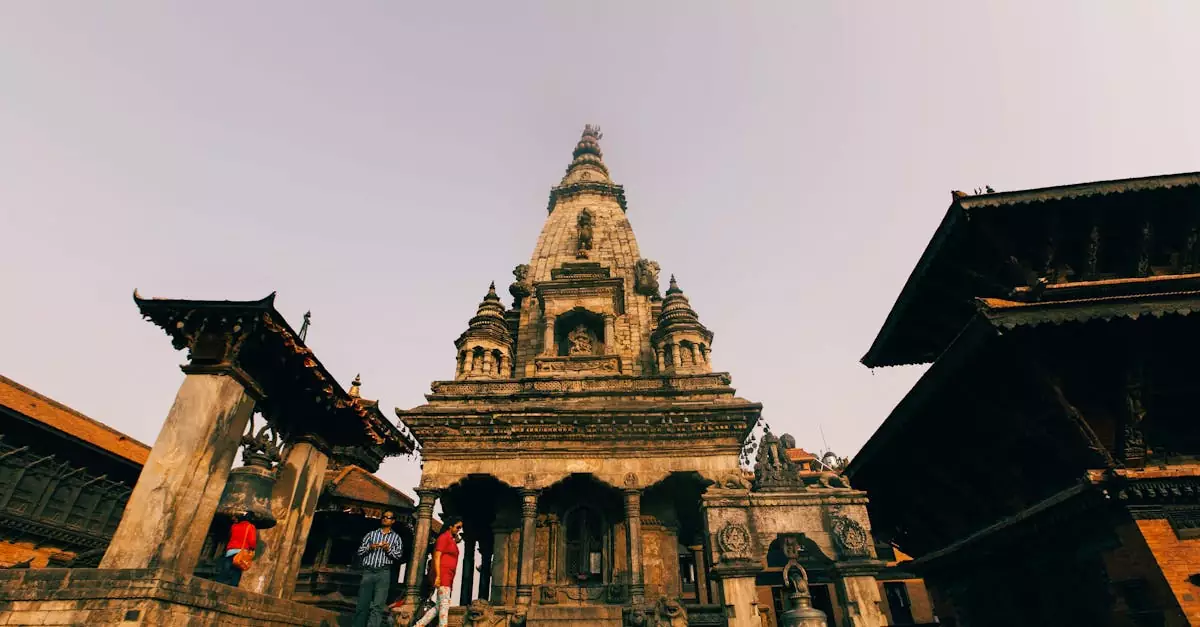
Pokhara, especially around Lakeside, offers similar pricing to Kathmandu with the bonus of lake and mountain views. A comfortable mid-range room there averages about $40, though rates climb during peak season. Booking ahead usually secures better locations and deals, and many properties offer discounts for extended stays or early reservations. The official tourism site is useful for festival dates and hotel listings.
Chitwans jungle lodges often sell stay-and-safari packages where meals and activities are bundled together. A two-night package typically ranges from $150 to $300, covering accommodation, food and guided jungle tours. That predictability can simplify your nepal travel cost for 7 days, but always confirm whether park entrance fees or special jeep drives are extra before you book.
Adventure and Activity Costs in Nepal
Adventure options are a major draw and can quickly inflate your budget. Scenic flights to view Mount Everest cost about $200 for a roughly one-hour trip from Kathmandu and remain a popular splurge. Paragliding in Pokhara runs around $70$90 for a 30-minute tandem flight and delivers spectacular aerial views.
Trekking requires permits and typically some paid support. TIMS and national park fees add up to roughly $40$50 for short treks. Hiring a guide is advisable for many routes and usually costs $25$35 per day; porters run about $20 per day. Guides provide safety, route knowledge and cultural interpretation that many trekkers find well worth the expense.
Cultural activities are generally more budget-friendly. A private full-day tour of Kathmandu with a car and guide costs in the $50$70 range and can be split among companions. Hands-on experiences like cooking classes or pottery workshops typically charge $20$30 and offer memorable ways to connect with local life. Pick activities that excite you and ignore the pressure to do everything on offer.
Transportation Costs Between Cities
Intercity travel choices shape a large portion of your nepal travel cost for 7 days. Tourist buses from Kathmandu to Pokhara cost about $10$25 and take 79 hours depending on road conditions. These buses are often comfortable, sometimes include lunch, and provide scenic views of the countryside along the way.
Flying cuts travel time dramatically: domestic flights between Kathmandu and Pokhara last roughly 25 minutes and usually cost $100$150 for international travelers. Bear in mind that mountain weather can cause delays, so weigh whether saving time is worth the potential disruption. A common strategy is to bus one way and fly the other, combining savings with convenience.
Private car hires are available for those seeking flexibility. A private vehicle between Kathmandu and Pokhara runs about $120$150 and suits families or small groups who want to stop en route. Inside cities, taxis are the norm; always negotiate fares ahead of time if meters are not used, or ask your hotel for the fair local rate to avoid overpaying.
Comparison Table of Travel Styles
This comparison table shows the estimated nepal 1 week budget for different travel styles. The figures are per person for seven days and cover accommodation, food and basic transport, but exclude international flights. Use these numbers as a starting point seasonal changes and personal choices will alter final totals.
| Category | Budget Traveler | Mid-Range Traveler | Luxury Traveler |
|---|---|---|---|
| Accommodation | $70 | $350 | $1,000 |
| Food & Drinks | $100 | $210 | $450 |
| Transport | $50 | $150 | $400 |
| Activities | $50 | $200 | $500 |
| Total for 7 Days | $270 | $910 | $2,350 |
These ranges show how differently a week can add up. On a shoestring, its possible to spend under $300 by using hostels and local meals. A comfortable mid-range trip tends to be around $900, allowing for nicer rooms and a few domestic flights. Travelers seeking luxury often exceed $2,000 for premium accommodations and private services. Decide what balance of cost and comfort suits you before booking.
Pros and Cons of Visiting Nepal in 2026
Traveling to Nepal in 2026 brings clear advantages: expanding infrastructure, friendlier connections between destinations and timeless natural beauty. Locals are widely recognized for their hospitality, and the landscape ranges from soaring peaks to lush lowland jungles. Still, some practical drawbacks deserve attention before you finalize plans.
- Pros: Very affordable for most international travelers.
- Pros: Incredible mountain scenery and cultural heritage.
- Pros: Wide variety of activities for all fitness levels.
- Cons: Road construction can cause long traffic delays.
- Cons: Air pollution in Kathmandu can be high in winter.
- Cons: Flight schedules are often affected by mountain weather.
Ongoing road work in 2026 can significantly slow journeys; a 200 km trip might take eight hours during construction. City dust and occasional poor air quality have travelers reaching for masks, especially in dry months. Most visitors find the positives outweigh these hassles, but a patient mindset and flexible itinerary make travel more enjoyable.
Practical Tips for Saving Money
There are simple ways to shrink your nepal travel cost for 7 days. Eating local is the easiest: Dal Bhat delivers excellent value and keeps you fueled for long days of sightseeing. Move away from the tourist strip if you want cheaper meals, and refill a reusable bottle using filtered water provided by many guesthouses.
Learn to bargain with politeness in markets and for taxis; asking for a better price is expected and often rewarded. Rely on transport apps such as Pathao or InDrive for transparent fares on bike and car taxis they help protect your budget and prevent overcharging. These tools are practical additions to any plan for a nepal 1 week budget.
Travel during shoulder seasons to find lower rates: October and April are the busiest months, while March and November often offer good weather with fewer crowds and better deals. Sharing guides or drivers with other travelers you meet can also cut costs small savings on each day quickly add up across a week.
Frequently Asked Questions
Is Nepal expensive for tourists?
Nepal is generally inexpensive compared with Western countries. You can travel comfortably on a modest budget, but luxury accommodations and adventure activities raise overall costs rapidly.
How much cash should I carry for a week?
Carrying about $300$500 in local currency for a week is a sensible baseline. That amount covers daily meals, local transport and small purchases; keeping some US dollars as a backup is also wise.
Do I need to tip in Nepal?
Tipping isnt mandatory but is appreciated. In restaurants, a 10% tip is customary if a service charge isnt already added. Guides and porters typically expect a daily gratuity for good service.
Can I use credit cards in Nepal?
Credit cards work in major hotels, upscale shops and some restaurants in Kathmandu and Pokhara, but many small cafs and rural vendors accept only cash. Always have some Rupees available for daily expenses.
What is the cost of a trekking permit?
Trekking permits vary by region but generally fall between $20 and $50. In addition, a TIMS card costs about $20. These fees support trail maintenance and conservation efforts.
Final Thoughts on Planning Your Nepal Trip
Carefully estimating your nepal travel cost for 7 days is the best way to enjoy the country without financial surprises. The mix of stunning landscapes and warm culture makes Nepal rewarding for travelers of all budgets. Expect the occasional unplanned expense, but view it as part of the journey rather than a setback.
Use the figures and tips above to shape a nepal 1 week budget that fits your priorities, whether you crave rugged adventure or comfortable sightseeing. With a flexible plan and an open mind, 2026 is an excellent time to visit. Pack a sense of curiosity and prepare to be warmly welcomed with a Namaste.