Introduction to Nepal Tourist Visas
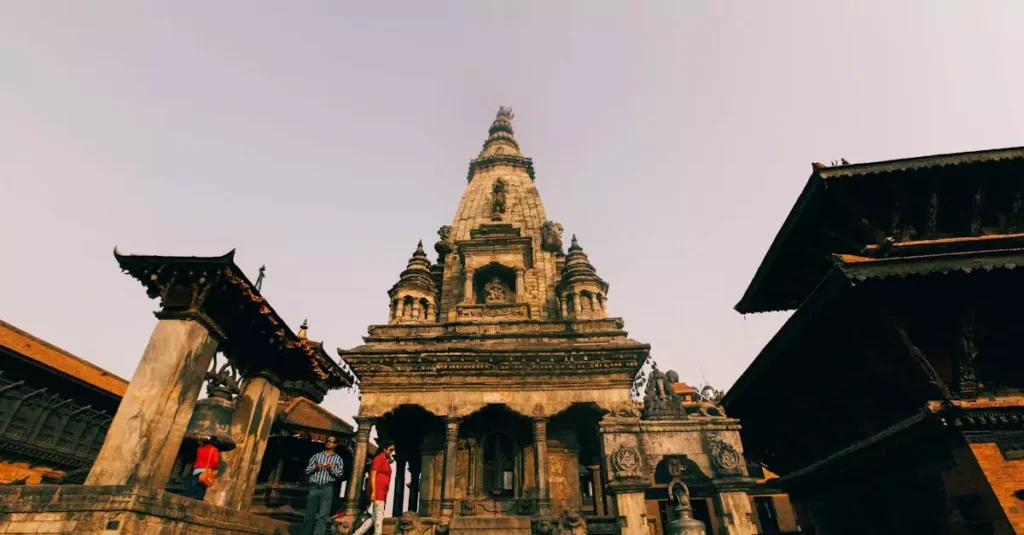
For many, trekking to the Himalayas or wandering Kathmandus winding alleys ranks high on a travel wish list. Before you witness dawn spill light over Everest or stroll past centuries-old stupas, you need to meet Nepals entry rules. The nepal visa cost tourist varies with how long you intend to stay. Fortunately, Nepal maintains a welcoming visa-on-arrival policy for most nationalities, which makes getting into the country relatively simple. Knowing the precise fees and the steps involved ahead of time will make arrival day much less stressful.
Getting organized before your flight pays off once you land at Tribhuvan International Airport. The arrival area can look intimidating with forms and payment booths, but the actual procedure is usually quick if your paperwork is at hand. In 2026 the authorities continue to improve entry procedures to encourage visitors and help local economies. Whether youre on a short trek or planning an extended cultural or spiritual stay, the visa options are flexible enough to suit most itineraries.
This guide lays out the entry fees and rules youll need to know. Below youll find a clear explanation of the current nepal visa fees, the application routes, and practical tips on currency, photos, and reducing wait times. With these details sorted, you can concentrate on Nepals landscapes and traditions instead of paperwork. Now on to the specifics of arriving in this Himalayan nation.
Understanding the Nepal Visa Cost Tourist for 2026
The nepal visa cost tourist applies to nearly all foreign visitorsIndian citizens are exempt under a bilateral arrangement. For others, the charge depends on how long you plan to remain in Nepal. Prices are periodically adjusted to stay competitive within the region, and for 2026 they have held steady with past years. Expect to treat the visa fee as one of your first expenses when you touch down in Kathmandu.
One useful feature is that the visa is issued for multiple entries during its validity. That makes it convenient for travelers who want to hop into neighboring countries like Bhutan or India and return without buying a new permit each time. This flexibility simplifies multi-stop travels across South Asia. Most visitors find the fee modest compared with the unique experiences Nepal offerseverything from legendary trekking routes to sprawling cultural sites.
Keep in mind the visa charge is non-refundable, even if you depart earlier than planned. If your dates are uncertain, purchasing a longer visa at arrival is often the safer choice. You can extend your visa from within Nepal, but that requires a trip to an Immigration Office and can consume hours you might prefer to spend outdoors. Picking the right duration from the outset helps avoid unnecessary interruptions to your trip.
Detailed Breakdown of Nepal Visa Fees by Duration
The current schedule of nepal visa fees is split into three main durations. A short stay of up to 15 days costs $30 USDhandy for quick city visits or brief treks around Annapurna. A 30-day visa runs $50 USD, a popular choice for trekkers aiming for Everest Base Camp or exploring Chitwans jungles. For longer stays, a 90-day visa is available at $125 USD, giving plenty of time for in-depth travel and multiple treks.
Payments at the airport are accepted in major foreign currencies. USD is the most reliable, though Euros, Pounds, and Swiss Francs are sometimes accepted. Using crisp, recent US dollar notes reduces the chance of problems at the counter, since torn or very worn bills can be refused. Factoring the visa into your overall average Nepal travel cost will help you plan your budget and keep a little extra cash handy for arrival expenses.
Children under 10 enter free on a tourist visa, which makes Nepal an appealing family destination. Citizens of most SAARC countries (except Afghanistan) can receive a free 30-day visa once per calendar year, a policy that boosts regional tourism. Chinese nationals may qualify for fee waivers under certain bilateral arrangements; check current rules before you travel to confirm any exemptions that might apply to you.
Step-by-Step Guide to Applying for Your Nepal Tourist Visa
Visa preparations begin before you board your flight. You can either apply online ahead of time or use the visa-on-arrival service. The online form is available through the Nepal Tourism Board or the official immigration portal and requires a digital passport photo and your passport details. After submission you receive a printable confirmation with a barcodebring that printout to streamline things at the airport.
If you opt for visa on arrival, electronic kiosks in the arrivals hall will capture your passport information and a digital photo. The kiosk prints an application form, which you then take to the payment counter to settle the nepal visa cost tourist in cash. Present the receipt at immigration and the officer will affix the visa sticker. The system moves quickly most of the time, though delays can occur when multiple international flights arrive simultaneously.
Ensure your passport has at least six months validity from your entry date and one blank page for the visa sticker. Even though kiosks take digital photos, carrying two spare passport photos is wise in case of technical problems. A pen is handy for filling out any arrival card you receive on the plane. These small preparations help you get through the arrival process with less hassle.
Pros and Cons of On-Arrival vs. Online Application
Your choice between pre-applying and using the on-arrival kiosks comes down to convenience and how you prefer to manage uncertainty. Completing the online application before you leave saves time at the airport because you can proceed directly to the payment counter with your printed receipt. That can be a relief after a long flight, but be aware the online submission remains valid for only 15 daysapply too early and you may need to redo it.
Visa on arrival works well for travelers who like flexibility and dont want to fuss with uploads or printing. You can handle everything at the airport, provided youre prepared for possible queues. During the spring and autumn trekking peaks, waits at the kiosks can stretch beyond an hour. The official tourism site (nepaltourism.org) posts helpful updates about airport conditions and any procedural changes.
Another practical consideration is the occasional unreliability of airport internet or power. If kiosks or the online portal glitch, having a pre-filled form acts as a useful backup. Conversely, some visitors find the online portal difficult to use or experience errors when uploading photos, in which case the on-arrival option is a dependable fallback. Either route leads to the same visa; choose based on whether you prioritize time savings or last-minute flexibility.
Pros and Cons Section
- Pro: Multiple Entry Included – All tourist visas allow you to leave and re-enter Nepal within the validity period without extra charges.
- Pro: Easy On-Arrival Process – Most nationalities can get their visa in minutes using the airport kiosks.
- Pro: Kids Stay Free – Children under 10 do not pay the visa fee, saving money for families.
- Con: Cash Only Preference – While some card machines exist, they often fail, making cash the only reliable payment method.
- Con: Peak Season Queues – Waiting times can be long during October and November when thousands of trekkers arrive.
- Con: Strict Currency Rules – Using old or damaged bills can lead to rejection at the payment counter.
Comparison of Visa Costs and Extension Policies
If you need more time, extensions are possible through the Department of Immigration offices in Kathmandu or Pokhara. The minimum extension is 15 days and costs $45 USD; beyond those 15 days the charge is $3 USD per day. Because extensions can be pricier than buying a suitably long visa at the outset, it often makes financial sense to purchase the duration you expect to need when you first arrive. For example, a 15-day visa plus a 15-day extension totals $75, while a 30-day visa costs $50.
Tourist visitors may remain in Nepal for up to 150 days within a single calendar year. That 150-day allowance resets on January 1, so some long-term travelers plan arrivals and departures to maximize their total time in the country. Be careful not to overstay: fines are $5 USD per day plus an additional processing fee at the Department of Immigration, and you wont be allowed to depart until those charges are settled.
| Visa Type | Duration | Cost (USD) | Best For |
|---|---|---|---|
| Short Term | 15 Days | $30 | Quick city tours and short hikes |
| Medium Term | 30 Days | $50 | Standard treks like EBC or Annapurna |
| Long Term | 90 Days | $125 | Deep exploration and multiple treks |
| Extension | Min 15 Days | $45 | Unexpected changes in travel plans |
Essential Tips for a Smooth Entry into Kathmandu
To reduce hassles on arrival, bring several hundred US dollars in cash. ATMs sit beyond immigration, so they arent helpful for paying your visa fee. While a small exchange booth exists before the counters, its rates are often unfavorable. Having the correct amount of USD for the nepal visa fees lets you skip the exchange and head straight to the payment line.
Expect a busy and sometimes chaotic atmosphere at Tribhuvan International Airport. Watch for signs directing you to “Visa on Arrival” and the electronic kiosks. If you applied online, look for the line for pre-paid or online applicants. Airport staff are usually willing to point you in the right direction if you askmisreading the queues can cost a lot of time.
Keep your travel papers easily accessible: passport, printed visa confirmation if you have one, and proof of insurance. Insurance may not always be checked for the visa itself but is typically required for trekking permits later. Staying organized will get you through immigration faster and into a taxi sooner, so you can begin exploring Kathmandus lively streets.
Understanding Additional Costs Beyond the Visa Fee
The visa is only the first of several expenses you should plan for. Trekkers need a TIMS card and national park permitsSagarmatha National Park for Everest trekkers typically costs around $30 USD. These fees are separate from the nepal visa cost tourist and must be obtained via a licensed trekking agency or at the tourism office in Kathmandu.
Airport-to-city transport is another immediate cost: a pre-paid taxi into Thamel generally runs 7001,000 Nepalese Rupees (roughly $5$8 USD). Using the pre-paid counter is usually safer than negotiating outside the terminal. Buying a local SIM card at the airport for a few dollars will give you data and local calling, which makes arranging rides and contacting guides much easier.
Tipping is customary across Nepals tourism sector. While not strictly required, gratuities for guides, porters, and drivers are expected and form an important part of local incomes. Including these modest extras in your budget, along with permits and daily expenses, will keep your trip running smoothly without financial surprises. Nepal remains affordable, but planning for these additional costs is sensible.
Practical Tips Section
- Reality Check: The airport Wi-Fi is notoriously unreliable. Do not count on it to access your online visa application or hotel address. Print everything on paper.
- Important Tip: Bring a portable power bank. The kiosks at the airport can sometimes be slow, and you don’t want your phone to die if you need to show digital documents.
- Important Tip: Always check your visa sticker before leaving the immigration desk. Ensure the dates and your passport number are correct to avoid issues when you depart.
- Currency Note: While USD is best, the airport payment counter usually accepts major currencies like AUD, CAD, and JPY, but they may give change in Nepalese Rupees.
Frequently Asked Questions About Nepal Visas
Can I pay the nepal visa cost tourist with a credit card?
Card readers exist at the payment booths but are often unreliable or unable to process some international cards. Bringing the exact amount in USD cash is the most dependable option to avoid delays at Tribhuvan International Airport.
How long does the visa-on-arrival process take?
Processing time ranges from about 20 minutes to more than an hour depending on arrival volume and season. During peak trekking months queues lengthen considerably, so arriving with a pre-filled online form can speed things up.
Can I get a tourist visa at land borders?
Yestourist visas are available at several land crossings with India and at the Tibet (China) border. The nepal visa fees charged at land posts match those at the airport, but you will need physical passport photos since kiosks are typically not provided at these locations.
Is the tourist visa valid for all of Nepal?
The tourist visa permits travel across most of Nepal, including major cities and trekking regions. Some border zones and ecologically sensitive areas are classified as Restricted Areas and require additional permits beyond the standard tourist visa.
What happens if I overstay my visa in Nepal?
Overstaying triggers fines of $5 USD per day plus a mandatory processing charge, and you must pay these at the Department of Immigration before you can leave. Extending your visa legally while in Nepal is usually simpler and less expensive than facing overstay penalties.
Conclusion: Planning Your Visit to Nepal
Sorting out the nepal visa cost tourist is one of the first practical steps toward a trip to the Himalayas. With fees set at $30 for 15 days, $50 for 30 days, and $125 for 90 days, you can budget accurately from the start. Whether you complete the online form or use the airport kiosks, being equipped with cash, photos, and the right documents will smooth your arrival and let you focus on exploring.
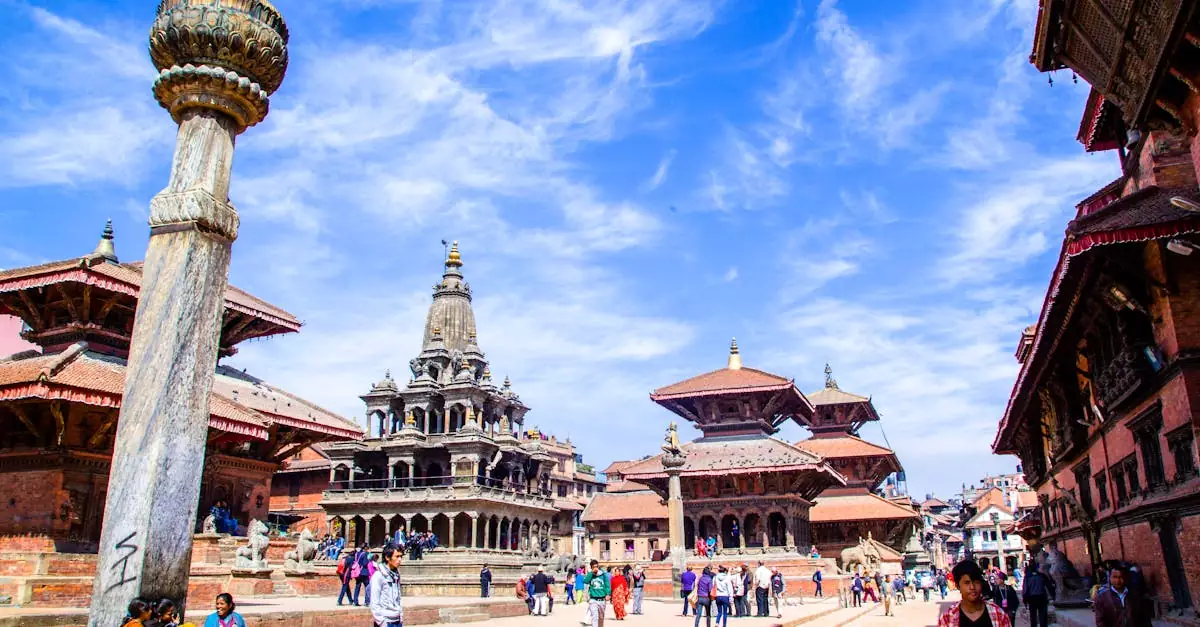
Prepare crisp US dollar bills, have spare photos, and time your application carefully. Those small efforts remove friction at the start of your journey and let you enjoy Nepals vibrant markets, serene temples, and mountain trails. With the administrative details out of the way, every moment in this extraordinary country becomes easier to enjoysafe travels and enjoy the adventure.