
When dreaming about a trip to the Philippines, the first question on many minds is often: What will my philippines trip cost? This stunning island nation, famous for its crystal-clear beaches, rich culture, and warm-hearted people, caters to every type of traveler. Whether you prefer upscale resorts or budget-friendly hostels, your spending will largely hinge on your travel preferences.
This detailed overview breaks down all the expenses you might encounter. From airfare and lodging to daily meals, local transportation, and thrilling activities, it offers a clear picture to help you plan a budget that suits your trip. The aim is to ensure your Philippine adventure is both unforgettable and financially manageable.
No matter if youre embarking on a solo journey, traveling as a couple, or bringing the whole family along, grasping the financial side is essential. This thorough philippines travel cost guide will assist you in anticipating expenses so you can make smart choices for your trip.
Understanding Your Philippines Trip Cost: Key Factors
Your total philippines trip cost hinges on several major elements. These include your style of travel, how long you plan to stay, and which islands you intend to explore. Flights frequently represent the largest upfront expense. Prices for international tickets vary widely based on your departure city and the season you travel. Peak times like Christmas and Holy Week tend to push prices higher. Securing flights months ahead can save a lot, and opting to travel during shoulder seasonsusually from May to November, outside the worst monsoon periodsoften means better rates and fewer tourists.
The choice of accommodation significantly affects your budget as well. The Philippines boasts a range of options, from inexpensive hostels to mid-tier hotels and lavish resorts. Daily costs for food, activities, and getting around can add up quickly. While Manila, the capital, generally has pricier dining and services, it also offers affordable street food that can help stretch your funds. Dont forget to include visa fees if needed, travel insurance, and any shopping or souvenir expenses. Keeping track of these details will help you manage your philippines travel cost guide more effectively.
Accommodation & Food: Daily Expenses
Accommodation costs in the Philippines span a broad spectrum. Budget travelers can find hostel dormitory beds for about 500-800 (roughly $9-$14 USD) each night. Mid-range hotels usually charge between 1,500-3,000 ($27-$54 USD) for private rooms. On the higher end, luxury resorts and premium hotels can start at 5,000 ($90 USD) per night and climb as high as 15,000 ($270 USD) or beyond. Prices tend to be steeper in popular tourist hotspots like Boracay, Palawan, and Siargao. Booking early, especially during busy seasons, is wise to lock in better deals. For a more authentic and often cheaper stay, consider guesthouses or homestays.
Food costs remain quite reasonable throughout the country. A simple meal at a local eatery or ‘carinderia’ generally costs between 100-200 ($1.80-$3.60 USD). Dining in mid-range restaurants usually runs about 300-600 ($5.40-$10.80 USD) per person. For those seeking fine dining experiences in Manila or other large cities, expect to pay over 1,000 ($18 USD) per meal. Street food is both tasty and budget-friendly, with snacks priced as low as 20-50. Sticking to local dishes like adobo, sinigang, and lechon not only enriches your palate but also helps keep your philippines trip cost manageable. While water is inexpensive, its safest to buy bottled water for drinking.

Getting Around: Transportation Costs
Traveling across the Philippines involves a variety of transportation modes, each carrying its own expenses. Domestic flights between islands are a popular and fast choice, with fares typically ranging from 1,500-5,000 ($27-$90 USD) one way, depending on distance and airline. Booking early, especially with budget carriers like Cebu Pacific or AirAsia, usually secures the best rates. Ferries offer a more economical option for island hopping, costing between 300-1,000 ($5.40-$18 USD) for longer trips, while short boat rides between nearby islands can be as low as 50-200.
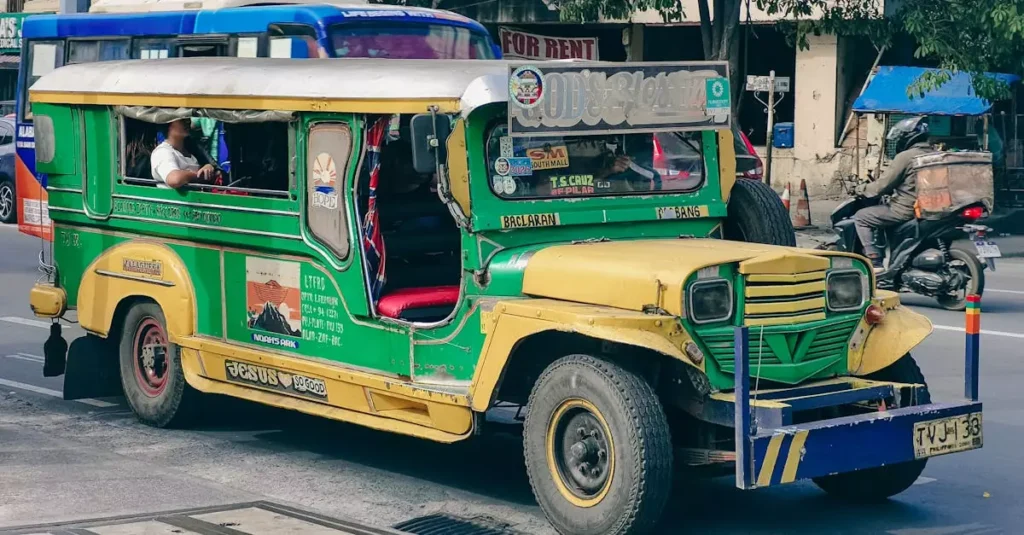
Within cities, jeepneys stand out as the cheapest and most iconic form of public transit, with fares around 13-20 ($0.23-$0.36 USD) per ride. Tricyclesmotorcycles outfitted with sidecarsare common for shorter distances and typically cost 50-150 ($0.90-$2.70 USD). Taxis and ride-hailing services like Grab operate in major urban areas, with fares across Manila ranging from 200-500 ($3.60-$9 USD). Its always best to confirm the price upfront or ensure the meter is running. On smaller islands, renting a scooter for 300-500 ($5.40-$9 USD) per day is a popular way to explore but requires caution on unfamiliar roads. Knowing these options helps you plan your philippines travel cost guide for transportation more accurately.
Activities & Excursions: What to Budget For
The Philippines is packed with exciting activities, from island hopping adventures to diving and cultural tours. These experiences can make a significant dent in your philippines trip cost. Popular island hopping tours in areas like El Nido or Coron usually cost between 1,200-2,500 ($22-$45 USD) per person. These trips often include lunch, snorkeling gear, and multiple stops. Diving is pricier, with a single fun dive running about 1,500-2,500 ($27-$45 USD). If youre interested in certification courses, expect to pay starting around 15,000 ($270 USD).
Entrance fees for national parks, waterfalls, and historic sites generally remain low, ranging from 50-300 ($0.90-$5.40 USD). For example, visiting the Banaue Rice Terraces involves minimal fees, though transport costs can add up. Surfing lessons in Siargao go for approximately 500-1,000 ($9-$18 USD) per hour. Booking tours locally often results in better prices than online reservations, and many offer group discounts. Negotiating fares for private tours or tricycle rides can also save money if done politely. Researching activities beforehand allows you to allocate your funds wisely. For additional budgeting insights, check out a travel budget guide.
Pros and Cons of Different Travel Styles
Your choice of travel style greatly influences your overall philippines trip cost. Backpacking remains the most economical way to explore, involving stays in hostels, sampling street food, and relying on public transportation. This style offers the chance for extended trips and close cultural encounters but sacrifices some comfort and privacy. Moreover, it may require more time spent on transit. Mid-range travel strikes a balance, with private guesthouse rooms, meals at local restaurants, and occasional domestic flights. This approach blends comfort with affordability but still demands mindful budgeting.
Luxury travel focuses on indulgence, including stays at upscale resorts, dining in high-end restaurants, and using private transfers. It guarantees maximum ease and privacy but comes with a much steeper price tag, often shortening the length of your stay. Each style holds its unique appeal: budget travelers value flexibility and social connections, while luxury seekers prioritize comfort and convenience. Deciding what suits you best depends on your priorities. The Philippines accommodates all preferences, making it an adaptable destination for any traveler.
Practical Tips for Managing Your Philippines Travel Cost Guide
Keeping your philippines travel cost guide under control involves smart preparation and practical choices during your trip. Start by booking both international and domestic flights well ahead of time, especially if youre traveling during busy periods. Flight comparison websites can be invaluable for snagging good deals. Flying into smaller regional airports near your destination can also cut costs. Embrace local cuisine by eating at ‘carinderias’ or street food stallsthis not only saves money but also offers an authentic taste of Filipino flavors. Steer clear of tourist-heavy restaurants that often charge premium prices for average food.
Make use of affordable public transportation like jeepneys and tricycles for short trips. For traveling between islands, consider overnight ferries instead of flights; this can save you the cost of a nights accommodation. Be cautious of ATM fees by withdrawing larger amounts less frequently and notify your bank about your travel plans to avoid card blocks. Negotiating prices for tricycle rides or market goods can help keep expenses down, but always do so politely. Finally, traveling during shoulder seasonssuch as May to June or October to Novembercan lead to lower prices and fewer tourists. For broader information, you might find Wikipedias Philippines page helpful.
Philippines Trip Cost: A Detailed Comparison
Being aware of how your philippines trip cost varies with different travel styles is essential for budgeting. The table below outlines average daily expenses for a solo traveler, excluding international airfare but including accommodation, meals, transportation, and moderate activities. Costs can fluctuate depending on location, season, and personal choices. For instance, a budget traveler might spend more if they opt for a diving day, while a luxury traveler might reduce transport costs by staying at an all-inclusive resort.
These estimates reflect current tourism trends and serve as a baseline for planning. Flexibility is key; some days may bring unexpected savings or splurges. Keeping a financial buffer for unforeseen expenses is always wise. This comparison helps clarify what to expect, allowing you to tailor your trip to your desired comfort and budget. For more insights on timing, see our best time to visit guide.
| Category | Budget Traveler (per day) | Mid-Range Traveler (per day) | Luxury Traveler (per day) |
|---|---|---|---|
| Accommodation | 500-800 ($9-$14) | 1,500-3,000 ($27-$54) | 5,000+ ($90+) |
| Food & Drinks | 300-500 ($5-$9) | 800-1,500 ($14-$27) | 2,000+ ($36+) |
| Local Transport | 100-200 ($2-$4) | 300-600 ($5-$11) | 1,000+ ($18+) |
| Activities/Excursions | 500-1,000 ($9-$18) | 1,500-2,500 ($27-$45) | 3,000+ ($54+) |
| Total Daily Estimate | 1,400-2,500 ($25-$45) | 4,100-7,600 ($74-$137) | 11,000+ ($198+) |
Frequently Asked Questions About Philippines Travel
How much money do I need for a 2-week trip to the Philippines?
For a fortnight, budget travelers typically allocate around 20,000-35,000 ($360-$630 USD), not counting international flights. Mid-range travelers should prepare for 57,400-106,400 ($1,030-$1,910 USD). Those opting for luxury can easily spend over 154,000 ($2,770 USD) during the same period.
Is the Philippines expensive for tourists?
The Philippines is widely regarded as an affordable destination, especially when compared to Western countries. How costly it feels depends on your travel habits. Budget travelers will find it very economical, while luxury options align with prices in other global hotspots.
What is the cheapest way to travel between islands?
Ferries and local boats offer the most budget-friendly island transfers. Although slower than flights, these options cost much less. Choosing overnight ferries can also save on accommodation expenses for one night.
Can I use USD in the Philippines?
While some hotels and tourist spots accept US dollars, its best to use the local currency, the Philippine Peso (). Exchange money at reputable banks or authorized changers, and ATMs are common in cities and larger towns.
Is it safe to travel in Manila on a budget?
Traveling cheaply in Manila is feasible with sensible precautions. Stick to busy, well-lit areas and stay alert. Use trusted ride-sharing apps like Grab, especially after dark. Keep your belongings secure and avoid flaunting valuables.
Conclusion: Planning Your Philippines Adventure
Figuring out your philippines trip cost doesnt need to be overwhelming. By carefully considering your travel style and anticipating expenses, you can design a trip thats both remarkable and manageable. The Philippines delivers exceptional value, whether youre marveling at historic rice terraces, diving into pristine waters, or simply soaking up the sun on idyllic beaches. From the lively streets of Manila to the tranquil islands of Palawan, every peso spent leads to a new discovery.
Make sure to include flights, lodging, meals, transport, and activities in your budget. Embracing local culture and cuisine not only saves money but enriches your journey. With this extensive philippines travel cost guide at hand, youll be well-prepared financially and free to focus on crafting unforgettable memories in one of Asias most captivating places. Begin your adventure now!

Our Fact Checking Process
We prioritize accuracy and integrity in our content. Here's how we maintain high standards:
- Expert Review: All articles are reviewed by subject matter experts.
- Source Validation: Information is backed by credible, up-to-date sources.
- Transparency: We clearly cite references and disclose potential conflicts.
Our Review Board
Our content is carefully reviewed by experienced professionals to ensure accuracy and relevance.
- Qualified Experts: Each article is assessed by specialists with field-specific knowledge.
- Up-to-date Insights: We incorporate the latest research, trends, and standards.
- Commitment to Quality: Reviewers ensure clarity, correctness, and completeness.
Look for the expert-reviewed label to read content you can trust.