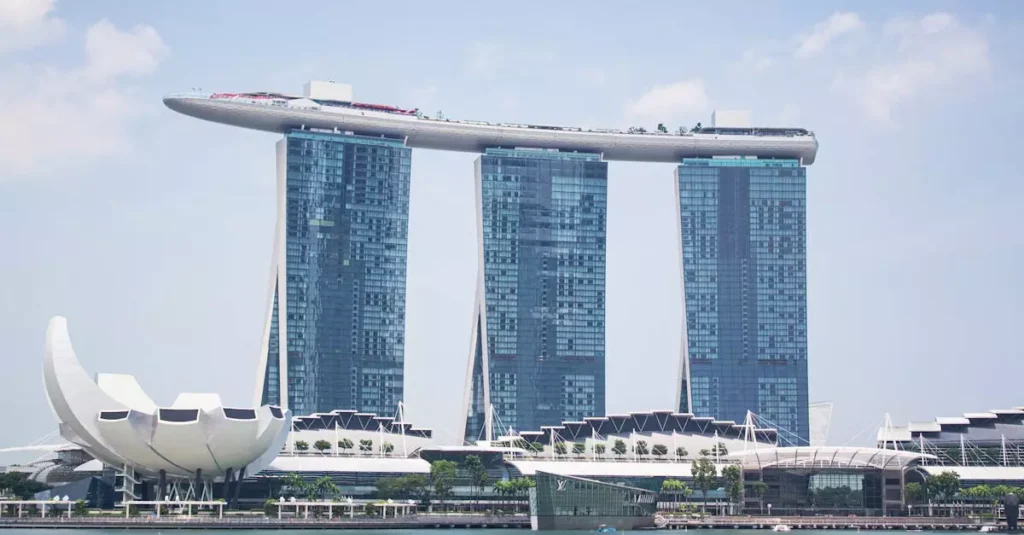
Singapore captivates visitors with its impressive skyline, verdant parks, and a rich tapestry of flavors. It’s a destination many dream about exploring. Yet, a frequent curiosity among travelers is the singapore travel cost per day. This breakdown will clarify what expenses to expect during your stay.
While Singapore often carries a reputation for being pricey, it doesnt have to deter those eager to visit. With thoughtful budgeting, anyone can savor the citys delights without overspending. Here, youll find insights into the costs of lodging, meals, transportation, and activities to help you navigate your trip.
Getting a handle on daily expenses is essential to avoid surprises and enjoy a hassle-free experience. This singapore daily budget guide offers practical advice for managing funds effectively. Whether you’re traveling on a shoestring or indulging in luxury, Singapores unique offerings can fit within your financial plans.
Understanding Singapore’s Travel Budget Landscape
Living expenses in Singapore rank among the highest in the region, which naturally reflects in tourist prices. However, the city balances this with exceptional infrastructure and safety that justify some premium costs. Your spending patterns will largely shape your overall budget. Opting for meals at local hawker centers instead of upscale restaurants, for example, can lead to significant savings. Public transit is another economical choice compared to taxis. By zooming into these details, you can tailor your singapore travel cost per day strategy to suit your needs and still experience both the must-see landmarks and lesser-known treasures.
The city’s reputation for cleanliness and efficient services plays a role in pricing as well. Imported items tend to carry higher price tags, whereas locally sourced goods and services are more reasonably priced. Doing some research before you go will help allocate your budget wisely. Reflect on your travel stylewhether you lean toward luxury or prefer simple comfortsas it strongly influences daily costs. Singapore also boasts numerous free attractions that can help keep expenses down, which well touch upon later.
Accommodation Costs in Singapore
Where you lay your head at night often accounts for the biggest portion of your travel budget. Singapores accommodation scene spans a broad spectrum, catering to every type of traveler. Hostel dorm beds, ideal for solo adventurers or backpackers, usually cost between SGD 25 and SGD 50 per night. Areas such as Chinatown, Little India, and Kampong Glam offer hostels with clean amenities and vibrant atmospheres, all conveniently linked to public transportation and rich cultural experiences.
If you prefer more privacy and comfort, mid-tier hotels typically range from SGD 100 to SGD 250 per night. These hotels frequently feature private bathrooms, air conditioning, and sometimes include breakfast. Popular districts like Orchard Road, Bugis, and Clarke Quay are home to many such hotels, providing easy access to city sights. Securing bookings ahead of time is advisable, especially during busy periods, as rates can climb quickly. Comparing prices across booking sites can also reveal better deals.
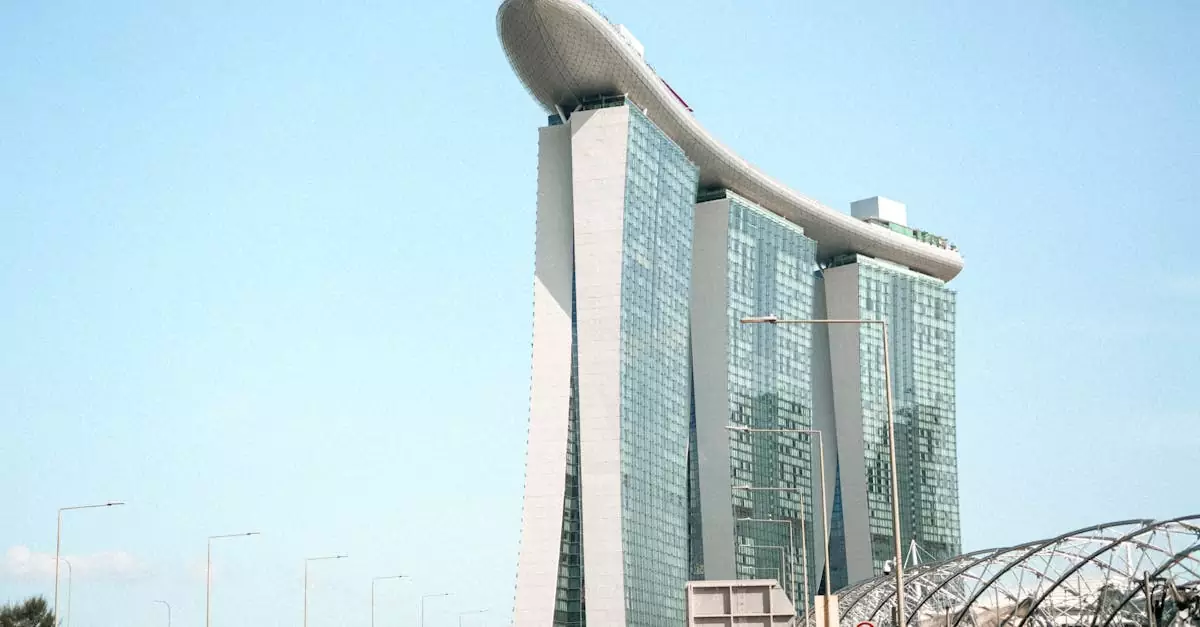
For those seeking indulgence, luxury hotels deliver top-notch experiences complete with lavish facilities. Famous spots like Marina Bay Sands and The Fullerton Hotel offer breathtaking views and amenities such as infinity pools, spas, and a variety of dining options. Nightly rates begin around SGD 300 and can soar past SGD 1000. Splurging on a few nights in such hotels, then switching to a budget option, allows you to enjoy a range of experiences. Whichever accommodation you choose, picking a place near an MRT station will make getting around far easier and more affordable, directly impacting your overall singapore travel cost per day.
Food and Dining Expenses
Food lovers will find Singapore a true haven, with options to suit all budgets. The most cost-effective way to eat is by embracing the hawker center culture. These hubs of culinary delights serve up tasty dishes for around SGD 4 to SGD 8. Classics like Hainanese chicken rice, laksa, and char kway teow are readily available in spots such as Maxwell Food Centre, Lau Pa Sat, and Tiong Bahru Market. Not only are these places affordable, but they also provide an authentic glimpse into Singaporean life.
Stepping up to mid-range restaurants, you can expect to pay between SGD 15 and SGD 30 per person. These venues often offer local favorites alongside international fare in a more comfortable setting. Casual cafes and bistros fall into this category, making them perfect for leisurely meals. Many establishments feature set lunches, combining appetizers, mains, and drinks at reasonable prices. Shopping mall eateries often provide diverse menus suited to varied tastes, helping you keep your singapore daily budget guide balanced.
On the other end, fine dining experiences can be quite costly, with meals ranging from SGD 80 to over SGD 200 per person. Singapore boasts several Michelin-starred restaurants that promise exceptional cuisine and service, ideal for celebrating special moments. Alcohol prices tend to be steep; a beer typically costs SGD 10 to SGD 15 in bars, and a glass of wine runs between SGD 15 and SGD 25. Purchasing drinks from supermarkets or convenience stores to enjoy privately can be a budget-friendly alternative. Staying hydrated is easy and cheap by using tap water or bottled water bought from stores. Remember, restaurant bills usually include service charges and GST, so keep those in mind while budgeting.
Transportation: Getting Around Affordably
The public transport system in Singapore is renowned for its efficiency, cleanliness, and affordability. The MRT train network spans the city, providing the fastest way to travel. Fares typically range from SGD 1.50 to SGD 2.50 per ride. Buses cover routes that MRT trains dont reach and cost about the same. To save even more, consider getting an EZ-Link carda rechargeable stored-value card offering discounted ridesor a Singapore Tourist Pass, which grants unlimited access for 1, 2, or 3 days at prices of SGD 10, SGD 16, and SGD 20 respectively. These options are especially convenient for those planning a packed sightseeing schedule.
Taxis and ride-hailing services such as Grab are readily available and convenient, particularly late at night or when carrying luggage. However, they come with a higher price tagshort trips can cost between SGD 10 and SGD 20, with longer rides and peak hour surcharges pushing prices up. Its wise to check fare estimates before booking Grab rides to avoid surprises. For travelers on a budget, taxis should be reserved for rare occasions rather than regular use. Walking is an excellent alternative for short distances, as many neighborhoods are pedestrian-friendly, offering a pleasant way to explore while saving money.
Cycling presents another enjoyable option, especially in scenic spots like East Coast Park or Gardens by the Bay. Rentals start around SGD 10 to SGD 20 for a few hours. While cycling is fun and active, the MRT remains the best choice for covering longer distances efficiently. Utilizing tools like Google Maps or the MyTransport.SG app can help you plan routes smartly, ensuring you spend less and see more. The city’s integrated transport network is straightforward to navigate, aiding in keeping your singapore travel cost per day manageable.
Attractions and Activities: What to See and Do
Singapore offers an array of attractions catering to diverse interests and budgets. Many of the citys landmarks are free to visit. For example, the outdoor gardens at Gardens by the Bay, including the Supertree Grove with its nightly light shows at 7:45 PM and 8:45 PM, welcome visitors without an entry fee. However, the Cloud Forest and Flower Dome conservatories require tickets priced at SGD 28 for adults. Sentosa Island can be reached free via the Sentosa Boardwalk, but attractions like Universal Studios Singapore charge admissionaround SGD 81 for a day pass. The S.E.A. Aquarium costs approximately SGD 47.
Exploring cultural neighborhoods such as Chinatown, Little India, and Kampong Glam is free and rewarding. These areas are rich with temples, mosques, street art, bustling markets, and local eateries. The National Gallery Singapore charges SGD 20 for general admission, though some parts and outdoor spaces are open at no cost. The ArtScience Museum at Marina Bay Sands typically costs SGD 19 per exhibition. Parks and nature reserves like MacRitchie Reservoir Park offer free access and beautiful trails. These no-cost options provide a meaningful way to soak in Singapores culture while keeping your singapore travel cost per day low.
If you plan to visit several paid attractions, consider purchasing bundled passes such as the Klook Pass Singapore or the Go City Singapore Pass. These packages allow entry to multiple sites for a fixed price, potentially saving money. Always compare the cost of these passes against buying individual tickets to ensure they fit your itinerary. Booking tickets online in advance often unlocks discounts, so checking official websites before your visit is worthwhile. Singapore also hosts numerous free events and festivals throughout the year; keeping an eye on local listings can add extra value to your trip and help maintain your singapore daily budget guide.
Singapore Travel Cost Per Day: A Detailed Breakdown
Estimating the average singapore travel cost per day depends on your travel style. The following breakdown covers typical expenses across accommodation, food, transportation, and activities for various budgets. While these figures are approximate, they provide a useful framework to plan your spending. Thoughtful preparation can help you keep costs manageable.
| Category | Budget Traveler (SGD) | Mid-Range Traveler (SGD) | Luxury Traveler (SGD) |
|---|---|---|---|
| Accommodation | 25 – 50 (Hostel Dorm) | 100 – 250 (3-4 Star Hotel) | 300 – 1000+ (5 Star Hotel) |
| Food | 15 – 30 (Hawker Centers) | 30 – 80 (Casual Restaurants) | 80 – 200+ (Fine Dining) |
| Transportation | 5 – 10 (Public Transport) | 10 – 20 (Public Transport + Occasional Grab) | 20 – 50+ (Grab/Taxi) |
| Activities/Attractions | 0 – 20 (Free & Low-Cost) | 20 – 70 (Mix of Free & Paid) | 70 – 150+ (Premium Attractions) |
| Miscellaneous | 5 – 10 | 10 – 20 | 20 – 50+ |
| Total Per Day (Estimate) | 50 – 120 | 170 – 440 | 490 – 1450+ |
This overview highlights how a budget traveler can comfortably manage with SGD 50 to 120 daily by choosing hostels, eating at hawker centers, relying on public transport, and focusing on free activities. Mid-range travelers might expect to spend between SGD 170 and 440 each day, enjoying hotel comfort, a variety of dining options, and paid attractions. Luxury travelers should prepare for daily expenses starting around SGD 490 and potentially exceeding SGD 1450, covering upscale hotels, fine dining, private transport, and exclusive experiences. Your personal preferences will shape the exact numbers, so always set aside extra funds for unforeseen costs to ensure smooth travels.
Pros and Cons of Visiting Singapore
Pros:
- Safety and Cleanliness: The city is famous for its low crime rates and spotless streets.
- Efficient Public Transport: The MRT and bus systems make getting around simple and quick.
- Diverse Culinary Scene: From affordable hawker fare to Michelin-starred dining, options abound.
- Green City: Parks, gardens, and nature spots are seamlessly woven into the urban environment.
- Multicultural Experience: Vibrant enclaves like Chinatown, Little India, and Kampong Glam showcase cultural variety.
- World-Class Attractions: Landmarks such as Gardens by the Bay and Marina Bay Sands deliver unique experiences.
Cons:
- High Cost: Singapore ranks among the priciest cities worldwide, especially for lodging and alcohol.
- Humidity: The tropical climate remains hot and humid year-round, which may be uncomfortable for some visitors.
- Crowds: Popular spots can become very busy, particularly during peak seasons.
- Strict Laws: Regulations on littering, chewing gum, and public conduct are strictly enforced.
- Limited Natural Wilderness: While green, the city is highly urbanized with fewer natural wild spaces than other destinations.
Practical Tips for Managing Your Singapore Daily Budget Guide
Reducing your singapore travel cost per day becomes easier with a bit of strategy. Begin with dining at hawker centers, where you can enjoy flavorful and authentic meals for under SGD 8. Next, leverage Singapores excellent public transport network. An EZ-Link card or a Singapore Tourist Pass not only simplifies travel but cuts down expenses.
Make the most of free attractions such as the Supertree Grove light show at Gardens by the Bay, the lively streets of Chinatown and Little India, or the open areas of the National Orchid Garden. These spots offer rich experiences without costing a cent. For broader budgeting tips applicable worldwide, see our extensive travel budget guide.
Another smart move is to avoid buying bottled water unnecessarily; Singapores tap water is safe to drink. Carry a reusable bottle to refill throughout your day, saving money and reducing plastic waste. Additionally, limit alcohol consumption since drinks can be pricey. Consider purchasing duty-free alcohol at the airport or buying from supermarkets to enjoy in your room. Finally, book your accommodation and flights well in advance to snag the best prices. For insights on ideal travel times to avoid crowds and save money, consult our best time to visit Singapore guide. For more background on Singapores culture and geography, visit Wikipedia.
Frequently Asked Questions (FAQs)
Is Singapore really expensive for tourists?
While certain expenses like accommodation and alcohol can be high, visiting Singapore on a budget is achievable by choosing hostels, dining at hawker centers, and using public transportation. Many attractions also have free entry.
What is the cheapest way to eat in Singapore?
Hawker centers offer the most affordable and authentic meals, typically costing between SGD 4 and SGD 8. They serve a wide array of local dishes.
How much cash do I need for a day in Singapore?
Budget travelers should plan for about SGD 50 to 120 daily, covering food, transportation, and some activities. Mid-range travelers might expect to spend between SGD 170 and 440.
Can I use public transport easily in Singapore?
Absolutely. Singapores MRT and bus networks are efficient, clean, and cover most tourist areas. An EZ-Link card makes traveling even more straightforward.
Are there free attractions in Singapore?
Yes, numerous attractions dont charge entry fees, including the outdoor areas of Gardens by the Bay, the Supertree Grove light show, and cultural neighborhoods like Chinatown and Little India. Many parks and nature reserves also offer free access.
Conclusion: Making Your Singapore Trip Affordable
Traveling to Singapore can fit a range of budgets when you understand the typical singapore travel cost per day. Whether you favor frugal choices or luxurious experiences, the city has something to offer. Thoughtful decisions around dining, transport, and sightseeing can keep your trip enjoyable and financially comfortable.
Embracing hawker center meals, utilizing the efficient public transit system, and exploring free attractions are key ways to stretch your budget. Singapores blend of futuristic gardens and rich cultural districts provides an unforgettable backdrop to your adventure. With this detailed singapore daily budget guide, youre well-prepared to experience the citys vibrant culture, delicious food, and stunning sights without financial worry. Singapore stands ready to welcome travelers from all walks, promising a memorable visit regardless of spending level.