
Understanding the Phnom Penh Rainy Season Travel Cost
Visiting Cambodias capital during the wet months reveals a different side of Phnom Penh. Many travelers worry about rain, yet the Phnom Penh rainy season travel cost tends to be far lower than during the bustling dry months. Traveling between June and October often means snagging upscale rooms for much less than usual. This stretch is widely treated as the off-season for international visitors.
The climate in Cambodia at that time brings brief but heavy tropical showers. Rain typically falls in late afternoons and usually clears within an hour or two, leaving most of the day usable for sightseeing. Major attractions such as the Royal Palace and the National Museum receive fewer visitors, so you can enjoy a calmer pace while exploring local history and culture.
For budget-minded travelers, costs stretch further during these months. While airfare can vary with global demand, day-to-day expenses like meals, transit, and guided tours remain inexpensive. Knowing how the off-season affects local prices lets you plan a comfortable trip without overspending. With a bit of advance thought, you can experience Phnom Penh fully without blowing your budget.
Why Choose the Off-Season for Your Cambodia Trip
Visiting in the rainy season brings several practical advantages. Lower demand means hotels and guesthouses drop rates to attract bookingsdiscounts of 20% to 40% are common compared with peak times. That makes it easier to upgrade where you stay or to add extra nights without raising your overall cost. The city also feels less staged and more lived-in when large tour groups arent everywhere.
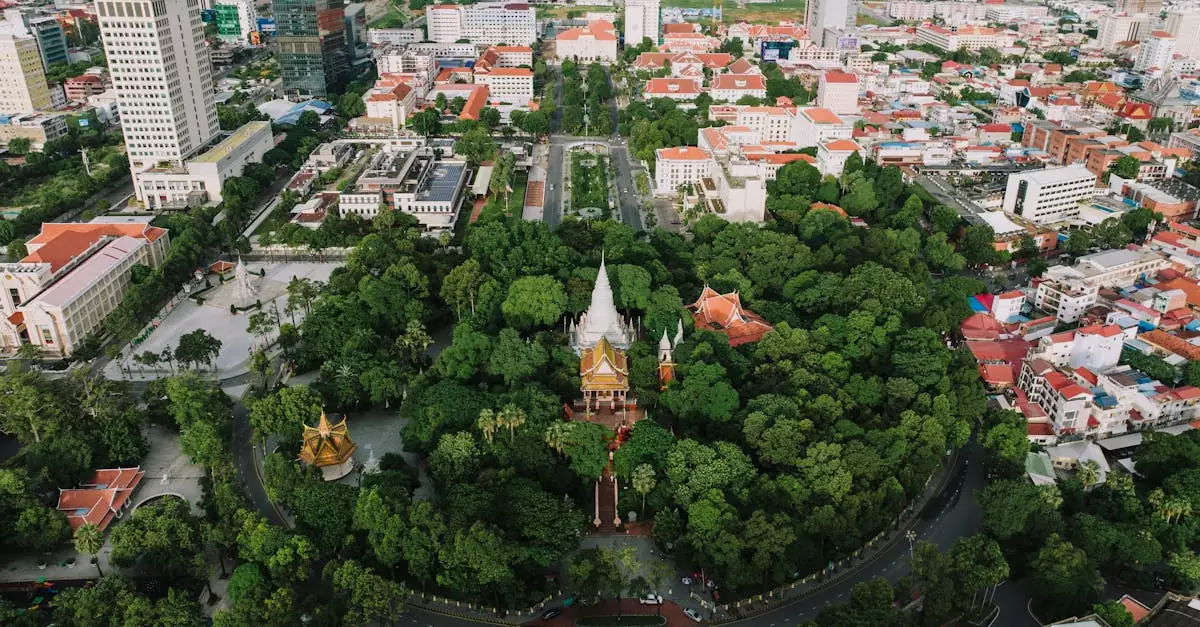
Beyond the savings, the surroundings turn vividly green and the air feels fresher after rain, which moderates the usual heat and can make walks more comfortable. Youll observe daily life continuing regardless of showers, offering genuine chances to connect with Cambodians. Official sources such as Tourism Cambodia often point out these seasonal perks for travelers aiming to skip the typical tourist crowds.
Another upside is shorter queues at the big sites. When peak season hits, historical landmarks can be jam-packed; during the rainy months, youll often have space to photograph and read plaques at your own pace. That slower tempo suits history buffs and those who prefer quieter exploration. If you appreciate personal space and a more reflective visit, the off-season is a sensible choice.
Breaking Down Your Daily Budget
Keeping track of spending is essential for a smooth trip. During the rainy season, a typical budget traveler can expect to pay roughly $30 to $50 per day. That usually covers a comfortable mid-range guesthouse, three meals from local vendors, bottled water, and basic transport around the city. Staying in hostels can push daily costs down toward $20, while travelers aiming for luxury may spend $100 or more each day.
Food accounts for a big slice of daily expenses. Street dishes like noodle soups or rice plates commonly run $2 to $5 per meal. Eating at sit-down restaurants costs more, but still remains inexpensive compared to Western pricing. Transport is wallet-friendly too; ride-hailing apps like Grab or PassApp offer the most economical and convenient rides. Trips across the central areas typically cost between $2 and $4 depending on distance and vehicle.
When planning your Phnom Penh off season budget, include entrance fees in your estimates. Museums and historic sites usually charge international visitors between $5 and $10. Its sensible to have a small contingency for unexpected items like laundry, extra snacks, or last-minute coffees when the rain starts. Accounting for these little costs helps you avoid surprises and keeps your trip enjoyable.
Comparison of Travel Costs by Season
To see how your dates affect expenses, consult the table below. It contrasts average costs between the wet and dry seasons using 2026 market estimates; actual prices may vary with travel style and booking timing.
| Expense Category | Rainy Season (Off-Season) | Dry Season (Peak Season) |
|---|---|---|
| Accommodation (Mid-range) | $25 – $40 | $45 – $70 |
| Daily Food & Drinks | $15 – $25 | $20 – $35 |
| Local Transport | $5 – $10 | $8 – $15 |
| Total Daily Average | $45 – $75 | $73 – $120 |
As the numbers indicate, traveling in the rainy season can lead to noteworthy savingsaccommodation alone can be nearly 40% cheaper. Those extra funds can go toward guided tours, a cooking class, or a short side trip elsewhere in Cambodia. For travelers who put value above guaranteed sunshine, the off-season often offers the better return.
Pros and Cons of Visiting During the Wet Months
Every travel choice brings trade-offs. Consider the main advantages and drawbacks below so you can decide whether the rainy season suits your preferences.
- Pros:
- Significantly lower hotel rates and flight deals.
- Fewer tourists at major landmarks and museums.
- Lush, green scenery and cleaner air after the rain.
- More opportunities to interact with locals in a relaxed setting.
- Cons:
- Frequent, short-lived rain showers can disrupt outdoor plans.
- Some rural roads may become muddy or difficult to traverse.
- Higher humidity levels compared to the dry season.
- Limited outdoor activities during the heaviest downpours.
Rain can complicate plans, but for most visitors its manageable. Scheduling indoor attractions for the wettest parts of the day helps a lotspending an afternoon at the National Museum while storms pass is a common tactic. Staying flexible with your itinerary will keep minor showers from spoiling the trip.
Practical Tips for a Smooth Trip
Good preparation makes rainy-season travel much more pleasant. Carry a lightweight, breathable rain jacket or a sturdy umbrellaboth are easy to buy locally if you forget them at home. Choose shoes with good grip since streets can get slick or briefly flooded during heavy downpours. Comfortable, durable footwear keeps sightseeing hassle-free.
Ride-hailing apps are handy for staying dry between destinations and for transparent pricing. Try to avoid long walks when clouds look heavy, since sudden storms are common. If you do get caught in a downpour, duck into a caf for a traditional iced coffeean authentic Phnom Penh moment. For broader information about safety and conditions, check reliable sources such as Human Rights Watch.
Reality check: traffic can slow and travel times stretch during the rainy months, so build in extra time for connections like buses or flights. Keep your schedule open rather than crammed; allowing the weather to set the pace lowers stress and helps you enjoy the city more.
Frequently Asked Questions
Is it worth visiting Phnom Penh in the rainy season?
Yes. Youll benefit from lower prices, fewer crowds, and vivid green scenery. Most rain falls briefly, leaving plenty of clear windows for sightseeing.
How much should I budget for a week in Phnom Penh?
A comfortable week typically costs between $350 and $500 for most travelers. That estimate covers mid-range lodging, meals, transportation, and entry fees to main attractions.
Are there many mosquitoes during the rainy season?
Yesmosquitoes are more active in wet months. Using insect repellent and wearing long sleeves at dawn and dusk helps reduce bites.
Do tourist attractions close during the rain?
Major attractions like the Royal Palace and museums generally remain open in wet weather. Outdoor spots may be less fun, but closures are rare unless conditions become severe.
What is the best way to travel around the city?
Ride-hailing apps such as Grab or PassApp are the most practical and safe option. Theyre affordable, convenient, and keep you out of the rain during travel.
Conclusion
Choosing Phnom Penh during the rainy season is a pragmatic route for travelers aiming to stretch their budgets while enjoying a more relaxed atmosphere. With sensible planning around the climate, you can move around the city easily and make the most of its history and culture. Embrace occasional showers, take advantage of lower prices, and expect a rewarding visit to one of Southeast Asias most intriguing capitals.