Introduction to Transport in the Cambodian Capital
Getting around Phnom Penh takes a bit of planning. The city blends colonial-era streets and rapid new development, so transport options range from time-honored street vendors to app-driven services. Picking between the two often comes down to your schedule and wallet. This phnom penh tuk tuk vs grab price comparison gives you the facts to choose the most suitable option and avoid wasting time or cash while you’re in town.
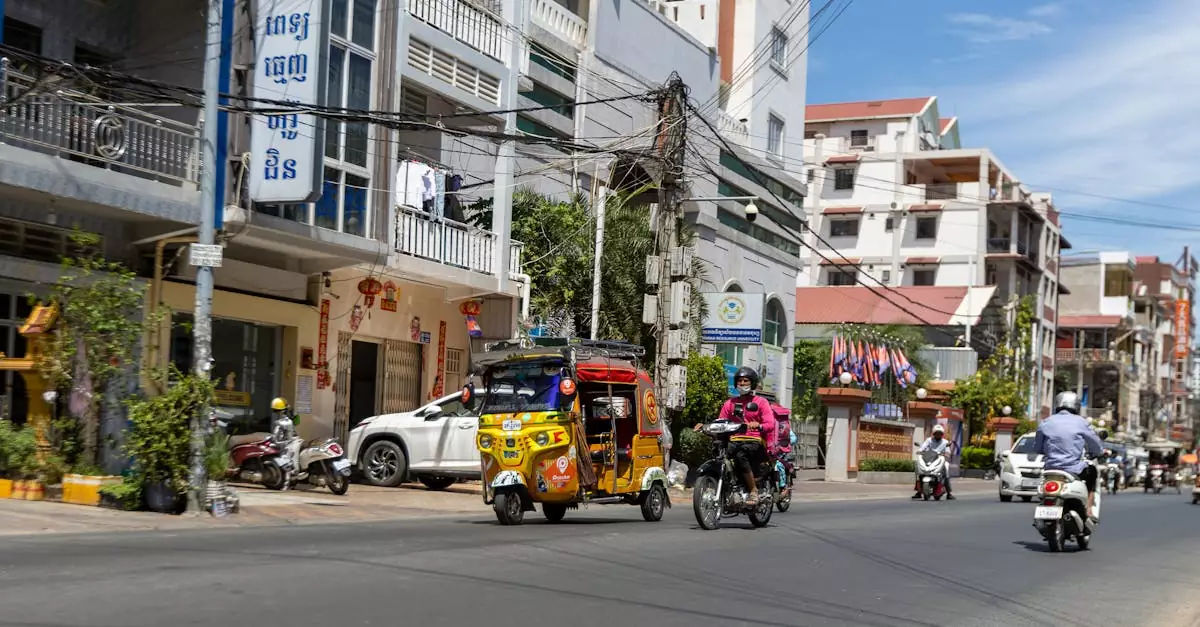
Most travelers begin their Cambodian journey in the capital, where riverfront avenues and busy markets set the scene. Streets are packed with motorbikes, upscale cars, and the familiar three-wheeled tuk tuks. First-time visitors can feel overwhelmed deciding whether to hail a ride from the pavement or book through an app. Each approach has distinct price points and comfort levels that shift with trip length and location.
Transportation often consumes a noticeable slice of a travel budget, whether you’re visiting the Royal Palace or grabbing coffee by the river. This phnom penh tuk tuk vs grab price comparison dives into up-to-date 2026 rates, typical trip examples, and the apps that matter most. By the end, you should be confident about how to move around the city safely and economically.
The Evolution of Transport in Phnom Penh
The city’s transport scene has transformed dramatically over the past decade. Where cyclos and heavy moto-remorques once dominated, slower, scenic rides were common. But urban expansion raised demand for quicker, more nimble options, and the arrival of Indian-style tuk tuks changed how people commute.
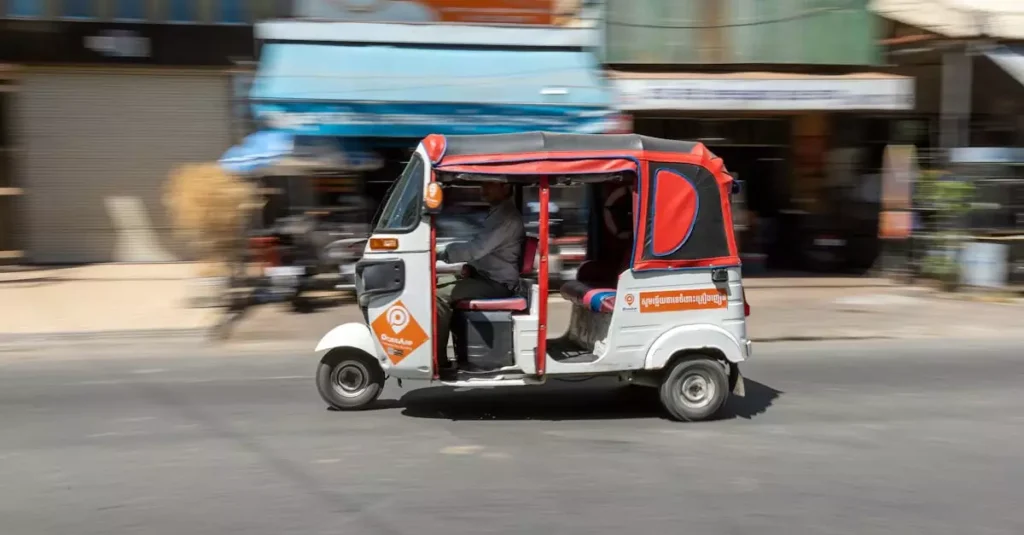
Official resources such as the tourism website outline these shifts for newcomers. Today, youll spot countless yellow and white tuk tuks zipping through traffic; they cost less to run and provide better protection from sun and rain than older models. That shift helped spark a competitive market in which clearer pricing is becoming expected by both locals and tourists.
Digital habits have caught up with transport too. No longer must you stand and flag down a vehicle; mobile networks and payment systems now support app-based bookings. That change has driven the phnom penh ride apps vs tuk tuk cost debate to the forefront, since GPS tracking and ride records have also added a layer of safety.
Phnom Penh Ride Apps vs Tuk Tuk Cost: The Digital Shift
Ride-hailing apps have reshaped how people get around Phnom Penh. Grab and PassApp lead the market, offering upfront fares so you know the cost before stepping inside. That predictability removes much of the awkward bargaining many tourists face on the street, making the phnom penh ride apps vs tuk tuk cost metric favor the apps for reliability.
Apps let you link cards or local wallets such as ABA Pay, which reduces the need to carry cash. They also provide several vehicle classesfrom basic motorbikes to larger carsso you can pick a small tuk tuk for one person or a car for a group. That range of options is something street-hailing rarely matches.
As history sources like Britannica note, the country has moved quickly toward modern services. Traditional drivers still work around hotels and tourist hubs, often relying on local knowledge rather than mapping apps. Still, many find it hard to compete with the low, transparent fares posted on digital platforms, and an increasing number of locals now prefer app booking for daily travel.
Phnom Penh Tuk Tuk vs Grab Price Comparison
Numbers help clarify the phnom penh tuk tuk vs grab price comparison. For a short 2 km ride, a Grab tuk tuk usually runs about $1.25$1.50. Hailing a traditional tuk tuk on the street often starts at around $3.00, and while you can bargain that down to roughly $2.00, it rarely beats the app’s baseline.
On medium tripssay, a 5 km run from BKK1 to the RiversideGrab fares typically fall between $2.50 and $3.50 depending on demand. Street drivers commonly quote around $5.00 for the same trip. Surge pricing can push app costs up during busy periods, but even then the posted app fare often undercuts the fixed high rates from tourist-area drivers.
Longer journeys show the widest gaps. An airport transfer via Grab tuk tuk typically costs $6.00$9.00, whereas street drivers positioned at hotels or airport exits often ask for $10.00$15.00. Traditional vehicles may be roomier, but their per-kilometer cost tends to be highermaking app options the smarter pick for travelers watching their budget.

Understanding Local Distance and Traffic Patterns
Distance in Phnom Penh doesn’t always reflect travel time. Heavy congestion can stretch a three-kilometer jaunt into a half-hour slog during peak periods. Thats when the phnom penh tuk tuk vs grab price comparison shifts a bit: Grab fares may spike with demand, but the app still shields you from mid-ride renegotiations that some street drivers might attempt because of traffic delays.
Urban growth reports and commentary from groups like Human Rights Watch highlight how population density has packed the roads. In tight conditions, a slim tuk tuk can slip through gaps that cars cannot, making motorbikes and small tuk tuks faster choices. If speed is the priority, booking a motorbike through an app tends to be the quickest and cheapest alternativethough it comes with less comfort and higher exposure to risk.
Weather is another practical consideration. The rainy season, from May through October, brings sudden heavy showers. During storms, a Grab caroften air-conditioned and drybecomes more appealing even at a higher price. Traditional tuk tuks use plastic curtains to keep passengers dry, but theyre not foolproof. In intense heat, the cool interior of a car is worth the extra expense for many visitors.
Detailed Cost Comparison Table for Travelers
To make potential savings easier to picture, heres a cost breakdown based on average 2026 rates in Phnom Penh. Fares are commonly shown in Cambodian Riel or US dollars; remember that roughly 4,000 Riel equals 1 USD. The table compares typical rates for common trip types across the city.
| Trip Type | Distance | Grab Tuk Tuk (App) | Street Tuk Tuk (Haggled) | Grab Car (Economy) |
|---|---|---|---|---|
| Short City Hop | 1-2 km | $1.00 – $1.50 | $2.00 – $3.00 | $2.50 – $3.50 |
| Medium Cross-Town | 3-5 km | $2.00 – $3.50 | $4.00 – $6.00 | $4.00 – $6.00 |
| Longer Excursion | 6-9 km | $4.00 – $6.00 | $7.00 – $10.00 | $7.00 – $10.00 |
| Airport Transfer | 10-12 km | $6.00 – $9.00 | $10.00 – $15.00 | $12.00 – $18.00 |
The phnom penh ride apps vs tuk tuk cost difference is evident from these figures. App bookings tend to save roughly 30%50% per trip, and those savings can add up over several days. In some cases a Grab car may even be cheaper than a stubborn street-side tuk tuk that refuses to negotiate, so check both options before accepting a ride.
Pros and Cons: Traditional Tuk Tuk vs. Modern Grab
Price is only one part of the decision. The traditional tuk tuk offers atmosphere and great views for photos, plus easy conversation with drivers who know the neighborhood. On the flip side, bargaining is often necessary, and vehicle quality can vary widely.
- Traditional Tuk Tuk Pros: Open-air experience, supports local independent drivers, no smartphone required, better for sightseeing.
- Traditional Tuk Tuk Cons: Higher prices for tourists, requires haggling, no GPS tracking, variable vehicle quality.
- Grab App Pros: Fixed and transparent pricing, GPS safety tracking, multiple vehicle options, cashless payment via ABA or card.
- Grab App Cons: Requires a working SIM card and data, surge pricing during rain, less personal interaction with the driver.
Many travelers discover the authentic ride often comes with higher prices aimed at tourists. That said, lots of drivers have joined the apps, so you may still be supporting the same individuals when you book digitally. If avoiding disputes over fares matters most, apps tend to be the smarter choice. If bargaining and a more traditional feel appeal to you, street-side tuk tuks remain an option.
Safety and Practical Tips for Foreign Visitors
Safety should be front of mind when using any transport. App bookings leave a digital trail with the driver’s name and vehicle details, which helps if items are forgotten or if you need to report an issue. Always match the license plate shown in the app to the vehicle before getting in.
Important Tip: Keep phones and bags tucked in and avoid dangling belongings on the sides of a tuk tuk; opportunistic snatches can happen in crowded spots. Hold your phone securely when using it for directions. Carry small Riel notes1,000 and 5,000 denominationsbecause drivers may not have change for large bills even if you pay in cash. That makes transactions smoother.
Install both Grab and PassApp if possible. Driver availability varies by neighborhood, and sometimes one app will show more nearby vehicles than the other. PassApp is widely used by locals and can be slightly cheaper for short hops, while Grab offers a more polished English interface and stronger international support. Having both installed increases your odds of a quick pickup during busy periods.
Frequently Asked Questions (FAQs)
Is Grab cheaper than a regular tuk tuk in Phnom Penh?
YesGrab is generally less expensive than street-side tuk tuks. The app calculates fares using distance and demand, whereas street drivers often quote higher, tourist-targeted prices.
Do I need a local SIM card to use ride apps in Cambodia?
You can sometimes rely on hotel Wi-Fi, but a local SIM card is highly recommended. It makes it easier to track rides and contact drivers if they struggle to find your pickup point. SIMs are inexpensive and available at the airport.
Can I pay for Grab rides with cash in Phnom Penh?
YesGrab offers a cash payment option. Still, it’s wise to carry small bills for change. Many drivers accept cash, and some also take digital payments through the app or by scanning local ABA bank QR codes.
Are tuk tuks safe for solo female travelers?
Tuk tuks are generally safe, particularly when booked through apps that provide driver details and GPS tracking. Use the apps sharing features to let someone know your ride status for extra reassurance.
What is the difference between a traditional tuk tuk and a remorque?
A remorque is a larger carriage attached to a motorbike and can seat up to four people comfortably. The modern tuk tuk is a compact three-wheeled vehicle imported from Indiacheaper and quicker in tight trafficwhile remorques suit bigger groups.
Conclusion: Making the Best Choice for Your Trip
Understanding the phnom penh tuk tuk vs grab price comparison makes getting around Cambodias capital much simpler. For most day-to-day travel, booking through an app like Grab saves money and reduces hassle thanks to transparent pricing and safety features. That lets you move through the city without constant negotiation and focus more on sightseeing.
Still, traditional drivers are part of Phnom Penhs character and can be handy for very short trips or when your phone battery dies. If you choose a street ride, agree on the fare before you depart. Striking a balance between using technology and respecting local customs will leave you with a smoother, more enjoyable visit. Safe travels as you explore Phnom Penhs vibrant streets.