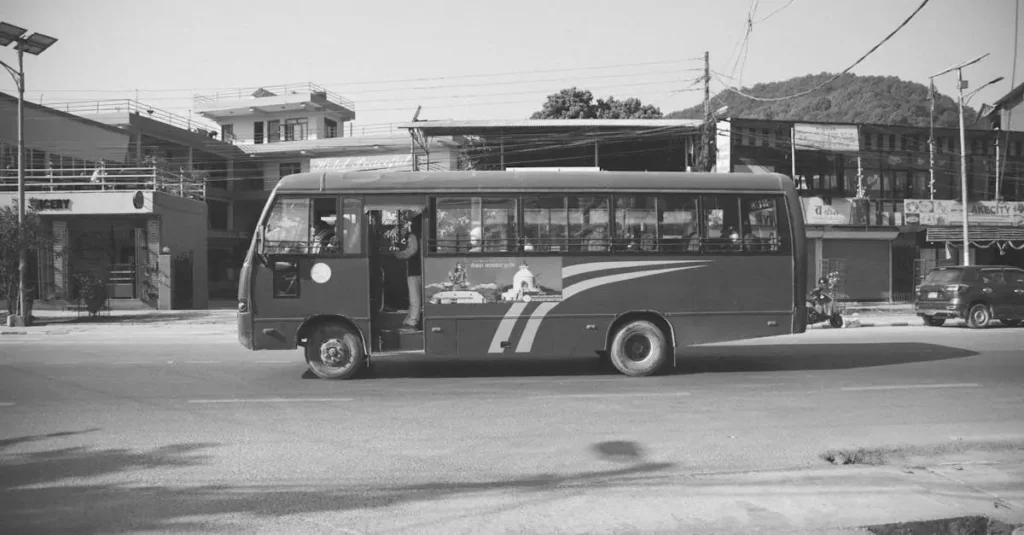
When organizing a journey in Nepal, comparing the pokhara to chitwan bus vs taxi cost comparison is essential. These two routes link two well-known destinations: Pokhara, a serene city by the lake, and Chitwan, famous for its wildlife and jungle adventures. Your choice between bus and taxi will influence your expenses, comfort level, and duration of travel.
This discussion delves into the actual costs, distances, travel times, and comfort associated with each option. Additionally, it examines crowd dynamics, seasonal variations, and which type of traveler each choice suits best. This practical pokhara chitwan travel comparison for 2026 is crafted in straightforward language to help you plan effectively.
Road conditions in Nepal can shift quickly, meaning the most economical choice isn’t always the best. While buses can be more budget-friendly, taxis can save time and minimize hassle. However, both options come with their own set of pros and cons. Lets examine the specifics before you make a reservation.
Pokhara to Chitwan Bus vs Taxi Cost Comparison: The Basics
The distance from Pokhara to Chitwan typically ranges from 140 to 160 km, depending on your final stop in Chitwan. Most travelers head to Sauraha, the main tourist hub close to Chitwan National Park. The journey by road generally takes between 4.5 to 7 hours, influenced by factors like traffic, road maintenance, weather, and the number of stops along the way.
In the pokhara to chitwan bus vs taxi cost comparison, buses are undoubtedly the more economical choice. Tourist buses generally charge around NPR 1,000 to NPR 2,000 per person. Local buses can be cheaper, often costing between NPR 700 and NPR 1,200, but they tend to be slower and less comfortable. A private taxi or car usually comes at a higher price, often ranging from NPR 12,000 to NPR 20,000 for the entire vehicle, depending on the season, fuel prices, and negotiation skills.
If youre traveling alone or as a couple, the bus is typically the more economical option. However, for groups of three to four, splitting the cost of a taxi might make it a more feasible choice. Ultimately, your decision will depend on your budget, amount of luggage, and desired level of comfort during the journey.
| Transport | Estimated Cost | Travel Time | Comfort | Best For |
|---|---|---|---|---|
| Tourist Bus | NPR 1,0002,000 per person | 57 hours | Medium | Budget travelers |
| Local Bus | NPR 7001,200 per person | 68+ hours | Low to medium | Very low budgets |
| Private Taxi/Car | NPR 12,00020,000 total | 4.56.5 hours | High | Families, groups, comfort seekers |
For a broader understanding of Nepal, you can check this country overview.
Bus Travel from Pokhara to Chitwan: Cost, Comfort, and Crowd Behavior
While local buses are cheaper, they may not be the best choice for those with large luggage or seeking a smooth journey. They can become crowded, particularly on weekends, public holidays, and during festivals. In some cases, passengers might have to stand in the aisle. The seating can feel cramped, and frequent stops can be a hassle, particularly if you’re aiming for a long journey and want to arrive ready for your jungle adventures.
Choosing the bus remains a solid option if you prioritize saving money and are flexible with your schedule. However, during the rainy season, delays can extend travel times beyond expectations. In winter, morning fog may slow down traffic in certain areas.
Important Tip: During peak season, especially from October to December and during major Nepali holidays, it’s wise to book a tourist bus in advance. Seats tend to fill up quickly, and last-minute availability may be scarce.
For official tourism details, you can check the Nepal Tourism Board.
Taxi Travel from Pokhara to Chitwan: When It Makes Sense
Opting for a taxi or private car provides the greatest flexibility. You can select your departure time, stop for refreshments, and go directly to your accommodation or safari area. This option is particularly beneficial for families with children, older travelers, or those carrying substantial luggage. It also allows you to bypass crowded buses and long waits.
When considering the pokhara to chitwan bus vs taxi cost comparison, the taxi’s higher cost is a significant downside. However, the added comfort can justify the expense. If four people share the fare, the per-person cost becomes more manageable. For instance, a NPR 16,000 taxi fare divided among four individuals results in NPR 4,000 each. While that’s still pricier than a bus, the convenience might be worth it.
Traveling by taxi also gives you better control over your itinerary. This can be essential if you have a scheduled jungle safari, need to check into a resort, or plan to head to another destination on the same day. Keep in mind, though, that road conditions can still impact travel times. A taxi isnt a guaranteed fast solution; it can still be delayed by traffic, rain, construction, or congestion.
Reality Check: While a private taxi offers greater comfort and speed, it doesn’t always guarantee a significantly quicker journey. On days with poor road conditions, the time difference between taking a bus and a taxi may be less than anticipated.
For more insights on tourism in the country, visit Nepal Tourism.
Distance, Route, and Travel Time in 2026
The journey from Pokhara to Chitwan generally follows the primary highway network through central Nepal. The specific route may vary due to road repairs, traffic conditions, and your chosen drop-off point in Chitwan. Common destinations include Sauraha, Bharatpur, and nearby regions. Although the distance isn’t excessive, the quality of the roads and traffic patterns can make the trip feel longer than expected.
On average, most travelers can expect a travel time of 5 to 7 hours by bus and 4.5 to 6.5 hours by taxi. Adverse weather conditions, landslide risks, or heavy holiday traffic can extend these times. Departing in the morning is often preferable, as it reduces the likelihood of late-day congestion and ensures you arrive before dark.
Seasonality plays a significant role in travel across Nepal. During the monsoon season, roads can be slick, leading to more frequent delays. The dry season usually allows for smoother travel, although dust and traffic can still hinder progress. In winter, fog can impair visibility in the early mornings, particularly on certain highway segments. Hence, early morning departures are often more advisable than late afternoon ones.
Important Tip: If you plan to join a Chitwan safari on the same day, avoid scheduling a late bus. A delay of even an hour or two can disrupt your plans.
Bus vs Taxi: Pros and Cons for Different Travelers
Deciding between the two options can be straightforward. If your priority is cost, the bus is the way to go. If ease and convenience are what you seek, then a taxi is preferable. However, real travel decisions are often more nuanced. Factors like your luggage, group size, and schedule will also play a role.
Bus Pros
- Lowest cost for solo travelers
- Great choice for backpackers
- Easy to locate on a popular route
- Better value if you’re not in a rush
Bus Cons
- Less comfortable than a private vehicle
- Crowding can occur during peak travel times
- Fixed schedules with fewer personal stops
- May be slower on poor road days
Taxi Pros
- Private and more comfortable
- Flexible departure times
- Direct transfer from hotel to hotel
- Ideal for families and groups
Taxi Cons
- Significantly higher cost
- Price can fluctuate based on season and negotiation
- Not always much faster in challenging road conditions
- Less budget-friendly for solo travelers
For those embarking on a longer journey in Nepal, a taxi may be worthwhile after a tiring trek or several bus rides. However, if keeping costs low is your aim, the bus typically comes out on top in this pokhara chitwan travel comparison.
Best Option by Traveler Type
Your choice largely hinges on your travel companions. Solo travelers often find the best value in a tourist bus. The fare is affordable, and the route is popular enough that securing a seat outside peak times isn’t difficult. Couples may also opt for the bus to save funds for activities in Chitwan, like jungle safaris, canoeing, or cultural experiences.
Families frequently lean toward taxis to minimize stress. Children can become fatigued on crowded buses, and managing luggage is simpler in a private vehicle. Small groups can also benefit from sharing the taxi fare. When splitting costs among four people, the total may seem reasonable given the added comfort.
Backpackers and long-term travelers typically stick to buses to keep their daily expenses down. Conversely, luxury travelers, older visitors, or those with tight schedules often prefer taxis. If arriving from another city in Nepal and heading directly to a resort in Chitwan, a private car can streamline the transfer.
Recognizing that the best option isn’t one-size-fits-all is crucial. A budget-conscious traveler and a family on a brief holiday will likely make different choices, and that’s perfectly normal.
Seasonal Considerations, Booking Tips, and Common Mistakes
Planning for the season is vital in Nepal. From October to December, travel demand peaks due to favorable weather conditions. This period is particularly busy for both Pokhara and Chitwan. Bus seats sell quickly, and taxi fares may increase. Conversely, from June to September, monsoon rains can disrupt roads, particularly in hilly areas. In January and February, fog and chilly mornings can delay early departures.
Booking ahead can alleviate stress. If you’re traveling on a holiday or festival, securing your seat or vehicle in advance is wise. Always inquire about pickup and drop-off locations, luggage allowances, and whether hotel transfers are included in the fare. Some operators may quote a low initial price but add extra fees later. Confirm the total cost before making any payments.
A common error is opting for the cheapest option without considering the departure time. A low-cost bus might leave at an inconvenient hour or make too many stops. Another mistake is assuming that a taxi will always be fast; road delays can still occur. It’s prudent to allow some buffer time if you have safari bookings or a same-day flight later on.
Important Tip: Keep some cash in Nepali rupees on hand. Smaller transport providers may not accept cards, and mobile payment options might not function reliably on the road.
For a broader perspective on tourism, you can also read about tourism in Nepal.
Final Verdict: Which Is Better in 2026?
For the majority of travelers, the bus stands out as the best value in the pokhara to chitwan bus vs taxi cost comparison. It offers significant savings, and the route is popular enough that you can usually secure a seat with some advance planning. If budget is your primary concern, the bus is the logical choice.
On the other hand, a taxi is preferable if comfort, privacy, and flexibility take precedence over cost. This option is especially beneficial for families, groups, or those with heavy luggage. It also allows for a direct transfer without waiting for bus schedules.
My straightforward advice is this: opt for the bus if you’re looking to save money, and choose the taxi for added convenience. If you’re traveling solo, the bus typically makes more sense. However, if you’re sharing the fare with others, a taxi may become more appealing. In either case, be sure to check road conditions, weather forecasts, and your arrival plans before making your decision.
For additional travel planning resources in Nepal, consider visiting the official tourism site and align your timing with your activities in Chitwan.
Frequently Asked Questions
1. How much does a bus from Pokhara to Chitwan cost in 2026?
Most tourist buses charge around NPR 1,000 to NPR 2,000 per person. Local buses can be less expensive, but they often provide a less comfortable experience and may take longer.
2. How much does a taxi from Pokhara to Chitwan cost?
A private taxi or car typically costs between NPR 12,000 and NPR 20,000 total. The final price will vary based on the season, vehicle type, and your drop-off location.
3. How long does the trip take?
Most journeys last between 4.5 to 7 hours. Buses are generally slower than taxis, but road conditions can impact both modes of transport.
4. Is the bus safe and reliable?
Yes, for most travelers, it is sufficiently safe when booked with a reputable operator. However, you should be prepared for basic road travel, potential delays, and crowding during busy times.
5. Which option is better for families?
Families typically prefer taxis, as they offer more comfort, space, and easier luggage management. However, a bus can still be a viable option if the budget is tight and the family is comfortable with a longer journey.
Ultimately, the pokhara to chitwan bus vs taxi cost comparison boils down to balancing budget and comfort. Both options can serve you well in Nepal if you align them with your travel preferences. Plan ahead, consider the season, and select the transport that suits your itinerary, not just your finances.