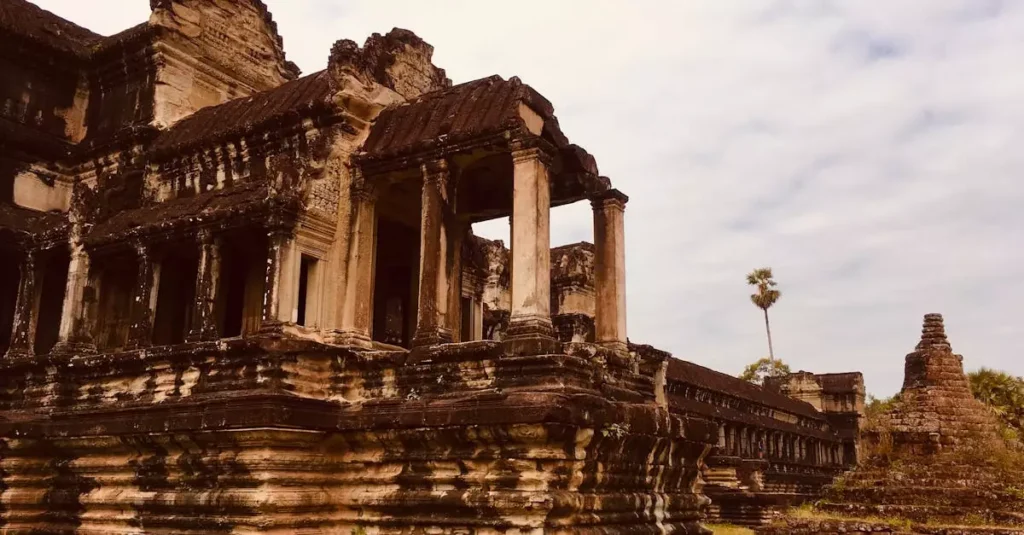
Siem Reap serves as the starting point for visiting the vast Angkor temple complex. Many visitors only have a short window here, so Planning a siem reap angkor wat 1 day itinerary cost requires careful thought and preparation. With limited time youll want to hit the highlights while keeping expenses under control; this piece lays out the costs and logistics to help you do exactly that.
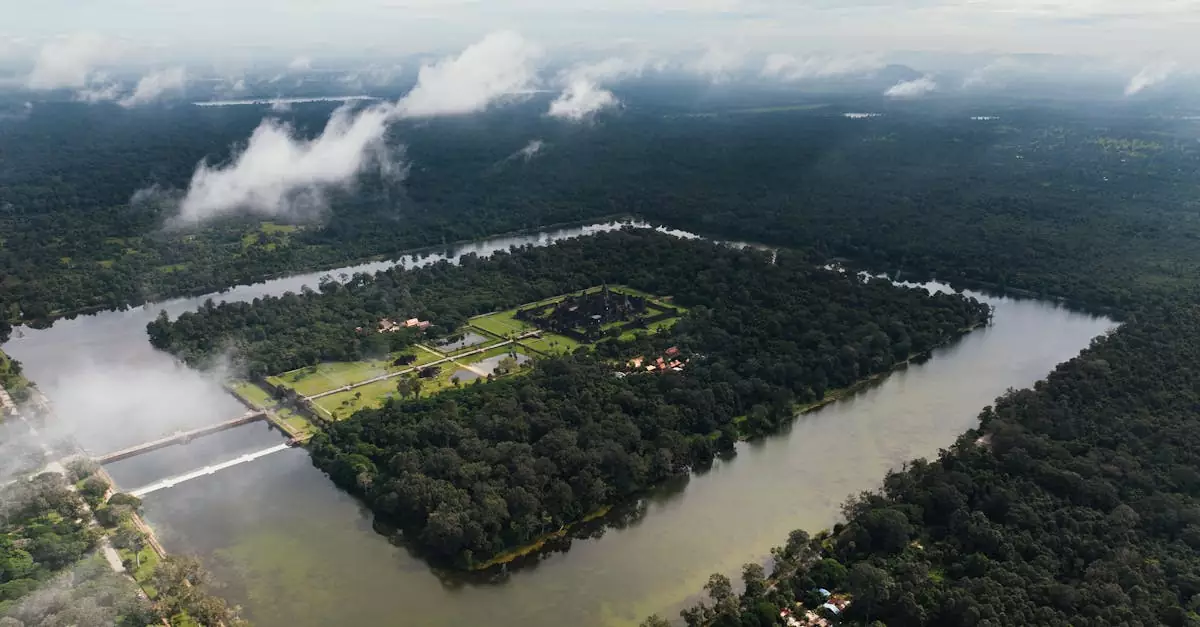
The Angkor Archaeological Park stretches across more than 400 square kilometers, so a single day wont allow you to see everything. Still, with a focused plan you can visit the most iconic monuments and get a strong sense of the place. Knowing what expenses to expect makes it easier to allocate cash for transport, food, guides, and incidentals.
Tourism drives much of Siem Reaps local economy, and most prices aimed at visitors are quoted in US Dollars. Youll also encounter Cambodian Riel for small change at markets or for tips. This update reflects prices and practicalities for 2026 so you can budget accordingly and avoid surprises on the ground.
Planning Your Siem Reap Adventure in 2026
Good planning makes a one-day temple run far smoother. Decide which sites matter most before you arrive and arrange your ticket in advance if possible, since many people head out around 4:30 AM to catch the sunrise. The Kingdom of Cambodia has upgraded its ticketing system in recent years, so online purchase or picking up a pass at the official center are both options.
Seasonality influences both crowds and comfort. The dry season (NovemberApril) brings clear skies and the heaviest visitor numbers, which can push up transport prices. The wet season (MayOctober) delivers greener scenery but shorter rain showers that may disrupt plans. Choose the timing that best matches your tolerance for heat, humidity, and crowds.
Packing for the temples is straightforward but important: dress modestly with shoulders and knees covered to gain entry. A reusable water bottle is practical and eco-friendlymany hotels now refill guests bottles. Also bring sun protection and small comforts so youre set for a long day walking between ruins.
Detailed Siem Reap Angkor Wat 1 Day Itinerary Cost
The biggest single outlay is the Angkor Pass: in 2026 a one-day ticket costs $37 per person. That pass gives access to the primary monuments in the park and can be bought at the official ticket center or via the authorized website. For the latest official information check the Tourism Cambodia site before you travel.
Getting around eats into your budget next. A tuk-tuk hired for the day typically runs between $15 and $25 and usually covers a sunrise start plus full-day loops. If you prefer the comfort of air conditioning a private car will be closer to $40$50 for the day. Remember these are vehicle rates, not per-person fares, so they become more economical in groups.
Food costs depend on where you eat. Temple-side breakfasts often cost $5$8, and a simple lunch in the park will usually be $6$10. Bringing snacks or returning to town for meals can cut costs; expect most travelers to spend about $20$30 on food and drinks for the day.
A Complete Breakdown of the Angkor 1 Day Budget
When planning the breakdown angkor 1 day budget, dont forget optional extras. Hiring a licensed guide typically costs about $35$45 for a full day; their explanations of bas-reliefs and Khmer history add a lot of context. For background on the empires significance, see resources such as Britannica.
Tipping isnt compulsory but is appreciated$2$5 for your driver and roughly $5$10 for a guide are customary for good service. Carry small bills in US Dollars or Riel so you can tip and make small purchases without trouble.
Budget a few dollars for essentials like wet wipes and sunscreen: sunscreen and similar items are generally cheaper in town than at the temple stalls. Expect to spend around $5 on these basics so you stay comfortable during long walks under the sun.
Transportation Options and Comparative Costs
Your choice of transport affects both comfort and schedule. Tuk-tuks are ubiquitous and offer an open-air, scenic ride but can get dusty and hot during peak sun hours. A private car provides air conditioning and a place to rest between sites, which many travelers find worth the extra cost.
| Transport Type | Estimated Cost (USD) | Best For |
|---|---|---|
| Tuk-Tuk | $18 – $25 | Solo travelers and couples |
| Private Car | $40 – $55 | Families and heat-sensitive travelers |
| Bicycle | $2 – $5 | Budget travelers and fitness fans |
| Electric Scooter | $10 – $15 | Independent explorers |
Bicycles are the cheapest option but require fitness and stamina. Siem Reap sits roughly 6 kilometers from Angkor Wat, and hopping between temples can add another 1520 kilometers to your day. In the tropical heat that distance can be exhausting, so only choose cycling if youre accustomed to long rides in warm conditions.
Exploring the Main Temples in One Day
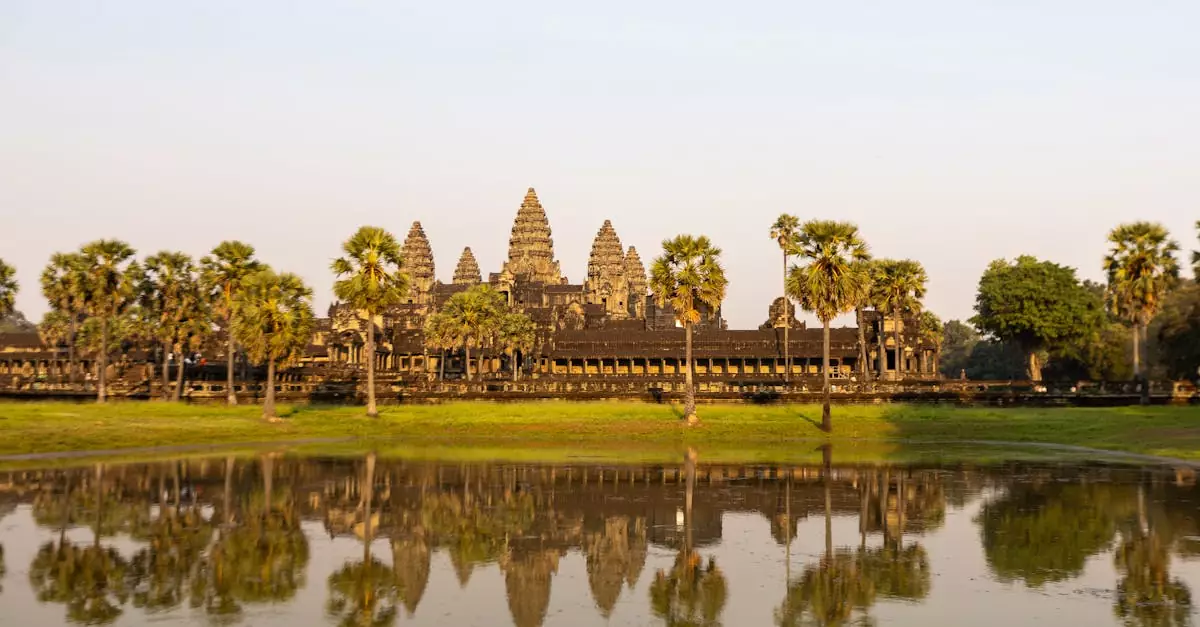
With just one day, focus on Angkor Wat, Bayon, and Ta Prohm. Begin at Angkor Wat to watch sunrise over the reflecting pools, then move on to Bayon in Angkor Thom to see its famous carved faces. Arriving early at Bayon helps you avoid the biggest tour groups.
Ta Prohm, the so-called Jungle Temple, is known for massive tree roots entwined with stonework and a cinematic, overgrown feel. Walk slowly herethe ground is uneven and narrow alleys require careful footing, but the atmosphere is unforgettable.
If time allows, drop by Banteay Kdei or take a break at your hotel for a midday swim to escape the hottest hours. Returning later for Pre Rup at sunset lets you stretch the value of your one-day pass while avoiding the worst of the afternoon heat.
Essential Guide to Food and Shopping Costs
Dining inside the park tends to be pricier than meals in Siem Reap proper. Dishes like Fried Ginger Chicken or Amok often cost around $6 at the temple eateries, and drinks such as fresh coconut or soda are usually $1.50$2.00.
Keep an eye on regional developments and social issues if you want broader context during your travels; groups such as Human Rights Watch publish reports about Cambodia. Buying directly from local vendors supports the community, but be ready to haggle politely when shopping for souvenirs or clothing near the ruins.
At night Pub Street offers a lively selection of restaurants and bars. During happy hour draft beer can drop to about $0.50, while a typical dinner at a mid-range spot runs $10$15. Its a popular place to unwind after a long day of sightseeing.
Pros and Cons of a Single Day Visit
- Pro: Lower overall cost for tickets and transportation.
- Pro: Ideal for travelers with a very tight schedule in Asia.
- Pro: You see the most famous highlights in a short time.
- Con: The schedule is very rushed and can be physically tiring.
- Con: You miss out on the smaller, quieter temples in the park.
- Con: High risk of temple fatigue due to the fast pace.
One day gives you the highlights but demands a fast pace and significant walking in hot conditions. Many visitors find the day taxing and plan downtime afterward to recover. Be realistic about your fitness and how much heat and walking you can handle.
On the plus side, a single-day plan saves money on multi-day passes and additional hotel nights. If budget is a priority, you can reallocate savings toward a nice meal or a restorative foot massage30 minutes of foot reflexology in Siem Reap can start at about $5.
Practical Tips for a Smooth Trip
Buy your Angkor Pass the day before if possible. If you purchase it after 4:30 PM you can enter the park for sunset without using up your one-day pass, which also lets you avoid long morning ticket linesan easy way to stretch your siem reap angkor wat 1 day itinerary cost.
Staying hydrated is essential. Carry at least two liters of water and sip frequently to prevent dehydration in Cambodias heat. Cold drinks are sold near most temple exits, and many vendors will offer a shaded spot to rest while you drink.
Prepare for crowds: Angkor Wat is extremely popular and you wont have the monuments to yourself at sunrise. Stay patient for photos and consider asking your driver to use secondary entrances or quieter routes to escape the major tour flows when possible.
Frequently Asked Questions
How much does a 1-day Angkor pass cost in 2026?
A one-day Angkor Pass costs $37 per person in 2026. That fee covers entry to the principal temples in the archaeological park, and you can pay by cash or card at the main ticket office.
Is one day enough to see Angkor Wat?
One day lets you visit the three headline sitesAngkor Wat, Bayon, and Ta Prohmbut its a hurried experience. Youll see the major sights but wont have time for many of the quieter, lesser-known ruins.
What is the best way to get around the temples?
A remork or tuk-tuk strikes the best balance for most travelers: its affordable, provides shade and airflow, and drivers generally know efficient temple routes.
Can I wear shorts to the temples?
No. Short shorts or skirts that expose the knees are not allowed. Shoulders must be covered by a proper shirt rather than only a scarf; entrances enforce these rules strictly at the main sites.
What should I include in my breakdown angkor 1 day budget?
Plan for the $37 ticket, roughly $20 for transport, and around $25 for food and drinks. If you want a professional guide budget about $40, plus small amounts for tips and basic supplies like sunscreen and wet wipes.
Conclusion
A single-day visit to Angkor can be intensely rewarding but its also demanding. Knowing the siem reap angkor wat 1 day itinerary cost ahead of time helps you design a day that fits your budget and energy levels. Aim for the main temples, start early to beat the heat, dress respectfully, and treat staff and locals with courtesy. With the right preparation, the memories you take home will be lasting.