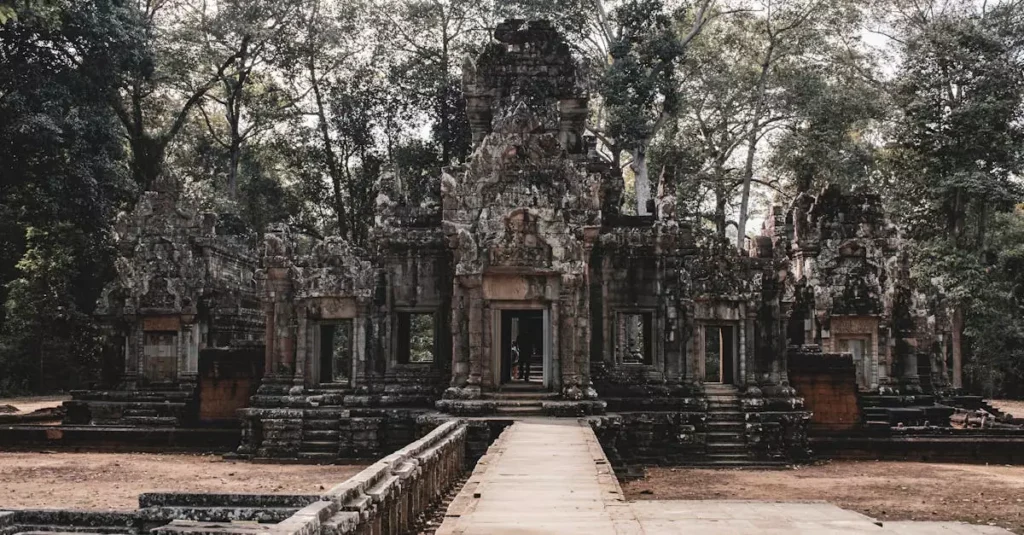
Siem Reap serves as the bustling entrance to Cambodias famed Angkor Wat temples, attracting millions of tourists annually. This lively city combines deep-rooted history with vibrant culture and modern conveniences. When organizing a trip, knowing the optimal travel period and its effect on expenses is vital. Many visitors prefer the dry season, appreciating its mild climate and bright skies, which create perfect conditions for exploring the extensive temple grounds.
That said, the high demand during this season often leads to increased accommodation prices. Grasping the nuances of the siem reap dry season hotel price is essential for effective budgeting. From November through February, the city comes alive with tourists. Hotels, guesthouses, and resorts tend to fill quickly, pushing prices upward across all types of lodging, from economical to upscale.
This detailed overview outlines what to anticipate regarding hotel rates during Siem Reaps dry season. It covers a range of lodging options, compares their costs, and offers practical advice on how to secure the best value. With this knowledge, travelers can confidently navigate the market and enjoy a comfortable stay without overspending during peak travel times.
Exploring Siem Reap’s Dry Season Appeal
Spanning roughly November to April, Siem Reaps dry season is often hailed as the prime time to visit. During these months, the weather cools down and humidity drops, with average temperatures hovering between 25C and 30C. This makes wandering through the vast Angkor Archaeological Park far more pleasant. The sky frequently remains clear, providing stunning backdrops for sunrise views at Angkor Wat and ideal conditions for photography. Many travelers favor these cooler, drier months over the intense heat and downpours typical of the wet season.
The dry season also aligns with major global holidays like Christmas and New Year, bringing a surge of visitors. This influx injects energy into the city, with more tours running, restaurants bustling, and cultural events taking place. The firm, dry terrain around the temples simplifies walking and cycling, enriching the experience of exploring landmarks like Angkor Thom and Ta Prohm. The agreeable weather greatly enhances the overall adventure of visiting Angkor Wat.
Yet, this popularity comes with its challenges. Visitors will encounter larger crowds at key sites, and securing tours, transportation, and particularly accommodation requires early planning. Demand for lodging reaches its peak, driving up the siem reap dry season hotel price. Recognizing this pattern helps travelers prepare realistic budgets and avoid surprises.
Understanding Siem Reap Dry Season Hotel Price
Expect hotel rates in Siem Reap to climb during the dry season, especially from November to February when demand is at its highest. Budget guesthouses that might cost $10-$15 per night during quieter months can rise to $20-$30 or more. Mid-range hotels, normally priced between $30 and $50, often increase to $60-$100 per night. Luxury resorts, which usually range from $100 to $150 in the off-season, can jump to $200-$300 or beyond during peak times.
These hikes reflect the surge in tourist numbers and the citys accommodation capacity. Many hotels use dynamic pricing, adjusting room rates based on current demand and how far ahead bookings are made. Booking closer to your arrival date during the dry season often means facing higher prices. For example, reserving a room six months ahead could save you 20-30% compared to booking just a month before. Location also plays a role; hotels near popular spots like Pub Street or the Old Market tend to charge more due to their convenience.
Prices fluctuate further around holidays such as Christmas and New Year, with surcharges typically ranging from 15-25%. Being aware of these variations allows travelers to plan budgets more accurately and encourages early reservations to lock in better deals. This approach is essential to keeping overall Cambodia travel expenses in check.
Comparing Siem Reap Peak Season Cost vs. Shoulder Season
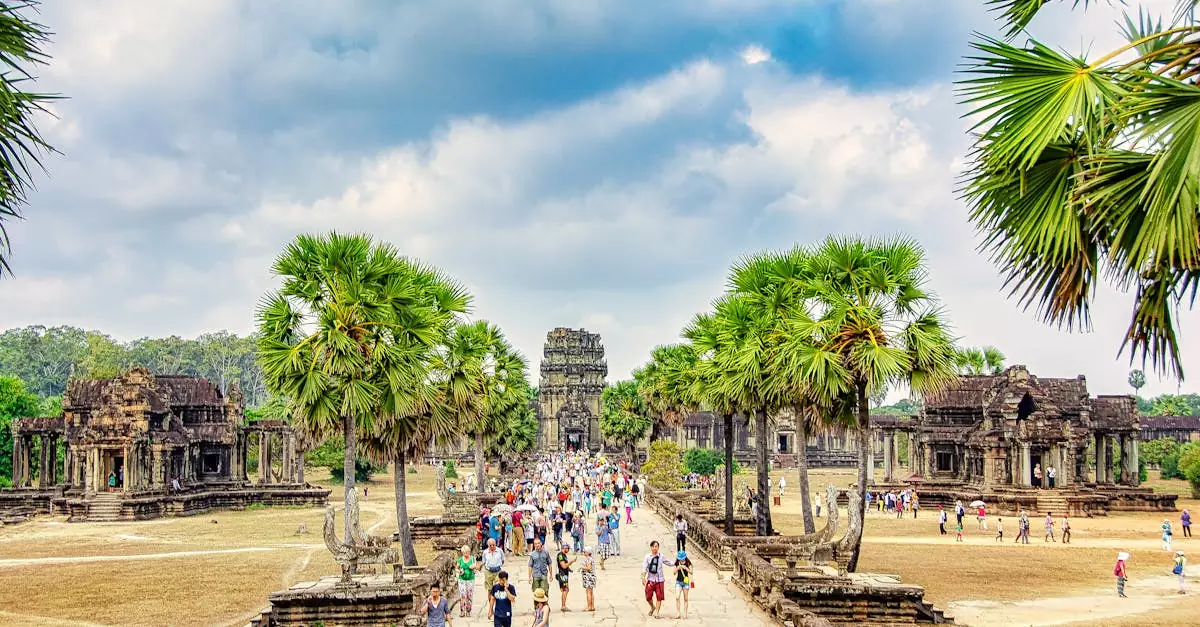
Examining costs between Siem Reaps peak dry season and the shoulder seasons reveals notable savings. The height of the dry season, from December to February, offers the best weather but also the highest prices for accommodations and other services. Shoulder months like November and March-April present a worthwhile alternative. These periods still enjoy favorable weather but with smaller crowds and more affordable rates.
November marks the end of the wet season transitioning into dry, leaving the landscape lush alongside comfortable temperatures. While hotel prices start to climb, they havent yet hit their peak. Similarly, March and April tend to warm up as the hot season approaches, but before the intense heat arrives, travelers can find appealing deals. This timing strikes a balance between pleasant weather and reduced expenses, making it a smart choice for those seeking to avoid the steepest siem reap peak season cost.
The table below offers a snapshot of average hotel prices by season. Although these figures may vary by hotel category and how early you book, they highlight the financial advantages of the shoulder season. This insight aids travelers in selecting travel dates that align with both budget and comfort, ultimately lowering overall Cambodia travel costs.
| Accommodation Type | Peak Dry Season (Dec-Feb) | Shoulder Season (Nov, Mar-Apr) | Wet Season (May-Oct) |
|---|---|---|---|
| Budget Guesthouse/Hostel | $20 – $40 | $15 – $30 | $10 – $20 |
| Mid-Range Hotel (3-star) | $60 – $120 | $40 – $80 | $25 – $50 |
| Luxury Hotel/Resort (4-5 star) | $150 – $350+ | $100 – $250 | $70 – $150 |
Accommodation Types and Their Costs
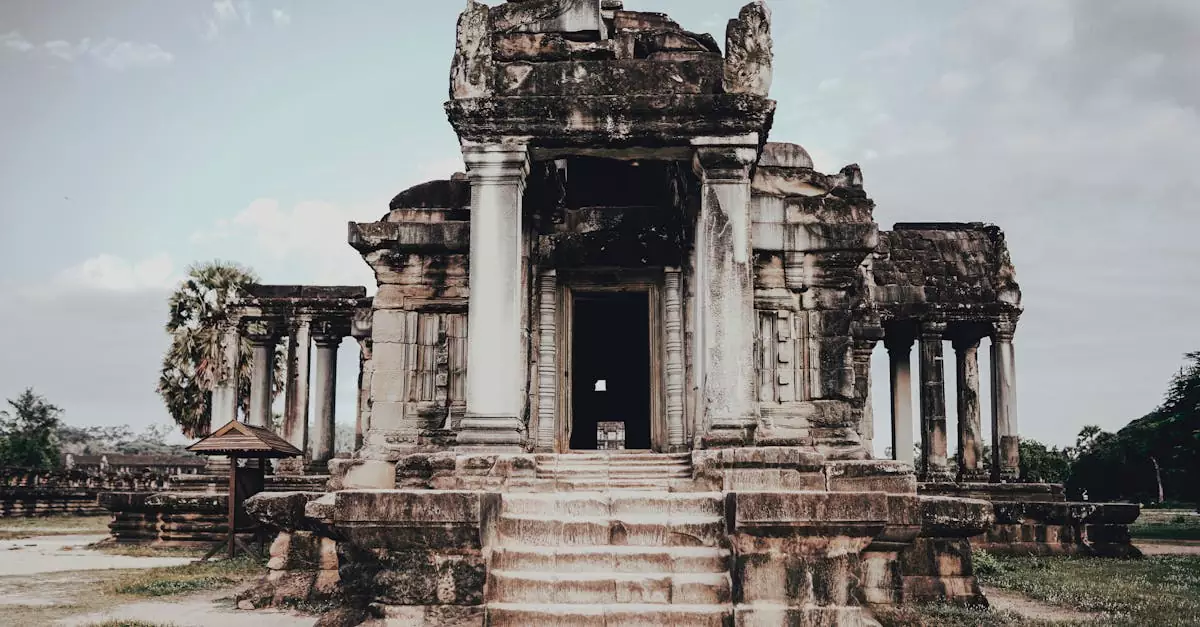
Siem Reap caters to all budgets with a variety of lodging choices. Familiarity with these categories helps identify the best value within the siem reap dry season hotel price spectrum. Hostels and budget guesthouses appeal mainly to backpackers and solo travelers. Even during the dry season, dorm beds typically range from $5 to $15 per night, while private rooms in guesthouses cost around $20-$40. These accommodations generally include basic perks such as Wi-Fi and sometimes a simple breakfast, making them suitable for travelers seeking affordable options.
Mid-range hotels, often 3-star establishments, strike a good balance between comfort and cost, with prices from $60 to $120 per night in the dry season. These properties usually feature amenities like swimming pools, air conditioning, and on-site dining. Positioned slightly away from the busiest parts of town, they offer a quieter environment while staying close to main attractions. Couples and families often favor these for their combination of convenience and comfort without the premium price.
For those looking to indulge, Siem Reap boasts many luxury hotels and resorts. These upscale options, spanning 4- and 5-star ratings, can command $150 to over $350 per night during the dry season. Guests enjoy extensive facilities such as multiple pools, spas, gourmet restaurants, and personalized services. Many incorporate traditional Khmer design, enhancing the cultural experience. Private villas are also available at some resorts, delivering an exceptional stay for travelers willing to invest more.
Pros and Cons of Dry Season Travel in Siem Reap
Visiting Siem Reap in the dry season brings several advantages alongside some drawbacks. The weather stands out as the biggest plusclear skies, reduced humidity, and moderate temperatures create ideal conditions for temple visits. This climate lets you comfortably explore sites like Angkor Wat, Bayon, and Ta Prohm for extended periods without battling rain or oppressive heat. Photographers benefit from excellent lighting at sunrise and sunset. Outdoor activities such as cycling and boat excursions on Tonl Sap Lake also shine during this time. The city itself buzzes with energy, from lively markets to vibrant nightlife.
On the downside, the dry season means higher expenses across the boardnot just for hotels but also flights, tours, and sometimes dining. Popular attractions become crowded, resulting in longer waits for tickets and a less tranquil atmosphere at the temples. The surge in visitors demands early reservations, which limits spontaneity. Experiencing the sunrise at Angkor Wat often requires rising early and patience amid crowds. Despite these challenges, many find the favorable weather more than makes up for the inconveniences.
- Pros:
- Comfortable, dry weather perfect for sightseeing.
- Lower humidity and pleasant temperatures.
- Ideal lighting conditions for photography.
- Energetic city vibe with more tour options.
- Easier access to distant temples due to dry roads.
- Cons:
- Increased costs for accommodation and travel.
- Heavy crowds at key tourist spots.
- Advance bookings reduce flexibility.
- Competition for popular tours and guides.
- Dusty conditions on unpaved roads.
Smart Booking Strategies for Your Siem Reap Stay
Getting the best siem reap dry season hotel price hinges on careful planning and savvy booking. The top recommendation is to secure your accommodation several months in advanceideally 3 to 6 months before your trip. This is especially important during peak months like December and January. Early reservations often unlock better rates and a broader choice of rooms. Many hotels offer discounts for early bookings or non-refundable deals that can save you money, which is vital for managing siem reap peak season cost.
Traveling during shoulder months such as November or March can also help. These months fall within the dry season but generally see less demand and more competitive pricing. You still enjoy pleasant weather without the extreme crowds or top-tier prices. Flexibility with your travel dates can yield savings, as shifting your trip by a few days sometimes results in better deals. Utilizing price comparison tools and setting alerts helps track fluctuations and seize discounts when prices dip. Cambodias diverse offerings mean that planning ahead lets you enjoy a fuller experience.
Booking directly with hotels shouldnt be overlooked. Sometimes, exclusive deals appear only on official hotel websites, unavailable on third-party platforms. Joining loyalty programs can bring perks and discounts as well. Staying just outside the city center, a bit away from Pub Street or the Old Market, often means lower rates without sacrificing convenience, thanks to easy tuk-tuk access. For additional travel information, check out Tourism Cambodia.
Important Tips to Prevent Common Mistakes:
- Tip 1: Verify Location Carefully. Make sure to confirm your hotels exact location. Some budget options might be distant from main attractions, leading to higher transport costs and time wastage.
- Tip 2: Read Recent Reviews. Hotel standards can change over time. Focus on recent feedback across multiple platforms to ensure the accommodation still meets expectations regarding cleanliness, service, and amenities.
Reality Check Insight:
Though the dry season offers excellent weather, prepare for dusty conditions, especially when traveling by tuk-tuk on unpaved roads. Carrying a scarf or mask can help protect you. Additionally, the high tourist volume at popular temples means solitude is rare. Embrace the shared experience and focus on the grandeur of the sites themselves.
FAQs About Siem Reap Dry Season Travel
What is the best month to visit Siem Reap during the dry season?
December and January are often favored for their steady, pleasant temperatures and minimal rainfall. However, these months also bring the highest number of visitors and peak hotel prices. November and February strike a good middle ground with favorable weather and slightly lighter crowds.
Are hotel prices negotiable in Siem Reap during the dry season?
Due to strong demand, hotel rates during the dry season rarely offer room for negotiation. Small guesthouses might occasionally provide discounts for extended stays, but established hotels seldom lower prices. Booking early remains the most dependable way to save.
What is a typical daily budget for a mid-range traveler in Siem Reap during the dry season?
On average, mid-range travelers should budget around $70 to $120 daily. This covers accommodation ($60-$100 for mid-range hotels), meals ($15-$25), transportation (approximately $10-$15 for tuk-tuks), and Angkor Wat entrance fees ($37 for a one-day pass). This estimate excludes major splurges or extensive shopping.
Does booking a package tour save money on dry season hotels?
Package tours sometimes offer hotel discounts through pre-arranged rates. However, its wise to compare the total package cost with booking flights, hotels, and tours separately. Make sure the package matches your desired hotel quality and itinerary.
What are some good areas for budget accommodation in Siem Reap?
Neighborhoods a little removed from Pub Street and the Old Market, such as Wat Bo or near the Royal Residence, often feature more affordable guesthouses and hotels. These areas remain easily reachable by short tuk-tuk rides and provide a quieter, more local atmosphere.
Final Thoughts on Your Siem Reap Dry Season Hotel Price
Managing the siem reap dry season hotel price takes thoughtful planning but is entirely achievable. The dry season delivers unbeatable weather for uncovering the ancient marvels of Angkor, yet brings heightened demand and pricier accommodations. By understanding these factors, travelers can make choices that blend comfort with budget. Early reservations, opting for shoulder season visits, and exploring varied lodging types all contribute to a successful journey.
The value of experiencing Siem Reap under its most favorable weather often justifies the higher siem reap peak season cost. Witnessing Angkor Wat beneath clear skies is a memory that lasts a lifetime. Whether you settle into a budget guesthouse or indulge in a luxury resort, planning ahead ensures you get the best deal possible. Your Cambodian adventure, rich in history, culture, and unforgettable moments, awaits.