Thinking about exploring Southeast Asia? Thailand consistently ranks as a top choice for student travelers thanks to its breathtaking beaches, historic temples, and lively urban scenes. A common question among students is how much the thailand travel cost for students really amounts to. Can it actually fit within a tight budget?
Fortunately, Thailand is known for being very wallet-friendly. With careful preparation, you can dive deep into its rich cultural tapestry without overspending. This resource breaks down the typical costs youll encounter, from airfare to everyday activities, helping you stretch your funds further during your stay.
Well explore expenses like lodging, meals, transportation, and entertainment in detail. Designed as a thorough thailand student budget guide, it aims to equip you with everything needed to plan an unforgettable journey through Thailand while keeping costs manageable.
Understanding Your Thailand Travel Cost for Students
Before setting off, getting a clear picture of your main expenses is crucial. The overall thailand travel cost for students fluctuates depending on your travel preferences. Are you the type to rough it out on a shoestring, or do you lean toward some added comfort? Key spending areas include flights, lodging, food, local transportation, and activities. Each offers budget-friendly alternatives if youre willing to be flexible. Timing your trip during the shoulder season helps dodge peak prices for flights and accommodations.
Airfare often takes the biggest bite out of your budget upfront. Once you land, though, day-to-day costs tend to be pleasantly low. Thailands street food scene is famous for affordable yet delicious options. Getting around locally wont drain your wallet either, with many attractions like temples charging little to nothing for entry. Where you choose to stay plays a big role in your overall expenses. Hostels, popular among students, provide dormitory beds or private rooms at reasonable rates. Researching accommodation prices in advance is essential for setting a realistic daily budget. Dont forget to include visa fees if needed, along with travel insurance for added security.
Separating your fixed expensessuch as flights and pre-booked toursfrom daily spending on meals, local travel, and spontaneous outings is a smart budgeting strategy. Keeping a close eye on these categories ensures better financial control. This guide offers practical suggestions to help you lower your costs and enjoy Thailand without money worries. Lets take a closer look at where to cut costs across each category.
Flights to Thailand: Finding Student Deals
Airfare usually represents a large chunk of the thailand travel cost for students. Securing cheap tickets is essential for traveling on a budget. Begin hunting for flights several months aheadbooking 3 to 6 months in advance often uncovers better deals. Being flexible with travel dates can also lead to savings. Flying on weekdays or during off-peak times generally costs less. Use flight comparison tools like Google Flights or Skyscanner to scan multiple airlines and spot the cheapest travel days.
Bangkok airports (BKK and DMK) serve as major international gateways with more competitive fares than smaller regional airports. From there, affordable domestic flights or ground transport options are plentiful. Dont forget to look out for student discounts offered by airlines or travel agencies. Always double-check baggage rulesbudget carriers tend to charge extra for checked luggage, so packing light can help avoid additional fees.
Sometimes booking connecting flights rather than direct ones can reduce costs, but be sure to allow plenty of time between connections to avoid stress or missed flights. Another trick is flying into neighboring countries like Kuala Lumpur or Singapore, then hopping on a budget airline such as AirAsia to reach Thailand. Just be sure to factor in any extra costs like overnight stays. Taking time to research pays off by helping you find the best deals for your journey.
Accommodation on a Student Budget in Thailand
Where you stay forms a major part of the thailand travel cost for students. Thankfully, Thailand offers a broad spectrum of inexpensive lodging choices. Hostels remain the go-to for many students, offering dormitory beds at budget-friendly prices. In Bangkok, a bed in a shared dorm might run between 200 and 400 THB (around $6 to $12 USD) nightly. Besides being economical, hostels are great spots to meet fellow travelers. Many come with perks like free Wi-Fi and sometimes breakfast. Prioritize hostels with good reviews and convenient locations to save on daily transport costs.
If privacy is a priority, guesthouses provide a cozy alternative, often family-run with private rooms featuring fans or air conditioning. Expect to pay between 400 and 800 THB (approximately $12 to $24 USD) per night. Budget hotels offer similar rates with basic amenities. Make sure to confirm if air conditioning is includedit can make a big difference in Thailands tropical heat. Websites like Booking.com and Agoda let you filter options by price and user ratings. Booking your initial nights before arrival can ease first-day stress. For advice on timing your visit to snag better deals, check out our best time to visit guide.
Choosing lodging away from the busiest tourist districts can also trim costs. In Bangkok, areas such as Sukhumvit or Silom tend to be pricier. Consider staying near Khao San Road for a backpacker vibe or explore Phra Khanong for a more local atmosphere at lower prices. Always read recent reviews to get a sense of cleanliness and safety. Many hostels offer discounts for extended staysif you plan to remain in one city for a while, ask about weekly rates. Sharing a private room with a travel companion is another way to save.
Delicious & Affordable Food in Thailand
When it comes to food, your thailand travel cost for students can be remarkably low. Thailand is a haven for budget-conscious food lovers. Street food dominates the scene, offering tasty, authentic dishes at tiny prices. A plate of Pad Thai or a bowl of noodle soup typically costs between 40 and 70 THB (roughly $1.20 to $2.00 USD). Sampling street food is also a cultural adventure. Look for stalls crowded with localsthats usually a sign of fresh ingredients and top-notch flavor. Dont hesitate to try new flavors, from fiery curries to refreshing fruit shakes.
Local markets and shopping mall food courts also deliver great value. Food courts provide a clean, air-conditioned environment with a wide selection of dishes priced similarly to street vendors. A full meal here might cost 60 to 100 THB ($1.80 to $3.00 USD). Steer clear of restaurants in tourist-heavy areas, as they often charge more for comparable meals. Picking up a few Thai phrases, like ‘mai phet’ (meaning ‘not spicy’), can enhance your ordering experience. Carrying small bills is helpful since many street vendors prefer exact change.
Breakfast options are usually simple and affordable. Many hostels include it, but otherwise a fruit shake or a bakery pastry makes a light and cheap start to the day. Staying hydrated is importantbottled water costs about 10-20 THB. To save, bring a reusable bottle and refill it at hostels or cafes offering water stations, which also helps reduce plastic waste. Sampling Thailands vibrant cuisine is one of the trips highlights, and its low cost means you can indulge often without guilt. Exploring local flavors offers a genuine taste of the countrys rich heritage.
Getting Around: Student-Friendly Transport Options
Getting around Thailand on a budget is straightforward thanks to its variety of transport methods. Your thailand travel cost for students in this category can stay very low. Bangkoks BTS Skytrain and MRT subway systems are both affordable and efficient, with fares ranging from 16 to 59 THB ($0.50 to $1.80 USD) per ride. These options are great for avoiding the citys traffic jams. For shorter trips, motorcycle taxis provide quick transport at about 20 to 100 THB. Always agree on the price before hopping on. Tuk-tuks, while iconic, tend to be more expensive and are best for the experience rather than daily commuting. Always negotiate fares beforehand.
Buses rank as the cheapest way to travel within cities and between provinces. City buses charge as little as 8 to 25 THB, while long-distance buses are also very economicaltraveling from Bangkok to Chiang Mai by bus may cost between 500 and 800 THB ($15 to $24 USD), a fraction of flight prices. Overnight buses help save on accommodation costs. Trains offer a scenic alternative for inter-city trips, albeit slower; third-class seats are extremely affordable, such as the 20 THB fare from Bangkok to Ayutthaya. This mode also delivers an authentic travel vibe.
Ride-hailing apps like Grab, Southeast Asias version of Uber, provide fixed fares for taxis and motorcycles, eliminating the need to haggle. These services tend to be pricier than local buses or trains but offer convenience and safety. For island hopping, ferries and longtail boats are the main options, with fares varying depending on distancefor instance, a ferry from Krabi to Koh Phi Phi costs around 300 to 450 THB. Always compare prices and choose trustworthy operators. Walking remains free and is an excellent way to explore, especially in smaller towns or specific neighborhoods. Using a mix of these transport modes keeps travel costs manageable.
Activities and Attractions: Maximizing Fun on a Dime
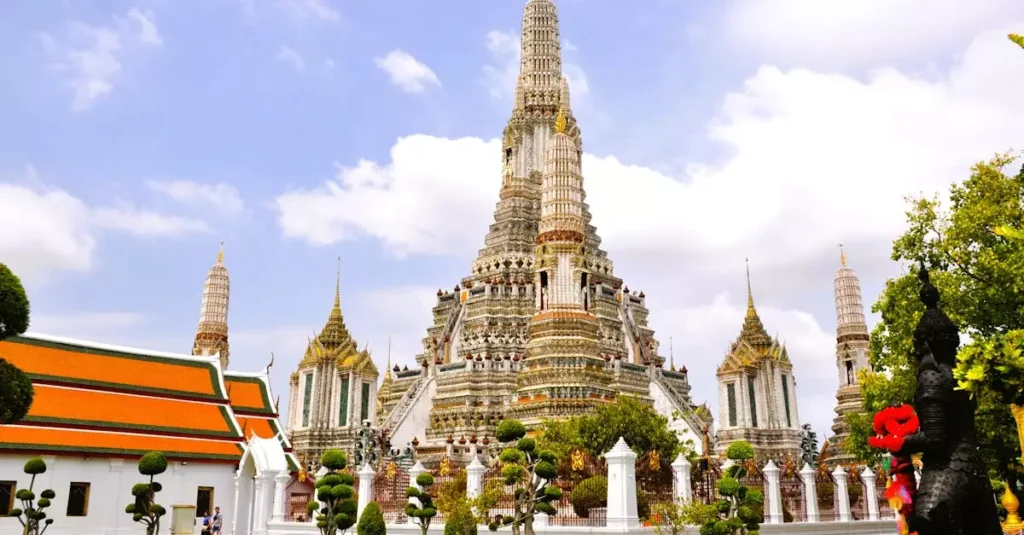
Experiencing Thailands sights doesnt have to drain your budget. Managing your thailand travel cost for students when it comes to activities is quite doable. A number of Thailands stunning temples, like Wat Arun and Wat Pho in Bangkok, allow free entry or ask for a small donation. Others, such as the Grand Palace, charge an entrance fee of around 500 THB. Prioritize which paid sites are must-sees for you. Markets like Chatuchak Weekend Market offer hours of free entertainment and excellent people-watching. Public green spaces like Lumpini Park in Bangkok provide peaceful spots to relax at no cost.
Thailands natural beauty is also accessible without overspending. Many beaches are open to the public free of charge. National parks usually require entrance fees, such as 300 THB for foreigners at Erawan National Park. Free walking tours are available in many cities, where guides work for tips and share local history and insights. Cooking classes, while pricier (800-1500 THB), can be worth it since they include a meal and a fun experiencegroup discounts might be available if youre traveling with friends.
Student discounts are rare, so its best not to count on them, though it never hurts to ask. Focus instead on naturally affordable or free activities. Snorkeling and diving can be expensive but look for single-day trips rather than multi-day packages to save. Exploring local neighborhoods on foot reveals hidden gems and authentic culture at no cost. For more comprehensive advice on managing your overall travel budget, check out our comprehensive travel budget guide. Sometimes the simplest pleasures, like watching a sunset or soaking up the atmosphere, create the most memorable moments.
Sample Thailand Student Budget Guide: Daily Breakdown
To give a clearer idea, heres a sample thailand student budget guide outlining typical daily expenses. This helps you estimate your own thailand travel cost for students. It contrasts an ultra-budget traveler with someone opting for a mid-range student budget. These figures reflect common costs in popular areas such as Bangkok, Chiang Mai, and the islands, though prices can shift depending on season and location. Always build in a buffer for unexpected expenses or splurges.
| Category | Ultra-Budget (THB/day) | Mid-Range Student (THB/day) |
|---|---|---|
| Accommodation (Hostel Dorm/Private) | 200-350 | 400-700 |
| Food (Street Food/Local Eateries) | 150-250 | 250-400 |
| Local Transport (Bus/MRT/BTS/Walk) | 50-100 | 100-200 |
| Activities/Attractions (Free/Low-Cost) | 50-150 | 150-300 |
| Miscellaneous (Water, Snacks, etc.) | 50-100 | 100-150 |
| Total Daily Estimate | 500-950 THB (~$15-$28 USD) | 1000-1750 THB (~$30-$52 USD) |
These estimates exclude international airfare and major tours, focusing instead on daily living costs. The ultra-budget traveler might stick to dorm rooms, street food, and public transport, while the mid-range student might prefer private hostel rooms or guesthouses, a mix of street and sit-down meals, and occasional Grab rides. Use this table as a starting point, then tailor your budget according to your travel style and preferences.
Pros and Cons of Student Travel in Thailand
Traveling in Thailand as a student brings unique benefits alongside some challenges. Knowing these ahead of time helps you prepare better. For many young travelers, the advantages clearly outweigh the downsides. One of the biggest perks is the countrys remarkable affordability. Your thailand travel cost for students can be surprisingly low, allowing longer trips or more activities. The delicious, cheap food and budget-friendly accommodations suit students perfectly. Plus, Thailand offers deep cultural immersion with its ancient temples, bustling markets, and fascinating traditions. Interacting with locals enriches the experience even further.
Another plus is Thailands well-developed tourist infrastructure. Getting around is straightforward, even for first-timers. The nation is generally safe and welcoming, and youll likely meet many fellow young travelers, opening doors to new friendships and shared adventures. The diverse landscapefrom northern mountains to southern islandsensures theres always something fresh to explore. You can move from vibrant cities to serene beaches within a single trip, keeping your journey exciting and varied.
Pros:
- **Affordability:** Low daily costs for food, transport, and lodging.
- **Rich Culture:** Deep engagement with Thai customs, temples, and history.
- **Delicious Food:** World-famous cuisine available at budget-friendly prices.
- **Diverse Landscapes:** Options range from mountains to tropical beaches.
- **Social Opportunities:** Plenty of chances to meet fellow travelers in hostels and social spots.
- **Accessibility:** Strong tourist infrastructure makes getting around easy.
On the flip side, some challenges exist. Thailands tropical climate can be intense, with high heat and humidity that some find uncomfortable, especially during certain times of the year. Outside major tourist hubs, English isnt widely spoken, which may cause communication hurdles. Tourist scams happen, so staying alert and informed is important. Popular destinations can get crowded, sometimes detracting from the experience. Long travel distances between places can be tiring, particularly if relying on slower budget transport. Despite these minor issues, most travelers find the overall experience rewarding and positive.
Cons:
- **Climate:** High temperatures and humidity can be challenging.
- **Language Barrier:** English is not universally spoken, especially outside tourist areas.
- **Tourist Crowds:** Popular spots can be very busy and sometimes overwhelming.
- **Potential Scams:** Travelers should remain cautious in tourist-heavy zones.
- **Travel Fatigue:** Long journeys between destinations may cause tiredness.
Practical Tips for Saving Money in Thailand
Stretching your budget is essential when managing your thailand travel cost for students. Here are some handy tips to keep expenses low. First, get comfortable with bargaining. Haggling is expected in markets and with tuk-tuk drivers. Always negotiate politely and aim for a discount of around 20-30%. Dont hesitate to walk away if the price feels too steepyoull often find similar deals nearby. This skill can save you a surprising amount over time.
Stick to local street food whenever possible. Its the best way to enjoy authentic flavors affordably. Even local restaurants tend to be pricier than street vendors. Choose stalls bustling with locals to ensure freshness and quality. Drink only filtered water or buy large bottles to stay hydrated safely. Better yet, carry a reusable water bottle and refill it at hostels or cafes offering refill stations, which also helps reduce plastic waste.
Use public transport as much as possible. Buses and trains cost far less than taxis or private transfers. Bangkoks BTS and MRT systems offer excellent value for city travel. For longer journeys, overnight buses or trains save on accommodation expenses. Avoid unnecessary shopping splurges; focus on experiences over souvenirs. If visiting multiple temples or attractions, check if combo tickets are available for discounts. Getting a local SIM card is a smart movedata plans are inexpensive and help you navigate and communicate without costly roaming fees. Discovering Thailands rich history on Wikipedia can deepen your appreciation of the places you visit.
Travel in the shoulder seasons (April to May and September to October) when flights and accommodation rates drop but the weather remains agreeable. Avoid major holidays like Songkran (Thai New Year) unless you want to join the festivitiesprices spike during these periods. Notify your bank before traveling to prevent card blocks. Use ATMs from major banks to minimize fees and withdraw larger sums less often to cut transaction charges. Always opt to be charged in Thai Baht (THB) when using your card to secure better exchange rates. Following these tips will help keep your thailand travel cost for students comfortably low.
FAQs about Thailand Travel Cost for Students
How much money do I need for a month in Thailand as a student?
For a month-long stay, an ultra-budget student might spend between 15,000 and 28,500 THB (approximately $450 to $850 USD). A mid-range student budget could range from 30,000 to 52,500 THB (around $900 to $1,575 USD). These figures exclude international flights and focus on daily living costs.
Is Thailand cheap for students?
Generally, yes. Thailand offers very affordable options for students, especially compared to Western countries. Costs for lodging, food, and local transport remain low, allowing you to enjoy a rich travel experience without spending a fortune.
What is the cheapest way to travel around Thailand?
The most economical modes of transport are local buses and trains. For inter-city trips, overnight buses help save on accommodation costs. Within cities, walking and using public transit like Bangkoks BTS or MRT offer the best value.
Can I get student discounts in Thailand?
Student discounts are uncommon in Thailand. Some international student ID cards might offer small reductions at certain museums or attractions, but these are not widespread. Its worth asking, but dont rely on them.
What are the biggest expenses for students traveling to Thailand?
The largest costs usually come from international flights. Inside Thailand, major tours, diving lessons, or extensive island hopping add up. Daily expenses for food and basic accommodation remain very affordable.
Conclusion: Your Affordable Thai Adventure Awaits
Traveling to Thailand as a student is well within reach. Knowing the typical thailand travel cost for students helps you budget smartly from the start. From scoring cheap flights to savoring delicious street food, you now have the tools to navigate cities and enjoy attractions without overspending. Thailand delivers exceptional value with its vibrant culture, stunning scenery, and warm hospitality.
Focus your spending wisely by choosing hostels, eating local food, and relying on public transport. Embrace bargaining and immerse yourself in the local lifestyle. Your journey through Bangkoks energetic streets, Chiang Mais tranquil temples, and the pristine beaches of the south is closer than you think. This thailand student budget guide empowers you to make informed decisions and create unforgettable memories without financial strain.
Begin planning your itinerary now. With thoughtful preparation, your Thai adventure will be both enriching and budget-friendly. Thailand awaits with open armsheres to a fantastic trip ahead. Safe travels!