

Picking between Thailand and Malaysia for your upcoming Southeast Asia trip can be challenging. Both destinations offer unforgettable experiences, but your budget often becomes a deciding factor. Knowing how costs differ between the two can make your planning much easier.
Travelers frequently wonder which country will stretch their money further. This breakdown covers the main expenses youll encounter, including lodging, meals, transportation, and activities. It aims to give you a clear comparison of the thailand vs malaysia travel cost.
By sharing realistic daily expense estimates, you’ll get a better sense of what to expect in each place. This knowledge helps you prepare your finances and choose the destination that best suits your budget, so you can plan your dream trip without surprises.
Understanding Your Travel Budget for Southeast Asia
Creating a budget is essential before embarking on any trip. How much you spend depends greatly on your travel habits and style. Are you planning to backpack or opt for more comfort? The duration of your visit also plays a rolelonger stays often allow for discounts on accommodations and other bookings.
Thailand and Malaysia both cater to a wide range of budgets. From inexpensive hostels to luxury resorts, theres something for everyone. Street food is abundant and cheap, though dining at Western-style restaurants can quickly increase your costs. This guide mainly targets mid-range travelers but also touches on both budget and luxury options.
Dont forget to factor in currency exchange rates, which can influence how far your money goes abroad. Unexpected expenses like visa fees, insurance, or medical emergencies should be accounted for as well. Keeping some extra funds aside is wise, making your trip less stressful and more enjoyable.
Knowing an approximate daily spending rangecovering accommodation, meals, local transport, and entrance feescan help you set realistic expectations. This will make it easier to decide which country aligns better with your financial plans.
Prices tend to fluctuate depending on the season. Peak periods usually bring higher rates, while traveling during shoulder seasons often means lower costs and fewer tourists. Being flexible with your dates can offer significant savings, especially on flights and popular lodgings.
Accommodation Costs: Where to Rest Your Head
Lodging often takes up a large part of a travel budget. Both Thailand and Malaysia provide a spectrum of places to stay, from budget hostels to high-end hotels, but their price points show some differences.
In Thailand, cities like Bangkok and Chiang Mai, along with the well-known islands, offer hostels costing between $8 and $15 per night. Guesthouses typically fall in the $20 to $40 range, mid-range hotels run between $45 and $80, and luxury properties start around $100, often increasing from there. Island accommodations, such as in Phuket or Koh Lanta, may be pricier than those on the mainland.
Malaysias lodging tends to be a bit more expensive. Hostels in Kuala Lumpur or Penang usually start at $12 to $25 per night. Guesthouses range from $30 to $50, while mid-range hotels are priced between $60 and $100. Luxurious stays often begin around $120. Notably, Malaysias accommodations often feature more modern amenities at similar price points, especially in urban areas.
Securing reservations early can lead to better deals in both countries, particularly during busy seasons. Platforms like Agoda or Booking.com make it easy to compare options. Sometimes, staying a little outside main tourist centers can save you money. Always check reviews to make sure your choice meets expectations. Lodging choices significantly affect your overall thailand vs malaysia trip price.
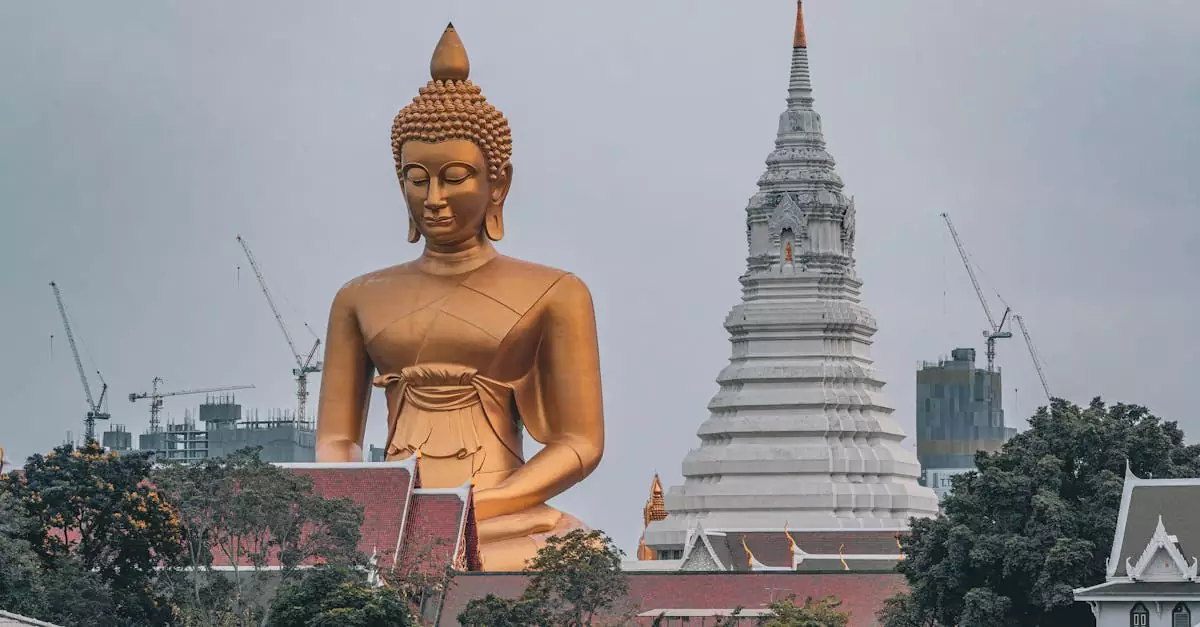
Thailand vs Malaysia Travel Cost: Food and Dining
Food often stands out as a highlight when visiting Southeast Asia. Both Thailand and Malaysia boast vibrant culinary scenes filled with affordable, delicious options. Still, the way food is priced varies slightly between the two.
Thailand is renowned for its cheap, flavorful street food. You can enjoy a full meal from a street vendor for just $2 to $5, with popular dishes like Pad Thai, green curry, or mango sticky rice. Meals at local restaurants range from $5 to $10, while Western or tourist-heavy areas typically charge $15 to $25 per person. Fresh fruit shakes are inexpensive, usually $1 to $2, and beer in local bars is both easy to find and reasonably priced.
Malaysia also shines with its street food and hawker centers, where meals cost between $3 and $7. Favorites include Nasi Lemak, Laksa, and Char Kway Teow. Dining at local restaurants might cost you $7 to $12, while Western-style meals generally fall in the same $15 to $25 range as Thailand. However, alcohol tends to be pricier in Malaysia due to higher taxes, with beer prices around $5 to $8 in restaurants, which can add up if you drink regularly.
Both nations feature fresh markets and local produce, making it possible to cook your own meals if lodging allows. Still, with such affordable street food, many travelers prefer eating out. Exploring markets doubles as a cultural adventure, and the vast array of dishes ensures theres always something new to try. Keeping to local fare helps keep food budgets low.
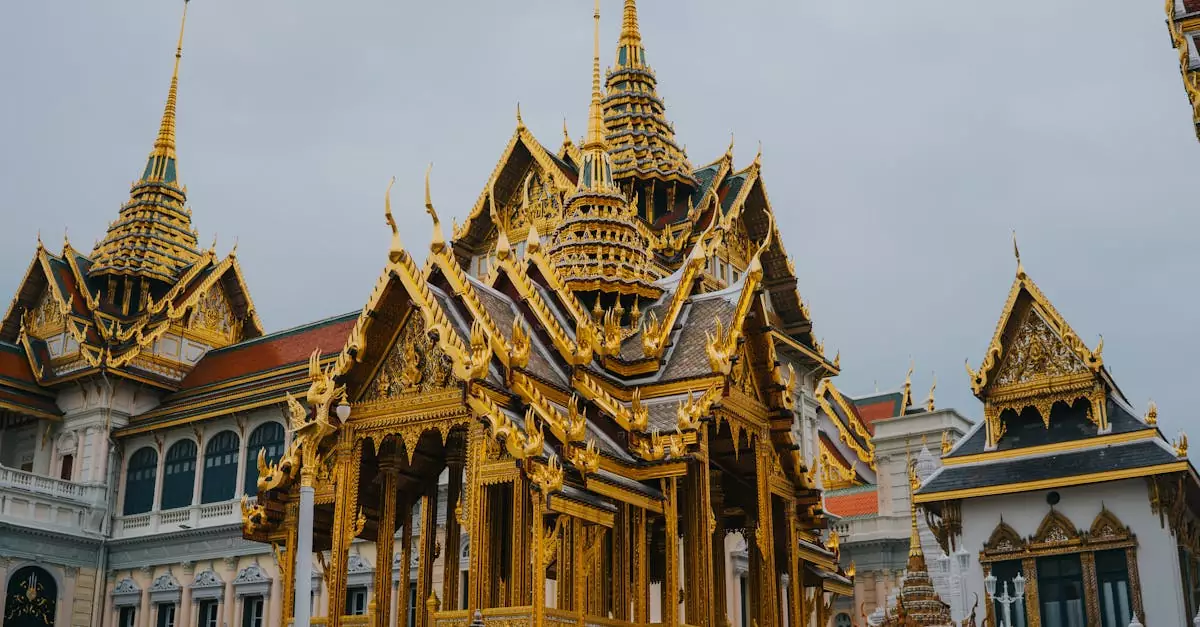
Transportation Expenses: Getting Around
Transportation is a key budget category in both Thailand and Malaysia, each offering extensive networks that suit different travel preferences and budgets.
Thailands urban transport, like Bangkoks BTS Skytrain and MRT subway, is affordable with fares between $1 and $2 per ride. Taxis and Grab ride-hailing services are popular; typical short taxi trips cost $3 to $7. Tuk-tuks, while iconic, tend to be more expensive for tourists. For traveling between cities, overnight buses are cheap, around $15 to $30, and trains provide various options and prices. Domestic flights are plentiful, with budget airlines like AirAsia offering fares from $30 to $80 if booked early, such as flights from Bangkok to Chiang Mai.
Malaysias cities also have efficient transport systems. Kuala Lumpur features the LRT, MRT, and monorail, with fares similar to Bangkoks, usually $1 to $3. Grab is widely used and often cheaper than taxis. Express buses offer comfortable inter-city travel at $10 to $25 for longer routes. The KTM train network is reliable, and domestic flights between cities like Kuala Lumpur, Penang, and Langkawi run from $25 to $70. Malaysias transport costs and quality are comparable to Thailands, sometimes benefiting from newer infrastructure.
Renting scooters or motorbikes is a popular way to explore, particularly on islands or in rural areas, with daily rentals around $5 to $10. Always wear a helmet and ensure you have insurance, while staying mindful of local traffic rules. Traveling across borders by bus or train between Thailand and Malaysia is also possible, with flights offering quicker alternatives.
Activities and Attractions: What to See and Do
Costs for activities and attractions vary widely depending on your interests. Both countries offer a rich mix of cultural, historical, and natural sites, many of which are budget-friendly or free.
In Thailand, many temples (wats) ask for no entry fee or a small donation of $1 to $3. The Grand Palace and Wat Pho in Bangkok charge higher fees, roughly $10 to $15. Foreign visitors often pay $5 to $10 to enter national parks. Island hopping tours cost between $30 and $70, depending on length and inclusions. Cooking classes are popular and typically range from $30 to $50. Snorkeling and scuba diving are pricier activities, starting around $50 to $100 per day. Exploring local markets offers a free cultural experience, and hiking in national parks is another affordable option.
Malaysia features many free or low-cost attractions as well. The Petronas Twin Towers Skybridge ticket costs about $20 to $25. Museums usually charge between $3 and $10. National parks like Taman Negara require entrance fees and sometimes extra charges for guided tours. Boat tours or snorkeling trips around islands run from $40 to $80. The UNESCO-listed streets of George Town in Penang are free to wander, and the Batu Caves near Kuala Lumpur have no entry fee, though some temples inside may request a small donation. More details on Malaysias attractions can be found on Wikipedia’s Malaysia page.
Whether you prefer free cultural exploration or paid adventure tours, both countries offer a variety of choices to fit your budget. Checking official sites before visiting helps avoid unexpected costs, and discounts are often available for students and children.
Thailand vs. Malaysia: A Cost Comparison Table
This table offers a snapshot of typical daily expenses for a mid-range traveler in each country. These figures are approximate and will vary depending on your travel style and choices. It clearly illustrates the differences in thailand vs malaysia travel cost.
| Category | Thailand (USD per day) | Malaysia (USD per day) |
|---|---|---|
| Accommodation (Mid-range hotel) | $45 – $80 | $60 – $100 |
| Food (Local meals) | $15 – $25 | $20 – $35 |
| Local Transportation | $5 – $15 | $7 – $20 |
| Activities/Attractions | $10 – $30 | $15 – $40 |
| Miscellaneous/Buffer | $10 – $20 | $10 – $20 |
| Total Daily Estimate | $85 – $170 | $112 – $215 |
Overall, Thailand tends to be more affordable, especially when it comes to lodging and food. Malaysia, on the other hand, offers good value with its modern facilities. Your actual daily costs will depend on how you choose to travel, but this table provides a helpful benchmark for budgeting.
Pros and Cons of Budget Travel in Each Country
Choosing between Thailand and Malaysia for budget travel means weighing their distinct benefits and drawbacks. Each country delivers unique experiences, but their pricing and atmospheres differ.
Thailand: Pros and Cons for Budget Travelers
- Pros:
- Very Affordable Food: Street food is both cheap and delicious.
- Lower Accommodation Prices: Plenty of budget hostels and guesthouses available.
- Established Tourist Infrastructure: Easy to access budget tours and transport options.
- Many Free Attractions: Numerous temples and markets cost nothing to enjoy.
- Cons:
- Crowded Popular Areas: Tourist hotspots, especially islands, can feel busy and commercialized.
- Scams Exist: Some tourist spots have common scams, so staying alert is important.
- Language Barriers: English may not be widely spoken outside tourist centers.
Malaysia: Pros and Cons for Budget Travelers
- Pros:
- Modern Infrastructure: Excellent public transit and well-maintained roads.
- Cultural Diversity: A rich mix of Malay, Chinese, and Indian influences.
- Good Mid-Range Value: Often higher quality accommodations for moderate prices.
- English is Commonly Spoken: Communication is easier for many travelers.
- Cons:
- Costs Are Slightly Higher: Accommodation and alcohol tend to cost more.
- Lacks Backpacker Vibe: Fewer very low-cost hostels or backpacker hubs.
- Alcohol Restrictions: Availability and prices are affected by religious laws.
Which country suits you best depends on your travel priorities. If you want ultra-low prices and a bustling backpacker atmosphere, Thailand is a strong choice. For those valuing modern comforts and cultural variety, Malaysia is a great option.
Practical Tips for Saving Money
Sticking to a budget while traveling takes some planning and smart decisions. Here are practical strategies that can help you cut down your thailand vs malaysia travel cost.
- Eat Local: Focus on street food vendors and hawker stalls for authentic, affordable meals. Avoid pricey Western restaurants unless planned for.
- Use Public Transportation: Buses, trains, subways, and Grab rides are usually cheaper than taxis.
- Book Accommodation Early: Especially during peak seasons, advance bookings can secure better rates. Look for well-reviewed hostels or guesthouses.
- Travel in Shoulder Seasons: Off-peak times offer lower prices and fewer tourists. For more on timing, see our best time to visit Southeast Asia guide.
- Negotiate Politely: Bargaining is common in markets and for tuk-tuks. Always agree on prices upfront.
- Limit Alcohol: Drinks can add up, especially in Malaysia. Opt for fresh juices or non-alcoholic beverages when possible.
- Seek Out Free Activities: Temples, parks, and markets often cost nothing and offer rich experiences.
- Carry Local Currency: Exchange money at trusted places or use ATMs, watching out for fees.
- Pack Light: Avoid extra luggage fees on budget airlines by traveling with a small backpack.
- Create a Daily Budget: Track your spending carefully. Our travel budget guide provides useful tools and tips.
Following these tips can stretch your budget further, letting you enjoy your trip longer and try more activities without overspending.
Frequently Asked Questions About Thailand vs Malaysia Trip Price
Is Thailand or Malaysia cheaper for a 2-week trip?
Thailand usually comes out slightly cheaper for a two-week trip, thanks to lower prices for street food, local transport, and budget lodging. That said, Malaysia offers excellent value for travelers seeking mid-range comfort and modern amenities.
What is the average daily budget for Malaysia?
Budget travelers in Malaysia typically spend around $40 to $60 per day. Those opting for mid-range comfort might budget between $70 and $120 daily, covering accommodation, meals, local transport, and some activities.
How much does a flight from Bangkok to Kuala Lumpur cost?
Flights between Bangkok (BKK or DMK) and Kuala Lumpur (KUL) generally range from $30 to $80. Prices depend on the airline, booking timing, and season. Budget carriers like AirAsia frequently offer competitive rates.
Is alcohol more expensive in Thailand or Malaysia?
Alcohol tends to cost more in Malaysia due to higher taxes. A beer in a Malaysian restaurant might be $5 to $8, whereas in Thailand, it usually costs $3 to $5.
Which country offers better value for money?
Both countries provide strong value. Thailand excels for ultra-budget travelers focusing on inexpensive food and basic lodging. Malaysia offers better value for those seeking modern infrastructure, cultural variety, and higher-quality mid-range options.
Conclusion: Making Your Choice
Choosing between Thailand and Malaysia involves more than just comparing costs. Each country brings its own charm and unique experiences. Still, understanding the thailand vs malaysia travel cost is crucial for those watching their budget. Thailand tends to be more affordable, with cheap street food and plenty of budget accommodation, making it a favorite among backpackers.
Malaysia, while somewhat pricier, offers great value with its modern cities, diverse cultural influences, and higher standards of comfort. Your decision will ultimately depend on what kind of travel experience youre afterwhether its the lively, budget-friendly vibe of Thailand or the efficient, culturally rich atmosphere of Malaysia.
Whichever destination you choose, both promise memorable adventures. Careful budgeting and research tailored to your interests will ensure your trip aligns with your financial goals. Southeast Asias warmth and beauty await your discovery.

Our Fact Checking Process
We prioritize accuracy and integrity in our content. Here's how we maintain high standards:
- Expert Review: All articles are reviewed by subject matter experts.
- Source Validation: Information is backed by credible, up-to-date sources.
- Transparency: We clearly cite references and disclose potential conflicts.
Our Review Board
Our content is carefully reviewed by experienced professionals to ensure accuracy and relevance.
- Qualified Experts: Each article is assessed by specialists with field-specific knowledge.
- Up-to-date Insights: We incorporate the latest research, trends, and standards.
- Commitment to Quality: Reviewers ensure clarity, correctness, and completeness.
Look for the expert-reviewed label to read content you can trust.