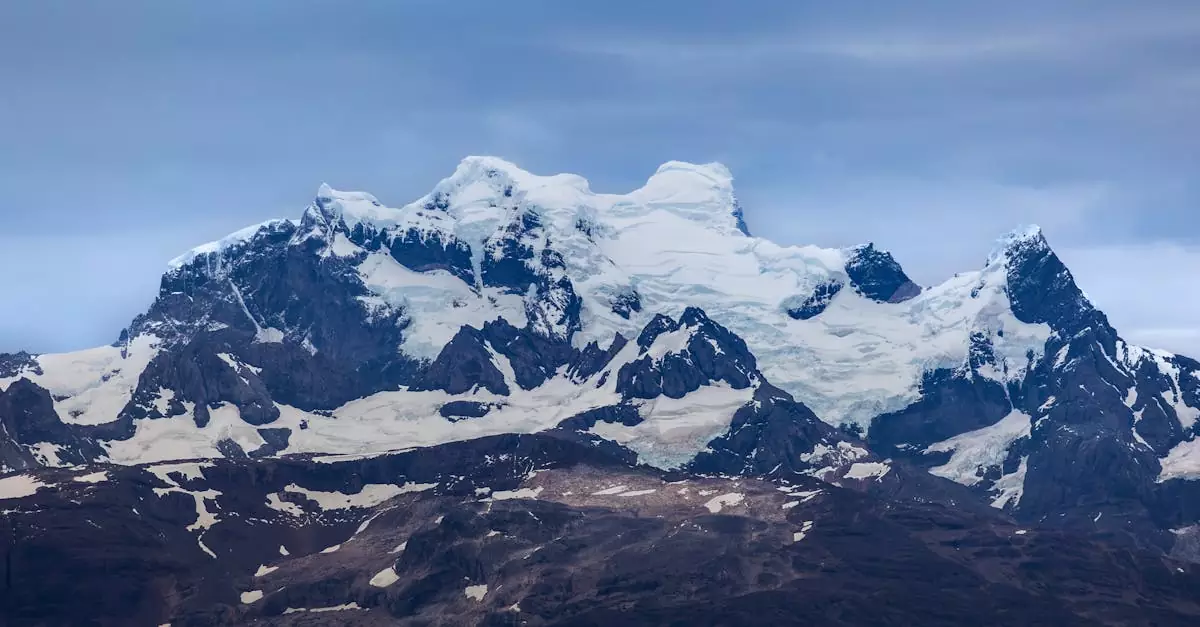
Planning a trek through the rugged wilderness of Torres del Paine in Chile is a dream for many adventurers. One of the most popular routes, the W Trek, offers breathtaking views of glaciers, mountains, and turquoise lakes. However, understanding the Torres del Paine W Trek cost is essential for budgeting your trip and ensuring a smooth experience. Costs can vary greatly depending on the season, your choice of accommodation, and whether you opt for guided or independent trekking.
This comprehensive guide breaks down everything you need to know about the expenses involved, including the w trek permit price Chile charges, accommodation options, food, gear, and tips for saving money. By the end, you’ll be equipped to plan your journey with confidence and clarity.
Whether you’re a seasoned backpacker or a first-time visitor to Patagonia, knowing the true cost of the W Trek will help you make informed decisions and avoid unexpected expenses. Read on to discover a detailed breakdown of fees and practical advice for making the most of your adventure in one of South America’s most iconic national parks.
Understanding the Torres del Paine W Trek Permit Price in Chile
Every traveler entering Torres del Paine National Park is required to pay an entrance fee, which serves as the permit for exploring the park and undertaking the W Trek. The w trek permit price Chile sets is determined by the Chilean National Forest Corporation (CONAF) and varies depending on nationality and age.
As of the latest data from the Chile tourism authority, international adult visitors can expect to pay approximately 49,500 Chilean Pesos (about USD $60) for a three-day pass. Chilean citizens and residents enjoy reduced rates, while children and seniors may qualify for further discounts. These fees grant access to the park’s trails, lookouts, and facilities throughout your trek.
It’s important to note that permits must be purchased in advance, especially during peak season (October to April) when visitor numbers surge. The online reservation system ensures compliance with daily quotas to protect the park’s fragile ecosystem. Always check the official Torres del Paine National Park website for the most current information before booking.
Accommodation Options and Their Costs on the W Trek
Accommodation is one of the primary factors influencing your overall Torres del Paine W Trek cost. Trekkers can choose between camping at designated sites, staying in refugios (mountain lodges), or opting for luxury eco-camps. Each option offers a different experience and price point.
Camping is the most budget-friendly choice, with fees ranging from 8,000 to 13,000 Chilean Pesos (USD $10–$16) per night at official campsites. Refugios provide bunk beds, hot meals, and shared facilities, with prices typically between 50,000 and 85,000 Chilean Pesos (USD $60–$100) per night, including breakfast. For those seeking comfort, private rooms or domes at premium eco-camps can exceed 200,000 Chilean Pesos (USD $240) per night.
All accommodations must be booked in advance, especially during high season. Many trekkers combine camping and refugio stays to balance comfort and cost. Remember, wild camping is strictly prohibited in Torres del Paine to protect the environment and prevent forest fires.
Guided vs. Independent W Trek: Cost Comparison
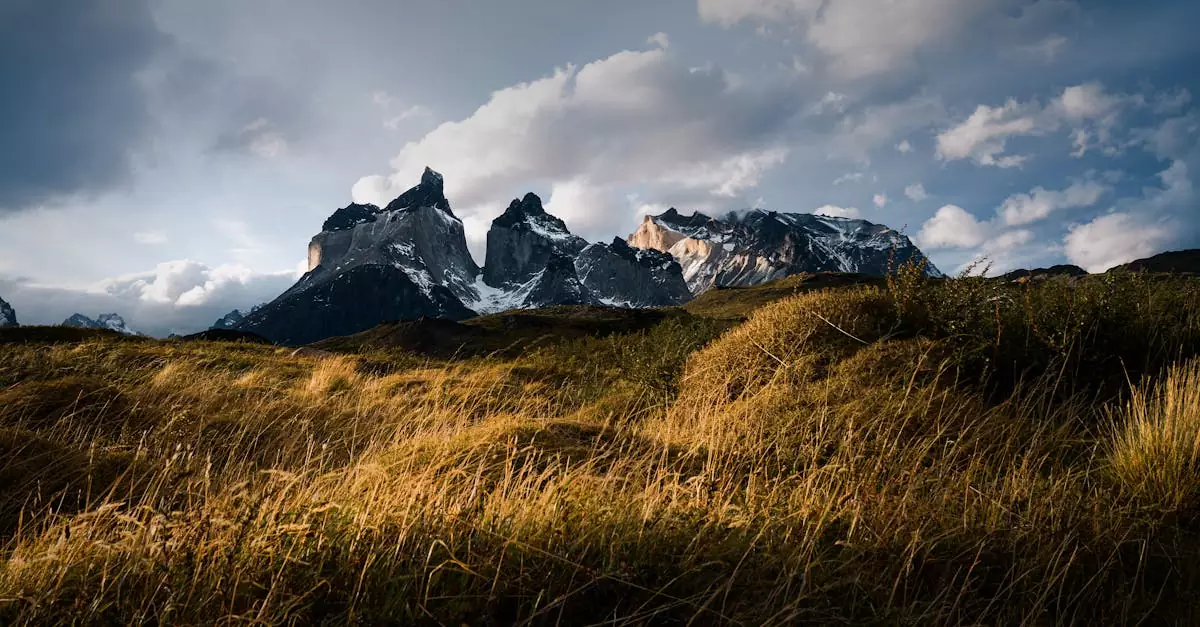
Choosing between a guided tour and trekking independently is a significant decision that impacts both your budget and your experience. Guided W Trek packages typically include permits, accommodation, meals, transportation, and a professional guide. Prices for these packages range from USD $1,200 to $2,500 per person for a five-day trek, depending on the level of service and accommodation chosen.
Independent trekkers, on the other hand, have more flexibility and can often save money by arranging their own permits, meals, and accommodation. The total cost for an independent trek, including park fees, accommodation, food, and transportation, usually falls between USD $400 and $900, depending on preferences and the time of year.
Guided tours are ideal for those who want a hassle-free experience, benefit from a knowledgeable guide, and meet fellow travelers. Independent trekking suits experienced hikers comfortable with navigation and logistics. Both options allow you to enjoy the park’s dramatic scenery, but your decision will affect your overall Torres del Paine W Trek cost.
Food and Supplies: What to Expect and Budget For
Food is another essential consideration when estimating your Torres del Paine W Trek cost. If you stay in refugios, you can purchase meal plans that include breakfast, packed lunch, and dinner. These typically cost between USD $40 and $60 per day. Meal quality is generally good, with hearty dishes designed to fuel trekkers for long days on the trail.
Campers need to bring their own food and cooking equipment. While this option can save money, it requires careful planning and adds weight to your pack. Groceries in Chilean towns like Puerto Natales are reasonably priced, but selection may be limited, especially for specialty items or dietary needs. Expect to spend around USD $10–$20 per day on self-catered meals.
It’s wise to pack high-calorie snacks, energy bars, and dehydrated meals. Water is readily available from streams and refugios, but always treat or filter before drinking. Additionally, factor in costs for stove fuel and gas canisters, which are available in Puerto Natales but cannot be brought on flights.
Gear Rental and Equipment Expenses
For many trekkers, renting equipment is a practical way to manage costs and avoid excess baggage. Puerto Natales, the gateway town to Torres del Paine, has multiple outfitters offering gear rentals. Essential items include tents, sleeping bags, mats, trekking poles, and cooking equipment.
Rental prices vary but generally range from USD $8–$15 per day for a tent, $5–$10 for a sleeping bag, and $3–$5 for a sleeping pad. Full equipment packages may be available for around USD $25–$35 per day. Renting is a convenient option for travelers who don’t own specialized gear or wish to travel light.
If you plan to bring your own equipment, consider airline baggage fees and possible restrictions on items like stove fuel. Investing in high-quality, lightweight gear can enhance your experience, but renting locally remains a cost-effective and sustainable alternative for many visitors.
Transportation Costs to and Within Torres del Paine
Reaching Torres del Paine requires a combination of flights, buses, and sometimes private transfers. Most trekkers fly into Punta Arenas or Puerto Natales, with onward bus connections to the park. Bus tickets from Puerto Natales to Torres del Paine cost about USD $15–$25 one way, with several departures daily during the trekking season.
Within the park, shuttle buses and catamaran ferries connect key trailheads and refugios. For example, the Pudeto catamaran crossing Lake Pehoé costs around USD $35 one way. Budget for these internal transfers, as they are essential for accessing the start and end points of the W Trek.
Private transfers or taxis are available for those seeking convenience or traveling in groups, but these options are significantly more expensive. Planning your transport in advance helps reduce costs and ensures timely connections, especially during peak season when services can fill up quickly.
Additional Expenses: Insurance, Extras, and Incidentals
When calculating your Torres del Paine W Trek cost, remember to include additional expenses such as travel insurance, park maps, souvenirs, and emergency contingencies. Comprehensive travel insurance is strongly recommended, covering medical emergencies, evacuation, and trip interruptions.
Maps and trekking guides can be purchased in Puerto Natales or at park entrances, usually for USD $5–$10. Small expenses like snacks, bottled drinks, laundry, and Wi-Fi (available at some refugios for a fee) can add up over several days. If you wish to join optional excursions, such as boat tours to Glacier Grey, budget extra for these unique experiences.
By planning for these incidental costs, you can avoid surprises and enjoy a smoother trekking adventure. Keeping extra funds on hand provides peace of mind in case of unexpected changes or emergencies.
Comparison Table: Guided vs. Independent W Trek Costs
| Expense Category | Guided Trek (5 days) | Independent Trek (5 days) |
|---|---|---|
| Park Permit | Included | USD $60 |
| Accommodation | Included (Refugio/Camp) | USD $60–$500 |
| Meals | Included | USD $50–$300 |
| Gear Rental | Usually Included | USD $50–$175 |
| Transportation | Included/Partially Included | USD $50–$100 |
| Total Estimated Cost | USD $1,200–$2,500 | USD $400–$900 |
This table highlights the main differences in cost between guided and independent W Trek experiences. Independent trekkers have more control over their budget, while guided tours offer convenience and comprehensive inclusions.
For a deeper understanding of the region and its conservation efforts, visit the Torres del Paine National Park overview.
FAQs
What is the current Torres del Paine W Trek permit price in Chile?
As of the most recent update, the park entrance fee—which serves as the W Trek permit—costs around 49,500 Chilean Pesos (about USD $60) for international adults. Discounts are available for Chilean citizens, children, and seniors. Always check the official park website for the latest rates before your trip.
Do I need to book park permits and accommodation in advance?
Yes, it is highly recommended to book both your park permit and accommodation well in advance, especially during the high season (October to April). Daily visitor quotas help protect the park’s ecosystem, so last-minute availability is limited. Advance booking ensures you secure your preferred dates and lodging options.
Is it cheaper to hike the W Trek independently or with a guided group?
Hiking independently is generally less expensive, with total costs ranging from USD $400 to $900 for a five-day trek. Guided tours cost more, typically USD $1,200 to $2,500, but include permits, meals, accommodation, and a professional guide. Your choice depends on your budget and preferred level of support.
Can I rent trekking gear in Puerto Natales?
Yes, there are several outfitters in Puerto Natales where you can rent essential trekking gear such as tents, sleeping bags, mats, and cooking equipment. Renting is a practical option for travelers who want to avoid carrying heavy gear or don’t own specialized equipment.
Are there any additional costs I should consider for the W Trek?
Besides permits, accommodation, meals, and transport, budget for travel insurance, incidental expenses (like snacks and Wi-Fi), gear rental, and any optional excursions such as boat trips or guided side hikes. Planning for these extras helps ensure a stress-free trekking experience.
Conclusion
Understanding the Torres del Paine W Trek cost is crucial for anyone planning an unforgettable journey through Patagonia’s stunning landscapes. From the w trek permit price Chile enforces to accommodation, food, gear rentals, and transportation, each element contributes to your overall budget. By considering your preferences—guided or independent, camping or refugio—you can tailor your trip to match your comfort level and financial plan.
Advance planning and booking are essential due to the park’s popularity and strict conservation measures. Be sure to review the latest information from the official Chile tourism authority and reliable sources such as the Wikipedia summary of Torres del Paine National Park for the most up-to-date guidelines and tips.
With careful budgeting and preparation, your trek across the W Trail will be both memorable and manageable. Embrace the adventure, respect the natural environment, and enjoy every moment in Chile’s spectacular Torres del Paine National Park.