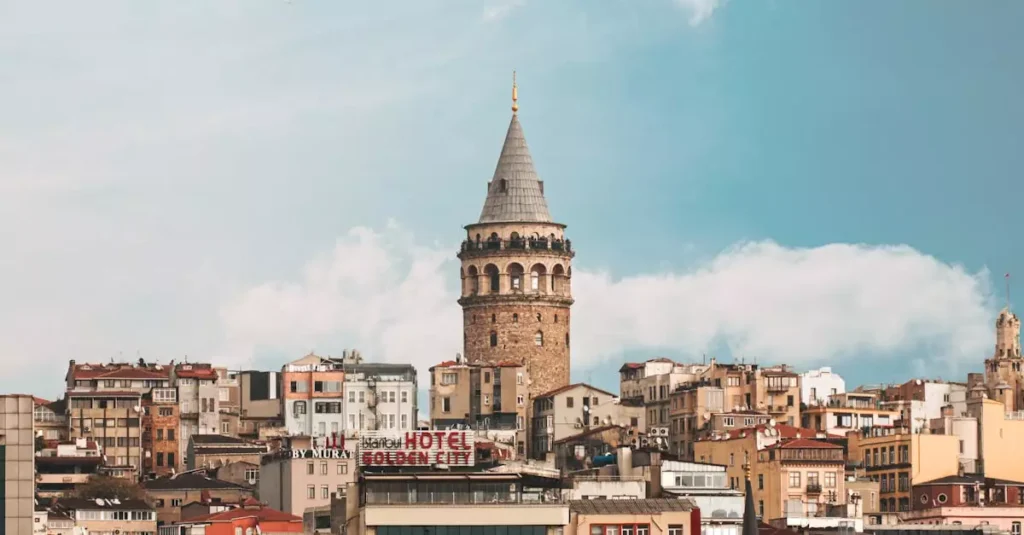
If you are planning a turkey travel cost for 3 days trip, Istanbul is the best place to start.
It gives you a fast mix of history, ferries, food, and city chaos.
I still remember the smell of roasted chestnuts near Eminönü. It hit me before the Bosphorus wind did.
Important Tip: Buy an Istanbulkart at the airport or first metro station. It cuts small transit costs fast.
What a 3-Day Istanbul Budget Really Looks Like
A realistic turkey 3 day trip budget depends on your travel style.
Budget travelers can manage well. Mid-range travelers get more comfort. Luxury climbs fast.
For 2026, Istanbul is still cheaper than many European capitals. But prices are not “cheap” anymore.
Expect higher costs in central districts like Sultanahmet, Beyoğlu, and Karaköy.
Airport transfers, coffee, and museum entries add up quickly.
Here is a practical 3-day range per person:
- Budget: $140–$240
- Mid-range: $260–$480
- Comfort/luxury: $550+
These numbers assume one traveler. Sharing a room lowers the total fast.
Reality Check: “Cheap” food exists, but tourist zones charge more for the same meal.
Turkey Travel Cost for 3 Days: Day-by-Day Breakdown
Here is the clearest way to plan your spending.
Day 1 usually costs the most. Airport transport and arrival meals push the total up.
Day 2 is often your busiest sightseeing day. Museum tickets and ferries matter here.
Day 3 can be lighter. You may only need brunch, local transport, and one final attraction.
Typical daily spending:
| Category | Budget | Mid-Range | Comfort |
|---|---|---|---|
| Stay | $25–$50 | $70–$140 | $180+ |
| Food | $12–$25 | $30–$60 | $80+ |
| Transport | $5–$12 | $12–$25 | $30+ |
| Sightseeing | $10–$25 | $25–$60 | $80+ |
A three-day budget trip often lands near $180 total. Mid-range often reaches $350.
That is before shopping or nightlife.
Important Tip: Use the M11 metro from the airport when possible. It is usually cheaper than taxis.
Where Your Money Goes in Istanbul
Most first-time visitors overspend on transport and coffee.
That happened to me too. I paid too much for a short taxi ride from Taksim.
The driver used traffic as the excuse. He was not wrong, but I still overpaid.
Here is how spending usually breaks down:
- Accommodation: 35% to 50%
- Food and drinks: 20% to 30%
- Transport: 5% to 15%
- Attractions: 10% to 20%
- Extras: 5% to 15%
Accommodation is the biggest swing factor.
A clean guesthouse in Fatih costs far less than a boutique hotel near Galata.
Food is flexible. Simit, kebab, and lentil soup can keep costs low.
Ferry rides are one of the best-value experiences in the city.
They cost little and give you skyline views that feel expensive.
Important Tip: Check museum closing days before you build your route. Mondays often change your plan.
Transport Costs and Travel Times in Istanbul
Istanbul is huge. Distances look short on maps. Traffic says otherwise.
From IST Airport to Sultanahmet, expect 45 to 75 minutes.
From Sabiha Gökçen to the European side, expect 60 to 120 minutes.
Metro is the smartest option when your hotel is near a station.
Tram lines help a lot in historic areas.
Ferries are ideal for crossing between Europe and Asia.
Typical transport costs in 2026:
- Metro or tram: low single-digit dollars per ride
- Ferry: slightly higher, still affordable
- Taxi: variable, often expensive in traffic
- Airport transfer: medium to high, depending on distance
Crowds peak in the late morning and around sunset.
Ferries fill up fast on nice weather days.
Friday evenings can feel packed near ferry terminals and dinner streets.
In summer, heat makes walking harder. In winter, wind near the Bosphorus feels sharp.
For 2026 Europe trips, remember ETIAS may affect your wider itinerary if you connect through Schengen countries.
Also watch for eco-taxes and local fee changes on regional routes.
Important Tip: Leave 20 extra minutes for every cross-city transfer. Istanbul traffic punishes tight schedules.
Food, Attractions, and Small Daily Costs
Daily food costs can stay low if you eat like a local.
A simple breakfast may cost $4 to $8.
Lunch at a local spot may cost $6 to $12.
Dinner at a mid-range restaurant may cost $12 to $25.
Tea and coffee are affordable until you sit in a prime-view café.
Then the bill changes fast.
Popular attractions also vary.
Some mosques are free. Some museums charge meaningful entry fees.
Topkapi Palace, Hagia Sophia area access, and private museums can raise your budget.
Plan for at least one paid attraction per day if you want a fuller trip.
Street snacks help balance the budget.
Simit, roasted corn, and stuffed mussels are common quick bites.
Be careful with “tourist menu” prices near major squares.
They can look normal until the bill arrives.
Reality Check: Some famous spots feel overcrowded by 11 a.m. Go earlier or later.
Best Areas to Stay for a 3-Day Trip
Your hotel area changes your budget more than your meal choices.
Sultanahmet is best for first-timers who want walkable landmarks.
Beyoğlu works well for nightlife and central transit.
Karaköy offers strong ferry access and good food options.
Fatih is often cheaper, but streets vary in comfort.
Beşiktaş is lively and convenient, but not always budget-friendly.
Distance matters.
A cheaper hotel far from transit can erase your savings.
For a short trip, location often beats room size.
Walkability saves time and money.
That matters more when you only have three days.
| Area | Best For | Budget Level | Transit Ease |
|---|---|---|---|
| Sultanahmet | Landmarks | Medium | High |
| Beyoğlu | Food and nightlife | Medium-High | High |
| Karaköy | Ferries and cafés | Medium | High |
| Fatih | Low-cost stays | Low-Medium | Medium |
Important Tip: Book near a tram or ferry stop. It saves both cash and energy.
Pros and Cons of a 3-Day Istanbul Budget Trip
A short Istanbul trip has clear strengths. It also has real limits.
- Pros: Easy to build a compact itinerary.
- Pros: Public transport is useful and affordable.
- Pros: Food choices fit many budgets.
- Pros: Ferries and walks add low-cost value.
- Cons: Traffic can waste time.
- Cons: Central hotels raise the budget quickly.
- Cons: Major attractions can feel crowded.
- Cons: Airport transfers can surprise first-time visitors.
The city rewards planning.
It punishes random movement.
That is the honest trade-off.
How to Save Money Without Ruining the Trip
Start with your route, not your spending.
Group attractions by neighborhood.
That cuts transport waste.
Use ferries for sightseeing and movement at the same time.
Eat one main meal in a local area, not a landmark square.
Buy water from small shops instead of tourist cafés.
Choose a hotel with breakfast if the price difference is small.
In shoulder seasons, especially spring and late autumn, you may get better hotel rates.
Summer brings more crowds and higher demand.
Winter can be cheaper, but weather may limit long walks.
For a 2026 trip, also check new rail and airport connections before booking your final route.
Some travelers save money by landing on one side of the city and leaving from another.
That can reduce backtracking.
Important Tip: Search local Turkish apps for lunch deals near your hotel. They often beat English-language platforms.
FAQs
How much does a turkey travel cost for 3 days in Istanbul?
A budget trip can start around $140 per person. Mid-range trips often run $260 to $480.
How much should I budget for food in Istanbul?
Plan $12 to $25 daily on a budget. Mid-range travelers may spend $30 to $60.
When is the cheapest time to visit Istanbul?
Late autumn and winter are often cheaper. Spring can be good before peak crowds rise.
Why does transport cost more than expected in Istanbul?
Traffic, long distances, and airport location all raise costs. Taxis are the biggest surprise.
How can I keep a turkey 3 day trip budget under control?
Stay near transit, use ferries, and avoid expensive hotel-zone restaurants.
Conclusion
A three-day Istanbul trip can be affordable and rich in experiences.
The key is simple.
Stay central, move smart, and avoid tourist pricing traps.
If you plan the route well, the city gives you a lot for your money.
Use the numbers above as a starting point, then adjust for your style.
That is the safest way to plan a realistic trip in 2026.
GoTürkiye official tourism site