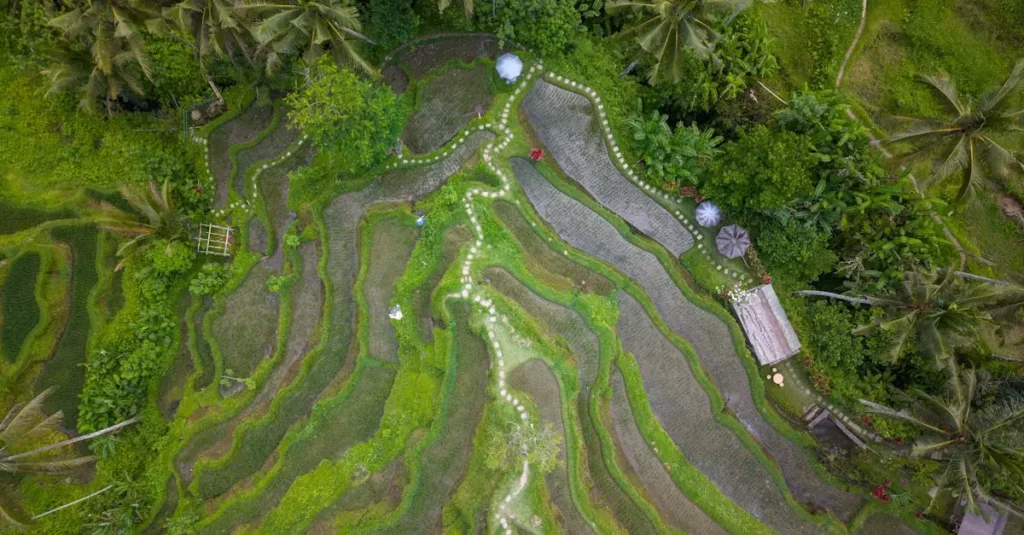
Nestled in the cultural heart of Bali, Indonesia, Ubud captivates millions of visitors annually with its rich artistic heritage and verdant scenery. Among its most mesmerizing sights are the rice terracesvivid green steps sculpted into the hillsides. These terraces not only showcase impressive agricultural craftsmanship but also highlight the islands natural splendor. Knowing what to expect and how to prepare can make your visit much more enjoyable.
Travelers often ask about the expenses involved, especially the ubud rice terrace ticket price, when planning their trip. Accurate details on entrance fees and other charges are essential for budgeting. This piece unpacks all potential costs, including parking and optional activities, so you can plan your visit without surprises.
Here, youll find an in-depth look at the various rice terraces, with a special focus on the popular Tegallalang area. Well explain the tegallalang entry fee, contrast it with other terraces, and provide practical advice and easy-to-understand comparisons to help you navigate your visit confidently.
Exploring Ubud’s Iconic Rice Terraces
Ubuds rice terraces are far more than just beautiful landscapes; they represent centuries-old Balinese farming traditions. The subak system, a cooperative irrigation method, has been the backbone of these fields for generations. Recognized as a UNESCO World Heritage cultural landscape, this system embodies the Balinese Tri Hita Karana philosophy, which seeks harmony between humans, nature, and the divine. Exploring these terraces offers visitors a window into this unique cultural legacy.
The Tegallalang Rice Terrace is undoubtedly the most photographed and accessible near Ubud. Other terraces, like Jatiluwih and smaller village fields, offer different vibes. Tegallalang is known for its convenience and amenities, while Jatiluwih impresses with its vast, peaceful panorama. Smaller terraces provide an intimate peek into daily village life. Visitors typically spend a couple of hours wandering through these scenic spots.
Walking amidst the rice paddies offers an immersive experience, allowing you to watch farmers tending their crops. The shades of green shift with the seasons, from vibrant emerald to warm golden tones, creating a tranquil setting perfect for reflection and photography. Familiarity with the terrace layouts and respect for local customs enrich the visit significantly.
Understanding the Ubud Rice Terrace Ticket Price Structure
When planning your trip, its important to realize theres no single ubud rice terrace ticket price that covers all sites. Fees vary depending on which terrace you visit. Tegallalang, the most frequented, charges a clear entry fee, while many smaller terraces may operate on donations or allow free entry if you pass through.
At Tegallalang, the official tegallalang entry fee is collected at specific checkpoints to help maintain the area and support the local community. As you venture further into the terraces, you might find multiple collection points, so its handy to have small bills of Indonesian Rupiah (IDR) ready. Parking fees are separate and usually charged at the main lots. These minor costs add up but are generally reasonable.
Beyond the standard entry, additional attractions like swings, zip lines, or photo setups come with their own charges. These extras arent included in the ubud rice terrace ticket price. While many tourists enjoy these activities, they can significantly increase your total expenses, so budgeting accordingly is wise.
Tegallalang Rice Terrace Entry Fees and What to Expect
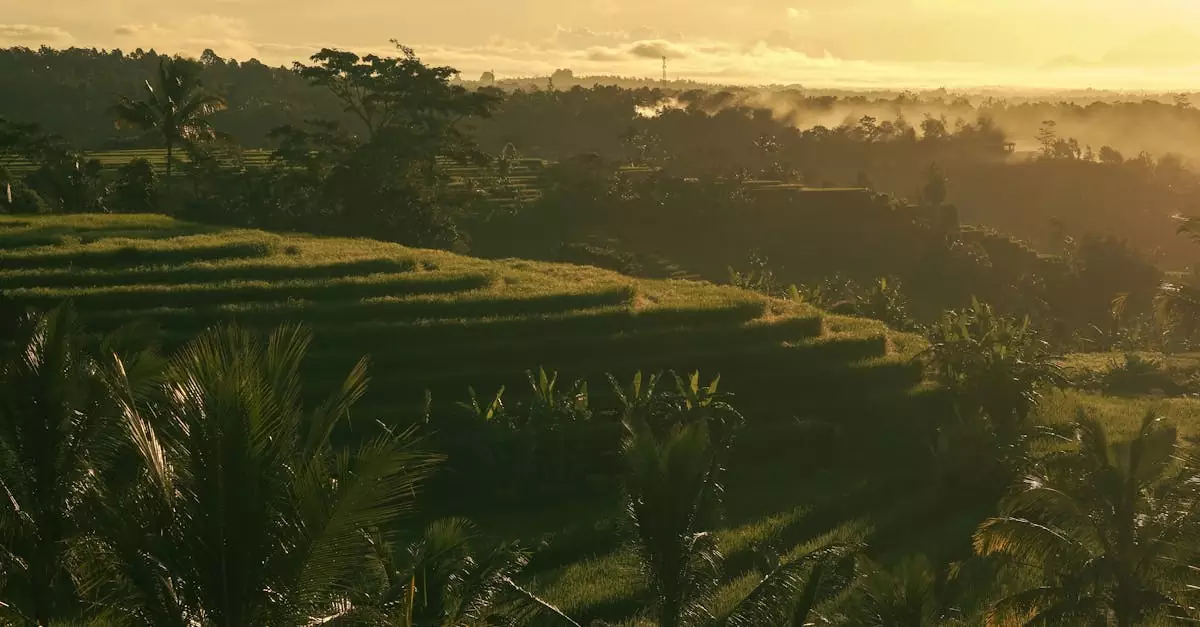
Tegallalang is a highlight for visitors to Bali, boasting iconic terraced views. The usual tegallalang entry fee for international tourists is around IDR 25,000 per person, collected at the main entrances. Children often pay less or enter for free, depending on their age. Prices can fluctuate, so checking upon arrival is advisable. This fee grants access to the primary viewpoints and walking trails.
Upon arrival, parking attendants will guide you. Scooter parking typically costs about IDR 5,000, while cars may be charged between IDR 10,000 and IDR 20,000. After parking, youll pay the tegallalang entry fee at the ticket booth. Along the paths, local farmers might ask for small donations to maintain certain areas; these are optional but appreciated, usually ranging from IDR 5,000 to IDR 10,000.
Visitors usually spend 1.5 to 2 hours exploring the terraces, which includes time for photography and relaxing with the views. Early mornings, just after sunrise, are ideal for avoiding crowds and the heat, plus the soft light enhances photos. During these hours, the atmosphere is more tranquil, with fewer vendors around. Be ready for uneven terrain and steps by wearing comfortable shoes suited for walking.
Beyond Tegallalang: Other Rice Terrace Experiences and Costs
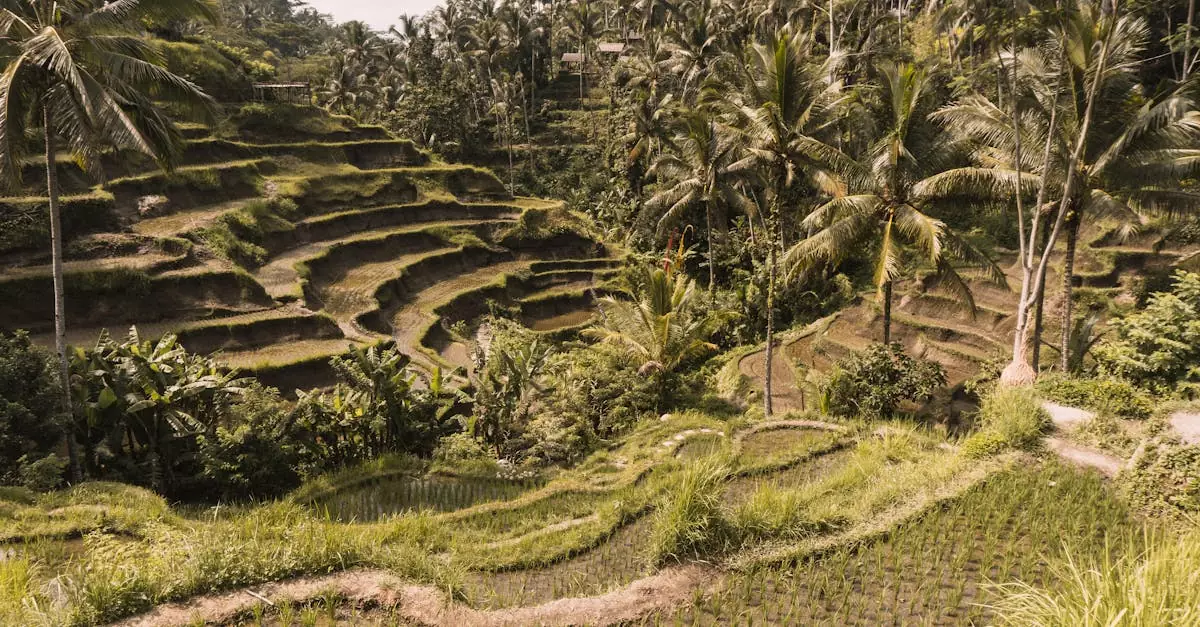
While Tegallalang often steals the spotlight, Bali has other breathtaking rice terraces worth exploring. The Jatiluwih Rice Terraces, a UNESCO World Heritage site located west of Ubud, feature expansive, rolling fields stretching as far as the eye can see. Compared to Tegallalang, Jatiluwihs entry fee is higher, generally between IDR 40,000 and IDR 50,000 per person. This reflects its larger size and UNESCO status, and the area tends to be less crowded, offering a more peaceful atmosphere.
Jatiluwih is famous for its extensive hiking trails, inviting visitors to spend several hours wandering its loops. The infrastructure is well-kept, with fewer commercial distractions than Tegallalang, making it perfect for those seeking serenity and natural beauty. However, the journey from Ubud takes about 1.5 to 2 hours, so be sure to factor transport costs into your plans. Many travelers find the trip worthwhile for the sweeping views alone.
Scattered around Ubud are smaller rice terraces embedded in village life. These often dont have a formal ubud rice terrace ticket price and might be free or ask for a modest donation. They offer a more authentic glimpse into Balinese agriculture without the tourist crowds or facilities. Asking your guide or homestay host about these hidden gems can lead you to truly special spots.
Comparing Popular Rice Terrace Options: Price vs. Experience
Deciding which rice terrace to visit depends on your preferences, budget, and how much time you have. Tegallalang is conveniently close to Ubud and offers a lively, tourist-friendly environment. Jatiluwih presents a vast, quiet landscape suited for nature lovers. Local terraces provide a more intimate cultural experience. Each option has its own price point and atmosphere, so knowing these differences helps tailor your itinerary.
The ubud rice terrace ticket price is just one element. Tegallalangs affordable entry might appeal to budget travelers, though extras like swings and photo props can add up. Jatiluwih, with its higher fee, offers a more immersive wilderness experience. Local terraces are often free but require more independent exploration and fewer amenities. The table below summarizes the key features to help you choose.
Most visitors appreciate what each location uniquely offers. Families might prefer Tegallalangs ease and facilities, while trekkers and nature enthusiasts gravitate to Jatiluwihs expansive vistas. Those looking for cultural depth often enjoy the quieter, local terraces. Consider the kind of memories you want to create. Keep in mind that transportation costs vary widely between these sites.
| Feature | Tegallalang Rice Terrace | Jatiluwih Rice Terraces | Local Village Terraces |
|---|---|---|---|
| Location from Ubud | ~20-30 minutes North | ~1.5-2 hours West | Varies, often very close |
| Entry Fee (approx.) | IDR 25,000 | IDR 40,000 – 50,000 | Free or small donation |
| Experience | Scenic views, commercialized, swings, cafes | Vast, UNESCO site, extensive trekking, serene | Authentic, quiet, local life, less touristy |
| Crowd Level | High, especially midday | Moderate to Low | Very Low |
| Best For | Iconic photos, amenities, quick visit | Nature lovers, trekkers, tranquility | Cultural immersion, peace, budget travelers |
Pros and Cons of Visiting Ubud’s Rice Terraces
Experiencing the rice terraces around Ubud blends natural beauty with cultural depth, but like any popular destination, there are upsides and challenges. Considering these helps set realistic expectations and enhances your trip. With adequate preparation, most visitors find the positives far outweigh any drawbacks.
Pros:
- Stunning Scenery: Lush green landscapes create picture-perfect moments.
- Cultural Insight: Discover the traditional subak irrigation system and local farming techniques.
- Physical Activity: Walking through the fields encourages gentle exercise and engagement with nature.
- Relaxing Atmosphere: Despite the crowds, the vast terraces often feel peaceful, especially early in the day.
- Accessibility: Tegallalangs proximity to Ubud makes it easy to reach by scooter or car.
Cons:
- Crowds: Tegallalang can become quite busy, particularly from late morning onwards, which may lessen the sense of tranquility.
- Multiple Fees: The ubud rice terrace ticket price can be confusing due to additional donation requests and extra charges for activities.
- Heat and Humidity: Visiting midday can be uncomfortable because of the tropical sun and limited shade.
- Commercialization: Areas like Tegallalang have developed many tourist shops and attractions that may feel overwhelming.
- Accessibility Challenges: Uneven, muddy, or steep paths can pose difficulties for visitors with limited mobility.
Reality Check: Many photographs show empty, pristine terraces, but in reality, popular spots like Tegallalang are bustling. The famous swings and nests are operated by separate vendors who charge significant fees, usually not included in the initial tegallalang entry fee. Keeping expectations realistic about crowds and commercial aspects will help you focus on the natural beauty and cultural richness.
Essential Tips for Visiting Ubud Rice Terraces
To enjoy your time at Ubuds rice terraces fully, a bit of preparation goes a long way. Learning from countless visitor experiences, these tips will help you avoid common issues and make the most of your trip.
- Go Early: Arrive before 8:00 AM to escape the crowds and avoid the midday heat. The soft morning light also enhances photos, creating a serene atmosphere.
- Wear Appropriate Footwear: Paths can be slippery and uneven, so sturdy closed-toe shoes with good traction are best. Avoid sandals or flip-flops for extended walks.
- Carry Small Notes: Keep small IDR denominations handy for entry fees, parking, and optional donations to farmers.
- Stay Hydrated: Bring a reusable water bottle to stay refreshed in the tropical climate. Many cafes offer refills.
- Protect from the Sun: Use hats, sunglasses, and sunscreen since shade is limited in many terrace areas.
- Respect Local Farmers: Remember these terraces are working farms. Avoid disturbing crops or farmers at work.
- Bargain for Swings/Zip Lines: If you want to try the Bali swings or zip lines, be ready to negotiate prices as they can be quite pricey.
- Combine with Other Attractions: Pair your terrace visit with nearby sites like coffee plantations or temples to make efficient use of your time and budget.
Important Tip 1: Be cautious of unofficial guides or pushy vendors. Always purchase tickets from official counters for the ubud rice terrace ticket price. A polite but firm refusal usually works well to avoid unnecessary costs.
Important Tip 2: Check the weather forecast before your trip. Heavy rain can make trails slippery and obscure views. A clear day ensures the best experienceif rain is predicted, consider rescheduling or bringing suitable gear.
Navigating the Ubud Rice Terrace Ticket Price: A Budget Traveler’s Guide
Seeing Ubuds magnificent rice terraces doesnt have to be expensive. With thoughtful planning, budget travelers can enjoy these iconic landscapes without overspending. Being aware of all charges helps you make smart choices to keep costs down while still enjoying a rich visit.
The tegallalang entry fee is quite reasonable, but skipping costly extras like swings and zip lines can save a lot. The best memories often come from simply wandering through the fields and capturing views from natural vantage points, all included in the basic entry.
Exploring lesser-known terraces can also reduce expenses. Many local villages have beautiful rice paddies without official tickets, relying instead on small voluntary donations. Your accommodation host can often point you toward these more authentic, low-cost options for a genuine cultural encounter.
Transportation costs can add up, so renting a scooter is usually the most affordable and flexible way to get around Ubud. Daily rentals range from IDR 60,000 to IDR 80,000. Alternatively, short rides via apps like Gojek or Grab can be economical. Bringing your own snacks and water prevents paying inflated prices at tourist cafes. Adopting these strategies can stretch your budget across your Indonesian adventure.
FAQs About Ubud Rice Terrace Visits
Is there a single ubud rice terrace ticket price?
No, entry fees vary by terrace. Tegallalang charges a set fee, while smaller terraces might ask for donations or be free.
What is the tegallalang entry fee?
The official tegallalang entry fee is generally IDR 25,000 per person, with parking fees charged separately. Small donations to local farmers may be requested during your visit.
Are the Bali swings included in the entry fee?
No, the Bali swings and photo props are operated independently and require separate payments, often around IDR 100,000 or more per person.
What is the best time to visit?
Early morning before 8:00 AM is ideal to avoid crowds and heat, plus the lighting is perfect for photos. Official tourism websites provide more travel tips for Indonesia.
How long should I plan for a visit?
Allow about 1.5 to 2 hours for Tegallalang to explore and take photos. Add extra time if you want to try swings or other attractions. For Jatiluwih, 2-3 hours is recommended due to its size and hiking trails.
Conclusion: Making the Most of Your Ubud Rice Terrace Experience
Ubuds rice terraces stand out as a must-visit for Bali travelers, offering stunning views intertwined with cultural tradition. Having clarity on the ubud rice terrace ticket price and related expenses ensures your visit goes smoothly. Whether you opt for the bustling Tegallalang or the tranquil Jatiluwih, each terrace provides a distinct window into Balinese life.
Dont forget to budget for transportation, parking, and optional activities beyond the entry fees. Arriving early, wearing suitable footwear, and staying hydrated will enhance your comfort. Showing respect for local customs and supporting the community helps preserve these beautiful sites. Fees like the tegallalang entry fee contribute directly to maintaining the terraces.
Your journey through these emerald fields will surely become a treasured part of your Bali adventure. Equipped with this information, you can confidently plan your visit, soak up the culture, and capture unforgettable memories. These breathtaking landscapes are ready to welcome youenjoy every moment of the serenity and beauty they offer.