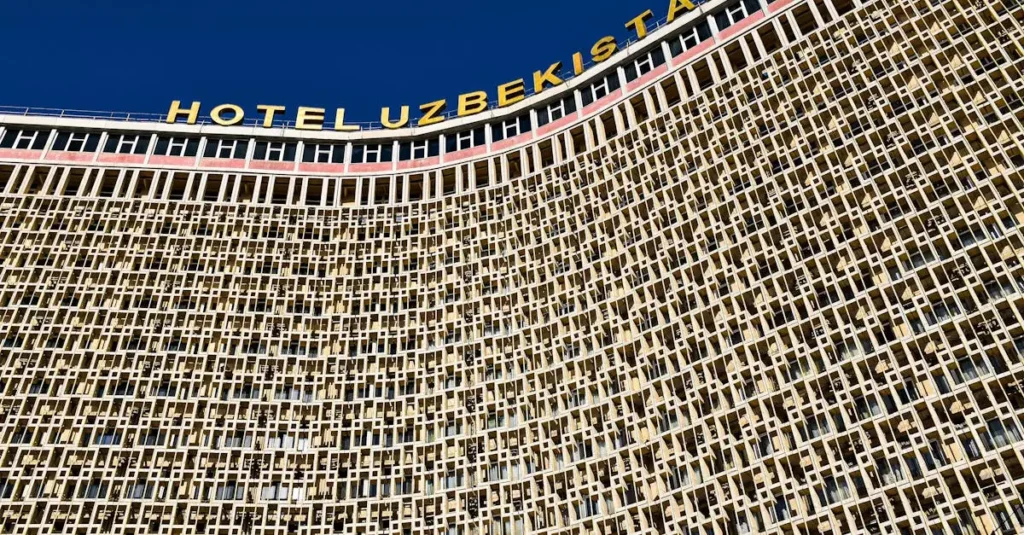
If you are searching for uzbekistan wifi price tourist, you probably want one thing. Reliable internet without wasting money.
In Tashkent, that matters more than many first-time visitors expect. I once made the mistake of assuming hotel Wi-Fi would cover everything. It did not. The lobby was fine. My room was not.
This post breaks down uzbekistan internet cost for tourists in 2026. You will see real price ranges, transport notes, crowd patterns, and when Wi-Fi fails.
Why internet matters so much in Tashkent
Tashkent is modern, but access can still feel uneven. Cafes often have decent speeds. Metro stations usually do not. Hotel networks may slow down at night.
Most tourists need maps, ride-hailing, translation, and ticket apps. That means data is not optional. It is part of the trip.
For city navigation, internet helps with metro exits, museum hours, and train platforms. That is especially true if you plan a day trip or a fast stopover.
“Buy data before landing if you arrive late. Airport kiosks close earlier than you think.”
For background on the country, see Uzbekistan on Wikipedia.
Uzbekistan wifi price tourist: what you will actually pay
Prices vary by provider, package size, and where you buy. In 2026, tourists usually pay for one of three options: hotel Wi-Fi, local SIM, or eSIM.
Here is a practical range for Tashkent:
| Option | Typical Price | Best For | Notes |
|---|---|---|---|
| Hotel Wi-Fi | Free to 80,000 UZS per night | Light browsing | Speed varies by room and time |
| Local SIM | 50,000 to 180,000 UZS | Most tourists | Best value for several days |
| eSIM | 8 to 25 USD | Fast arrival setup | Depends on phone compatibility |
| Portable hotspot | 150,000 UZS and up | Groups or remote work | Needs charging and extra planning |
A 10 to 20 GB tourist package often covers a short city trip. Heavy video calls can burn through it fast.
For city and travel planning, check the official tourism portal at Uzbekistan Travel.
Best ways to get internet in Tashkent
The easiest option is a local SIM. You can usually buy one at the airport, a carrier shop, or a major mall.
eSIM is simpler if your phone supports it. It saves time at arrival. But it may cost more per gigabyte.
Hotel Wi-Fi works for email and messaging. It is less reliable for video calls or uploading large files.
“If you need a stable connection, buy from a branded carrier store. Airport counters are convenient, not always cheapest.”
Many tourists prefer a local SIM because ride apps and maps work better with mobile data. That also helps when moving between the airport, the city center, and train stations.
“Test speed before leaving the shop. A two-minute check can save a bad week.”
Where to buy data in Tashkent
Carrier shops are usually the safest choice. Staff can help with passport registration and package setup.
Airport kiosks are faster. They are also more expensive in some cases. That is the tradeoff.
Malls in central Tashkent often have mobile network stores. These can be less crowded than the airport.
Expect a small queue during afternoon arrivals. Business travelers and tour groups often arrive in waves.
Common travel time from Tashkent airport to the city center is about 15 to 25 minutes by taxi. During rush hour, it can take longer.
Reality Check: what internet is like in real life
Do not expect perfect speeds everywhere. Tashkent is better than many travelers assume. Still, some buildings have weak indoor signal.
Even a good package can slow down during peak hours. That is common around lunch, evening, and large public events.
Hotel staff may say the Wi-Fi is “very fast.” That can mean fast in the lobby only. It is worth asking which floor has the strongest signal.
Noise matters too. In busy cafes, you may hear cups, conversations, and espresso machines. That is normal. Quiet work is easier in hotel lounges or coworking spaces.
For cultural and city context, the UNESCO page on Uzbekistan is useful: UNESCO Uzbekistan.
Transport, distances, and how data helps
Tashkent is spread out enough that mobile data becomes useful fast. A taxi from the airport to central hotels is usually 8 to 12 km.
Metro rides are cheap and efficient. But station names can be confusing for first-timers. Maps help a lot.
Rail travel also matters in Uzbekistan. If you take the high-speed train from Tashkent to Samarkand, internet is useful before boarding. Station Wi-Fi can be patchy.
Tourists often use data for:
- Ride-hailing apps
- Digital tickets
- Translation
- Navigation
- Hotel check-in messages
If you are researching the country’s wider history, Britannica offers a solid overview: Britannica Uzbekistan.
Seasonal timing and crowd behavior
Spring and autumn are the busiest travel seasons. That means more tourists, fuller hotels, and heavier network use.
Summer can feel hot and dry. People often stay indoors during the afternoon. That can make malls and cafes feel crowded.
Winter is calmer. Internet networks may feel a little less stressed, but some outdoor areas are quieter and less convenient.
In major holiday periods, queues at SIM counters can grow. Arrive early if you want faster service.
Weekend evenings are also busy in central Tashkent. Cafes fill up. Speeds can dip.
Pros and cons of each internet option
- Local SIM — Best value for most tourists.
- Local SIM — Requires passport and setup time.
- eSIM — Fastest option on arrival.
- eSIM — Can cost more per gigabyte.
- Hotel Wi-Fi — Convenient and often free.
- Hotel Wi-Fi — Less reliable in some rooms.
- Portable hotspot — Good for groups and work trips.
- Portable hotspot — Another device to charge and carry.
Important Tips for saving money and stress
“Check whether your phone is unlocked before departure. Locked phones waste time at the counter.”
“Ask for the cheapest package that still covers maps and ride apps. Most tourists overbuy data.”
“Save your hotel address offline. It helps when signal drops near older buildings.”
One more useful note: some travelers rely on public Wi-Fi too much. That is risky for payments and logins. Use mobile data for anything sensitive.
“Install your translation app before landing. Hotel Wi-Fi may be the first weak connection you meet.”
How much data do tourists really need?
Light users can survive on 5 GB for a short trip. That covers maps, messages, and some browsing.
Moderate users should aim for 10 to 20 GB. That is safer for photos, social media, and ride apps.
Remote workers may need 30 GB or more. Video calls and cloud uploads consume data quickly.
If you only stay one or two nights in Tashkent, eSIM may be enough. For a longer Uzbekistan route, a local SIM is usually smarter.
FAQ
How much does Uzbekistan Wi-Fi price tourist usually cost in Tashkent?
Hotel Wi-Fi is often free. Local SIMs usually cost 50,000 to 180,000 UZS. eSIMs often cost 8 to 25 USD.
How do tourists buy internet in Tashkent?
Buy from airport kiosks, carrier shops, or malls. A passport is usually needed for SIM registration.
Why does hotel Wi-Fi feel slow in some rooms?
Signal strength can drop with distance, walls, and peak usage. Lobby speeds are often better than room speeds.
When is the best time to buy a SIM in Tashkent?
Buy it soon after arrival. Morning or early afternoon usually means shorter queues.
How much internet do most tourists need for a short trip?
Most travelers need 5 to 20 GB, depending on how much they use maps, video, and ride apps.
Conclusion
The best choice depends on how you travel. For most visitors, a local SIM gives the best balance of price and reliability.
If you want speed and simplicity, eSIM is easy. If you want to save money, compare packages before buying.
Plan for 2026 travel realities too. More tourists are using digital tickets, rail bookings, and app-based transport. Good internet makes all of that easier.
If Tashkent is your first stop, sort your connection early. Then enjoy the city without guessing where the next signal bar will come from.