Choosing a destination in Southeast Asia often leads travelers to wonder which offers better value for their money. Malaysia and Thailand are two popular contenders, each rich in culture, breathtaking scenery, and mouthwatering cuisine. Yet, when it comes to travel expenses, the two can differ quite a bit. Getting a clear grasp of these cost variations is essential for effective budgeting.
This guide breaks down the travel costs between Malaysia and Thailand, examining key components such as lodging, dining, transport, and activities. It aims to equip you with practical knowledge so you can select the destination that aligns with your budget. Whether you’re backpacking or prefer mid-range comforts, this comparison caters to your needs.
Real-life tips and insights are included to help you maximize your travel funds. By understanding how expenses stack up in each country, you can plan a memorable trip without overspending. Heres a closer look at budget travel in these two captivating countries.
Overall Travel Cost: Malaysia vs Thailand
Both Malaysia and Thailand offer excellent value for travelers, but subtle distinctions in cost do exist. Thailand is often recognized for its affordability, especially appealing to backpackers. Street food is abundant and budget-friendly, and guesthouses come at very low prices. However, major tourist hotspots like Phuket or Koh Samui tend to be pricier, affecting accommodation, meals, and activities. Backpackers might spend between $30 and $50 USD daily, while those seeking mid-range options could budget $70 to $100 USD per day.
Malaysia presents a somewhat different cost landscape. While it may not carry Thailands reputation for extreme cheapness, it remains very affordable. Kuala Lumpur offers a blend of modern amenities and diverse dining choices. Accommodations can be a bit more costly on average, but public transportation is often more reliable and economical. The countrys rich cultural mix leads to a variety of experiences, which can affect spending. Budget travelers typically spend $40 to $60 USD per day, whereas mid-range visitors might allocate $80 to $120 USD daily. These numbers vary based on travel style and preferences.
Travel expenses in both countries can be kept low by opting for hostels, local cuisine, and public transit. Upgrading to private rooms, western-style meals, or guided tours naturally increases costs. Thailand may edge out Malaysia slightly at the ultra-budget level, but Malaysia offers a more comfortable experience at similar price points. The Malaysia vs Thailand budget comparison often boils down to individual choices and locations within each country.
Accommodation & Food: Your Daily Expenses
Accommodation and food typically make up the largest chunk of daily travel costs. In Thailand, hostel dorm beds start as low as $5 to $10 USD per night, with basic guesthouses available for $15 to $25 USD. Mid-range hotels in tourist zones range from $30 to $60 USD, while luxury stays can surpass $100 USD per night. Food is where Thailand truly excels for budget travelers; street meals usually cost between $1 and $3 USD, and casual local restaurants charge around $4 to $7 USD. Western dining and upscale venues, naturally, carry higher price tags. Local beers are generally about $2 to $3 USD.
Malaysias accommodation prices are comparable but with some differences. Hostels in cities like Kuala Lumpur and Penang tend to start at $7 to $12 USD. Budget hotels and guesthouses typically fall between $20 and $40 USD, while mid-range hotels are priced around $45 to $80 USD. Luxury options align closely with those in Thailand. The food scene is diverse and affordable, with meals at hawker centers costing $2 to $5 USD. Malaysias culinary variety includes Malay, Chinese, and Indian dishes. Mid-range restaurants charge roughly $8 to $15 USD per meal. Alcohol tends to be pricier due to taxes, with local beers running $3 to $5 USD. This keeps the daily essentials budget fairly competitive between the two countries.
Both countries provide great value when it comes to accommodation and dining. Thailand often offers the lowest prices for food, while Malaysia shines with generally higher-quality budget lodging. For example, a budget traveler in Kuala Lumpur might secure a clean, air-conditioned private room for about $25, which can be harder to find at the same price in Bangkoks central areas. Eating local dishes and avoiding tourist traps are the best ways to save money in either country. Check reviews carefully to ensure you get the best value for your accommodation.

Transportation & Activities: Exploring on a Budget
Getting around and taking part in activities is an important part of any travel experience. Thailands city transport options are diverse; in Bangkok, the BTS Skytrain and MRT subway offer quick and affordable rides costing between $0.50 and $2 USD. Taxis and tuk-tuks are plentiful but require negotiationalways agree on a fare or request the meter. Long-distance buses and trains are budget-friendly, with trips like Bangkok to Chiang Mai costing $15 to $25 USD. Flights between cities can be inexpensive if booked early, often starting around $30 to $50 USD. Activities vary widely, from free temple visits to paid excursions. Entry fees for landmarks like the Grand Palace range from $5 to $15 USD, while diving or island tours can run $30 to $70 USD per day.
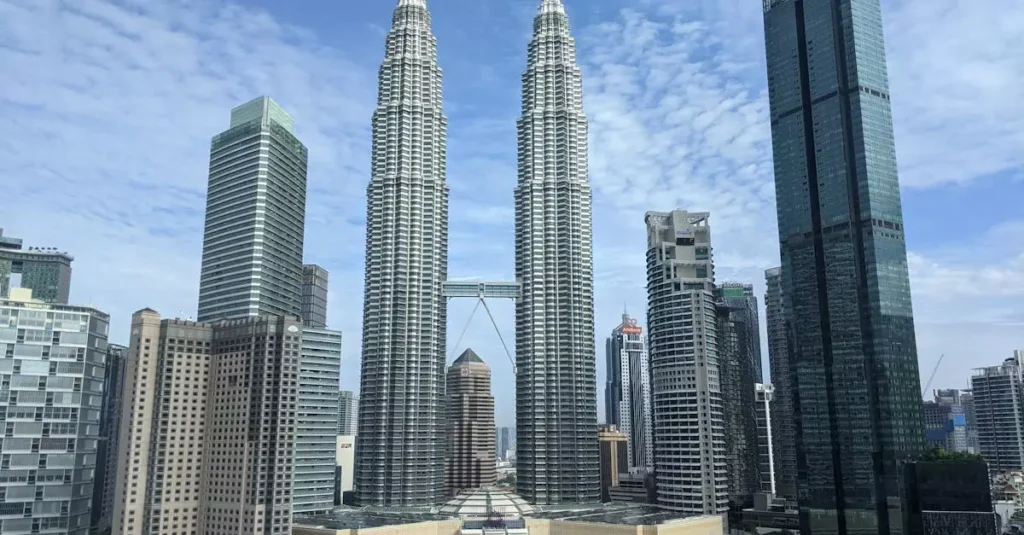
Malaysia offers a well-developed and user-friendly public transit system. Kuala Lumpurs LRT, MRT, and monorail networks provide convenient travel at fares similar to Bangkoks. Grab, Southeast Asias popular ride-sharing app, is widely used and affordable. Comfortable long-distance buses connect cities cheaply, such as the $10 to $15 USD trip from Kuala Lumpur to Penang. Domestic flights are competitively priced, with AirAsia often offering fares between $20 and $40 USD for routes like Kuala Lumpur to Langkawi. Malaysias attractions include many free temples and mosques, while paid sites like the Petronas Twin Towers Skybridge cost about $20 USD. National parks such as Taman Negara charge nominal entrance fees around $1 to $2 USD. Guided tours or wildlife activities typically range from $40 to $80 USD. For more budget advice, see our travel budget guide.
Both countries provide excellent transportation and activity options for budget travelers. Thailands extensive network of budget airlines and buses makes traveling between cities straightforward. Malaysias integrated urban transit systems offer easy navigation within cities. Free and paid attractions abound in both locations. Researching prices and booking tours ahead can help cut costs. Comparing different operators and using local transport like songthaews in Thailand or local buses in Malaysia often saves money. Walking remains free and enjoyable wherever you go, making it a great option for exploring.

Shopping, Souvenirs & Nightlife: Extra Costs to Consider
Shopping, souvenirs, and nightlife can add up and impact your overall travel budget. Thailands bustling markets are renowned for their wide selection, from clothes to handicrafts. Bargaining is part of the experience, especially at places like Bangkoks Chatuchak Weekend Market. Popular souvenirs include silk, carved wood, and local snacks, with prices ranging from a few dollars upwards. Thailands nightlife, particularly in Bangkok and Phuket, is lively. A beer in a bar usually costs $3 to $5 USD, while cocktails run $7 to $10 USD. Club entry fees vary, with some venues charging $10 to $20 USD but often including a drink. These entertainment expenses can accumulate quickly, so setting a daily budget for extras is wise.
Malaysia offers a range of shopping options as well. Kuala Lumpur features large modern malls stocked with international and local products, with prices comparable to Western countries for branded goods. Traditional markets like Central Market are perfect for souvenirs such as batik, pewter crafts, and snacks. Bargaining is less common in malls but expected in markets. Nightlife in Kuala Lumpur is vibrant, with numerous bars and clubs. Beers typically cost $4 to $7 USD, and cocktails $8 to $12 USD. Clubs often have cover charges that include a complimentary drink. Alcohol taxes make drinks more expensive in Malaysia compared to Thailand, affecting nightlife budgets. For additional insight into Thailands culture, visit Wikipedia’s Thailand page.
When factoring shopping and nightlife into your Malaysia vs Thailand budget, both countries provide unique experiences. Thailands street markets tend to be cheaper for one-of-a-kind items, while Malaysias malls offer a more polished retail environment. Nightlife in Thailand is generally more affordable and diverse, whereas Malaysias scene feels more upscale in its big cities. Plan for these extra expenses carefully, and consider prioritizing experiences over souvenirs if you need to stretch your budget. Often, immersing yourself in local culture costs less than tourist-centered activities.
Practical Tips for Budget Travelers
Saving money while traveling requires thoughtful planning and smart decisions. To help you reduce expenses in Malaysia and Thailand, start by eating local food. Street vendors and hawker centers provide tasty meals at unbeatable prices, unlike pricier Western restaurants. Next, rely on public transportationbuses, trains, and subways provide the cheapest ways to get around. In Malaysia, Grab is an affordable and popular ridesharing option, while in Thailand, shared taxis and songthaews work well for short distances. Booking accommodations ahead of time, especially during busy seasons, ensures better prices and availability. Look for hostels or guesthouses with strong reviews, and consider places offering free breakfast or kitchen access.
Being flexible with your travel dates can yield further savings, as prices drop during shoulder seasons. Haggling is a valuable skill in Thailands markets and with tuk-tuk drivers, though its less common in Malaysian cities outside traditional marketplaces. Using a travel credit card without foreign transaction fees can save money, and withdrawing larger sums at once helps avoid multiple ATM fees. Take advantage of free activities like temple visits, parks, and beaches. Walking tours are often low-cost or free, offering great ways to explore.
Track your spending daily with an app or journal to keep your budget in check. Packing light avoids extra baggage fees, and carrying a reusable water bottle cuts down on buying bottled water. Staying mindful of your choices helps you enjoy your trip without financial stress. These strategies keep your Malaysia vs Thailand travel cost manageable and make for a smoother journey.
Pros and Cons of Budget Travel in Each Country
Malaysia:
- Pros: Modern infrastructure, reliable public transit, affordable and diverse cuisine, cleaner cities, good value for mid-range lodging, less crowded tourist spots.
- Cons: Alcohol prices tend to be higher, some attractions charge more, less of a backpacker culture compared to Thailand, fewer opportunities for bargaining.
Thailand:
- Pros: Extremely cheap street food, vibrant backpacker community, abundant budget accommodation, beautiful islands and beaches, easy to find low-cost options.
- Cons: Tourist hotspots can be expensive and crowded, traffic jams in major cities, occasional scams targeting visitors, less developed public transport outside big cities.
Malaysia vs Thailand Budget: A Comprehensive Comparison
To better illustrate the differences in travel expenses, here is a side-by-side comparison of typical daily costs for budget travelers. These estimates offer a helpful guideline but will vary according to individual preferences and travel styles. Prices fluctuate and currency rates change, so its wise to check current costs before your trip.
The table below breaks expenses into accommodation, food, local transportation, activities, and miscellaneous items. It highlights subtle contrasts between Malaysia and Thailand, reflecting what thrifty travelers might expect. Being open to local experiences often leads to the best savings.
| Category | Thailand (Budget Traveler Daily Estimate) | Malaysia (Budget Traveler Daily Estimate) |
|---|---|---|
| Accommodation (Hostel Dorm/Budget Guesthouse) | $5 – $15 USD | $7 – $20 USD |
| Food (Local Street Food/Hawker) | $8 – $15 USD | $10 – $20 USD |
| Local Transportation (Public Transport/Short Rides) | $3 – $8 USD | $4 – $10 USD |
| Activities/Attractions (1-2 per day) | $5 – $15 USD | $5 – $20 USD |
| Miscellaneous (Water, Snacks, Small Purchases) | $3 – $7 USD | $3 – $7 USD |
| Total Daily Budget Estimate | $24 – $60 USD | $29 – $77 USD |
While Thailand tends to have slightly lower entry-level costs, Malaysia remains a strong contender, especially when considering infrastructure quality. Ultimately, your spending will reflect your personal priorities. Both countries offer incredible value for budget-conscious travelers. This comparison serves as a practical tool to visualize potential daily expenses and plan accordingly.
Frequently Asked Questions About Travel Costs
Is Malaysia more expensive than Thailand for tourists?
On the whole, Malaysia can be a bit pricier than Thailand, particularly when it comes to alcohol and some mid-range accommodations. Still, the overall travel costs in both countries are quite comparable, each delivering excellent value to budget travelers.
What is a good daily budget for Thailand?
For budget travelers in Thailand, around $30 to $50 USD per day covers hostel lodging, street food, and local transportation. Those seeking a mid-range experience should plan for $70 to $100 USD daily, allowing for nicer accommodations and more activities.
What is a good daily budget for Malaysia?
Budget travelers in Malaysia should expect to spend about $40 to $60 USD daily, covering budget guesthouses or hostels, hawker food, and public transport. Mid-range travelers can plan for $80 to $120 USD per day to enjoy more comfortable lodging and diverse dining.
Which country has cheaper flights?
Both Malaysia and Thailand boast budget airlines, including AirAsia, which keeps domestic and regional flights affordable. Malaysias AirAsia often offers very competitive fares within Southeast Asia, while Thailand has several low-cost carriers as well. Booking early always helps secure the best prices.
Can you travel Malaysia and Thailand on $1000 for two weeks?
Yes, traveling on $1000 for two weeks is achievable in either Malaysia or Thailand, especially for budget travelers. This breaks down to roughly $70 per day and requires sticking to hostels, street food, and public transport. Covering both countries comfortably on this budget might be challenging, so focusing on one destination often makes for a more relaxed experience.
Conclusion: Your Ideal Southeast Asian Adventure
Choosing between Malaysia and Thailand involves more than just comparing costs. Each country offers distinct cultural experiences, beautiful landscapes, and fantastic food. Thailand stands out for those seeking the absolute lowest budget, thanks to its extensive backpacker infrastructure and incredibly cheap street food. Many first-time budget travelers to Asia find it irresistible.
Malaysia, while sometimes slightly more expensive, delivers excellent value by combining modern urban amenities, efficient transportation, and a rich cultural tapestry. Its food scene is vibrant and affordable, and accommodations often feel a bit more comfortable than Thailands budget options. Ultimately, your choice depends on whether you prioritize ultra-low prices and a lively backpacker vibe or prefer modern conveniences and diverse cultural immersion.
Your perfect Southeast Asian journey reflects your own priorities. Both countries offer unforgettable experiences. With careful planning and the insights provided here, you can tailor your Malaysia vs Thailand travel cost to match your expectations. Whether wandering Bangkoks bustling markets or exploring Kuala Lumpurs vibrant streets, an amazing adventure awaits.