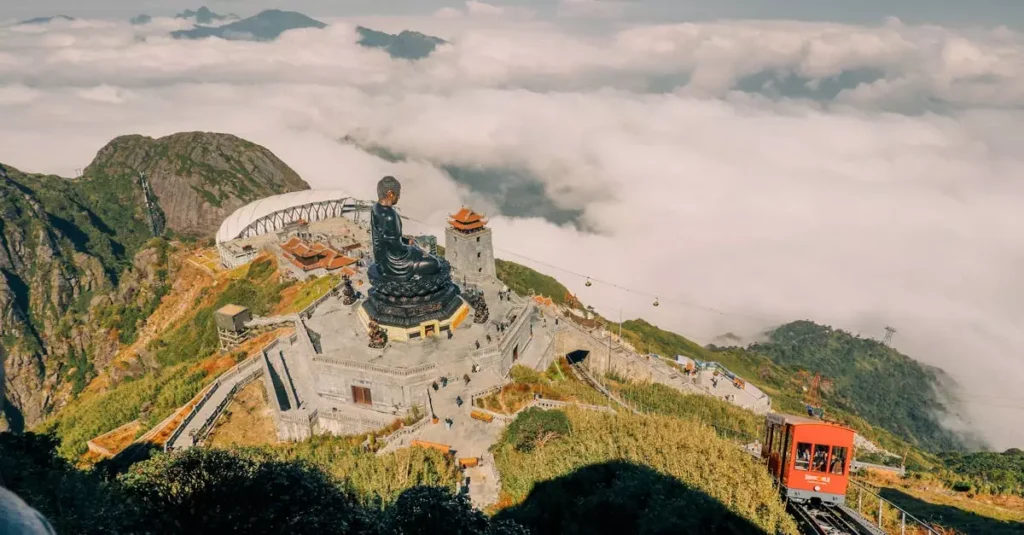
For many visitors to Vietnam, conquering Fansipan known as the “Roof of Indochina”is a bucket-list adventure. This towering peak, overlooking the picturesque region of Sapa, promises awe-inspiring vistas and a truly memorable journey. While some travelers prefer the demanding hike to reach the top, the Fansipan cable car offers a comfortable and breathtaking alternative.
Having a clear grasp of the Fansipan cable car price is vital when organizing your trip. This detailed overview covers all the costs you’ll encounter, explaining various ticket types and sharing useful tips. Being aware of the exact `fansipan cable car price` allows you to plan your budget more accurately.
You’ll find everything necessary for your climb herefrom ticket categories to helpful adviceensuring your ascent to Fansipans peak is hassle-free and rewarding. Prepare yourself for an extraordinary mountain experience in Vietnam.
Understanding the Fansipan Cable Car Experience
The Fansipan cable car is a remarkable feat of engineering, boasting multiple world records for its length and elevation. It ferries visitors from Sapa town up close to Fansipans summit, turning the journey into an attraction itself. As you glide above verdant valleys, intricate rice terraces, and misty forests, the landscape unfolds in stunning panoramas that shift with the seasons. This cable car opens the mountain to a wide range of travelersincluding families, elderly visitors, and those with mobility challengeseliminating the need for a physically demanding, multi-day trek. Spacious cabins with expansive windows guarantee spectacular views for every passenger. The entire ride is crafted to blend comfort with awe, setting the stage for the spiritual and natural wonders that await at the summit. This modern transportation marvel not only boosts accessibility but also stands as a symbol of Vietnam’s evolving tourism infrastructure. For many, taking the cable car is an essential part of their Sapa itinerary.
What is the Current Fansipan Cable Car Price?
The `fansipan cable car price` can fluctuate based on several aspects such as age, nationality, and the ticket package selected. Typically, tickets are grouped into categories for adults, children, and occasionally seniors. Foreign tourists usually pay a different fee than Vietnamese nationals. Its advisable to verify the latest prices before your visit since rates may shift due to seasonal demand or operational changes. For foreign adults, a standard round-trip ticket generally costs between 750,000 VND and 800,000 VND, equivalent to roughly 30-35 USD. Children often receive discounted tickets; those under 1 meter tall usually ride free, while kids between 1 meter and 1.4 meters pay a reduced fare, typically around 500,000 to 550,000 VND. Seniors might be eligible for small discounts, although this varies. These prices cover the cable car ride from the Sapa base station to the upper station near the summit. Beyond there, you can either hike or take a separate funicular railway to the very peak, which carries its own charge. Being aware of these pricing details helps you prepare your budget wisely. Always confirm the up-to-date `fansipan cable car price` through official channels or ticket counters.
Types of Tickets and Packages Available
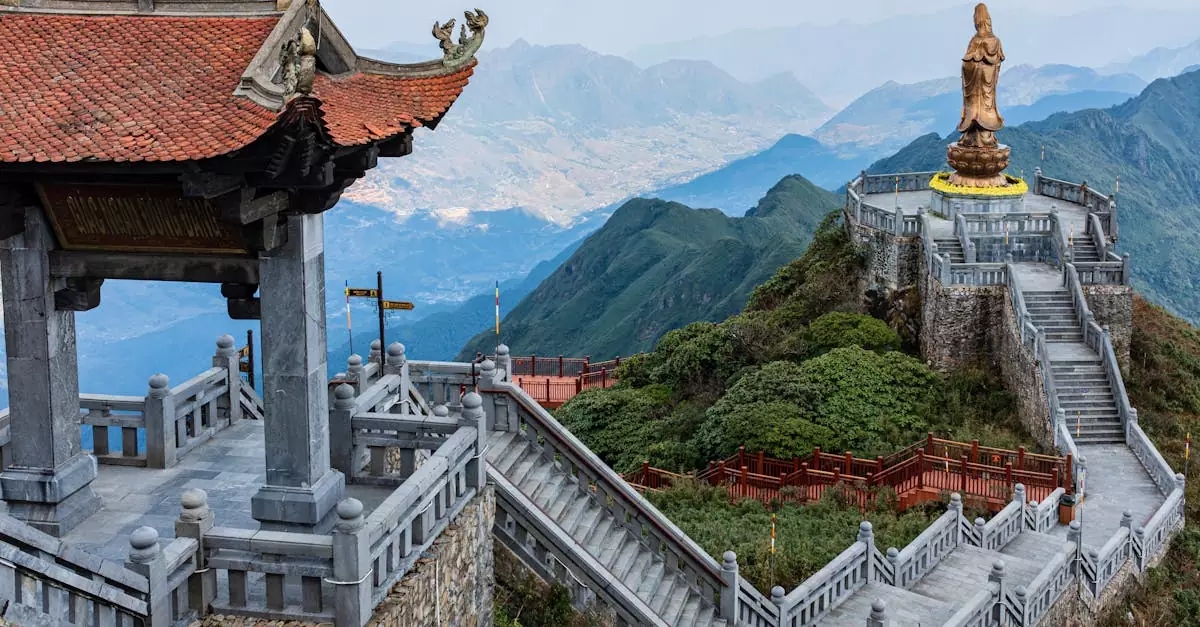
Besides the basic round-trip cable car ticket, there are several packages designed to enhance your Fansipan adventure. One popular option is the Muong Hoa Funicular, a quaint train that links Sapa town directly to the cable car station, sparing you a taxi ride or a lengthy walk. Many opt for combo tickets that cover both the Muong Hoa Funicular and the Fansipan cable car, offering added convenience and often a slight discount on the overall `fansipan ticket cost vietnam`. Another choice is the summit funicular, sometimes called the mountain train, which transports visitors from the upper cable car station to the peak itself. This brief but steep ride helps avoid climbing hundreds of steps. Tickets for the summit funicular are purchased separately at the upper station, usually costing about 100,000 to 150,000 VND for a round trip. Some premium packages include perks such as meal vouchers at the summit restaurant or access to VIP lounges. Its worth asking about these extras at the ticket counter. Online travel agencies occasionally provide bundled deals, including hotel transfers. Consider your preferences for comfort and services to select the ticket that best suits your needs. Each package aims to make your Fansipan journey more pleasant.
Comparing Fansipan Ticket Cost Vietnam: Cable Car vs. Trekking
When deciding how to reach Fansipans summit, the main options are the cable car or hiking. These choices offer very different experiences and come with distinct price points. The `fansipan ticket cost vietnam` for the cable car is a single payment that grants a quick, comfortable ascent. Trekking, conversely, involves several expenses such as guide fees, porter services, permits, meals, and lodging. A guided trek typically takes two to three days and can range from 150 to over 300 USD per person, depending on the operator and whats included. While trekking immerses you in nature and local culture, it demands physical stamina and more time. The cable car suits travelers with limited time or physical constraints, delivering the summit in about 15 to 20 minutes. The views during the ride are spectacular and distinct from those on foot. Trekking offers a rewarding sense of achievement and a deeper cultural connection. Weighing your budget, fitness, and what you want from the trip will help you choose between these contrasting ways to conquer Fansipan. Both paths lead to the same stunning peak, yet the journeys are completely different.
| Feature | Fansipan Cable Car | Fansipan Trekking (Guided) |
|---|---|---|
| Estimated Cost (Foreigner) | 750,000 – 800,000 VND (~$30-35 USD) | $150 – $300+ USD (2-3 days) |
| Time to Summit | ~15-20 minutes (cable car ride) | 2-3 days |
| Physical Exertion | Low (some stairs at summit) | High (strenuous hiking) |
| Accessibility | High (suitable for most ages/fitness levels) | Low (requires good fitness) |
| Experience | Panoramic views, comfortable, quick | Immersive nature, cultural interaction, challenge |
| Inclusions | Round-trip cable car ride | Guide, permits, food, accommodation, porter (varies) |
Factors Influencing Your Fansipan Cable Car Price
A variety of factors can impact the final `fansipan cable car price` you encounter, so keeping these in mind can help with budgeting. To start, nationality often mattersVietnamese citizens usually pay less than foreign tourists, so locals should carry identification to qualify for discounts. The way you purchase tickets also affects the cost. While buying directly at the Sapa station is standard, some hotels or local operators offer slight discounts or package deals that might include transportation to the station. Online booking platforms can present competitive rates, making it worthwhile to compare options. Pricing might also adjust slightly during peak or off-peak seasons, though this is less common for the cable car fare itself; however, travel costs to Sapa can rise during busy periods such as holidays or the dry season. Occasionally, special promotions or group discounts become available, so if You’re traveling with others, its smart to ask about these offers. Staying informed about these variables ensures you get the best value for your Fansipan visit. For a more detailed look at timing your trip, consider our guide on the best time to visit Sapa.
Pros and Cons of Taking the Fansipan Cable Car
Choosing whether to ride the Fansipan cable car means balancing its benefits against some drawbacks. It offers a distinctive way to experience Vietnams highest mountain, yet it might not appeal to everyone. Here’s a fair assessment of its advantages and disadvantages.
Pros:
- Accessibility: The cable car opens Fansipan to a wide audience, including children, seniors, and those with limited mobility.
- Time-Saving: It drastically cuts the journey time to about 15-20 minutes, compared to several days of trekking.
- Spectacular Views: Passengers are treated to sweeping vistas of the Hong Lin Sn range, terraced fields, and floating clouds from above.
- Comfort: The enclosed cabins shield riders from weather, ensuring a pleasant trip regardless of conditions.
- Convenience: Avoid the physical strain and logistical challenges involved in a multi-day hike.
- Cultural and Spiritual Sites: Access to pagodas, temples, and the giant Buddha statue atop the mountain is made easy.
Cons:
- Cost: The `fansipan cable car price` might be steep for travelers on a tight budget.
- Less Immersive: You wont experience the same deep connection with nature and local culture that trekking offers.
- Crowds: During peak seasons or holidays, the cable car stations and summit can get very busy.
- Weather Dependency: Fog or clouds may obscure the views, making the experience less spectacular on poor weather days.
- Altitude Sickness: The rapid ascent can cause mild altitude sickness in sensitive individuals.
- Commercialization: Some visitors feel the developed summit area lacks the raw natural ambiance due to its commercial aspects.
Practical Tips for Your Fansipan Cable Car Journey
To make your Fansipan cable car trip as smooth as possible, keep a few practical pointers in mind. Start by checking the weather Forecast clear days provide the best visibility, but mountain weather can shift rapidly. Dress in layers since temperatures at the summit are much cooler than in Sapa town; even sunny days can be chilly and windy. Comfortable walking shoes are a must since there are still many stairs to climb near the summit. Arriving early helps you beat the crowds and increases the chance of clear views before clouds settle in. Buying tickets ahead of time, especially during busy seasons, can save you from long lines. Bring water and snacks, although food and drinks are available at the summit. If You’re prone to motion sickness, take appropriate measures before the ride. Stay hydrated and move slowly as you explore the summit to acclimate to the altitude. Don’t forget your camera to capture the stunning panoramas. For advice on managing travel expenses, our travel budget guide offers helpful insights to allocate funds for activities like the cable car.
Making the Most of Your Trip to Sapa, Vietnam
Fansipan is just one highlight among many in Sapa, a charming mountain town in northern Vietnam. The local market bursts with energy as ethnic minority groups sell their crafts and produce. Exploring the rich traditions of the Hmong, Dao, and Tay peoples adds depth to your visit. You might wander through traditional villages such as Cat Cat or Ta Van, where daily life reflects ancient customs. Guided treks through terraced rice fields reveal breathtaking agricultural landscapes, often combined with homestays that offer authentic cultural exchanges. Sapa also serves as a gateway to natural wonders like Silver Waterfall and Love Waterfall. Local cuisine, known for its fresh ingredients and distinct flavors, features dishes like ‘thang co’ (horse hotpot) and grilled street skewers. The towns cool climate offers a refreshing break from Vietnams hotter regions. For nature lovers and culture seekers alike, Sapa delivers an unforgettable experience. To deepen your understanding of this fascinating country, visit Vietnam on Wikipedia.
Frequently Asked Questions About Fansipan Cable Car
How long does the Fansipan cable car ride take?
The ride on the Fansipan cable car typically lasts about 15 to 20 minutes one way, carrying passengers from the base station up to the upper cable car station near the summit.
Is there an age limit for the cable car?
No specific age restrictions apply to the Fansipan cable car, making it suitable for all agesfrom young children to elderly travelers. However, individuals with heart conditions or serious respiratory issues should consult a physician due to the rapid altitude change.
Can I buy tickets online for the Fansipan cable car?
Yes, tickets can be purchased online through authorized travel agencies or official partners. This option is often recommended to save time and avoid queues, especially during busy seasons. Always confirm the credibility of the vendor before purchasing.
What is the best time of day to ride the cable car?
The ideal time for the cable car ride is early morning, shortly after it opens. This timing helps you avoid crowds and increases the likelihood of clear views before clouds or fog develop later in the day.
Are there food options at the summit of Fansipan?
Yes, several dining options are available at the summit complex, including restaurants and small cafes serving Vietnamese dishes, snacks, and hot beverages to keep you warm.
Conclusion: Your Unforgettable Fansipan Adventure Awaits
Planning a trip to Fansipan, the highest point in Indochina, is an exciting prospect. Knowing the `fansipan cable car price` is a key part of preparing for your visit. This overview has detailed ticket costs, available packages, and useful advice. Whether you opt for the ease of the cable car or the challenge of trekking, reaching Fansipan promises an experience you wont forget. The stunning summit views offer a unique glimpse into Vietnams breathtaking natural beauty. Keep in mind any extra expenses like the summit funicular or special ticket packages. Prepare for changing weather and aim to start early to make the most of your day. Beyond just a ride, your Fansipan journey will be a remarkable adventure into the heart of Vietnams northern mountains, where one of Asias most majestic peaks awaits your discovery.