Landing in a foreign country often means your first priority is getting local currency, and Manila, the vibrant capital of the Philippines, is no different. Once you arrive at Ninoy Aquino International Airport (NAIA), obtaining Philippine Pesos (PHP) quickly becomes essential. Knowing the details about **manila currency exchange airport fee** options can make your arrival hassle-free and help you avoid unnecessary costs.
Travelers frequently debate whether exchanging money right at the airport is worth the convenience or if its better to wait and find more favorable rates elsewhere. Exchange booths are easy to find inside the airport but tend to offer rates that arent as good as those youll find in the city. This information will guide you through your options, helping you decide the best way to handle currency exchange when you first set foot in Manila.
From airport exchange rates to alternatives such as ATMs and travel cards, understanding the pros and cons of each method can save you money and time. Being prepared with this knowledge ensures your travel funds stretch further from the moment you arrive. Heres a closer look at how currency exchange works at Manilas airports.
Understanding Manila Currency Exchange Airport Fee Options
At Ninoy Aquino International Airport (NAIA), youll encounter several currency exchange counters spread across its terminals. NAIA is the main hub for international visitors and consists of four terminals: Terminal 1 handles international flights, Terminal 2 is for Philippine Airlines’ international and domestic routes, Terminal 3 manages most international and some domestic flights, while Terminal 4 is dedicated to domestic flights. Each terminal has exchange booths run by major banks or licensed money changers, usually placed near arrival gates, baggage claim, or public areas. These counters offer the convenience of immediate cash conversion, which appeals to many travelers arriving after long flights. However, the catch is that airport exchange rates tend to be less competitive, a common trend worldwide. The premium you pay reflects the ease of access to cash right as you arrive. Knowing this, its often wise to convert only a small sum initially to cover your first expenses like transport or food.
The Reality of Airport Exchange Rates: A Cost Comparison
One of the biggest concerns is how much more you might be paying by exchanging money at the airport. Typically, these counters offer rates that lag behind those in city centers by anywhere from 3% to over 10%, depending on the currency and the specific exchange provider. For instance, if the market rate for USD to PHP is 55.00, airport kiosks might only give you 52.50 to 53.00 per dollar. This means that exchanging $100 at the airport could cost you $3 to $7 more than doing so in the city. While this may not seem significant when exchanging small amounts, the difference becomes noticeable with larger sums. The airports convenience of quick cash access is undeniable, but it comes at a financial cost. Many travelers find it practical to exchange just enough to cover immediate needs and then look for better rates once theyre in town.
| Exchange Location | Typical USD to PHP Rate (Example) | PHP Received for $100 (Example) | Notes |
|---|---|---|---|
| NAIA Airport Exchange | 52.50 – 53.50 | 5,250 – 5,350 | Convenient, but less favorable rates. Best for small initial amounts. |
| Major City Money Changer | 54.00 – 54.80 | 5,400 – 5,480 | More advantageous rates, but requires going into the city. |
| Bank ATM Withdrawal | Mid-market rate – fees | Variable (depends on fees) | Competitive rates, but watch out for ATM transaction fees. |
Currency Exchange Options at NAIA Terminals
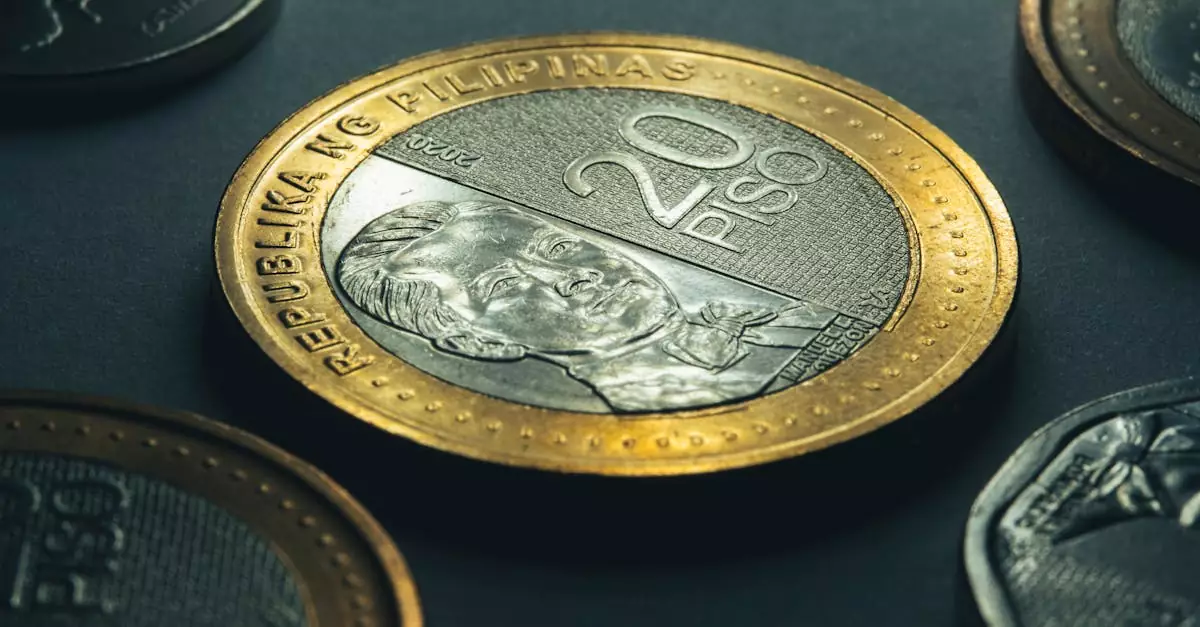
Currency exchange services are available at all NAIA terminals, each offering varied options. Terminal 1, primarily serving international flights, hosts exchange counters managed by banks such as BDO and PNB, typically found in the arrival hall post-immigration. Terminal 2, catering to Philippine Airlines, features similar facilities in both international and domestic arrival zones. Terminal 3, the airports largest and newest terminal, boasts the widest selection, including multiple money changers and bank branches distributed throughout arrivals and sometimes even departures. Terminal 4, smaller and focused on domestic flights, offers limited but sufficient basic exchange services. Most counters operate during flight schedules, generally from early morning till late at night, though not all are open 24/7. To locate these services easily, consult terminal maps or ask airport personnel. Its also worth noting that rates can vary slightly between counters within the same terminal. Expect the transaction to take about 5 to 10 minutes, depending on queues, and have your passport handy as its often required for larger exchanges.
ATM Withdrawals: A Viable Alternative?
ATMs scattered throughout all NAIA terminals provide another way to access Philippine Pesos. Positioned in arrival halls, departure areas, and public spaces, these machines allow you to withdraw cash directly from your bank account, often at rates closer to the mid-market value than airport exchange counters. However, withdrawing money this way does come with fees: your home bank may charge for international withdrawals, and the local ATM operator usually adds a transaction fee of around PHP 250-300 (roughly $4-5 USD). Many ATMs also impose withdrawal limits, typically between PHP 10,000 and PHP 20,000 per transaction, which might require multiple withdrawals if you need more cash, thereby increasing fees. Despite this, many travelers find ATM withdrawals more economical overall due to the better exchange rates. Before traveling, notify your bank to prevent card blocks, and seek out ATMs linked to major international networks like Plus or Cirrus for smoother transactions.
Pros and Cons of Using ATMs for Currency Exchange
- Pros:
- Exchange rates tend to be closer to the mid-market value.
- Most ATMs operate round the clock in major terminals.
- Quick and convenient access to cash without needing to carry large sums.
- Reduces the hassle of handling physical currency beforehand.
- Cons:
- Fees charged by both your bank and the local ATM operator can add up.
- Withdrawal amounts are limited per transaction or day.
- Potential risks of card skimming or ATM malfunctions.
- Requires a debit card that supports international withdrawals.
Prepaid Travel Cards and Credit Cards: Modern Solutions
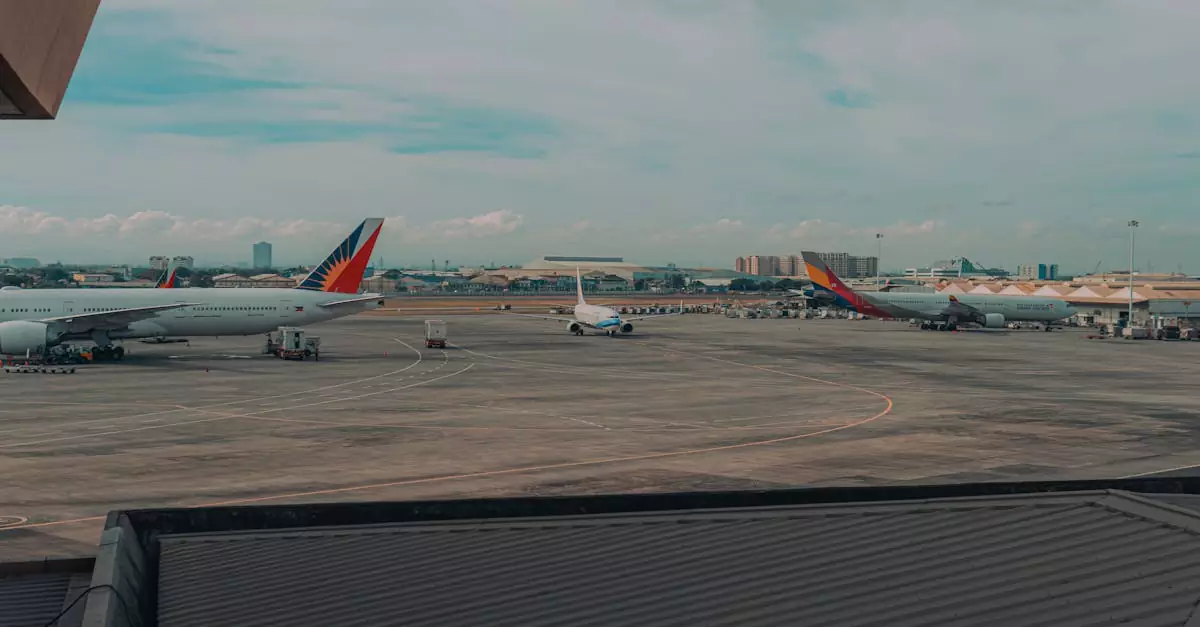
Many travelers today opt for prepaid travel cards or credit cards as secure and often cost-effective ways to handle foreign currency. Prepaid travel cards let you load money in your home currency and convert it to Philippine Pesos at a fixed rate, shielding you from exchange rate fluctuations. These cards typically offer competitive rates and lower fees than regular debit or credit cards. Since they are not directly linked to your main bank account, they provide an added layer of protectionif lost or stolen, your main funds stay safe. Credit cards are widely accepted in Manilas hotels, restaurants, and shopping malls, making them ideal for larger purchases without carrying cash. However, many cards impose foreign transaction fees, usually between 1% and 3%, so its wise to check if your card offers fee-free international use. For smaller transactions, such as street markets or public transport, cash remains king in the Philippines. Combining credit cards for big expenses with cash for everyday purchases often works best.
Practical Tips for Exchanging Currency in Manila
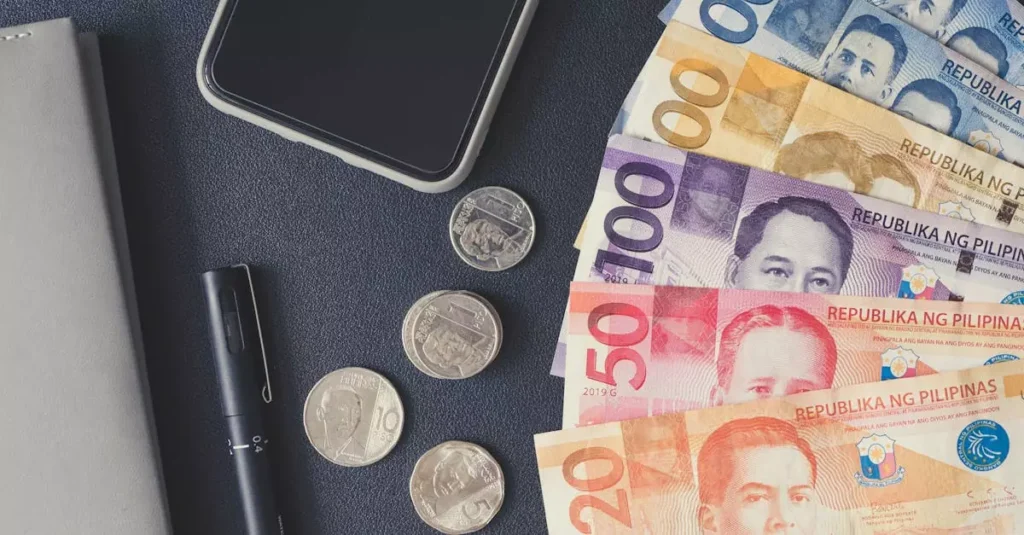
Handling currency exchange smoothly involves some practical strategies. Its a good idea to convert only a small sum at the airportaround PHP 1,000 to PHP 2,000to cover immediate costs like taxis, snacks, or SIM cards. Afterward, seek out reputable money changers in major shopping malls or banks within the city, where rates tend to be more favorable. Popular malls such as SM Megamall, Ayala Malls, and Glorietta often house trustworthy exchange providers. Always compare rates from several counters before making your exchange to avoid missing out on better deals. Be cautious of hidden fees; some places might advertise attractive rates but add service charges, so ask upfront for the total amount youll receive. Also, carry small denominations like PHP 20, 50, and 100 as these are handy for tricycle fares, street food, and minor purchaseslarge bills can be tough to break at small vendors. Following these tips helps maximize the value of your money during your stay.
Important Tips for Travelers
- Important Tip 1: Download a reliable currency converter app to quickly check rates and avoid being shortchanged.
- Important Tip 2: Inform your bank about your travel plans to prevent your cards from being blocked due to unfamiliar activity.
- Reality Check: Expect long lines at popular money changers in malls during peak hours; plan accordingly to avoid delays.
Beyond the Airport: City Exchange Options
Once outside the airport, youll find a wider range of currency exchange options offering better rates. Manilas city centers are dotted with reputable money changers that consistently provide more competitive prices than airport counters. Major shopping malls throughout Metro Manila, such as SM and Ayala malls, feature trusted names like Czarina Foreign Exchange and Sanrys. These establishments are generally transparent and safe places to exchange money. Banks including BDO, BPI, and Metrobank also provide currency exchange, although their rates might not be as attractive as those at dedicated money changers, and their hours can be limited. When exchanging money in the city, always prioritize safety: avoid street vendors and always count your cash before leaving the counter. The Philippines, a lively archipelago in Southeast Asia, has a bustling economy reflected in Manilas energetic atmosphere. Familiarity with local exchange practices will help you navigate this dynamic environment with confidence. For broader information about the country, you can visit the Wikipedia page for the Philippines.
Navigating Manila: Essential Travel Information
Getting around Manila means blending local knowledge with the right amount of cash. Transportation options include taxis, ride-hailing services like Grab, buses, jeepneys, and the MRT/LRT rail systems. While ride-sharing apps and some taxis accept card payments, cash is still mandatory for jeepneys, many local buses, and most taxi drivers. Street vendors and markets also rely exclusively on cash. Therefore, having enough Philippine Pesos on hand is essential for daily activities. Before your trip, dont forget to complete the mandatory eTravel registrationa health and customs declaration required for all arrivals. You can complete this process online via the official eTravel website. Taking care of this ahead of time will save you hassle and speed up your entry into the country. Understanding these practical details, from currency to entry requirements, lays the groundwork for a more seamless and enjoyable stay in Manila.
Frequently Asked Questions
Is it cheaper to exchange currency at Manila airport or in the city?
Currency exchange is generally more affordable in the city, where rates are more favorable. Airport exchanges prioritize convenience and typically offer 3-10% fewer Philippine Pesos per unit of foreign currency.
Can I use US dollars in Manila?
While some large hotels and establishments might accept US dollars, this is not common for everyday purchases. For most transactions, especially with smaller vendors and public transport, using Philippine Pesos is the norm.
Are there ATMs at Manila airport?
Yes, ATMs are available throughout all NAIA terminals, making it easy to withdraw Philippine Pesos directly from your bank account. Often, the rates are better than those at airport exchange counters, although transaction fees do apply.
What is the best way to carry money in Manila?
A balanced approach works best: carry some cash for day-to-day expenses, use a credit card for bigger purchases, and rely on a debit card for ATM withdrawals. Prepaid travel cards also offer a secure option with competitive rates.
How much local currency should I exchange at the airport?
Its wise to convert a small amount, around PHP 1,000 to PHP 2,000, right at the airport to cover initial costs such as transport or a SIM card. Save the bulk of your currency exchange for city money changers where rates are better.
Conclusion: Smart Choices for Your Manila Trip
Understanding the ins and outs of the **manila currency exchange airport fee** options allows you to make wise financial decisions on arrival. While airport exchanges offer convenience, they come with a cost. Opting to convert a small amount at NAIA for immediate expenses, then seeking out better rates in the city, strikes a good balance. ATMs provide another budget-friendly alternative despite fees, and prepaid travel cards or credit cards add security and ease for larger transactions. By blending these methods, you ensure steady access to Philippine Pesos without overspending, letting you focus on enjoying your time in Manila. A little preparation can make a significant difference in stretching your travel budget and enhancing your experience in the Philippines.