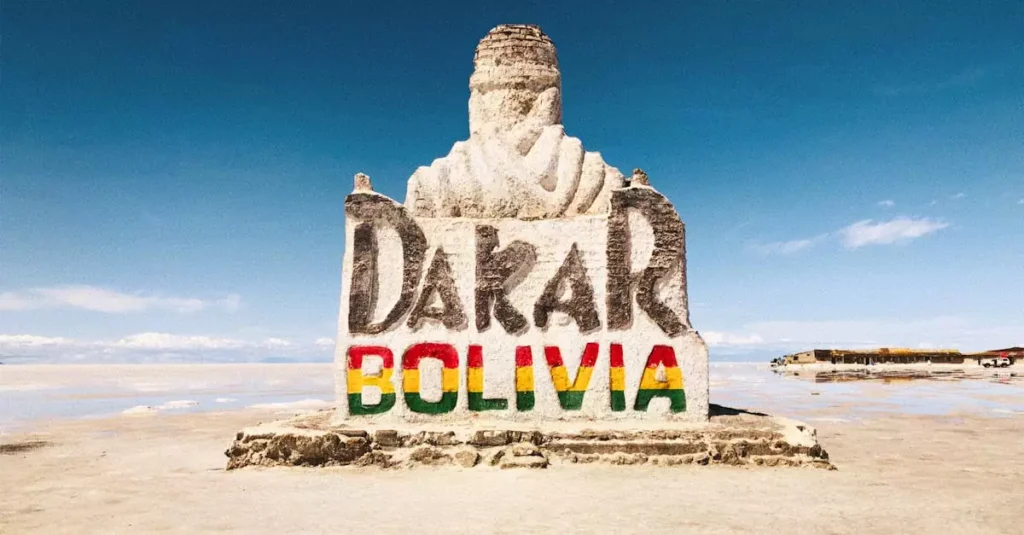
A journey to Bolivia’s Salar de Uyuni promises something truly extraordinary. This sprawling salt flat stands apart from anywhere else you’ll find on the planet. Yet its isolated setting and brutal climate demand serious preparation beforehand. Grasping the real uyuni travel essentials cost becomes essential for a trip that’s both smooth and genuinely enjoyable.
Most travelers underestimate what this high-altitude desert actually demands. Proper equipment matters far beyond comfortit’s fundamentally about staying safe. Specialized clothing, health supplies, protective geareach piece serves a critical purpose. Breaking down what you’ll need and its realistic price tag ensures you arrive fully ready for what’s ahead.
Travel experts and seasoned guides have shaped this resource to help you budget effectively. You’ll find everything from detailed packing lists to smart cost-cutting strategies. Head out to Uyuni with real confidence, knowing you’ve got the information necessary to handle whatever comes your way.
Understanding the Unique Uyuni Environment
The Salar de Uyuni presents both stunning beauty and harsh realities. Sitting at roughly 3,656 meters (11,995 feet) above sea level, it poses genuine challenges to visitors. The thin air at this altitude triggers altitude sickness in many people. Shortness of breath and lightheadedness become common complaints.
Temperature swings here are dramatic and unforgiving. Daytime heat, particularly during the dry season, can be intense. The altitude combined with the salt’s reflective surface means UV radiation reaches extreme levels. Midday temperatures climb to 20C (68F) or higher. Then darkness falls, and everything changes instantly. Nighttime temperatures plunge to -20C (-4F) or lower during winter months (June-August). This wild temperature range demands clothing that can adapt quickly.
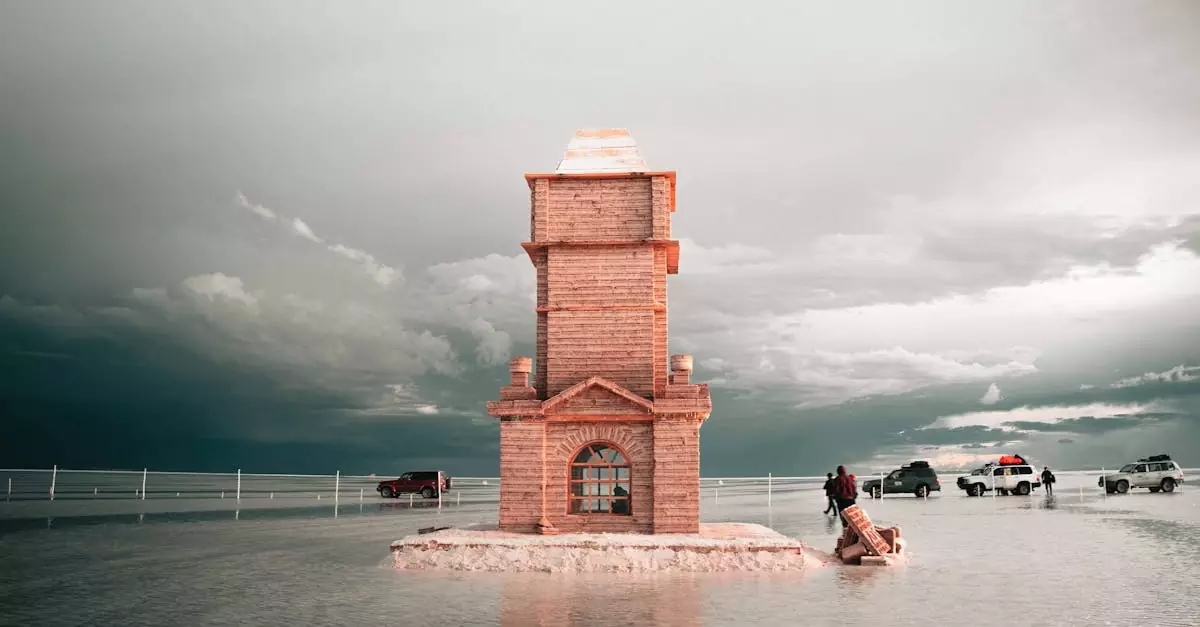
The salt flat itself is staggering in scaleover 10,000 square kilometers of mostly flat, open terrain with virtually no shelter from weather. Wind becomes a constant presence, intensifying the cold. Between December and April, the wet season transforms parts of the flat into shallow lakes that create that famous mirror effect. This seasonal shift brings water and mud, making waterproof gear absolutely necessary.
Once you venture beyond Uyuni town, modern conveniences disappear. Tours typically feature basic lodging without heating or reliable hot water. Electricity comes and goes, sometimes available only a few hours daily. This isolation underscores why sorting your uyuni packing cost items before departure is non-negotiable. You won’t stumble upon a shop to grab forgotten essentials. Arriving prepared keeps you safer and far more comfortable throughout your adventure.
Essential Uyuni Packing List: What You Absolutely Need
Your packing strategy for Uyuni must handle extreme conditions effectively. Prioritize layering, sun defense, and personal comfort essentials. Starting with clothing: thermal base layers made from merino wool or synthetic materials work best. They retain warmth without excess bulk. Pack multiple pairs of warm socks, ideally wool-blend. A fleece jacket or quality sweater handles mid-layer duties. Your outer shell needs to be both waterproof and windproofthis is non-negotiable. A down jacket excels at keeping you warm through frigid nights. Waterproof pants become essential, especially if you’re visiting during wet season months.
Sun protection cannot be overlooked. The salt’s reflection creates incredibly intense sun exposure. Bring sunscreen with SPF 50 or higher, a broad-brimmed hat, and sunglasses rated Category 3 or 4. SPF lip balm protects your lips from both sun and wind damage. For footwear, waterproof hiking boots with ankle support are idealthey shield your feet against salt and water while providing stability. Bring sandals or flip-flops for wearing around basic accommodations in the evenings.
Health and hygiene supplies deserve careful attention. Your first-aid kit should contain pain relievers, blister treatment, and any prescription medications you take regularly. Altitude sickness medication such as Diamox proves invaluablediscuss this with your doctor before traveling. Hand sanitizer, wet wipes, and a quick-dry towel handle daily needs. Pack toiletries in full since options will be extremely limited. A headlamp or flashlight becomes indispensable for navigating dark nights and early morning departures.
Additional items round out your kit: a reusable water bottle for staying hydrated, energy-boosting snacks, and a portable power bank for charging devices. A small day pack works well for shorter excursions. This thorough uyuni packing cost list covers all the bases for a secure and comfortable experience.
Breaking Down Your Uyuni Travel Essentials Cost
Knowing what gear actually costs helps you plan your finances properly. The uyuni travel essentials cost fluctuates based on what you already own and your shopping approach. Here’s a realistic breakdown. Quality thermal base layer sets range from $50 to $150. A solid fleece jacket typically costs $30-$80. Waterproof and windproof outer shells run $100 to $300 or more. Down jackets represent the priciest clothing item, often $150 to $400+. Waterproof hiking boots fall in the $80-$200 range.
Sun protection gear stays relatively affordable but remains vital. Sunscreen and lip balm add roughly $15-$30 total. A wide-brimmed hat usually costs $10-$30. Quality sunglasses can be anywhere from $20 to $100+. For health items, a basic first-aid kit runs $15-$40. Any personal medications carry their own expenses. Altitude medication, if prescribed, adds to your total. A headlamp costs around $15-$40. Portable power banks range from $20-$60.
Many travelers already possess several of these items. Purchasing everything brand-new can become expensive fast. A complete mid-range gear setup could easily total $500-$1000. You can slash this significantly by adopting a budget gear guide mentality. Hunt for sales, explore second-hand options, or rent specific items instead. Renting a quality down jacket in La Paz or Uyuni saves hundreds compared to buying. This approach keeps your overall travel spending reasonable and manageable.
Factor in a solid travel backpack too. A 40-60 liter capacity works well for multi-day tours. These range from $50 to $200. Though some items require investment, they’re essential for both comfort and safety in Uyuni’s demanding environment. Always prioritize warmth and protection ahead of appearance.
Budgeting for Your Uyuni Adventure: Tour vs. DIY
Deciding between an organized tour and going solo represents a major planning choice. Most visitors choose tours because of the salt flat’s immensity, remoteness, and complete lack of public transportation. Tours bundle transport, lodging, and mealsall of which significantly impact your overall uyuni packing cost and total budget.
A typical 3-day/2-night group tour departing from Uyuni costs between $150 and $300 USD per person. Pricing depends on operator reputation, vehicle quality, and group size. Private tours start much higher, usually $800-$1500 minimum. These packages cover most operational expenses, leaving you to handle personal gear and extras. Group tours offer the most economical route for budget-conscious travelers. Shared costs for fuel, drivers, and guides reduce the per-person expense considerably.
Attempting a DIY adventure across the Salar isn’t advisable. You’d need a 4×4 vehicle, a driver experienced with the terrain, and deep knowledge of the region. Risks multiply quicklygetting lost, mechanical failures, zero emergency services nearby. Renting a suitable 4×4, hiring a driver, and purchasing supplies would cost far more than any tour package. You’d also miss out on the invaluable local knowledge experienced guides provide.
Your budget should account for tips given to guides and drivers, typically $10-$20 per person. National park entrance fees usually aren’t included in tour prices. The Eduardo Avaroa Andean Fauna National Reserve charges around 150 Bolivian Bolivianos (approximately $22 USD). A travel budget guide helps you anticipate these extras. These small costs accumulate, so plan accordingly.
Comparison Table: Tour vs. DIY Uyuni Trip
| Feature | Organized Tour (3D/2N) | DIY Trip (Not Recommended) |
|---|---|---|
| Cost (per person) | $150 – $300 (group) | $1000+ (rental, driver, fuel, supplies) |
| Safety & Logistics | High, experienced guides, reliable transport | Very Low, high risk of getting lost/stranded |
| Accommodation | Included (basic salt hotels/hostels) | Requires independent booking/camping gear |
| Meals | Included (basic, often local cuisine) | Requires purchasing and preparing all food |
| Expertise | Local guides provide insights and navigation | Requires extensive personal research and navigation skills |
| Convenience | Very High, everything arranged | Very Low, complex planning and execution |
Pros and Cons of Different Gear Choices
Your uyuni travel essentials cost depends heavily on gear quality decisions. You face three main paths: high-end, mid-range, or budget options, each with distinct trade-offs. Premium gear like Gore-Tex jackets and quality down sleeping bags delivers superior performance. Maximum warmth, excellent waterproofing, and lasting durability mean greater comfort and safety during extreme conditions. The drawback is the steep initial investment. Yet this gear lasts through multiple trips, spreading the cost across years.
Mid-range equipment offers genuine balance. You can find respectable thermal layers, waterproof jackets, and hiking boots without emptying your wallet. Brands like Columbia or Decathlon consistently deliver strong value. This tier typically performs adequately in Uyuni’s conditions. The advantages include better affordability alongside solid performance. Minor downsides might involve slightly reduced durability or warmth compared to premium items. For a single trip, it’s usually perfectly sufficient.
Budget gear means hunting down the absolute cheapest options available. Basic synthetic thermals, generic waterproof layers, or older hiking boots fall into this category. The obvious advantage is keeping your uyuni packing cost minimal. However, significant drawbacks emerge. Budget gear might not generate enough warmth, particularly during nighttime. It might lack true waterproofing or windproofing, leading to serious discomfort or health dangers. Durability suffers too, risking equipment failure mid-trip. For somewhere as extreme as Uyuni, relying entirely on very cheap gear carries real risks.
A hybrid strategy works best. Splurge on critical itemsa warm jacket, waterproof outer layer, quality boots. Economize on less essential items like socks or basic toiletries. Renting a premium sleeping bag or down jacket from La Paz or Uyuni offers excellent value. You experience premium comfort without the full purchase price. Safety and warmth should always outweigh saving a few dollars on essential equipment.
Practical Tips for Saving Money and Staying Safe
Strategic planning significantly reduces your uyuni travel essentials cost. Start by inventorying what you already own. Many travelers have suitable items like fleece jackets or basic hiking boots sitting at home. Borrow from friends if possible. This immediately cuts new purchases. Next, explore renting options. La Paz and Uyuni town both have rental shops with high-quality down jackets and sleeping bags. Renting costs far less than buying, especially if you won’t use these items regularly after your trip.
When purchasing new gear, comparison shop aggressively. Check sales at outdoor retailers and online marketplaces. Second-hand stores often stock excellent pre-owned equipment at bargain prices. Focus on multi-purpose items. A warm base layer works for future cold-weather adventures. A versatile waterproof jacket serves many purposes. This approach maximizes value from your purchases.
Safety requires constant attention to hydration. Drink water consistently to fight altitude sickness. Skip alcohol and heavy meals during your first day at altitude. Coca leaves or coca tea, used by locals for generations, can help. Always tell someone your travel plans. Select tour operators with strong safety reputations. Read reviews and ask detailed questions about their vehicles and emergency protocols. Confirm your travel insurance covers high-altitude activities.
Bring snacks and extra water during your tour. While meals are included, additional provisions prove invaluable. Carry small bills in Bolivian Bolivianos for small purchases or tips. ATMs become scarce outside Uyuni town. For comprehensive financial planning, consult our travel budget guide. Timing your visit strategically also affects costs; our guide on the best time to visit Uyuni covers seasonal pricing variations. The Salar de Uyuni represents a massive salt flat with genuinely unique geology. Learn more about its formation and history on Wikipedia.
Frequently Asked Questions About Uyuni Travel
How much does a Uyuni tour typically cost?
A standard 3-day, 2-night group tour from Uyuni costs between $150 and $300 USD per person. This usually includes transport, basic accommodation, and meals. Private tours are significantly more expensive, starting from around $800.
What is the best time to visit Uyuni for budget travelers?
The shoulder seasons (April-May and September-November) often offer a good balance. Prices might be slightly lower than peak season, and weather conditions are generally favorable. The wet season (December-April) offers the mirror effect but can bring more rain and mud.
Can I rent gear in Uyuni?
Yes, you can rent essential gear like warm sleeping bags, down jackets, and sometimes even hiking boots in Uyuni town. Rental shops are usually found near the main square or bus terminal. This is a cost-effective way to manage your uyuni packing cost.
Is altitude sickness a major concern in Uyuni?
Yes, altitude sickness is a significant concern due to Uyuni’s high elevation. Acclimatize in La Paz or Potos for a few days before your trip. Drink plenty of water, avoid alcohol, and consider consulting your doctor about medication like Diamox.
What currency should I use in Uyuni?
The local currency is the Bolivian Boliviano (BOB). It is best to carry small denominations for purchases and tips. While some larger tour operators might accept USD, local vendors and smaller establishments prefer BOB. ATMs are available in Uyuni town but can be unreliable.
Conclusion: Your Uyuni Adventure Awaits
Preparing properly for the Salar de Uyuni demands thoughtful planning, particularly around gear and finances. Grasping the uyuni travel essentials cost represents your first crucial step toward a successful and unforgettable experience. By emphasizing warmth, sun defense, and personal safety, you’ll navigate this destination’s unique demands effectively. Remember that investing in proper gear isn’t merely about comfortit’s fundamentally about protecting your health in an extreme environment.
Whether you pursue a complete new gear purchase or follow a smart budget gear guide approach using rentals and borrowed items, careful planning delivers real results. Always select a trustworthy tour operator and prioritize staying hydrated to manage altitude effects. The experience of witnessing the vast, dreamlike expanse of the Salar de Uyuni is genuinely priceless. Armed with this resource, you’re prepared to plan with genuine confidence.
Your journey to one of South America’s most remarkable natural wonders is absolutely within reach. Pack strategically, plan thoroughly, and prepare to be captivated by the endless horizons and breathtaking beauty of Bolivia’s salt flats. Safe travels ahead!