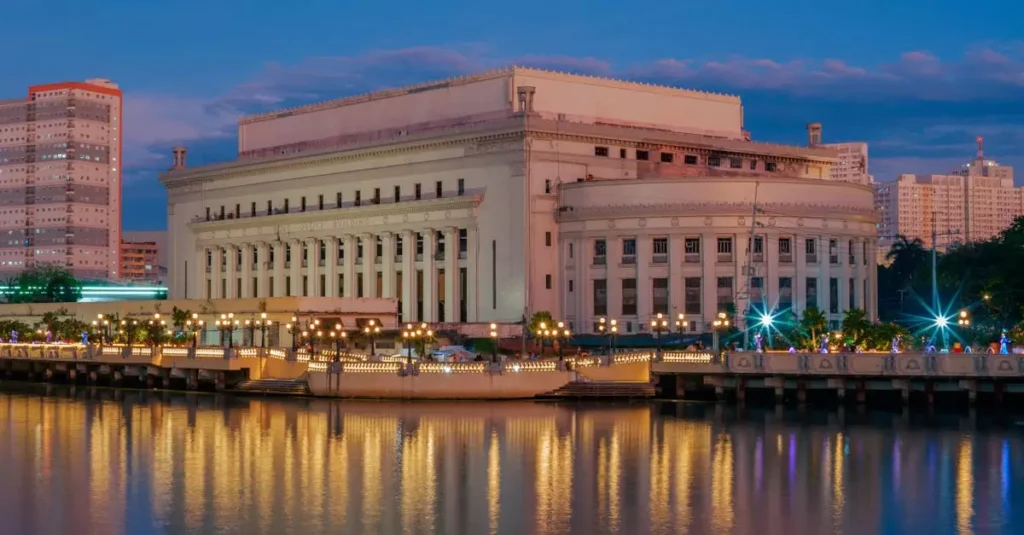
Manila, the lively capital city of the Philippines, promises a travel experience filled with rich history, bustling markets, and modern shopping centers. Whether you’re wandering through ancient landmarks or browsing colorful streetside stalls, cash tends to be the preferred method of payment, especially at local eateries, markets, and for smaller purchases. Understanding how to manage your money while there is essential for a hassle-free visit.
Getting your finances in order before and during your trip can stretch your budget further. One key aspect is accessing cash through ATMs, but the various fees and withdrawal limits can be tricky to navigate. Many visitors get caught off guard by unexpected charges when using foreign-issued cards. Having insight into the usual Manila ATM withdrawal fee tourist rates helps you avoid surprises and plan your expenses better.
This detailed resource explains the ins and outs of using ATMs in Manila. You’ll find information about typical `manila atm charges`, withdrawal restrictions, and useful tips to keep costs down. By applying these recommendations, you can sidestep unnecessary fees and ensure you carry enough cash for your daily activities. This knowledge will make your financial transactions in the Philippines smoother and more efficient.
Understanding Manila ATM Withdrawal Fee Tourist Charges
When withdrawing money from an ATM in Manila using a foreign debit or credit card, expect several types of fees to apply. The most noticeable fee usually comes from the Philippine bank that owns the ATM. Leading banks like BDO, BPI, and Metrobank commonly impose a flat transaction fee, typically between PHP 250 and PHP 300 (roughly USD 4.50 to USD 5.50, depending on the exchange rate). This fee applies regardless of how much you withdraw, up to the maximum allowed per transaction.
Besides the local surcharge, your home bank may also add foreign transaction fees. These charges often range from 1% to 3% of the withdrawal amount, and some banks may apply a fixed fee for international ATM use. Its wise to contact your bank before traveling to learn about their policies so you can anticipate these costs. Many travelers find that making multiple small withdrawals can become pricey due to these combined fees.
Sometimes, card networks such as Visa, MasterCard, or Plus might tack on minor processing fees, though this is less common. A crucial tip for visitors is to avoid accepting ‘Dynamic Currency Conversion’ (DCC) if prompted by the ATM. DCC converts your withdrawal into your home currency but usually at an unfavorable exchange rate, adding hidden expenses. Opting to be charged in Philippine Pesos (PHP) ensures you receive the more favorable interbank exchange rate.
Common ATM Withdrawal Limits in Manila
Travelers should be aware of withdrawal limits when using ATMs in Manila, which are determined by both the local bank and your own financial institution. Typically, ATMs allow withdrawals ranging from PHP 10,000 to PHP 20,000 per transaction. Some machines, especially those operated by larger banks such as BDO and BPI, may permit amounts up to PHP 25,000 or PHP 30,000 in a single withdrawal, but this isnt guaranteed everywhere.
Your home bank also enforces a daily withdrawal limit, which is often higher than the local ATMs per-transaction ceiling. For instance, while your bank might let you withdraw up to USD 500 daily, the ATMs local limit of PHP 20,000 (about USD 350-400) could restrict how much you can access at once. To reach your full daily allowance, you might have to make multiple withdrawals over several days or try different ATMs, but this approach means paying the local bank fee multiple times.
Grasping these `ATM fees in Manila` and withdrawal caps helps in planning your cash flow. Generally, withdrawing larger amounts less often is more economical since it reduces the number of flat fees paid. For example, pulling PHP 20,000 once with a PHP 250 fee is more cost-effective than making four separate PHP 5,000 withdrawals that could cost PHP 1,000 in fees. Always balance your daily spending needs with the safety of carrying cash, making sure to store larger sums securely.
Major Banks and Their ATM Network in Manila
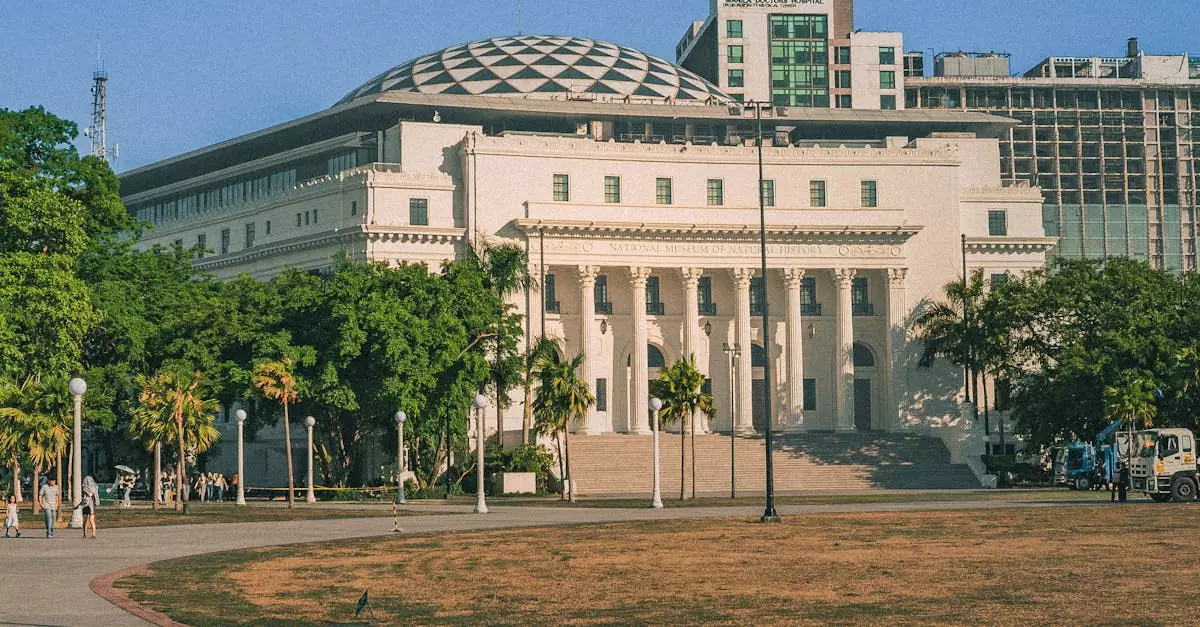
Manila features a robust network of ATMs from various Filipino and international banks. The most widely available local banks include BDO (Banco de Oro), BPI (Bank of the Philippine Islands), Metrobank, Security Bank, and RCBC (Rizal Commercial Banking Corporation). Their machines are commonly found in shopping malls, airports, business districts, and near branch offices. These ATMs are generally reliable and well-maintained, offering peace of mind for visitors.
BDO and BPI are especially prevalent, making it easy to locate their ATMs throughout the city. Many tourists prefer using these banks machines because of their consistent performance. While the `manila atm withdrawal fee tourist` is fairly standard across banks, the security and condition of the ATM are key factors. Its advisable to use ATMs inside bank premises, reputable malls, or well-lit, busy locations to reduce risks like card skimming or fraud.
Always stay alert when using ATMs. Although many are accessible 24/7, its safer to withdraw cash during daylight or in crowded areas. Some ATMs have security personnel nearby, particularly in bustling zones. Before inserting your card, inspect the machine for unusual attachments on the card slot or keypad. After completing your transaction, promptly secure your money and card. Most ATMs in Manila accept major international cards like Visa, MasterCard, Cirrus, and Plus, so look for their logos on the machines.
Comparison: ATM Withdrawal vs. Other Payment Methods
While ATMs offer convenience, theyre just one option for handling money in Manila. Combining multiple payment methods can help you manage costs and maintain flexibility. Alternatives include credit cards, currency exchange at money changers, or prepaid travel money cards, each with its own pros and cons related to fees, security, and ease of use. Travelers often mix and match these based on their plans and spending patterns.
Credit cards are accepted widely in hotels, upscale restaurants, and big retail shops, offering convenience and added security. However, foreign transaction fees typically ranging from 1% to 3% can add to your costs. Money changers serve as a practical choice for `currency exchange Manila`, found in airports, malls, and tourist hotspots. Airport exchange rates tend to be less favorable, so its better to visit trusted money changers in commercial areas. Always compare rates carefully and count cash thoroughly.
Prepaid travel money cards also present a good alternative. Loaded with your home currency, they function like debit cards and can offer competitive exchange rates with fewer or no foreign transaction fees. Yet, ATM withdrawal fees may still apply. Most visitors use a combination: credit cards for larger expenses, ATMs for everyday cash needs, and some exchanged cash for immediate use upon arrival. This variety safeguards you in case one payment method fails or is unavailable.
Payment Method Comparison Table
| Method | Pros | Cons | Typical Fees |
|---|---|---|---|
| ATM Withdrawal | Accessible anytime, generally good exchange rates when avoiding DCC | Flat local fees (PHP 250-300), home bank charges, withdrawal limits, potential security concerns | PHP 250-300 + 1-3% (home bank) |
| Credit Card | Accepted widely in major venues, secure, offers fraud protection | Foreign transaction fees (1-3%), limited acceptance at small vendors | 1-3% of purchase |
| Money Changer | No card fees, good for small cash amounts, immediate funds | Less favorable rates (especially at airports), risk of carrying large cash, limited hours | Exchange rate margin (3-10% worse than interbank) |
| Travel Money Card | Preloaded budget control, often lower fees, secure if lost or stolen | Initial card fees, ATM withdrawal charges possible, limited currency options | Varies, generally less than credit cards |
Pros and Cons of Using ATMs in Manila
ATMs provide notable convenience across Manila. Their widespread availability means you can access cash anytime, without worrying about bank or money changer hours. For most, the exchange rates from ATMswhen rejecting DCCare more favorable than those at airport currency exchanges. Carrying a debit card is also usually safer than having large amounts of cash on hand while moving around.
On the flip side, the `manila atm withdrawal fee tourist` can add up quickly, especially if you withdraw small amounts often. Limits on how much cash you can take out per transaction may force multiple visits to ATMs, increasing fees further. Security concerns persist too; although generally safe, there is always some risk of card cloning or theft, particularly at less secure or isolated machines.
Technical glitches can also occur. ATMs might sometimes run out of cash or experience network failures. Your card could get trapped by a faulty machine, which is frustrating and inconvenient, especially during off-hours or holidays. Solo travelers or those on tight schedules might find these setbacks stressful. Given these factors, its wise to have backup payment methods and use ATMs strategically, always staying alert to your surroundings and prioritizing safety.
Smart Strategies to Minimize Manila ATM Charges
Cutting down on `manila atm charges` is achievable with some foresight. A simple tactic is to withdraw larger sums less often. Since local banks charge a flat fee per transaction, taking out PHP 20,000 once incurs the same fee as withdrawing PHP 5,000 multiple times, saving you money. Planning your cash needs to cover several days reduces the total fees paid.
Its also a good idea to notify your home bank about your travel plans before departure. This can prevent your card from being flagged for suspicious activity and blocked. Many banks offer easy ways to set travel notifications online or via customer service. Additionally, check if your bank partners with any Philippine banks, as some alliances can lower or eliminate foreign ATM fees.
- **Avoid Dynamic Currency Conversion (DCC):** Always choose to be charged in Philippine Pesos (PHP) to benefit from better exchange rates rather than the ATMs DCC option.
- **Use Trusted ATMs:** Opt for machines inside bank branches, well-known malls, or airports, where security is higher and risk of fraud is lower.
- **Consider a Travel Card:** Some travel debit cards offer reduced fees and may reimburse ATM charges. Research these options before you leave.
- **Bring a Backup Card:** Carry an extra debit or credit card from a different network in case your primary card is lost, stolen, or blocked.
- **Plan Your Cash Needs:** Estimate daily expenses for small purchases, transportation, and street food to determine how much to withdraw at once.
Another helpful tip for managing `travel money Philippines` is to carry a small amount of USD or EUR cash as an emergency backup. These can be exchanged at reputable money changers if needed. Keeping track of your withdrawals and spending also helps prevent unexpected `ATM fees in Manila` and keeps you within budget.
Frequently Asked Questions (FAQs) About Cash in Manila
How much is the typical ATM fee for tourists in Manila?
Local banks usually charge between PHP 250 and PHP 300 per ATM withdrawal. Additionally, your home bank may apply foreign transaction fees ranging from 1% to 3% of the amount withdrawn.
What are the common ATM withdrawal limits in the Philippines?
Most ATMs in Manila allow withdrawals of PHP 10,000 to PHP 20,000 per transaction. Some machines from major banks may permit up to PHP 25,000 or PHP 30,000, but your home banks daily withdrawal limit also applies.
Is it better to use a credit card or withdraw cash in Manila?
It depends on your needs. Credit cards work well for larger purchases in major businesses, while cash is essential for small vendors, markets, and public transport. Using a combination of both is usually the best approach for managing `travel money Philippines`.
Should I inform my bank before traveling to Manila?
Yes, notifying your bank about your travel plans is recommended to avoid your card being flagged for unusual activity and possibly blocked, ensuring smooth access to your funds.
Where are the safest places to use an ATM in Manila?
ATMs inside bank branches, large shopping malls, and airports are the safest options. These locations are typically well-lit, monitored, and less vulnerable to fraud or skimming devices.
Conclusion: Navigating Your Money in Manila
Visiting Manila is an exciting journey, and managing your finances well can make the experience more enjoyable. Understanding the `manila atm withdrawal fee tourist` system is key to avoiding unnecessary expenses. Although `manila atm charges` are unavoidable, careful planning can reduce their impact. Since cash remains essential for many transactions, having reliable access is critical.
Applying simple strategies like withdrawing larger amounts less often, refusing Dynamic Currency Conversion, and alerting your bank before travel will help you manage your money confidently. Always be cautious when using ATMs and consider carrying multiple payment options, including credit cards for bigger expenses and some foreign currency for emergencies.
The Philippines offers a rich cultural experience and breathtaking sights, and handling your money wisely allows you to focus on what matters mostenjoying your trip. For up-to-date travel information and entry requirements, visit the eTravel website. With thorough preparation, your time in Manila will be both memorable and hassle-free. Safe travels!