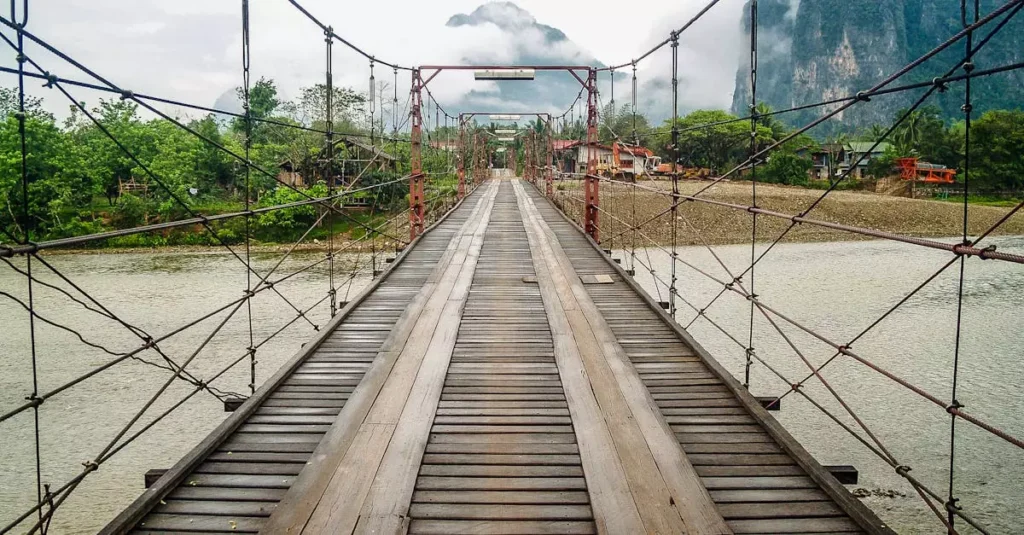
Vang Vieng, a lively town in the heart of Laos, is renowned for its breathtaking karst formations and refreshing natural spots. Among these, the Blue Lagoons are standout destinations, perfect for those looking to mix adventure with relaxation. Knowing the vang vieng blue lagoon ticket price ahead of time helps you plan your trip budget wisely. These clear, turquoise pools invite visitors to swim, leap from cliffs, or simply soak in the tranquil surroundings.
Travelers arriving in Vang Vieng often have questions about the costs associated with visiting these famous lagoons. This detailed overview outlines the entrance fees for each Blue Lagoon, providing clarity to help you prepare. Alongside the blue lagoon entry fee vang vieng, you’ll find advice on transportation, what to expect during your visit, and tips to make your day more enjoyable. Having this information in advance can make your experience smoother and more rewarding.
Planning a trip to the Blue Lagoons involves more than just knowing the admission prices. Travel times, the best ways to reach each lagoon, and the amenities offered at each spot are all important considerations. This guide aims to supply you with the knowledge needed to make smart choices, ensuring you get the best out of your time exploring these natural gems in Laos.
Understanding Vang Vieng’s Blue Lagoons
Vang Vieng boasts several natural swimming holes collectively called ‘Blue Lagoons.’ Blue Lagoon 1 is the most popular and busiest, but Blue Lagoon 2 and Blue Lagoon 3 each offer distinct vibes. The first lagoon sits close to town, featuring a large pool, rope swings, and a well-known cave. Blue Lagoon 2 is smaller and quieter, favored by those seeking peace. The third lagoon, farthest away, provides a rustic experience with bamboo rafts and zip-lining for thrill-seekers.
Visitors usually spend several hours exploring one or two of these lagoons, generally allotting 3 to 4 hours per site including travel and activities. The water stays refreshingly cool, offering a pleasant break from the tropical heat. Both locals and tourists enjoy swimming here. Basic amenities such as changing rooms, toilets, and small food stalls are commonly available, ensuring visitors’ comfort during their stay.
The lagoons have gained popularity over time, leading to larger crowds, especially at Blue Lagoon 1 during peak periods or late afternoons. To avoid the hustle, consider arriving early or opting for Blue Lagoon 2 or 3, where the atmosphere is more relaxed. Each lagoon presents a different way to appreciate Vang Viengs scenic beauty, blending varying levels of excitement and calm. Knowing the differences makes it easier to pick the one that suits your style.
What is the Vang Vieng Blue Lagoon Ticket Price?
The vang vieng blue lagoon ticket price remains budget-friendly, making these spots accessible to most visitors. Entrance fees usually fall between 10,000 and 20,000 Lao Kip (LAK) per person, roughly equivalent to $0.50 to $1.00 USD, depending on exchange rates. Payment is best made in LAK, as some places might accept Thai Baht or USD, but local currency offers the best value. This fee covers access to the swimming area and basic facilities.
For Blue Lagoon 1, the blue lagoon entry fee vang vieng is commonly about 10,000 LAK. Slight variations might exist for Blue Lagoon 2 and 3, with some reports indicating similar prices around 10,000 LAK, while others mention up to 20,000 LAK for the third lagoon. The higher cost often includes extras like zip-lining or bamboo rafting. It’s always wise to check the exact price when you arrive at the entrance gate.
Keep in mind that the ticket only grants entry. Additional activities such as zip-lining, tubing, or equipment rentals may require extra fees. For example, renting a tube or life jacket might cost extra. Food and drinks sold at onsite stalls are also purchased separately. While the entry fee is very reasonable, budget-conscious travelers should plan for these additional expenses. Carrying small bills in LAK is helpful for quick and smooth payments at the gates.
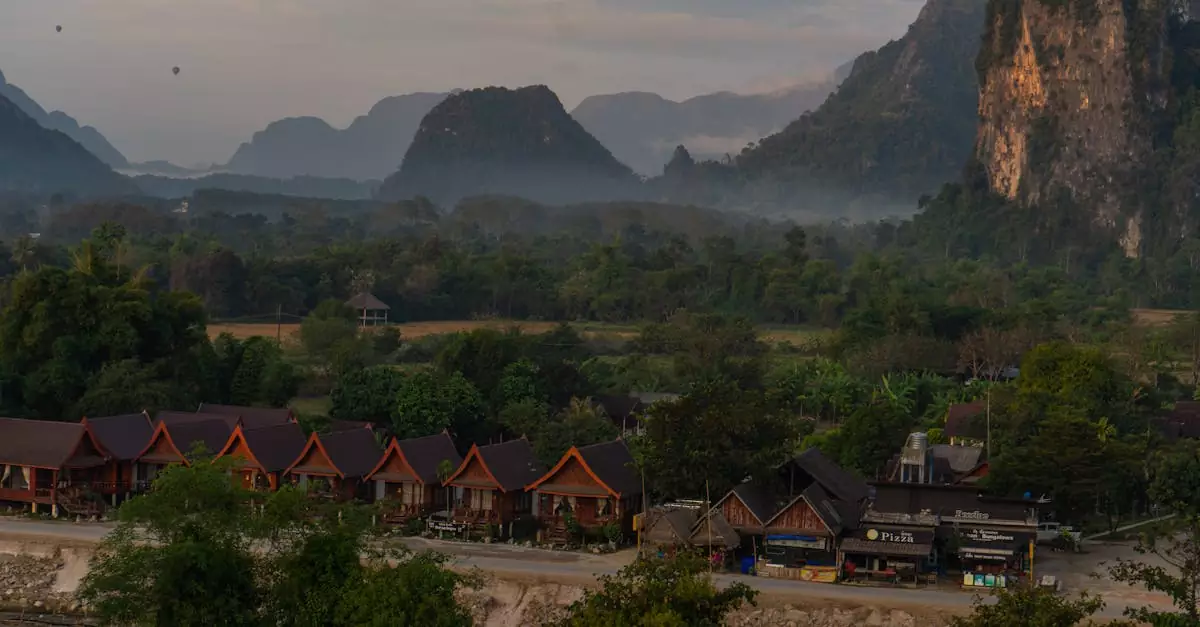
Exploring Blue Lagoon 1, 2, and 3: A Comparison
Picking which Blue Lagoon to visit depends on what kind of experience you want. Blue Lagoon 1, nearest to Vang Vieng town, is the most developed and lively. It boasts a large, deep pool with several rope swings and a famous tree used for cliff jumping. The nearby Tham Phu Kham Cave adds an adventurous touch with a short climb. This lagoon is perfect for those who enjoy a vibrant environment and easy access, though it can get quite crowded from late morning through mid-afternoon, attracting many young and energetic visitors.
Blue Lagoon 2 is a little farther out and offers a calmer atmosphere. Smaller and less built-up than the first, it provides a peaceful swimming spot with fewer visitors. Rope swings and relaxing areas are available, but without the bustling energy found at Blue Lagoon 1. This lagoon suits families or travelers seeking tranquility. The trip there is scenic, passing through local villages and rice fields, giving a glimpse into rural life in Laos.
Blue Lagoon 3 is the most remote and appeals to those craving adventure. Getting there involves crossing rivers and dealing with rough roads, often requiring a 4×4 or a sturdy scooter. This lagoon features bamboo rafts, a zip-line, and a more natural, rustic ambiance. Its less commercialized, offering a genuine escape into nature. Adventurous travelers who dont mind a longer journey and rough terrain will appreciate this spot. Facilities are basic but the pristine surroundings make it worthwhile. Consider your comfort level before choosing this lagoon.
Getting There: Transport Options and Costs
Traveling from Vang Vieng town to the Blue Lagoons offers several choices, each with different costs and convenience levels. Renting a scooter is the most popular option, typically costing between 50,000 and 70,000 LAK per day (about $2.50-$3.50 USD). This option provides the freedom to visit multiple lagoons at your own pace. However, roads, especially to Blue Lagoon 2 and 3, can be dusty and uneven. Experience riding scooters is advisable for safety reasons. Always wear a helmet and proceed carefully on unpaved paths.
Hiring a tuk-tuk is another common way to get there, particularly suitable for groups or those who prefer not to ride scooters. Prices depend on the lagoon and your bargaining skills. A round trip to Blue Lagoon 1 may cost between 100,000 and 150,000 LAK (around $5-$7.50 USD) for the entire vehicle. Trips to Blue Lagoon 2 or 3 can be pricier, ranging from 200,000 to 300,000 LAK (roughly $10-$15 USD) or more due to distance and road conditions. Agreeing on fares before starting the trip is recommended. Sharing a tuk-tuk with others is a good way to cut costs.
For those seeking a more hands-on and rugged ride, renting a buggy or ATV is an option, especially useful for reaching Blue Lagoon 3. Buggy rentals start at about 500,000 LAK (around $25 USD) for half a day. Though pricier, this option offers an exciting way to tackle rough terrain. Some tour companies also provide packages that include transport and activities like kayaking or caving. Prices vary widely depending on the itinerary and length. For more details on traveling in Laos, check out the official Tourism Laos website.
Essential Tips for Visiting Vang Vieng’s Blue Lagoons
A little preparation can make your visit to the Blue Lagoons much more enjoyable. Always bring cash in Lao Kip, since most lagoon entrances and small food vendors only accept cash. Using small denominations makes transactions easier. Footwear matters toopaths and cave areas can be slippery and uneven, so water shoes or sturdy sandals are best. Avoid flip-flops when exploring or climbing.
- Important Tip 1: Go Early or Late: Arriving right at opening time (around 8 AM) or later in the afternoon (after 3 PM) helps you avoid the biggest crowds at Blue Lagoon 1 and enjoy a quieter visit.
- Important Tip 2: Bring Sun Protection: The Laotian sun is strong. Sunscreen, hats, and sunglasses are essential, as shade is limited near the swimming areas.
- Stay Hydrated: Carry a reusable water bottle to refill at local shops or buy water at the lagoons.
- Pack Snacks: Although food stalls are available, bringing your own snacks can save money and meet dietary preferences.
- Waterproof Bag: Protect your valuables and electronics from water splashes or sudden rain.
- Check Weather: Roads get muddy and tricky during rainy season (May to October), so plan your transport accordingly.
- Respect Local Culture: Dress modestly when outside the water, especially passing through villages.
Also, consider your swimming skill level. Life jackets are often available to rent, but some lagoon areas are deep, so keep an eye on children. Being prepared and aware of your surroundings helps ensure a safe, enjoyable experience. For a broader understanding of Laos, the Wikipedia page on Laos offers useful information.
Pros and Cons of Each Blue Lagoon
Each Blue Lagoon has its own strengths and drawbacks. Blue Lagoon 1 shines in convenience and energy. Its closeness to town means less travel time and cheaper transport. It features the most developed facilities, including many rope swings, a large cliff jump, and the popular Tham Phu Kham Cave. This makes it ideal for newcomers or those seeking a lively social spot. On the downside, heavy crowds can reduce the peacefulness, and the water quality may be affected by frequent use.
Blue Lagoon 2 presents a quieter alternative. Its key benefit is fewer visitors, creating a peaceful swimming and relaxing environment. The scenic journey through countryside adds charm. Facilities are simpler, contributing to a rustic vibe. It works well for families or travelers desiring calm rather than thrill. The longer travel time and slight increase in transport cost compared to Blue Lagoon 1 may be drawbacks. Adventure seekers might find the activity options limited.
Blue Lagoon 3 appeals to those who crave adventure and untouched nature. Its remote location and difficult access serve as both advantages and disadvantages. The challenging trip keeps visitor numbers down, offering a secluded, authentic experience. Bamboo rafting and zip-lining provide unique thrills. This lagoon suits travelers willing to embrace rough roads and basic facilities. However, the journey can be long and uncomfortable, and transportation costs tend to be higher. Its not ideal for visitors seeking convenience and comfort.
Reality Check: Managing Crowds and Expectations
Setting realistic expectations about crowds is key when visiting the Blue Lagoons. Blue Lagoon 1, as the most accessible and famous, often fills up quickly. Peak season from November to February and midday hours see the most visitors. Rope swings and cliff jumps may have lines, and the mood can shift from peaceful nature to a lively, party-like scene. This is typical of popular tourist destinations.
Timing your visit can help. Early mornings just after opening offer a quieter atmosphere, better for photos and swimming without crowds. Late afternoons before closing also tend to be less busy. If crowds bother you, Blue Lagoon 2 or 3 are excellent alternatives. Their remote locations naturally reduce visitor numbers, creating a more authentic, less commercialized experience.
Facilities vary too. Blue Lagoon 1 boasts more developed infrastructure, while the others have simpler amenities like basic changing rooms and local-style toilets. Food options usually consist of local snacks rather than full-service restaurants. Embracing this rustic charm helps avoid disappointment. The real draw is the natural setting, which remains stunning across all lagoons. Knowing what to expect lets you appreciate the experience for what it truly offers.
Frequently Asked Questions About Blue Lagoon Entry
What is the typical vang vieng blue lagoon ticket price?
Entry fees usually range from 10,000 to 20,000 Lao Kip (LAK) per person, roughly $0.50 to $1.00 USD. Prices differ slightly depending on whether you visit Blue Lagoon 1, 2, or 3.
Do I need to pay a separate blue lagoon entry fee vang vieng for each lagoon?
Yes, each lagoon has its own entrance fee. There isnt a combined ticket that covers multiple lagoons, so you pay individually at each location.
Are there any hidden costs beyond the blue lagoon entry fee vang vieng?
The basic entry fee grants access only. Extras like zip-lining, tube rentals, and equipment use usually involve additional charges. Food and drinks sold at stalls also come at extra cost.
What are the opening hours for the Blue Lagoons?
Most lagoons open around 8:00 AM and close between 5:00 PM and 6:00 PM. Hours can vary depending on the season, so it’s best to check locally when you arrive.
Is the vang vieng blue lagoon ticket price different for children?
Children often pay a reduced fee or enter for free, especially younger ones. However, policies vary, so ask at the entrance for specific details about child admission.
Conclusion: Making the Most of Your Blue Lagoon Adventure
Visiting Vang Vieng’s Blue Lagoons promises an unforgettable blend of natural beauty and exciting activities. Understanding the vang vieng blue lagoon ticket price is a helpful starting point for planning your day. Whether you prefer the bustling vibe of Blue Lagoon 1, the peacefulness of Blue Lagoon 2, or the adventurous spirit of Blue Lagoon 3, each spot offers distinct and memorable experiences. The blue lagoon entry fee vang vieng is a small price for access to these stunning natural wonders.
Careful planningchoosing the right transport, timing your visit to avoid crowds, and packing essentialscan greatly enhance your trip. Embrace local customs, prioritize safety, and be ready for varying degrees of development at each location. Vang Vieng stands out as a gem in Southeast Asia, and its Blue Lagoons reflect its remarkable landscapes. They provide a refreshing retreat from daily life, surrounded by turquoise waters and lush greenery infused with Laoss vibrant spirit.
Following the advice and insights shared here helps you navigate your options and tailor the visit to your preferences. From budgeting for entrance and transportation to appreciating the unique character of each lagoon, youre set to enjoy the natural beauty and create lasting memories. The Blue Lagoons of Vang Vieng truly are highlights in this extraordinary region.